 Save
Slugs usually enter a home because the route is damp, shaded, and easy to crawl through. They are soft-bodied mollusks that lose moisture quickly, so they follow cool surfaces, wet thresholds, sheltered foundations, and plant-covered areas rather than dry, sunny routes. One indoor slug is often a one-off visitor after rain or watering. Several sightings, especially with shiny trails, suggest you should look for moisture, outdoor hiding places, and small gaps around the part of the house where they appear.
What a Slug Indoors Is Really Telling You
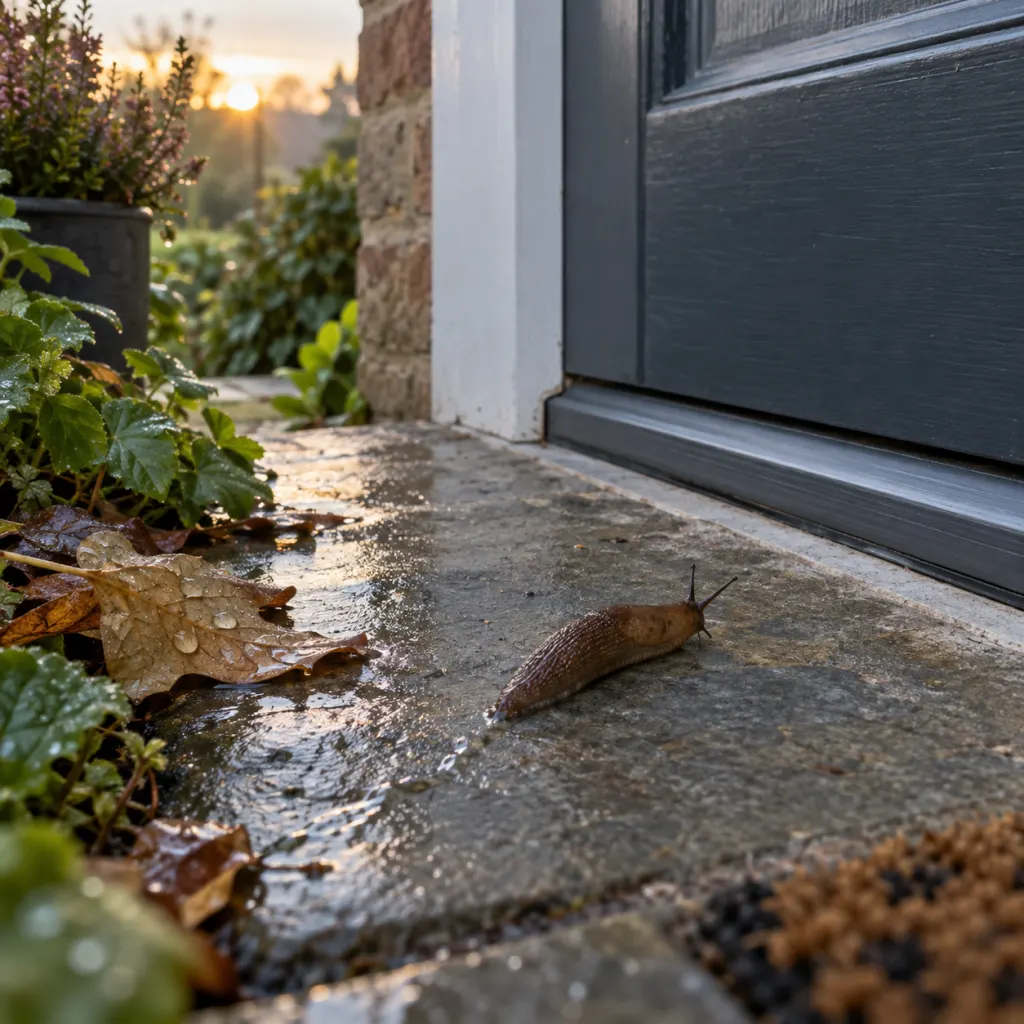
An indoor slug can feel strangely dramatic because it leaves visible evidence: a slow moving body, a glistening trail, or a mark across tile, concrete, or wood. The practical meaning is usually simple. Slugs are outdoor animals that thrive where surfaces stay cool and moist. The University of Minnesota Extension notes that slugs are most common in cool, moist, shaded areas and are generally active at night when conditions are damp https://extension.umn.edu/garden-and-home/yard-and-garden/yard-and-garden-insects/slugs. If one reaches a kitchen, bathroom, basement, laundry room, mudroom, or garage, the home has either a nearby slug-friendly habitat, an easy opening, or both.
That does not mean the house is unclean. Slugs feed outdoors on many kinds of plant material and decaying organic matter, and they use mucus to move over rough surfaces. A dried slime trail is one of the clearest clues that slug activity is present, according to several university extension sources. Indoors, they are most often accidental guests traveling from a wet porch, patio, planter, foundation edge, crawl space, garage slab, or drain-adjacent area. Their presence is less about crumbs on a counter and more about moisture, shade, and access.
Why Damp Weather Brings Them Closer
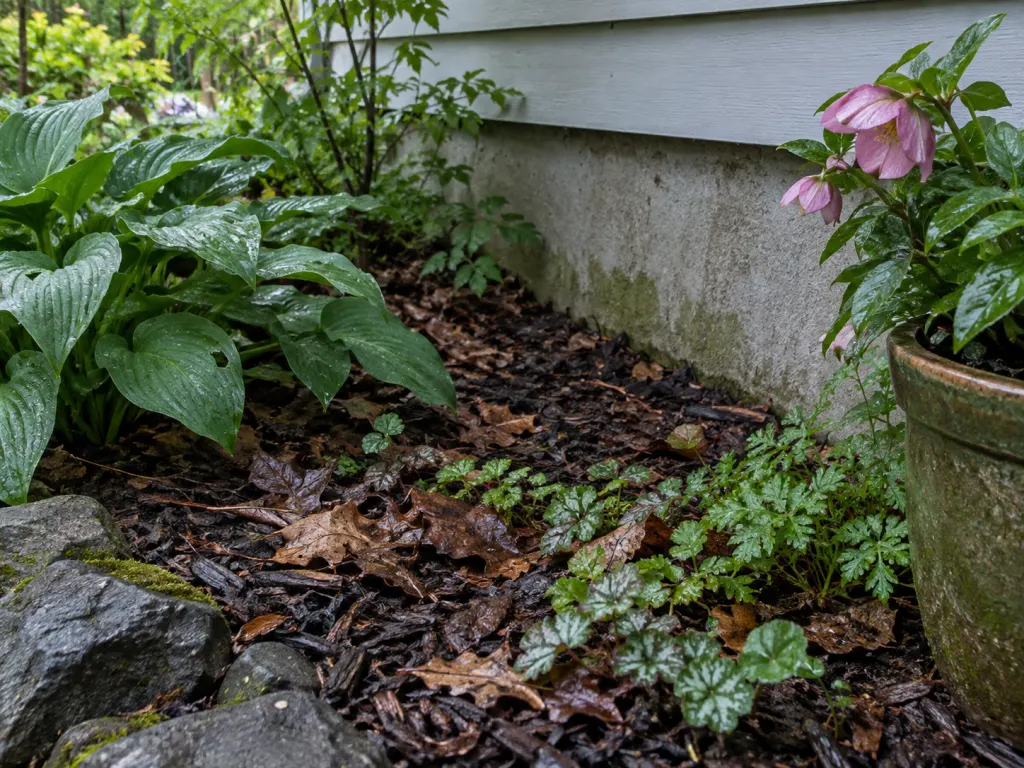
Slugs are built for damp places. University of Maryland Extension explains that slugs and snails have limited protection against water loss, can absorb water through their skin, and seek cool, damp shelter during the day under leaves, mulch, rocks, boards, porches, decks, crawl spaces, and flower pots https://extension.umd.edu/resource/slugs-and-snails-flowers. That is why indoor sightings often follow rain, heavy irrigation, foggy weather, or a period when a shaded side of the house stays wet for several days.
The path matters. A slug crossing a patio at night may find a door sweep that does not touch the threshold, a garage door corner with daylight showing, a low vent, a cracked mortar joint, or a gap around a pipe. Slugs do not need a dramatic opening. They can flatten and move slowly through narrow spaces when the surface is moist enough. If a trail appears repeatedly in the same hall or near the same cabinet toe-kick, trace it backward rather than treating the room as the source.
Common Entry Points Around a House
The most likely entry points are low, damp, and close to outdoor cover. Look first at doors that open to patios, gardens, or garages. Then check basement doors, bulkhead doors, crawl-space vents, gaps around utility penetrations, floor-level cracks, and the bottom corners of siding or trim. A garage can act as a halfway zone: slugs enter under the overhead door or side door, then move toward an interior threshold if the slab stays cool and damp overnight.
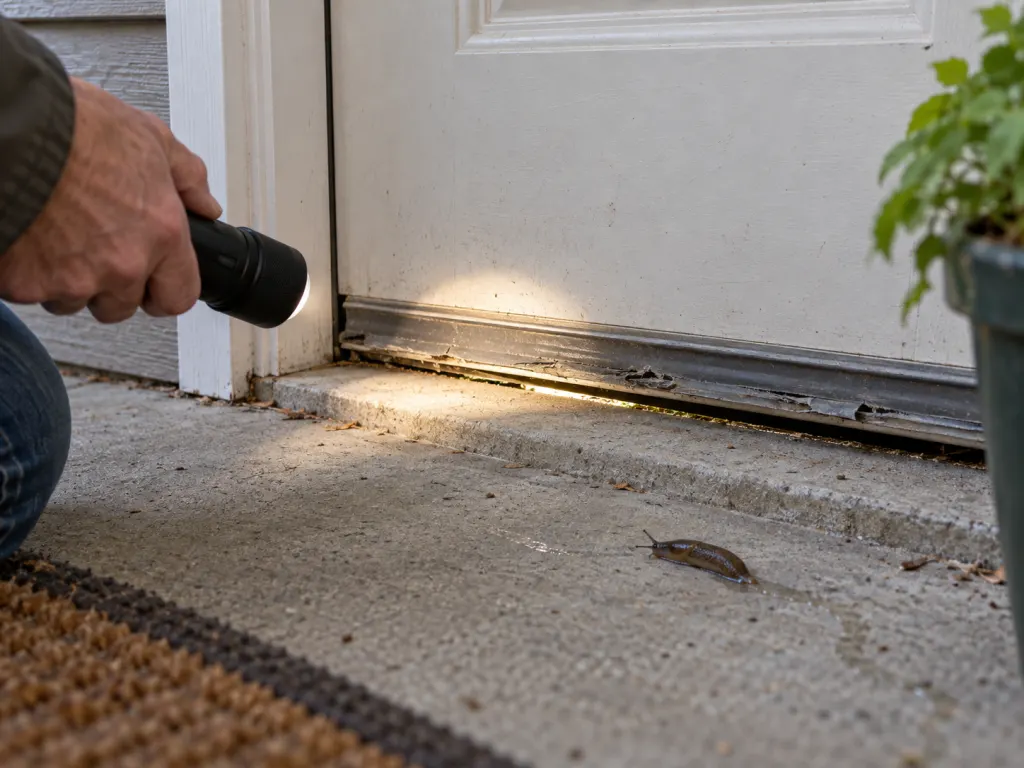
A simple inspection works best after dark or early in the morning. Use a flashlight and follow any silvery trails. Check the outdoor side of the wall closest to the sighting, including the first few feet of soil, mulch, pots, hose bibs, drains, deck edges, and stored materials. University of California IPM advises looking for shiny slime trails and notes that snails and slugs feed at night and hide during the day; it also recommends reducing moisture and hiding spots as part of an overall management approach https://ipm.ucanr.edu/home-and-landscape/snails-and-slugs/.
Outdoor Conditions That Invite Repeat Visits
The house is rarely the main attraction. The bigger attraction is usually the microclimate right outside it. A north-facing wall, dense groundcover, leaf litter, stacked boards, damp cardboard, old pots, thick mulch, low deck framing, or a constantly wet planter can create a shelter line along the foundation. Oregon State University Extension describes slugs as most active when conditions are moist and notes that they hide in dark, moist places such as mulch, leaves, cracks, and plant residue https://extension.oregonstate.edu/catalog/pub/em-9155-how-control-slugs-your-garden.
That outside zone is where prevention usually starts. Pull mulch a little back from thresholds, remove boards or flat stones that are tight to the wall, lift pots onto feet, and store bags of soil or firewood away from the foundation. If a hose, sprinkler, or downspout keeps one side of the entry wet, fix that first. Slugs can be persistent, but they are also very dependent on moisture. A brighter, better-ventilated, faster-drying edge around the house is less inviting than a cool strip of wet shade.
How to Check Whether It Is a One-Off or a Pattern
One slug after a storm is different from nightly trails for a week. A pattern deserves a small investigation. You do not need elaborate equipment; you need timing, light, and a careful look at the place where the trail begins.
- Note the location. Record the room, wall, door, or appliance area where the slug appears.
- Look at the weather. Rain, evening watering, and long cloudy stretches often increase activity.
- Follow the trail. Trails often point toward a threshold, baseboard gap, garage corner, or utility opening.
- Inspect outdoors. Check the matching exterior wall for mulch, pots, weeds, boards, damp leaves, or standing water.
- Test the door edge. If you can see daylight under a door, a slug may be able to enter during wet weather.
- Watch at night. A flashlight inspection after dark is more useful than a midday search.
This approach also helps you avoid overreacting. Slugs do not behave like pantry insects, and they do not usually establish a hidden indoor colony in a dry living space. If you keep finding them near one damp threshold, the answer is usually outside habitat plus a gap. If they appear in a basement or crawl-space-adjacent room, the question becomes whether that area is staying damp enough to support their movement.
What Actually Helps Reduce Indoor Slugs
The most reliable steps are physical and environmental: dry the route, remove outdoor shelter, and close the opening. University extension guidance consistently favors combined methods over a single trick. UC IPM, for example, states that baits alone do not provide adequate control where shelter, food, and moisture remain available https://ipm.ucanr.edu/home-and-landscape/snails-and-slugs/. For a house, that means sealing and drying usually matter more than scattering a product around the entry.
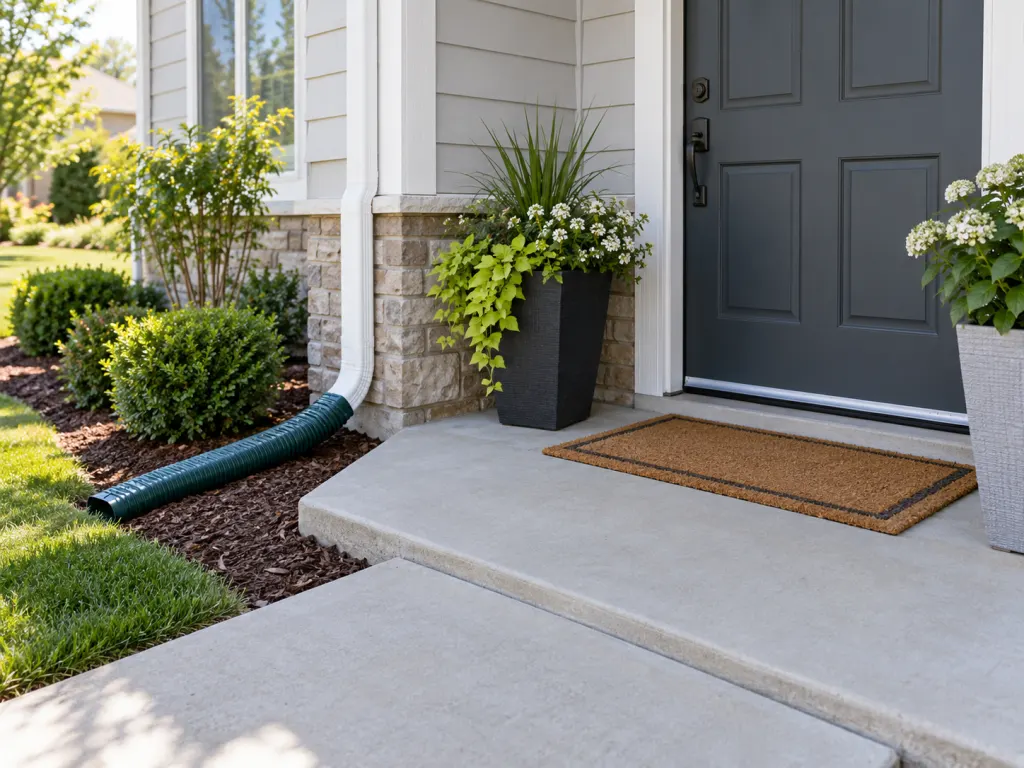
Start with the threshold. Replace worn door sweeps, adjust garage-door weather stripping, seal small foundation or siding gaps with suitable exterior materials, and screen vents where appropriate. Inside, wipe trails with mild soapy water so you can tell whether new activity is occurring. Outside, reduce the slug-friendly strip near the wall: thin dense plants, clear leaf litter, move planters away from doors, and water in the morning so surfaces have time to dry before night.
What to Be Careful About With Quick Fixes
Many folk methods sound satisfying but create new problems. Salt can damage soil and nearby plants, and it is a poor household strategy because it treats the slug you see rather than the route that brought it indoors. University of Maryland Extension says salt, vinegar solutions, and boiling water are not recommended for outdoor control because they can damage plants https://extension.umd.edu/resource/slugs-and-snails-flowers. Indoors, the same principle applies: avoid harsh, messy responses when the useful work is sealing, drying, and removing shelter.
Barriers can help in limited settings, but they are not magic. Copper bands may deter slugs in some small, controlled areas, while dry abrasive barriers lose value once damp. The Royal Horticultural Society has also reported field testing in which several popular barriers did not meaningfully reduce damage to lettuces under realistic garden conditions https://www.rhs.org.uk/science/articles/stop-slugs-and-snails. For indoor prevention, a snug door sweep and a dry threshold usually beat a ring of improvised deterrents.
When Baits or Pesticides Enter the Conversation
Slug baits are sometimes used outdoors, but they should be treated as a last step after habitat and access are addressed. If you use any pesticide product, read and follow the label exactly. The U.S. Environmental Protection Agency explains that pesticide directions for use describe where a product may be used, the pests it may control, application methods, rates, restrictions, and other requirements https://www.epa.gov/pesticide-labels/label-review-training-module-3-special-issues-page-11. Never place bait indoors unless the specific product label allows that use.
Outdoor bait placement also needs care. UC IPM notes that metaldehyde baits can be poisonous to dogs and birds, and it advises scattering bait rather than piling it while also removing shelter, food, and moisture sources https://ipm.ucanr.edu/home-and-landscape/snails-and-slugs/. If children, pets, or wildlife use the area, nonchemical work around the house edge becomes even more important.
How Slugs Compare With Other Household Visitors
Slugs are not insects, and that difference matters for expectations. They are mollusks, closer to snails than to ants, flies, or beetles. If your broader concern is why small creatures appear on indoor walls, the related article Why Insects Appear on Home Walls covers patterns that are more typical of insects. For another moisture-linked household visitor, Silverfish in Your Home: What It Means may help you compare clues.
Slugs also differ from garden insects because they need a moist route to keep moving comfortably. Their trails are useful evidence, not just a nuisance. If you see slime lines near a back door and also notice insects nearby, handle the clues separately: dry and seal the slug route, then identify the insects on their own terms. For plant-side prevention around patios and beds, the internal guide Natural Ways to Repel Household Insects may be useful, but slug control still depends heavily on moisture and shelter management.
A Practical Home Checklist
If slugs keep appearing, work from the sighting outward. First, clean the visible trail so you can spot new movement. Second, inspect the nearest door, garage edge, vent, or pipe opening. Third, step outside and remove the damp hiding places closest to that route. Fourth, fix the water source: a leaky spigot, splashy downspout, overwatered planter, clogged drain, or irrigation aimed at the wall. Fifth, revisit the area after dark. The goal is not to eliminate every slug from the neighborhood; it is to make your threshold less useful to them.
The Bottom Line
Slugs enter homes when their outdoor needs overlap with a building opening: damp shade, nearby cover, and a small gap at ground level. The clearest fix is usually not a dramatic treatment but a tidy chain of small repairs: dry the edge, remove slug shelter, improve drainage, replace poor weather stripping, and monitor after rain. If the sightings stop, you have found the route. If they continue in the same place, widen the inspection to the crawl space, basement wall, garage slab, or exterior drainage path connected to that room.
Wrap-Up
A slug indoors is usually a clue about moisture and access. Look for damp shade outside the nearest wall, reduce shelter such as boards, dense groundcover, excess mulch, and wet pots, then seal door and foundation gaps. Repeated sightings call for a nighttime inspection and a focus on drainage, weather stripping, and outdoor habitat rather than panic or harsh quick fixes.
Frequently Asked Questions
- → Why do I only see slugs in my house at night?
Slugs are most active when it is cool and damp, and night usually gives them both. If you find trails in the morning, inspect the nearby door, garage, basement, or exterior wall after dark with a flashlight.
- → Does one indoor slug mean there are many inside?
Not necessarily. One slug can wander in after rain or watering. Repeated sightings in the same area are more useful evidence because they suggest a damp route, an outdoor hiding place, or a gap that needs sealing.
- → Where should I look first if slugs keep appearing?
Start at the nearest exterior door, garage edge, vent, pipe opening, basement wall, or crawl-space connection. Outside, check the matching area for wet mulch, pots, dense plants, leaf litter, boards, stones, or poor drainage.
- → Should I use salt on slugs near the house?
Salt is not a good prevention plan. It does not fix the entry route, and outdoors it can damage soil and plants. Drying the area, removing shelter, and sealing gaps are more practical steps.
- → Can slug bait solve an indoor slug problem?
Bait should not be the first answer to indoor sightings. If a pesticide product is considered outdoors, follow the label exactly and do not use it indoors unless the label specifically allows that use. Moisture control and sealing are usually the core fixes.
References
This content was developed and refined using reliable sources.
- https://extension.umn.edu/garden-and-home/yard-and-garden/yard-and-garden-insects/slugs
- https://extension.umd.edu/resource/slugs-and-snails-flowers
- https://ipm.ucanr.edu/home-and-landscape/snails-and-slugs
- https://extension.oregonstate.edu/catalog/pub/em-9155-how-control-slugs-your-garden
- https://www.rhs.org.uk/science/articles/stop-slugs-and-snails
- https://www.epa.gov/pesticide-labels/label-review-training-module-3-special-issues-page-11