 Save
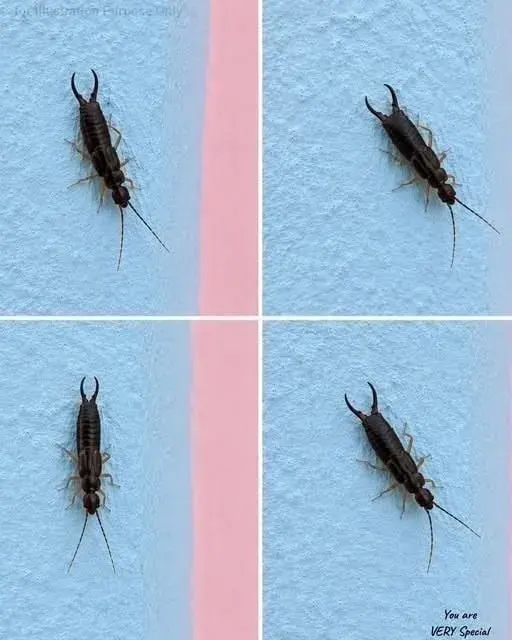
The long brown insect with a pair of pincers at the rear is an earwig. It is not the pantry moth described in the former article. The pincers, segmented body and antennae are the useful visible clues.
Why it may be indoors
University of Minnesota Extension describes earwigs as insects that favor dark, damp hiding places and may enter buildings. An indoor sighting is usually a nuisance, not proof that food packages are breeding moths or that the house is dangerously dirty.
What to do
Remove a stray insect with a broom and dustpan or a vacuum. Look for damp areas and gaps around doors or windows. Reduce nearby piles of wet leaves or other hiding material and address unnecessary moisture. Repeated sightings may justify help identifying the entry route.
What the photo cannot tell you
It cannot establish a large infestation, a particular species beyond the general earwig identification, or a symbolic warning. Do not discard all your pantry food solely because this insect was found nearby. If food is actually contaminated or you see a different insect, investigate that evidence separately.
A better answer than the teaser
The pincers make the insect look alarming, but its appearance should lead to identification rather than a dramatic story. The practical question is how it entered and whether moisture or shelter is encouraging repeat visits.
Frequently Asked Questions
- → What does the original image establish?
The long brown insect with a pair of pincers at the rear is an earwig. It is not the pantry moth described in the former article. The pincers, segmented body and antennae are the useful visible clues.