 Save
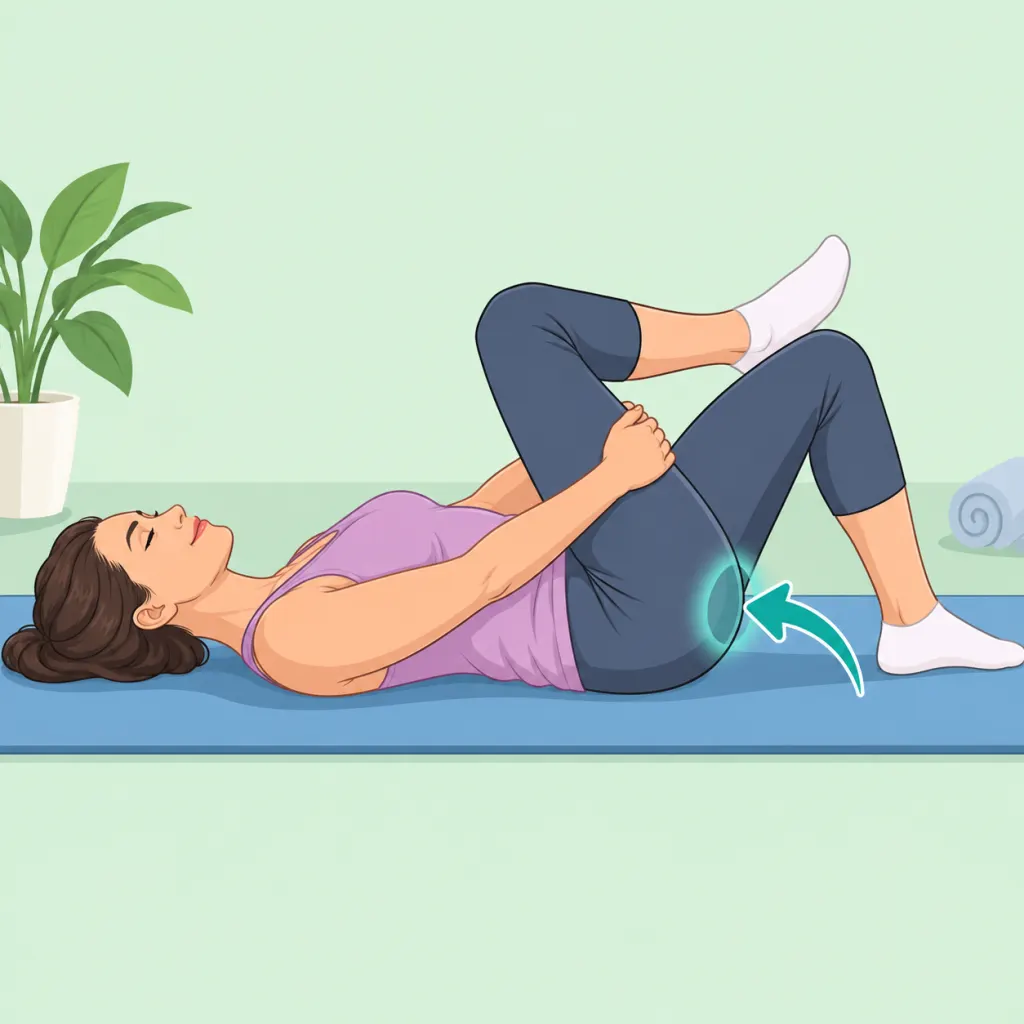
The piriformis is a small muscle deep in the buttock near the sciatic nerve, and irritation in this area can feel like buttock, hip, or back-of-leg discomfort, according to Cleveland Clinic. This guide shows gentle stretches that may help you move the hip area more comfortably. It also explains when to stop and when to ask a healthcare professional for advice.
Step 1: Check that stretching is reasonable for your symptoms
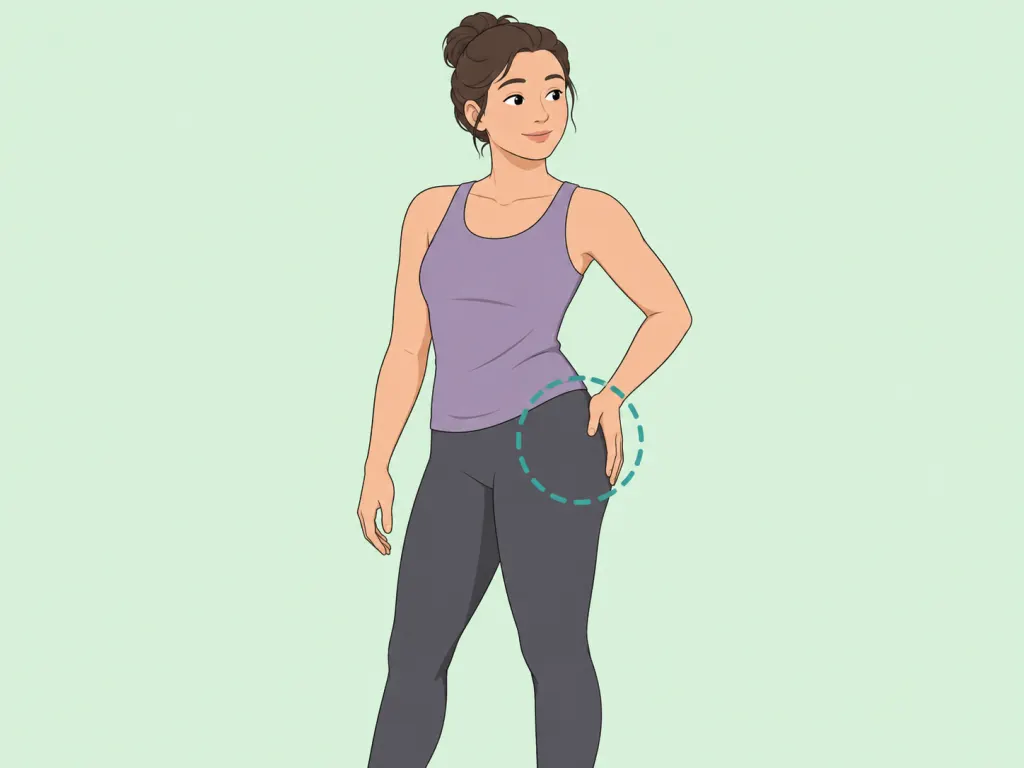
Use these stretches only for mild buttock or hip tightness that does not feel sudden, severe, or unusual. Piriformis-related discomfort can involve the buttock, hip, or upper leg, but similar symptoms can come from other causes, so do not use a stretch to diagnose yourself. If you are unsure, start with professional advice instead.
Step 2: Warm up with easy movement first
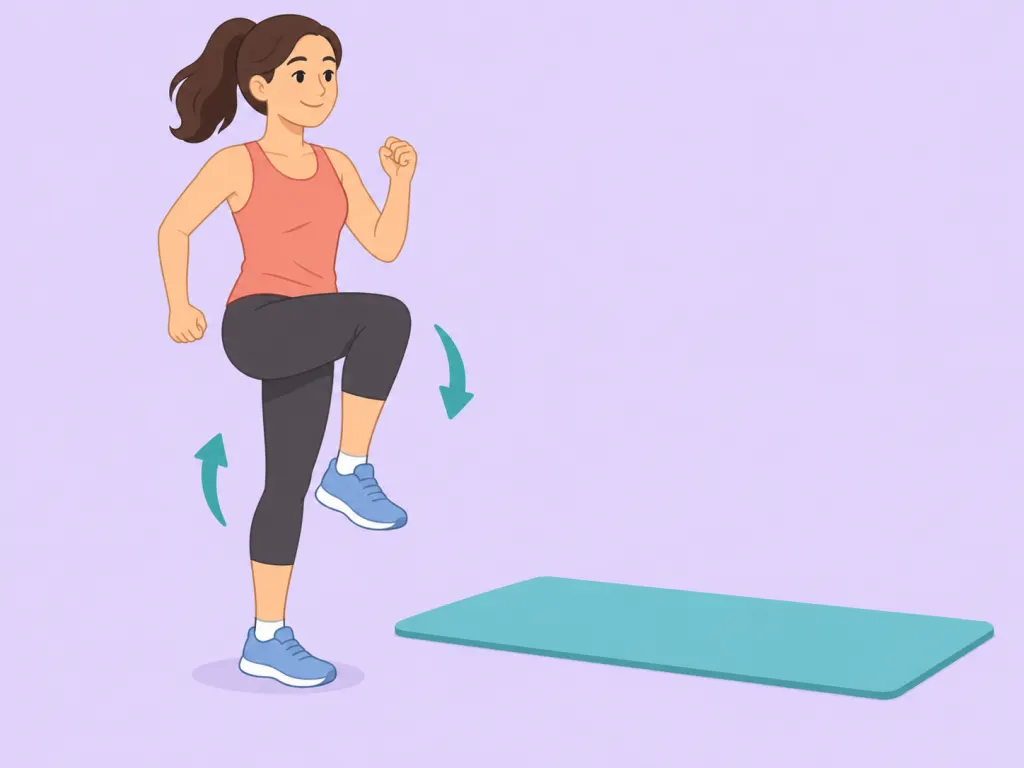
Walk slowly around the room, march in place, or do gentle hip circles for 2 to 5 minutes before you stretch. Staying as active as you comfortably can is often better than long bed rest for back-related discomfort, according to MedlinePlus. Keep the warmup light enough that your symptoms do not increase.
Step 3: Do a lying figure-four stretch
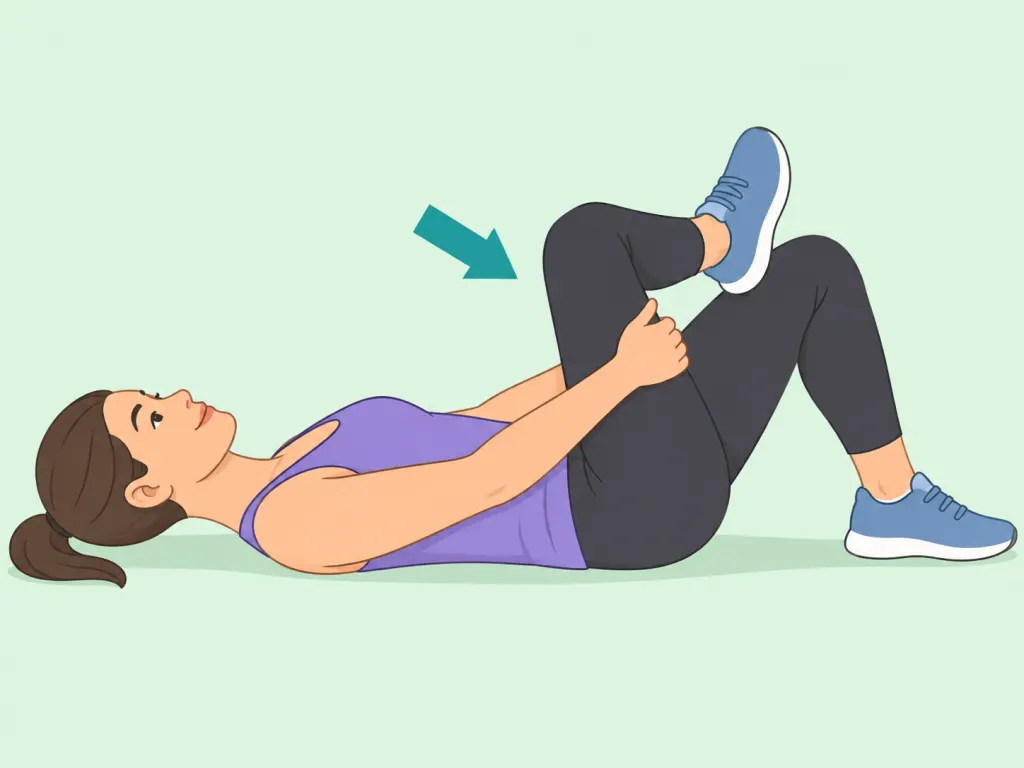
Lie on your back with both knees bent, then cross one ankle over the opposite thigh to make a figure-four shape. Hold behind the uncrossed thigh and gently draw that leg toward your chest until you feel a mild buttock stretch, a position described in the NHS buttock stretch. Hold for about 15 to 20 seconds, then switch sides.
Step 4: Try a seated crossed-leg stretch
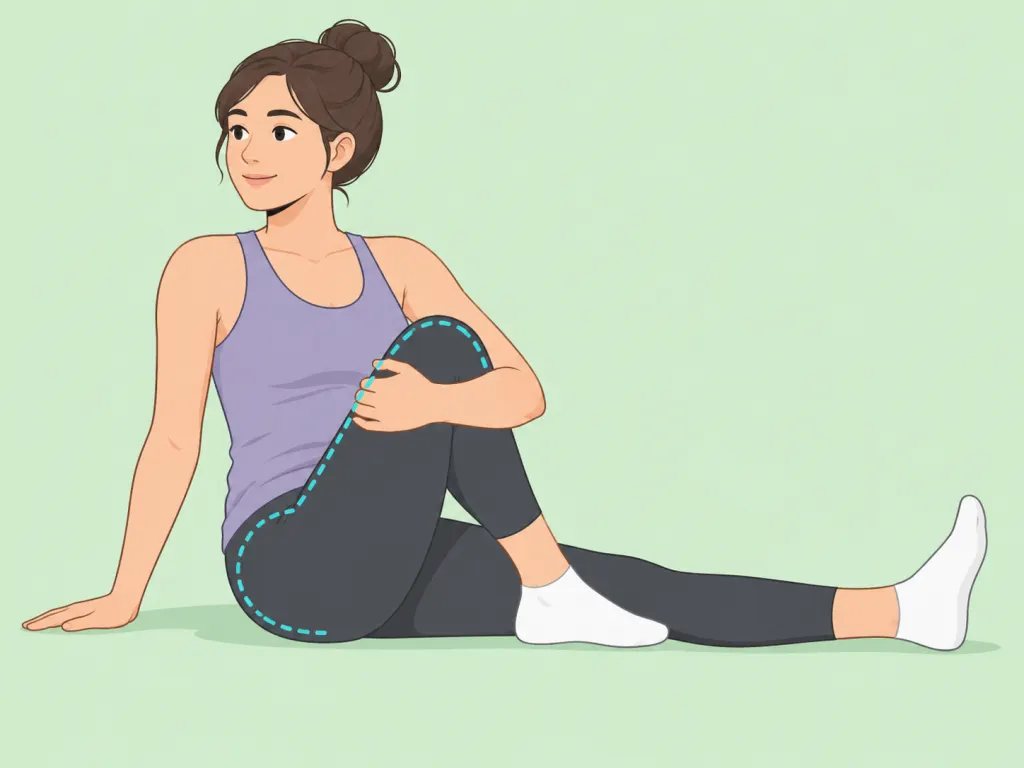
Sit on the floor with one leg straight, cross the other leg over it, and gently guide the bent knee toward the opposite shoulder. Cambridge University Hospitals describes this as a piriformis stretch for the hip and buttock muscles. Keep your spine tall and stop at a mild pull rather than twisting hard.
Lie on your back and draw one knee toward your stomach with your hands, keeping the other leg relaxed. This can stretch the hip and buttock area without as much rotation as the figure-four position. Hold briefly, breathe normally, and repeat on the other side only if it feels comfortable.
Step 6: Stop before symptoms increase
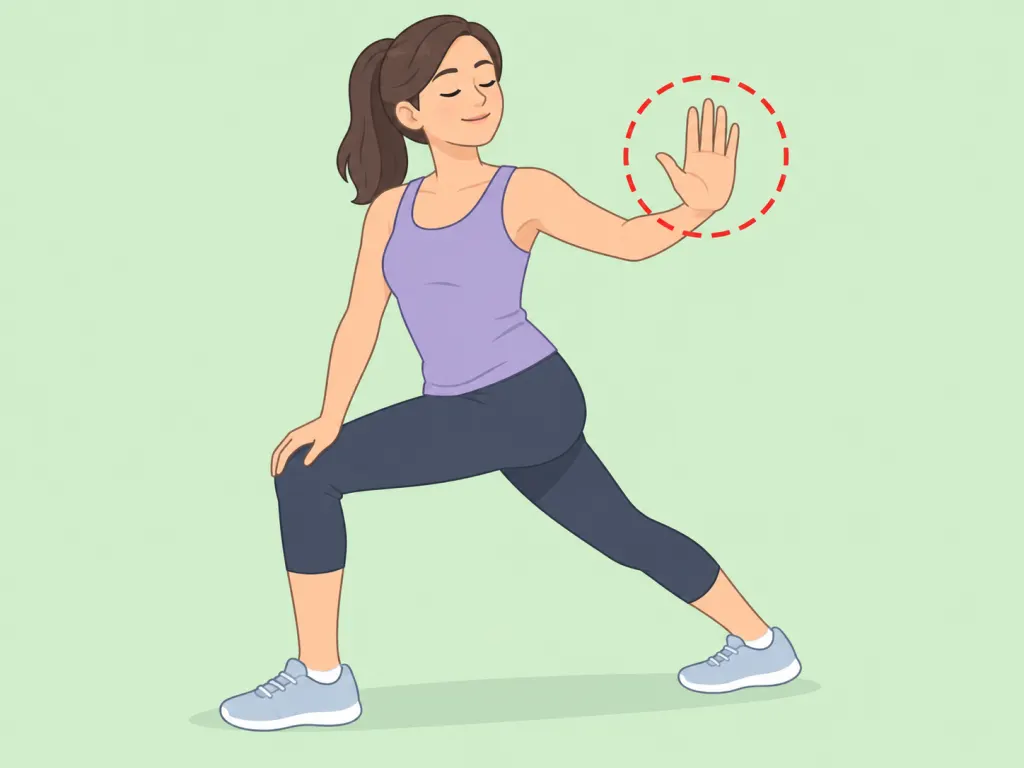
A stretch should not create sharp pain, make numbness worse, or leave you feeling unwell. The NHS advises stopping exercise immediately if you feel pain or become unwell during general sciatica exercises. Use a smaller range, choose an easier position, or stop for the day.
Step 7: Break up long sitting and know when to get help
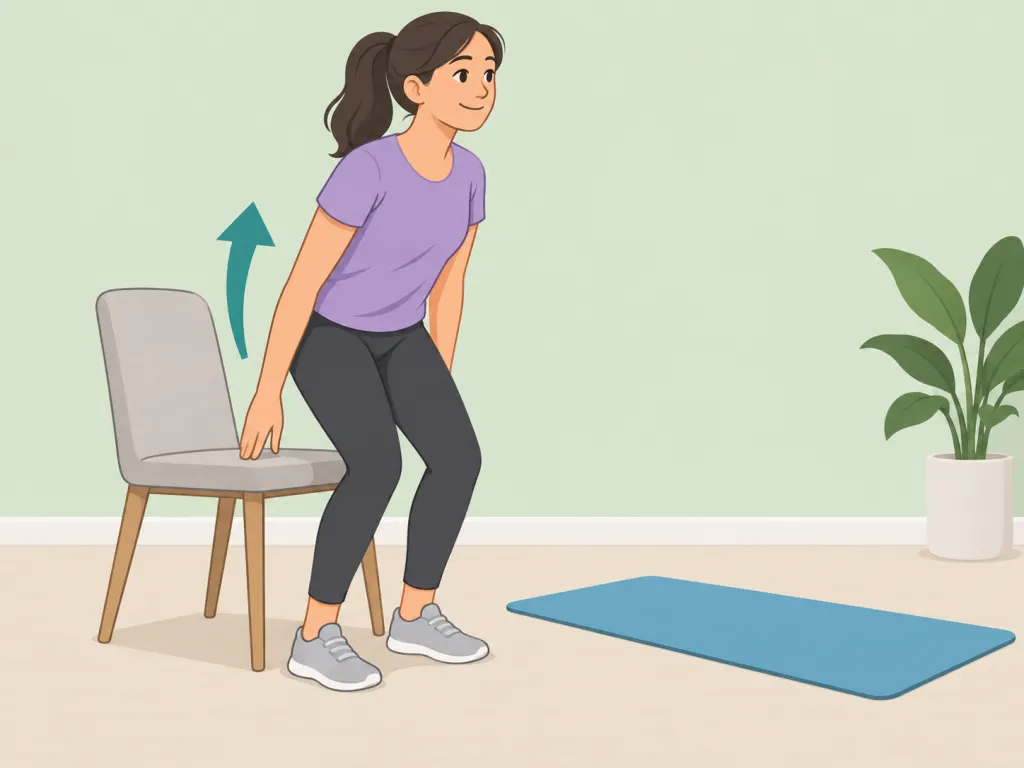
Long periods of sitting can aggravate piriformis-related symptoms, so stand, walk, or stretch briefly during the day when you can. Get medical advice if pain lasts for a few weeks, gets worse, limits normal activity, follows an injury, or comes with sudden weakness or numbness, as outlined by NHS sciatica guidance. Seek urgent help for bowel or bladder control problems, numbness around the genitals or bottom, or severe worsening weakness.
Wrap-Up
The bottom line: piriformis stretches work best when they are slow, mild, and paired with regular movement breaks. Stop if symptoms increase, and get professional help for persistent, worsening, or unusual symptoms.
Frequently Asked Questions
- → How long should I hold a piriformis stretch?
A gentle hold of about 15 to 20 seconds is a reasonable starting point for a buttock stretch, matching the NHS stretching guide. Do not force the position or chase a stronger sensation.
- → Should I stretch both sides?
Yes, if both sides feel comfortable. Spend a little extra time noticing the tighter side, but keep the stretch mild and balanced rather than aggressive.
- → What should a piriformis stretch feel like?
It should feel like a mild pull deep in the buttock or outer hip. Stop if the stretch causes sharp pain, increasing numbness, weakness, or symptoms that travel farther down the leg.
- → Can piriformis discomfort feel like sciatica?
Yes. NCBI Bookshelf notes that piriformis syndrome can involve buttock discomfort with sciatic-like symptoms, but other back and nerve conditions can feel similar.
- → Do I need equipment for these stretches?
No special equipment is required. A mat, carpeted floor, firm bed, or sturdy chair can make the positions easier to hold comfortably.
- → When should I avoid doing these stretches on my own?
Get advice first if you have a recent injury, a health condition, are pregnant or recently gave birth, or are unsure whether the exercises are suitable for you, as the NHS exercise safety guidance recommends.
References
This content was developed and refined using reliable sources.
- https://my.clevelandclinic.org/health/diseases/23495-piriformis-syndrome
- https://www.ncbi.nlm.nih.gov/books/NBK448172
- https://www.nhs.uk/conditions/sciatica
- https://www.nhs.uk/live-well/exercise/exercises-sciatica-problems
- https://www.nhs.uk/live-well/exercise/how-to-stretch-after-exercising
- https://www.cuh.nhs.uk/patient-information/stretches-for-the-hip
- https://www.medlineplus.gov/ency/article/002119.htm