 Save
Sage tea is a traditional herbal drink, but it should be used with realistic expectations and basic safety in mind. Authoritative health sources emphasize fluids, rest, humidified air, saline, and medical help for warning signs when mucus or congestion is part of a cold or similar illness. This guide shows how to use sage tea cautiously without relying on it as a stand-alone answer.
Step 1: Set realistic expectations first

Think of sage tea as a warm drink for comfort, not as a proven way to clear mucus by itself. The National Center for Complementary and Integrative Health says research on sage for health conditions is limited, while MedlinePlus lists fluids, rest, humidified air, salt-water gargles, and saline as common cold comfort measures.
Step 2: Check whether sage is a sensible choice for you

Skip sage tea and ask a qualified professional first if you have a medical condition, take prescriptions, care for a young child, or have reacted badly to herbs before. NCCIH notes that sage is generally likely safe in food amounts, but high amounts or long use may be harmful because some sage species contain thujone.
Step 3: Wash fresh sage before brewing
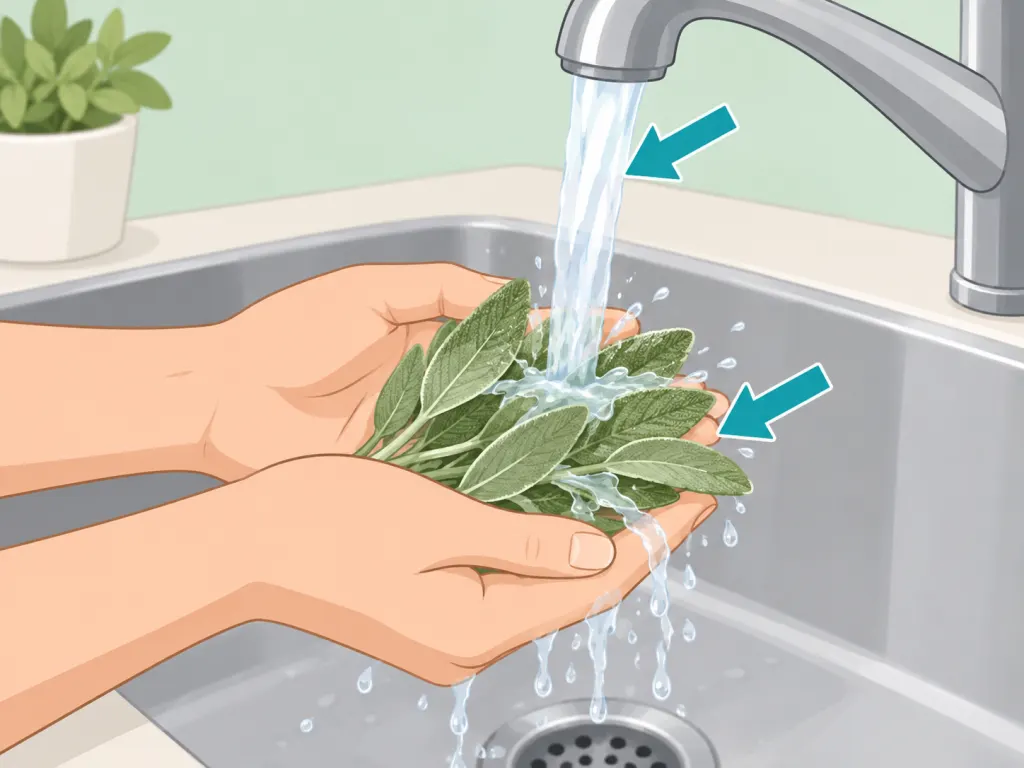
If you use fresh leaves, rinse them under running water and remove any damaged or spoiled pieces before they touch your cup. The FDA advises washing produce, including herbs, under running water and preparing it with clean hands, utensils, and surfaces.
Step 4: Brew a mild cup and let it cool
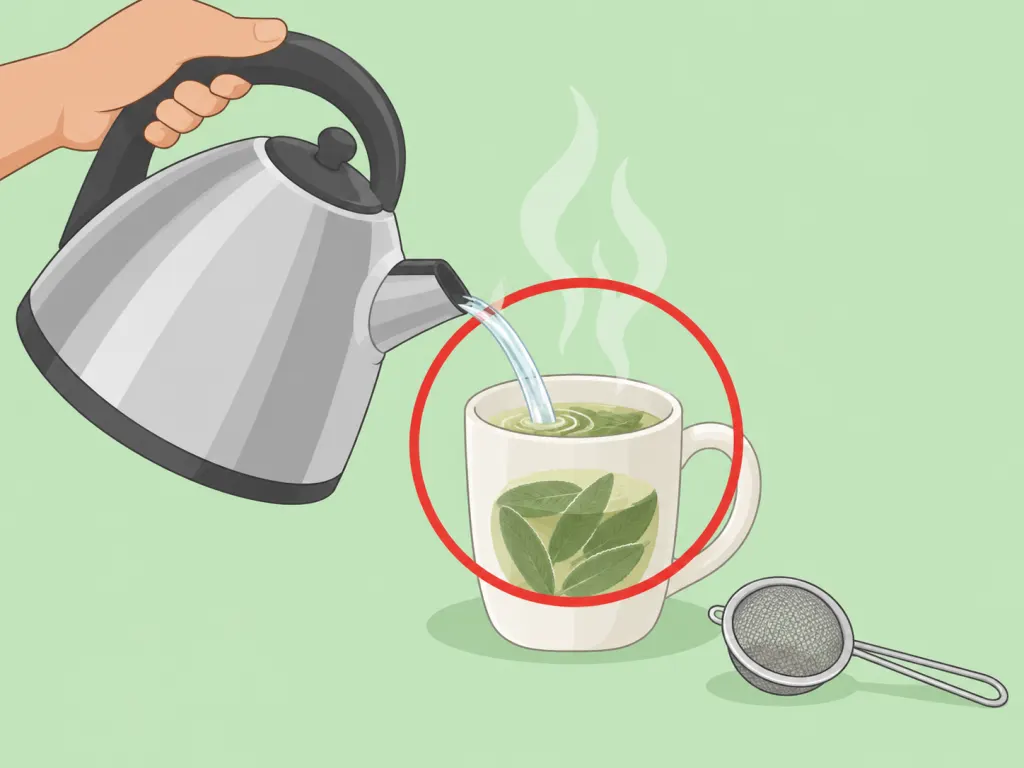
Place a small culinary amount of clean sage in a mug, pour in hot water, cover it briefly, and strain out the leaves. Let the drink cool until it is comfortably warm, since hot liquids can burn the mouth and throat; if you add honey, remember that the CDC says honey should not be given to children younger than 12 months.
Drink the sage tea slowly and keep plain water or other caffeine-free fluids nearby. MedlinePlus home cold guidance recommends plenty of non-caffeinated fluids because coughing and blowing your nose can leave you needing more hydration.
Step 6: Use moisture safely for congestion
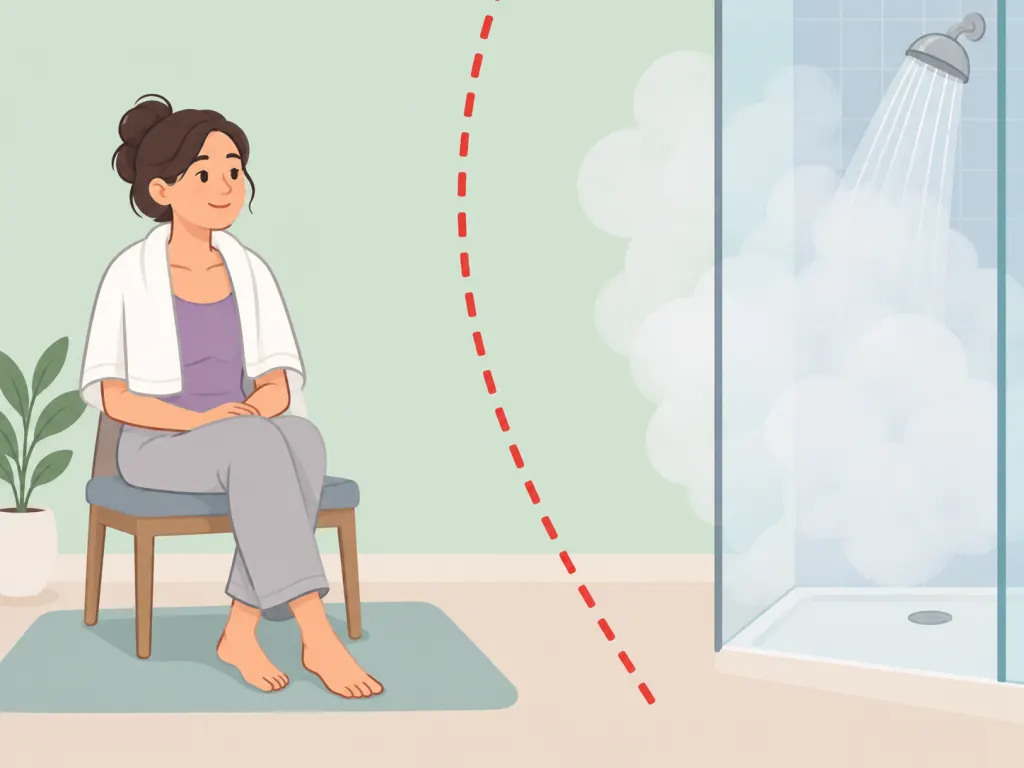
If your nose feels blocked, pair the warm drink with safer moisture habits rather than leaning over a bowl of very hot water. MedlinePlus says keeping mucus thin can help it drain and suggests steam from a bathroom shower, a humidifier, or saline, while warning not to inhale hot steam directly.
Step 7: Keep any humidifier clean
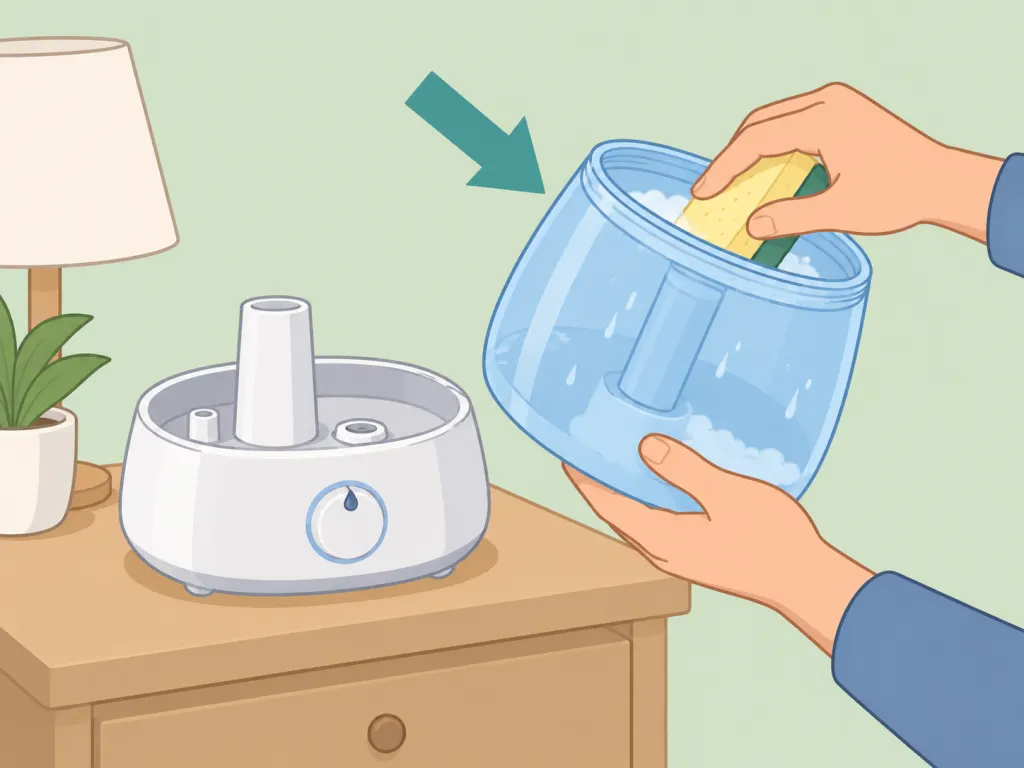
If you use a humidifier, choose cool mist, keep it several feet from the bed, and clean it according to the instructions. MedlinePlus humidifier guidance warns that dirty or overused humidifiers can encourage bacteria, mold, or too much indoor dampness.
Step 8: Seek medical help for warning signs

Contact a doctor promptly if breathing is hard, symptoms worsen after improving, symptoms last more than 10 days without improvement, fever lasts more than 4 days, or a chronic condition gets worse. MedlinePlus also advises contacting a provider for concerning congestion signs such as facial swelling, bad-smelling one-sided discharge, or cough with colored mucus that lasts longer than 10 days.
Wrap-Up
The bottom line: sage tea can be a cautious warm-drink comfort step, but mucus care should also include fluids, safe moisture, clean preparation, and attention to warning signs. Use sage in ordinary food-style amounts and ask a qualified professional when your situation is not straightforward.
Frequently Asked Questions
- → Does sage tea clear mucus?
There is limited evidence for sage as a health product, so it is best viewed as a warm comfort drink. For mucus and congestion, trusted health sources more consistently recommend fluids, rest, humidified air, saline, and watching for warning signs.
- → Can I use dried sage instead of fresh sage?
Yes, dried culinary sage can be used for a mild herbal tea. Use a small food-style amount, strain it well, and avoid concentrated oils or extracts unless a qualified professional has said they are appropriate for you.
- → Is steam from sage water a good idea?
Direct steam from a bowl of hot water can cause burns. If moisture helps, use a cool-mist humidifier according to its instructions or sit in a steamy bathroom away from direct hot water.
- → Can I add honey or lemon?
Adults and older children may choose honey or lemon for taste. Do not give honey to a child younger than 12 months because of the risk of infant botulism.
- → How long should I keep using sage tea?
Use it only briefly and in ordinary culinary amounts. If symptoms are not improving, are getting worse, or keep returning, stop relying on home comfort steps and contact a qualified health professional.
- → When should mucus or congestion be checked by a doctor?
Get medical help for trouble breathing, symptoms that last more than 10 days without improvement, fever lasting more than 4 days, symptoms that improve and then worsen, or any worsening chronic condition.
References
This content was developed and refined using reliable sources.
- https://www.nccih.nih.gov/health/sage
- https://medlineplus.gov/commoncold.html
- https://www.nhs.uk/conditions/common-cold
- https://www.medlineplus.gov/ency/article/002104.htm
- https://www.fda.gov/food/buy-store-serve-safe-food/selecting-and-serving-produce-safely
- https://www.cdc.gov/infant-toddler-nutrition/foods-and-drinks/foods-and-drinks-to-avoid-or-limit.html
- https://medlineplus.gov/ency/article/003049.htm
- https://medlineplus.gov/ency/patientinstructions/000466.htm