 Save
The most useful answer is this: an evening shower should be comfortable, warm, and unhurried, not extremely hot, prolonged, or taken while lightheaded. The concern is not that showering itself is a proven nighttime stroke trigger. It is that heat, dehydration, standing quickly, slippery floors, and delayed response to warning signs can overlap in the bathroom, especially for older adults. Stroke symptoms can come on suddenly and need emergency help; MedlinePlus lists sudden weakness, confusion, vision trouble, trouble walking, dizziness, loss of balance, and a severe unexplained headache among warning signs that should prompt immediate action https://medlineplus.gov/stroke.html.
Why the claim needs a calmer explanation
Online posts often turn a small safety issue into a frightening rule: never shower at a certain hour, never use hot water, or expect a hidden danger after bedtime. That is not a careful way to talk about stroke. Stroke is a medical emergency involving interrupted blood flow or bleeding in the brain, and its major risk factors include age, heart disease, diabetes, smoking, family history, and high blood pressure, according to MedlinePlus https://medlineplus.gov/stroke.html. Those established factors matter much more than the clock time of a shower.
Still, the bathroom deserves respect. A shower combines warm water, standing, wet surfaces, turning, reaching, and stepping over an edge or threshold. For someone who already has balance problems, dehydration, medication side effects, or symptoms that have not yet been recognized, that setting can make an ordinary routine less forgiving. The better question is not, “Will a shower cause a stroke tonight?” It is, “How can I make a nightly shower less physically stressful and easier to exit safely?”
Heat, standing, and the dizzy-after-shower feeling
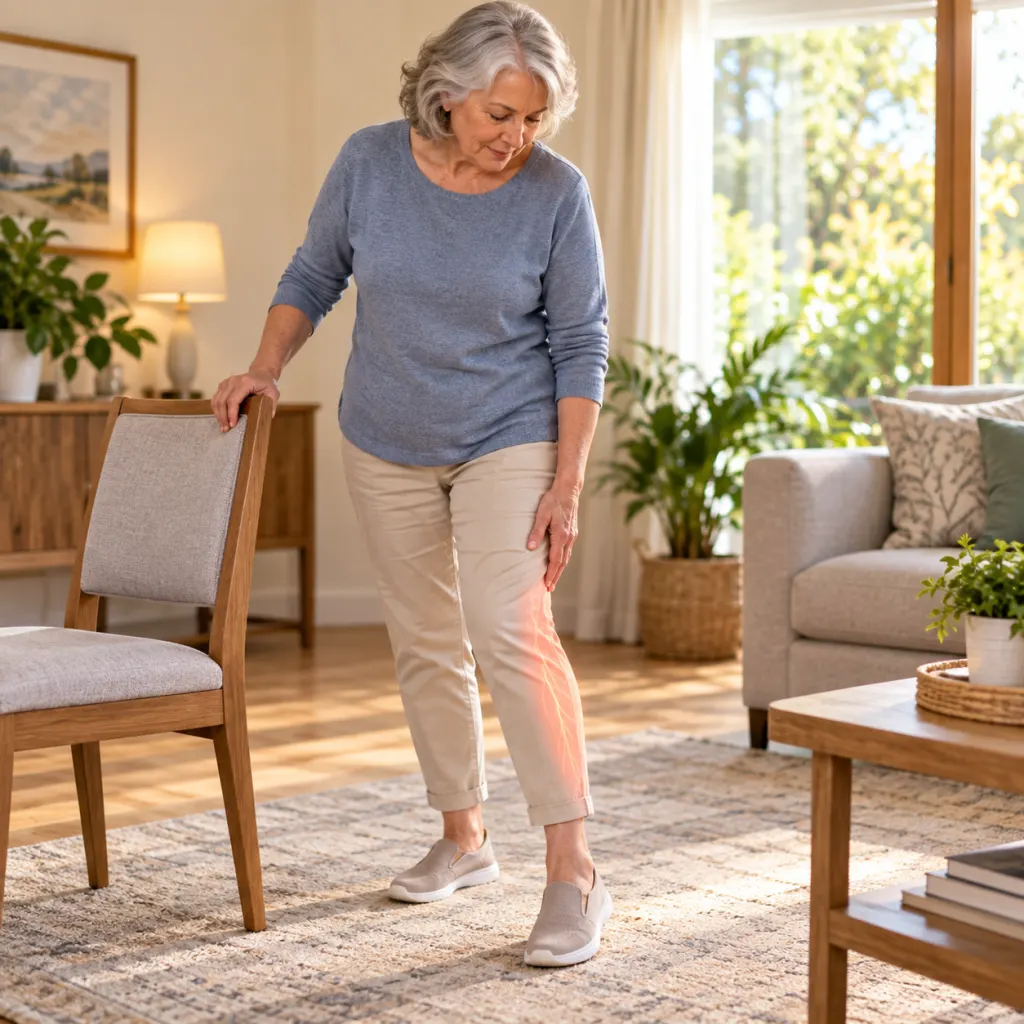
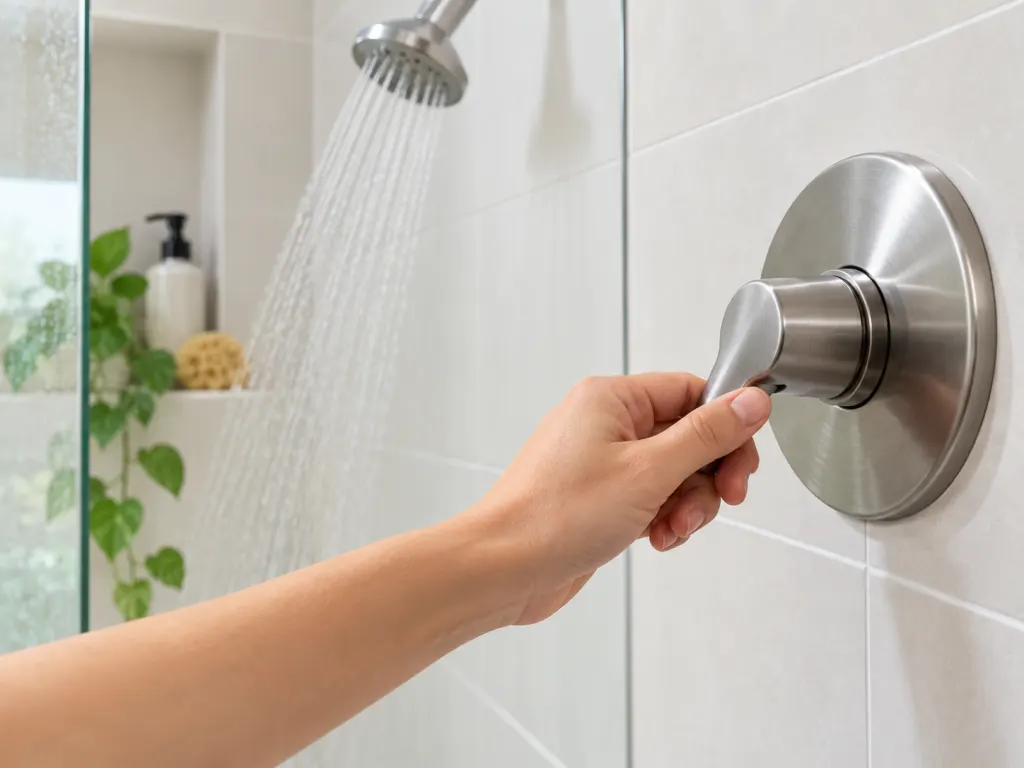
Very hot water can make some people feel drained, flushed, weak, or unsteady. Mayo Clinic explains that orthostatic hypotension can cause dizziness or fainting when standing, and that risk is more common after age 65, with certain heart conditions, nervous system conditions, diabetes, some medicines, dehydration, and heat exposure https://www.mayoclinic.org/diseases-conditions/orthostatic-hypotension/symptoms-causes/syc-20352548. An NHS hospital patient guide similarly lists getting out of a warm bath as a situation that can bring on postural hypotension symptoms https://www.southtees.nhs.uk/resources/postural-hypotension/.
That does not mean every warm shower is unsafe. It means the body may need a little time to adjust when heat, steam, and standing are combined. A practical routine is to use warm water rather than very hot water, keep the bathroom ventilated enough that steam does not feel overwhelming, and pause before stepping out. If you feel lightheaded, sit down if possible and avoid trying to “push through” while standing on a wet surface.
Habits that can make an evening shower harder on the body
The habits most worth changing are ordinary ones. They are not dramatic, but they can stack together at night when people are tired. Consider adjusting these patterns:
- Taking very hot, steamy showers: Warm is usually enough for comfort, and extreme heat can leave some people feeling weak or dizzy.
- Standing still too long: A shower chair can help people who tire easily, feel unsteady, or need to wash slowly.
- Rushing out immediately: Give yourself a few moments before stepping onto the floor, especially if you feel lightheaded.
- Showering after alcohol: Alcohol can affect balance and judgment, which matters around wet floors and hard surfaces.
- Skipping fluids all evening: MedlinePlus notes that older adults are more likely to become dehydrated and that dizziness can be one symptom https://medlineplus.gov/dehydration.html.
- Ignoring new symptoms: Sudden face, arm, speech, vision, walking, or severe headache symptoms are not shower-related inconveniences; they need emergency evaluation.
A helpful rule is to make the shower easier before you are tired. Put the towel where you can reach it without twisting. Keep soap and shampoo between shoulder and waist height. Use a handheld showerhead if reaching upward makes you unsteady. Turn on a night light for late showers so the path back to bed is visible. These changes are simple, but they reduce the number of small balance challenges packed into a few minutes.

Bathroom injury risk is real, even when stroke is not the main issue
The strongest evidence around bathrooms is about injuries, especially falls. A CDC analysis of nonfatal bathroom injuries found that most were caused by falls, and that bathing, showering, and getting out of the tub or shower were among the most hazardous activities https://www.cdc.gov/mmwr/preview/mmwrhtml/mm6022a1.htm. For older adults, that makes the exit from the shower just as important as the shower itself.
Safety equipment should feel normal, not like a last resort. Grab bars should be fixed into the wall, not suction-cup handles relied on for full body weight. A nonslip mat or textured shower surface can help feet stay planted. A stable shower chair is useful when fatigue, arthritis, neuropathy, vision changes, or prior falls make standing for the whole shower feel uncertain. Good lighting matters because the most careful person can still misjudge a wet edge in a dim bathroom.
What the bathing-and-stroke research can and cannot say
Research on strokes that occur while bathing is limited and should be interpreted carefully. A 2017 study indexed in PubMed reviewed hospitalized stroke cases and found that a small portion occurred while bathing; the authors wrote that the retrospective study did not establish a causal relationship between bathing and stroke and called for more prospective research https://pubmed.ncbi.nlm.nih.gov/28341200/. That distinction matters. If a person has a stroke in a bathroom, the bathroom activity may be part of the timing, the discovery, or the circumstances, but it does not prove the shower caused the event.
This is why the safest editorial advice is modest. Avoid extreme heat. Avoid rushing. Make the environment stable. Do not shower alone at night if you already feel faint, confused, unusually weak, or newly unsteady. If you have repeated dizziness after showers, bring that pattern to a qualified clinician instead of trying to solve it with internet rules. The goal is not fear of bathing; it is noticing when a familiar routine has become physically harder than it used to be.
When symptoms are not just shower dizziness
Some after-shower sensations are mild and pass quickly, such as feeling warm, tired, or briefly lightheaded after standing in steam. Stroke warning signs are different because they are sudden, neurologic, and often one-sided or disruptive. The American Heart Association describes B.E. F.A.S.T. as a way to remember balance loss, eye or vision changes, face drooping, arm weakness, speech difficulty, and time to call emergency services https://newsroom.heart.org/facts/stroke. MedlinePlus also advises calling 911 right away if stroke is suspected https://medlineplus.gov/stroke.html.
Do not wait to see whether symptoms improve after lying down, drinking water, or sleeping. Do not drive yourself or ask someone to drive you if emergency medical services are available where you live. Note the time symptoms began, because timing can matter in emergency care. If the person is in the shower or bathroom, help them sit or lie in a safer position if you can do so without risking a fall, then call emergency services.
A practical evening shower routine
A safer evening routine can be short and ordinary. Set out a towel, robe, and nonslip footwear before turning on the water. Use warm water, not maximum heat. Keep the shower to a comfortable length, especially if the bathroom gets steamy. Wash while seated if standing feels tiring. Before stepping out, turn off the water, hold a stable support, and take a few slow breaths. Dry your feet before walking across tile. If you take medicines that make you dizzy, sleepy, or more likely to urinate, ask your clinician whether shower timing or fall precautions should be part of your home routine.
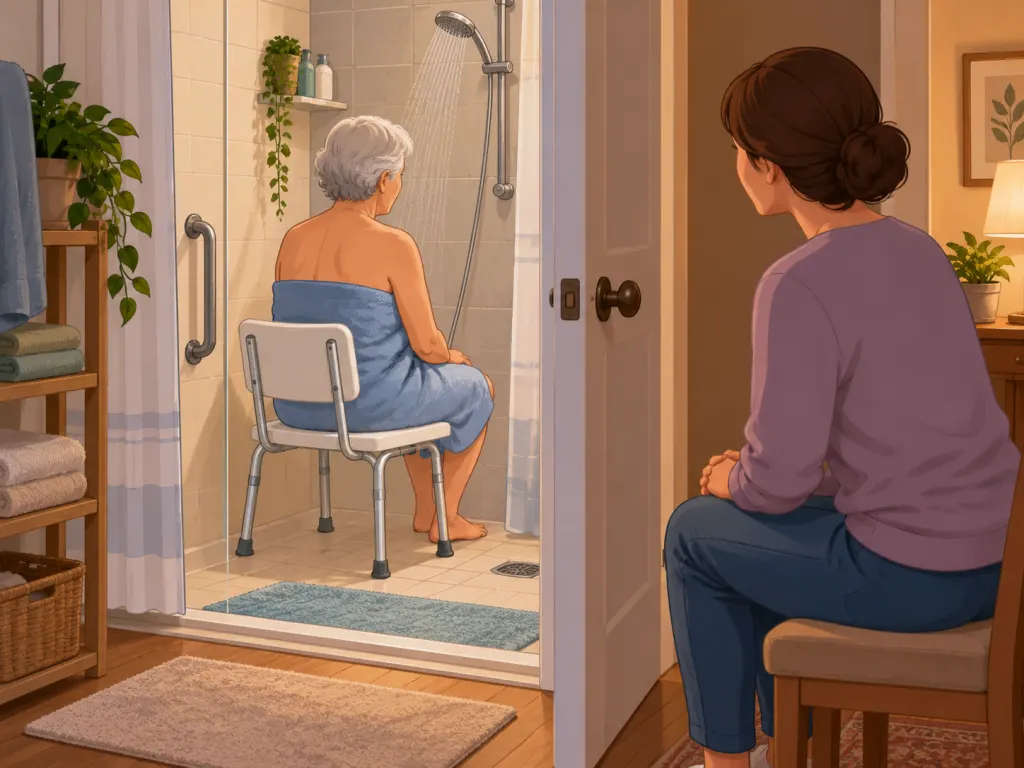
For caregivers, the best support is dignity plus design. Instead of warning someone that showers are dangerous, make the bathroom easier to use: clear clutter, check lighting, install grab bars, place products within reach, and leave a phone or alert device accessible outside the wet zone. If a person has had a prior stroke, recurrent falls, fainting episodes, or new weakness, individualized advice from a clinician or occupational therapist can be more useful than generic rules.
Bottom line for nighttime showers
There is no need to panic about showering at night. The evidence supports a calmer message: keep the routine moderate, make the room safer, and take sudden neurologic symptoms seriously. Very hot water, dehydration, rushing, poor lighting, and slippery surfaces are changeable conditions. Stroke warning signs are urgent conditions. Knowing the difference helps you protect comfort, independence, and response time without turning a normal hygiene routine into something frightening.
Wrap-Up
An evening shower is usually a normal, healthy part of the day, but it should not be treated as a test of endurance. For older adults and anyone prone to dizziness, the safest pattern is warm water, steady support, good lighting, a nonslip surface, and a slow exit. The bathroom is also a place where sudden stroke symptoms may be noticed, so face drooping, arm weakness, speech trouble, severe headache, vision changes, confusion, or sudden balance problems should lead to emergency help, not bedtime observation.
Frequently Asked Questions
- → Is it dangerous for older adults to shower at night?
Not usually. The concern is not the hour by itself. A nighttime shower can be harder if the person is tired, dehydrated, unsteady, using very hot water, or walking on a slippery floor in dim light. A warm, brief, well-supported shower is a more sensible goal than avoiding evening showers altogether.
- → What should I do if I feel dizzy after a shower?
Sit down if you can do so safely, avoid walking across wet flooring, and let someone nearby know what is happening. If dizziness is repeated, severe, linked with fainting, or comes with sudden weakness, speech trouble, vision change, confusion, severe headache, or balance loss, seek urgent help.
- → Are hot showers linked to stroke?
Research has described strokes that happened during bathing, but that does not prove the bathing caused the event. The more practical issue is that extreme heat, standing, and a quick exit can contribute to dizziness or falls in some vulnerable people. Moderate water temperature and stable supports are better everyday habits.
- → What bathroom changes help most for an older adult?
Good lighting, fixed grab bars, a nonslip shower surface, a stable shower chair when needed, reachable toiletries, and dry footwear outside the shower are the most practical changes. The CDC bathroom injury review found falls were the main source of nonfatal bathroom injuries, so the floor and exit area deserve special attention.
- → When should shower symptoms be treated as an emergency?
Call emergency services for sudden face drooping, arm weakness, speech trouble, confusion, severe unexplained headache, vision change, trouble walking, or sudden loss of balance. Do not wait for sleep or a home remedy when stroke warning signs are present.
References
This content was developed and refined using reliable sources.
- https://medlineplus.gov/stroke.html
- https://www.cdc.gov/mmwr/preview/mmwrhtml/mm6022a1.htm
- https://www.mayoclinic.org/diseases-conditions/orthostatic-hypotension/symptoms-causes/syc-20352548
- https://medlineplus.gov/dehydration.html
- https://pubmed.ncbi.nlm.nih.gov/28341200
- https://www.southtees.nhs.uk/resources/postural-hypotension
- https://newsroom.heart.org/facts/stroke