 Save
Drinking water properly is less about forcing a fixed number of glasses and more about matching fluids to your body, activity, and environment. This guide explains how to build a steady hydration routine, check whether it is working, and recognize when water alone may not be enough. It is a practical everyday guide, not a personal medical plan.
Step 1: Set a realistic daily fluid target
Start with a flexible goal instead of a rigid rule. The Mayo Clinic notes that fluid needs vary by factors such as age, activity level, health, environment, and weather, and the NHS describes 6 to 8 cups or glasses a day as a general guide rather than a rule for everyone. Count fluids from drinks and water-rich foods, not just plain water.
Step 2: Sip regularly through the day
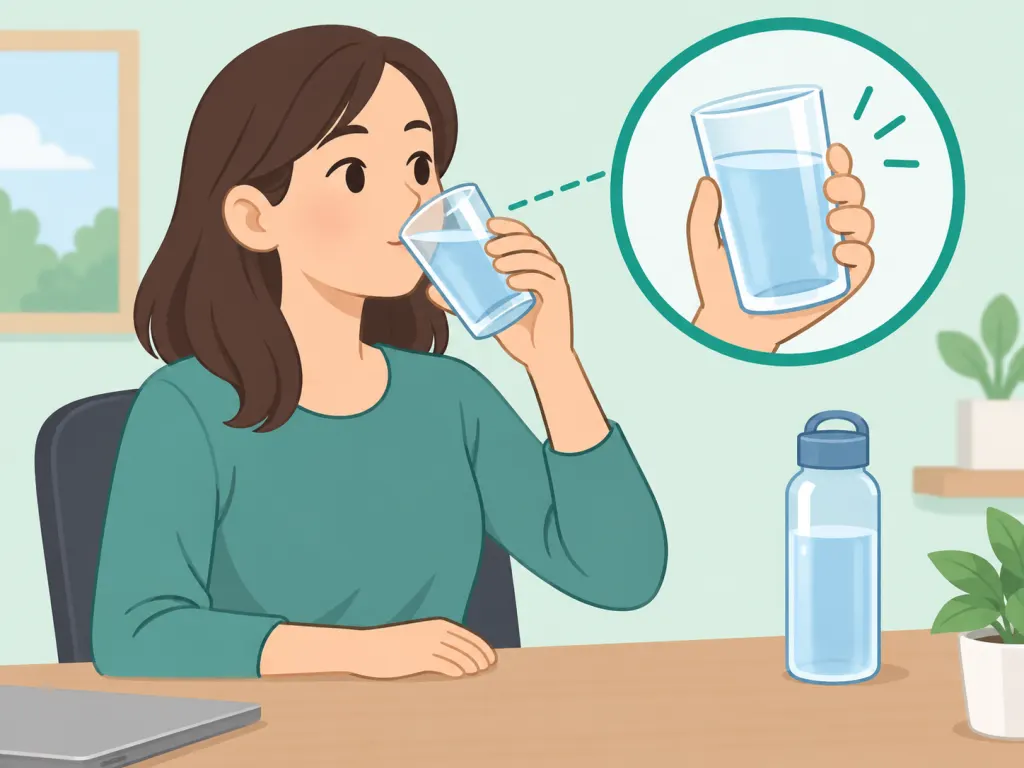
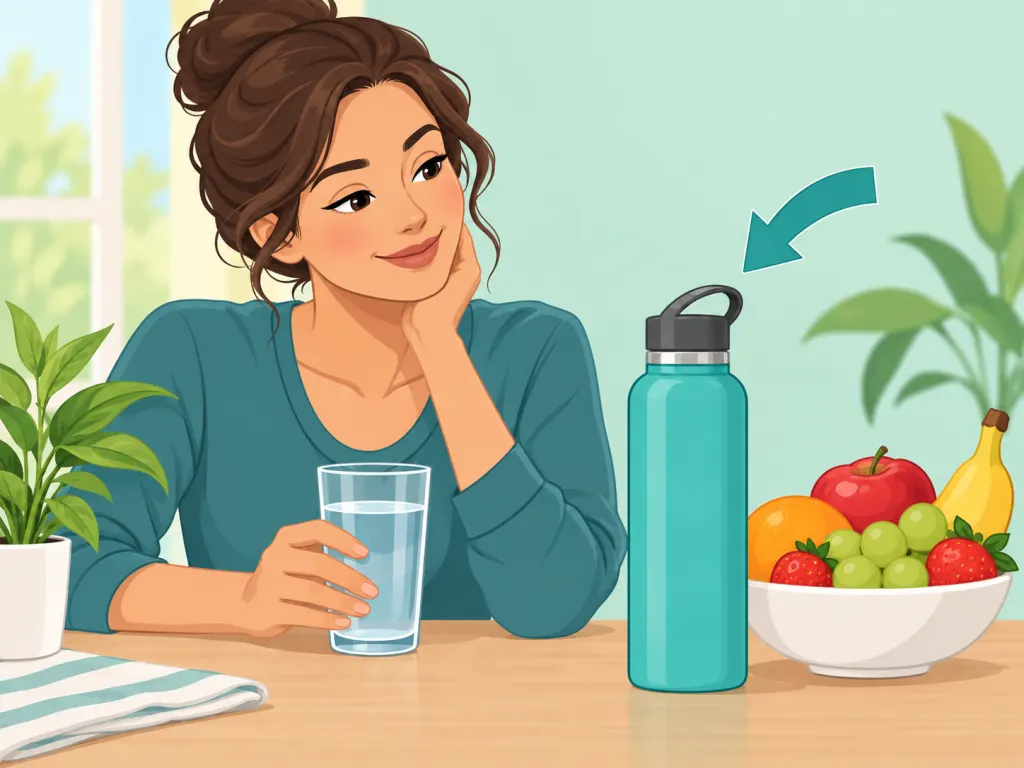
Build water into normal moments, such as after waking, with meals, during work breaks, and when you get home. The NHS recommends drinking regularly throughout the day, and this habit is easier to maintain than trying to catch up late at night. Keep a bottle or glass where you can see it so drinking becomes a routine cue.
Step 3: Drink with meals and around activity
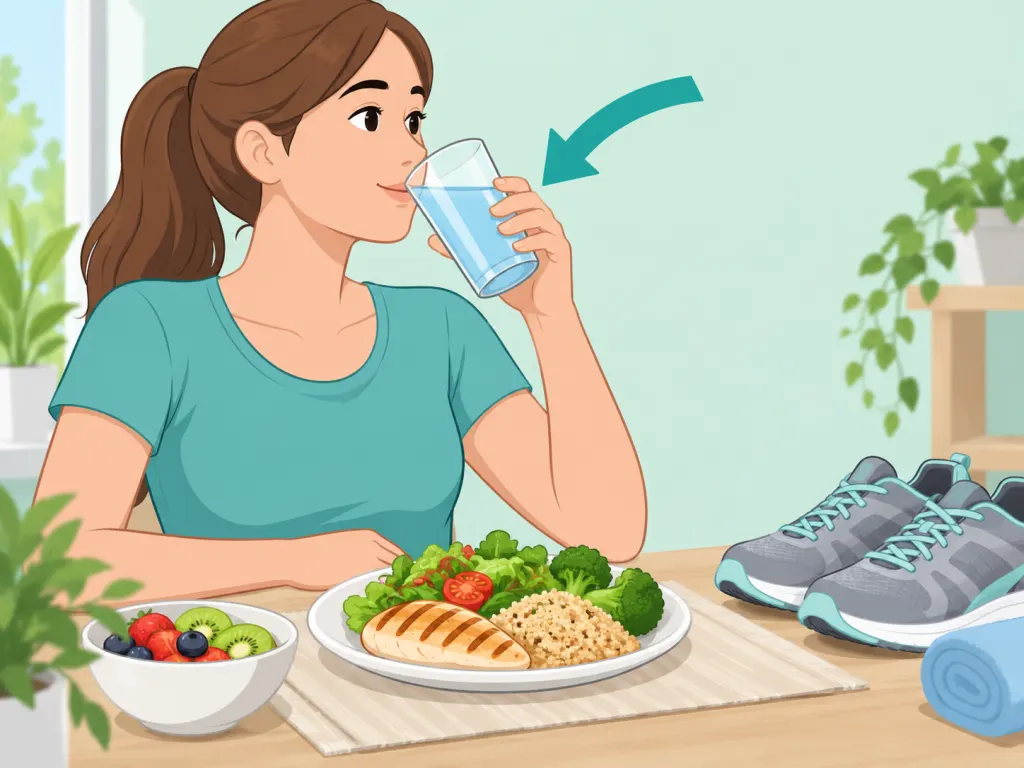
Have water with meals and add extra before, during, and after activities that make you sweat. CDC guidance explains that water supports normal body functions and that people often need more when they are physically active or in hot climates. For long or intense activity, listen to thirst and replace fluids steadily instead of waiting until you feel drained.
Step 4: Increase fluids when your body loses more
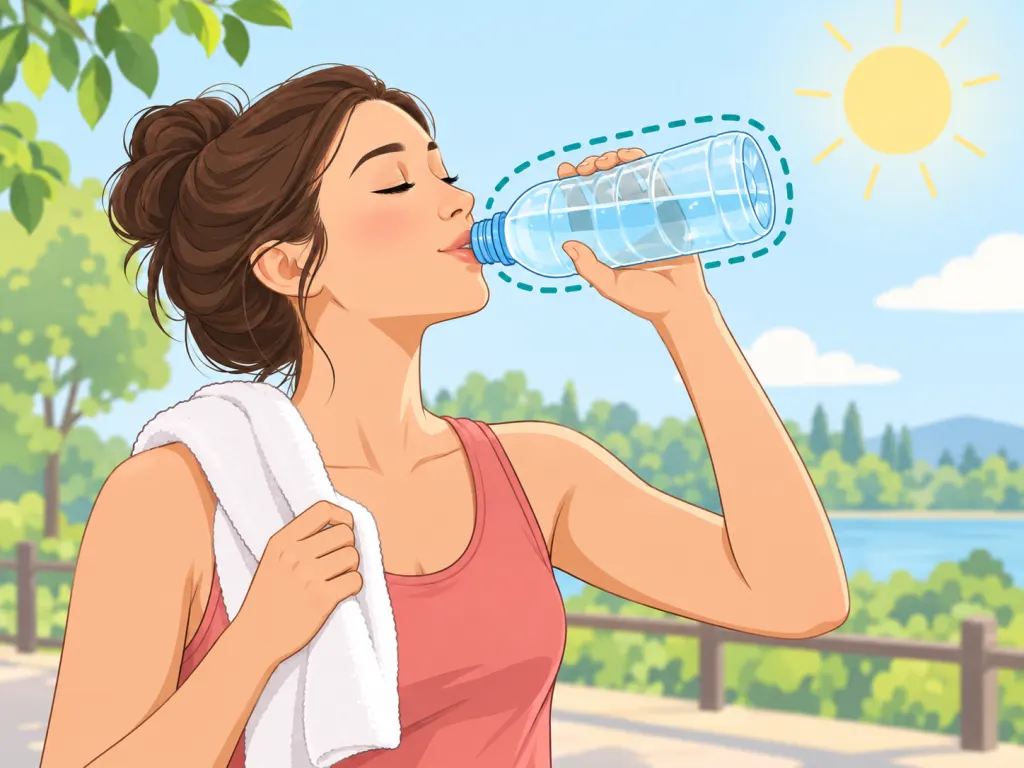
Drink more than usual when you are sweating, spending time in heat, running a fever, vomiting, or having diarrhea. The MedlinePlus dehydration guide lists vomiting, diarrhea, heavy sweating, fever, and not drinking enough fluids as common reasons the body can lose too much fluid. If you feel sick and cannot drink much, take small sips often rather than large gulps.
Check in with simple body cues: ongoing thirst, dry mouth, dark urine, or urinating less often can mean you need more fluids. NHS dehydration advice lists thirst, dark yellow urine, peeing less often, dizziness, tiredness, and dry mouth as possible signs of dehydration. Pale urine and not feeling thirsty often are practical signs that your routine may be working.
Step 6: Choose water as your main everyday drink
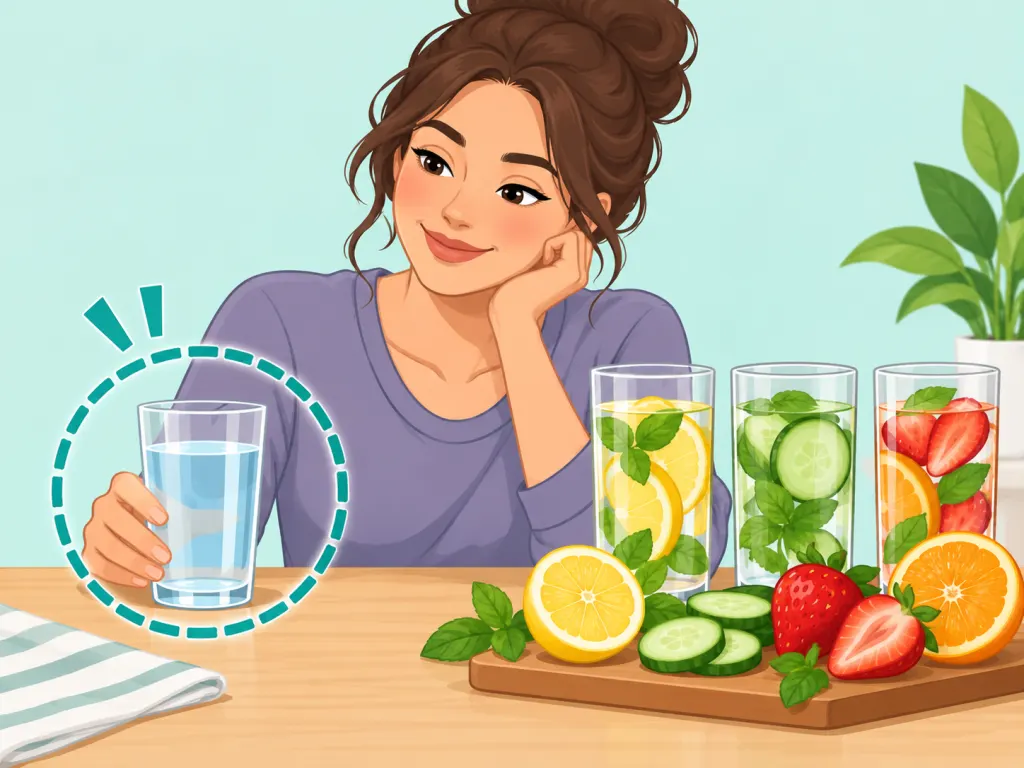
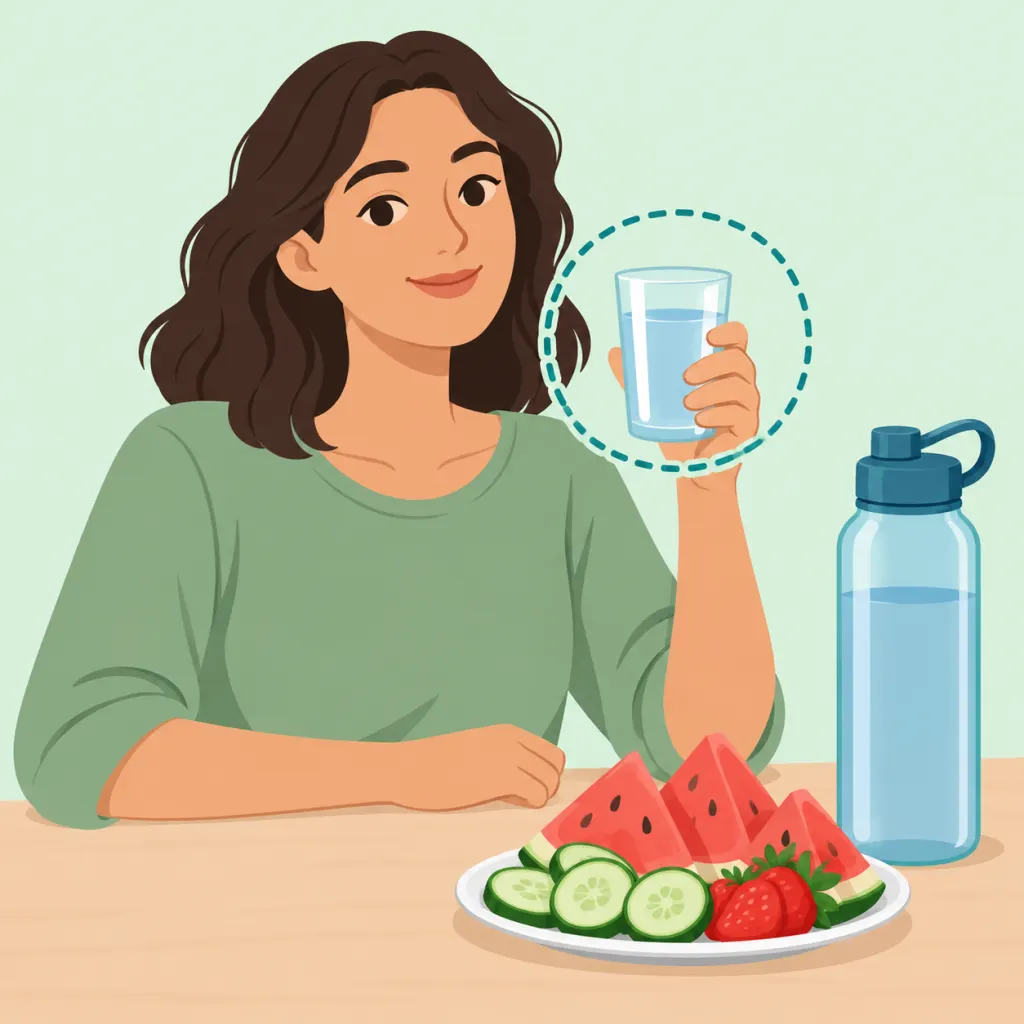
Make plain water your default most of the time, especially in place of sugary drinks. The CDC suggests choosing water instead of sugary drinks and flavoring it with lemon, lime, cucumber, or berries if you want a fresher taste. Sparkling water and unsweetened drinks can also fit, but check labels if a drink is flavored or sweetened.
Step 7: Avoid forcing large amounts
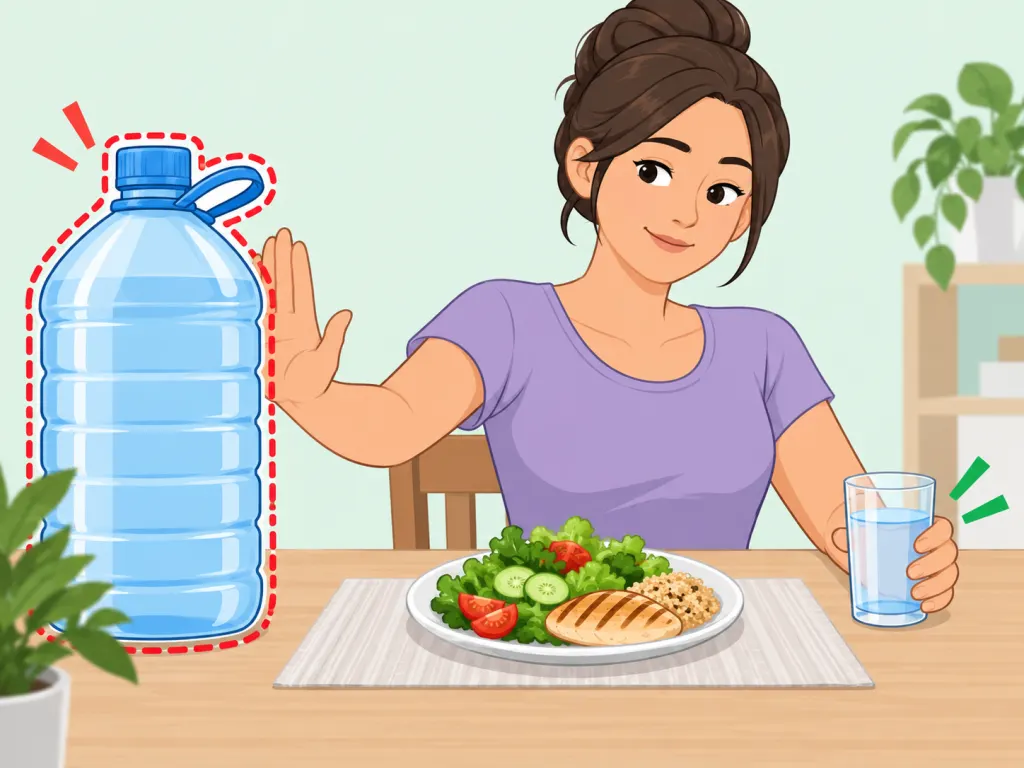
Do not pressure yourself to drink far beyond thirst or a sensible daily target. Mayo Clinic explains that drinking too much water is rare, but it can lower sodium levels, especially in some endurance-exercise situations. If a clinician has told you to limit fluids, follow that personal guidance.
Step 8: Get medical help for concerning signs
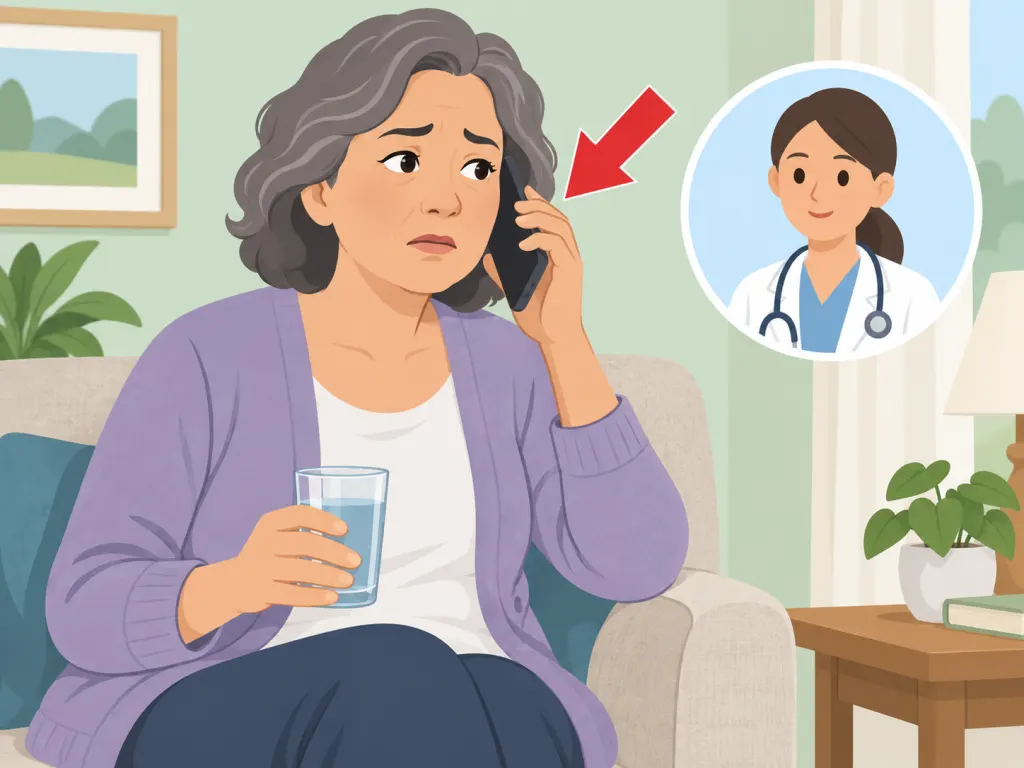
Seek urgent medical help if dehydration signs include confusion, fainting, very little or no urination, rapid heartbeat, rapid breathing, or symptoms that are not improving. MedlinePlus advises immediate help for severe symptoms, and the NHS recommends urgent help for serious dehydration signs. For babies, young children, older adults, pregnancy, or ongoing illness, contact a doctor or qualified health professional sooner.
Wrap-Up
The bottom line: drink regularly, use your body’s cues, and adjust for sweating, hot weather, and illness. Water is usually the best everyday choice, but persistent or severe dehydration signs deserve medical help.
Frequently Asked Questions
- → Is 8 cups of water a day enough?
It can be a useful memory aid, but it is not a perfect rule for everyone. Your needs can change with body size, activity, weather, health status, and what you eat and drink.
- → Should I drink water all at once or throughout the day?
For everyday hydration, drinking regularly through the day is easier on your routine and helps you respond to thirst before you feel very depleted. Keep water nearby and include it with meals and activity.
- → Do tea, coffee, and milk count toward fluid intake?
Yes, many drinks count toward daily fluids, including tea, coffee, and milk. Plain water is still a simple main choice because it has no sugar or calories.
- → What is the easiest way to tell if I am drinking enough?
Thirst and urine color are practical checks. Many people are likely getting enough fluid when they are not often thirsty and their urine is pale rather than dark.
- → Can I drink too much water?
Yes, although it is uncommon for healthy adults. Very large amounts of water in a short time can be risky, especially during long or intense exercise, so avoid forcing water beyond thirst and sensible replacement.
- → What can I do if I do not like plain water?
Try chilled water, sparkling water, or water flavored with lemon, lime, cucumber, or berries. Keep added sugar low if you choose flavored drinks.
References
This content was developed and refined using reliable sources.
- https://www.cdc.gov/healthy-weight-growth/water-healthy-drinks/index.html
- https://www.mayoclinic.org/healthy-lifestyle/nutrition-and-healthy-eating/in-depth/water/art-20044256
- https://medlineplus.gov/dehydration.html
- https://www.cdc.gov/nutrition/features/healthy-eating-tips.html
- https://www.nhs.uk/live-well/eat-well/food-guidelines-and-food-labels/water-drinks-nutrition
- https://www.nhs.uk/conditions/dehydration