 Save
The main takeaway is simple: medications for neuropathy in seniors should be chosen through a careful medication review, because the same medicine that eases nerve-related pain for one person may cause dizziness, sleepiness, swelling, constipation, or interaction concerns for another. Authoritative sources describe several drug classes that may be used for neuropathic pain, including antidepressants, anticonvulsants, and topical medicines, but they also stress that these medicines manage symptoms rather than reverse nerve damage. Older adults should bring their full medication list, kidney health information, and symptom pattern to a doctor or qualified health professional before making any change.
The short answer
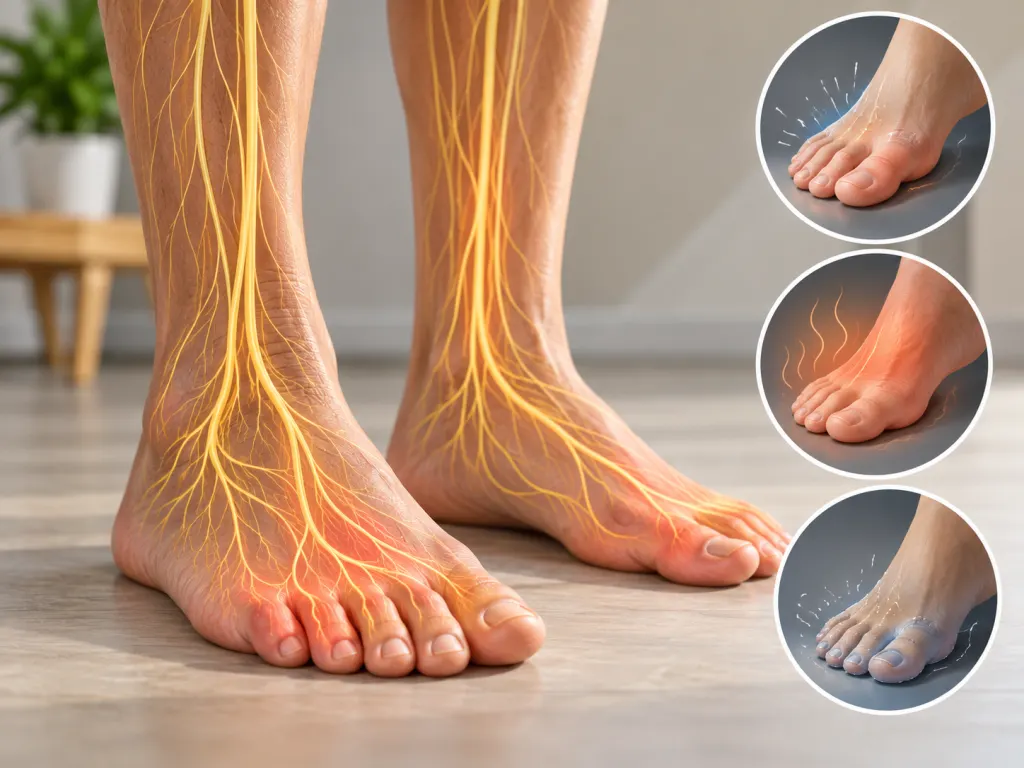
Neuropathy means damage or dysfunction involving peripheral nerves, often felt as burning, tingling, numbness, electric sensations, sensitivity to touch, weakness, or balance problems. The National Institute of Diabetes and Digestive and Kidney Diseases notes that diabetes-related peripheral neuropathy often affects the feet and legs and sometimes the hands and arms, and that clinicians may prescribe medicines such as certain antidepressants, gabapentin, pregabalin, and topical lidocaine for nerve pain symptoms. Those medicines can help some people feel more comfortable, but NIDDK also states that they do not change the nerve damage itself. Source: NIDDK peripheral neuropathy guide.
Why seniors need a more careful medication review
For seniors, the question is rarely just which drug can reduce nerve-related pain. It is also whether that drug fits safely with balance, memory, kidney function, blood pressure, breathing conditions, sleep quality, and every other prescription or over-the-counter product already being used. The American Geriatrics Society Beers Criteria are designed for adults 65 and older and highlight medicines or combinations that may be potentially inappropriate in certain situations. The 2023 criteria are meant to support shared clinical decision-making, not replace it, and they specifically include cautions about central nervous system effects, falls, certain antidepressants, and kidney-function adjustments for some medicines used in neuropathic pain care. Source: 2023 AGS Beers Criteria.
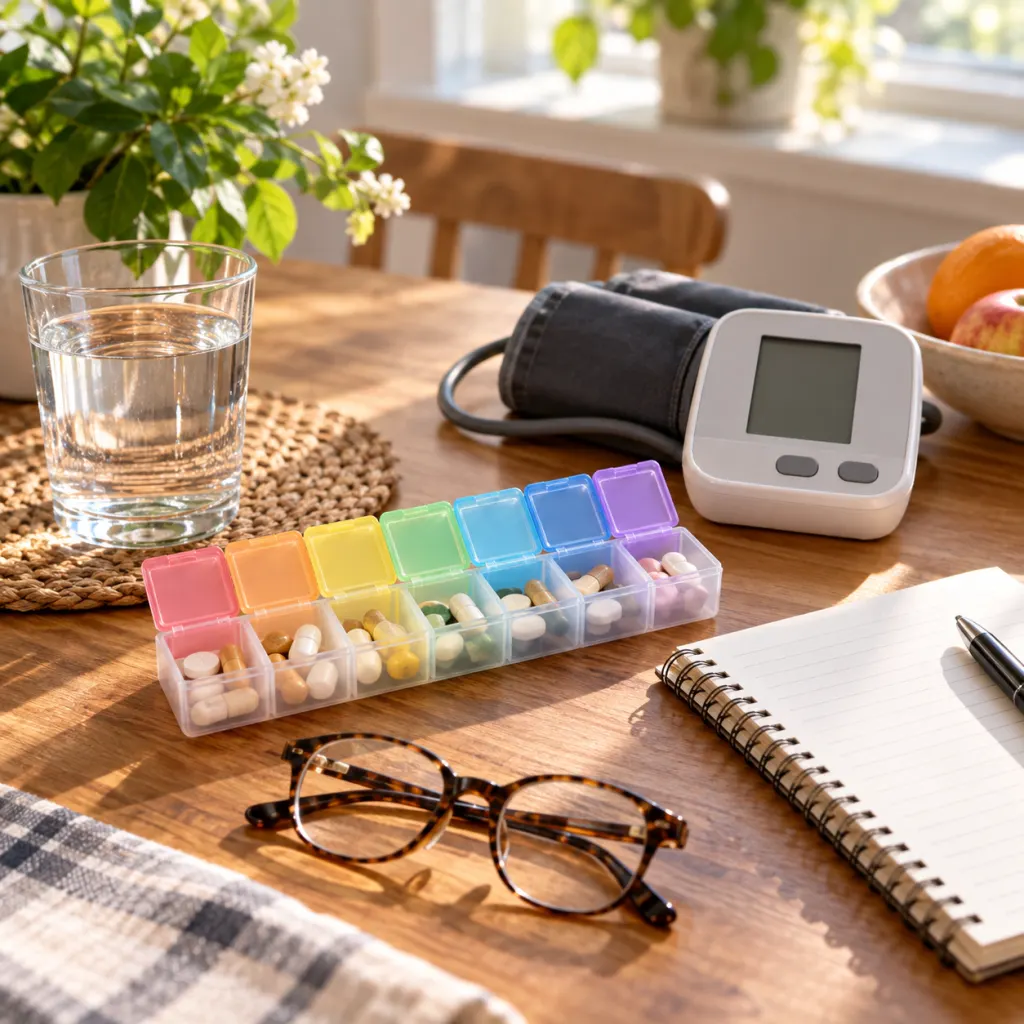
A useful visit starts with the practical facts. Bring the medication bottles or an updated list, including sleep aids, allergy pills, mood medicines, pain relievers, supplements, and any products borrowed from a spouse or friend. Tell the clinician where the symptoms are, what they feel like, what time of day they are worst, whether numbness affects walking, and whether any falls or near-falls have happened. Also ask whether blood tests, foot checks, diabetes management, vitamin B12 assessment, thyroid testing, or other evaluation is needed, because Mayo Clinic describes peripheral neuropathy diagnosis as a process that may include medical history, neurological exam, blood tests, nerve studies, and other tests depending on the person. Source: Mayo Clinic diagnosis and treatment overview.

Common oral medicines clinicians may discuss
Several oral medicines come up often in neuropathy conversations, but they are not interchangeable. Duloxetine and venlafaxine are serotonin and norepinephrine reuptake inhibitors, often shortened to SNRIs. They may be discussed when nerve-related pain is persistent, especially when diabetes-related neuropathy is part of the picture. Gabapentin and pregabalin are anticonvulsant medicines that can quiet overactive nerve signaling for some people. Tricyclic antidepressants such as amitriptyline and nortriptyline may also be discussed, although older adults often need extra caution because this class can cause anticholinergic effects such as dry mouth, constipation, blurred vision, urinary problems, confusion, sleepiness, and dizziness in susceptible people.
For an older adult, the comparison should be framed around tradeoffs, not rankings. A person whose main problem is nighttime burning in both feet may need a different discussion from someone whose main concern is one small painful patch on the leg. A person with reduced kidney function may need a different plan from someone with normal kidney function. A person already taking opioids, benzodiazepines, sleep medicines, or several mood medicines needs a closer interaction review. The FDA warns that serious breathing difficulties may occur with gabapentin or pregabalin in people with respiratory risk factors, including opioid use, other central nervous system depressants, chronic obstructive pulmonary disease, and older age. Source: FDA gabapentin and pregabalin safety communication.
- Duloxetine: often discussed for diabetes-related nerve pain; ask about nausea, sleepiness, dizziness, blood pressure considerations, and other medicines that affect mood or bleeding risk.
- Venlafaxine: another SNRI sometimes considered; ask whether blood pressure, withdrawal symptoms, or interactions make it a good or poor fit.
- Gabapentin: commonly discussed for nerve pain; ask about sleepiness, dizziness, swelling, kidney function, and fall risk.
- Pregabalin: similar conversation to gabapentin; ask about balance, swelling, sleepiness, breathing-risk factors, and cost or coverage.
- Amitriptyline: may reduce nerve-related pain for some people but is often harder for seniors to tolerate because of anticholinergic and sedating effects.
- Nortriptyline: sometimes considered within the same family as amitriptyline, but still requires caution in older adults.
- Lidocaine topical products: may be useful when symptoms are localized and the goal is fewer whole-body effects.
- Capsaicin topical products: may be discussed for limited areas of pain, though skin burning or irritation can limit use for some people.
Topical options can be useful when symptoms are localized
Topical medicines deserve special attention for seniors because they may offer targeted symptom management with less whole-body exposure than many oral medicines. Lidocaine creams or patches are applied to the skin over a painful area. Capsaicin creams or patches are also used for some localized neuropathic pain patterns. MedlinePlus lists topical agents such as capsaicin and Lidoderm among options that may be useful for more limited areas of pain, while also noting that no current medicine reverses loss of sensation. Source: MedlinePlus neuropathy secondary to drugs.

What medication can and cannot do
Medication can be part of neuropathy symptom management, but it is not the whole plan. It may reduce burning, stabbing, or tingling sensations enough to improve sleep, walking confidence, or daily function. It may not restore normal feeling in numb feet, rebuild damaged nerves, or fix the underlying cause. That distinction matters because numbness can remain dangerous even when pain feels better. A senior who cannot reliably feel the floor, heat, pressure, or a small foot injury still needs foot checks, sensible footwear, fall-risk review, and prompt attention to sores, swelling, color changes, or new weakness.
For diabetes-related neuropathy, the underlying care plan may include glucose, blood pressure, and lipid goals, foot exams, and foot protection. For other neuropathies, the workup may look for vitamin deficiency, thyroid disease, kidney disease, alcohol-related injury, medication-related causes, autoimmune disease, infections, nerve compression, or no clear cause. This is why copying another person’s medication plan is risky. Two people can have similar burning feet and still need very different evaluations.
A better appointment checklist
Before the appointment, write a one-week symptom note rather than trying to remember everything in the exam room. Include where symptoms occur, whether they are burning, tingling, numb, stabbing, cold, tight, or hypersensitive, what worsens them, what helps, whether symptoms disturb sleep, and whether walking feels less steady. Bring a list of falls, near-falls, dizziness, confusion, constipation, urinary changes, swelling, and daytime sleepiness. These details help the clinician weigh benefit against burden.
Useful questions include: What is the most likely cause of my neuropathy? Are there tests we should do before changing medicine? Which option has the lowest risk with my current medication list? Should kidney function affect the plan? What side effects should make me call? How soon should we review whether this is helping? What should I do if I miss a medicine or feel too sleepy? Is a topical option reasonable for the exact area that bothers me? These questions keep the conversation concrete and make it easier to stop an unhelpful plan before side effects pile up.
When to seek prompt medical attention
New or rapidly worsening weakness, a sudden change in walking, new loss of bladder or bowel control, severe dizziness, confusion, fainting, slowed or difficult breathing, or an infected-looking foot wound needs timely medical attention. People using gabapentin or pregabalin with opioids, sleep medicines, alcohol, or lung disease should be especially alert for unusual sleepiness or breathing changes because the FDA identifies older adults and people with respiratory risk factors as higher-risk groups. A clinician can help decide whether symptoms are from neuropathy, a medicine side effect, another condition, or a combination.
The practical bottom line
The best neuropathy medication conversation for a senior is personal, slow, and safety-aware. It starts with the cause of neuropathy and the exact symptom that needs improvement. It then checks other medicines, kidney function, fall risk, breathing risk, sleepiness, constipation, mood history, cost, and the person’s own goals. Oral medicines such as duloxetine, venlafaxine, gabapentin, pregabalin, amitriptyline, and nortriptyline may be part of the discussion. Topical lidocaine or capsaicin may be better suited for smaller painful areas. The right question is not which medicine is strongest; it is which option gives a realistic chance of useful relief with the least added risk for this specific older adult.
Wrap-Up
Neuropathy medications in seniors require individualized review. Common options include SNRIs, gabapentin or pregabalin, selected tricyclic antidepressants, and topical lidocaine or capsaicin. Older adults should review side effects, kidney function, falls, breathing risks, other prescriptions, and realistic goals with a qualified clinician before changing any medication plan.
Frequently Asked Questions
- → Which neuropathy medication is best for seniors?
There is no single best choice for every senior. Clinicians usually compare the likely cause of neuropathy, symptom pattern, kidney function, balance and fall risk, breathing risk, other medicines, and the person’s goals before choosing an option.
- → Are gabapentin and pregabalin safe for older adults?
They may be appropriate for some older adults, but they need careful review. Important concerns include sleepiness, dizziness, swelling, kidney function, falls, and breathing risk, especially when combined with opioids or other sedating medicines.
- → Can topical lidocaine or capsaicin be enough?
Sometimes, especially when symptoms are limited to a small area. Topical options may reduce whole-body side effects, but they can still irritate skin or be unsuitable for certain areas, so the plan should be reviewed with a qualified clinician.
- → Do neuropathy medicines restore numb feet?
Medicines used for neuropathy symptoms are mainly aimed at reducing uncomfortable nerve-related pain signals. They may not restore lost sensation, so foot checks, safe footwear, and fall-risk attention remain important.
- → What should seniors bring to a neuropathy medication visit?
Bring a full medication and supplement list, symptom notes, fall history, kidney function information if available, diabetes records if relevant, and a list of side effects or concerns such as dizziness, confusion, constipation, swelling, or daytime sleepiness.
References
This content was developed and refined using reliable sources.
- https://www.niddk.nih.gov/health-information/diabetes/overview/preventing-problems/nerve-damage-diabetic-neuropathies/peripheral-neuropathy
- https://www.mayoclinic.org/diseases-conditions/peripheral-neuropathy/diagnosis-treatment/drc-20352067
- https://www.fda.gov/safety/medical-product-safety-information/neurontin-gralise-horizant-gabapentin-and-lyrica-lyrica-cr-pregabalin-drug-safety-communication
- https://agsjournals.onlinelibrary.wiley.com/doi/epdf/10.1111/jgs.18372
- https://medlineplus.gov/ency/article/000700.htm