 Save
Frequent urination is not one diagnosis. It is a clue. It may be as simple as drinking more fluids or having more caffeine than usual, but it can also point to a urinary tract infection, overactive bladder, diabetes, prostate problems, pregnancy-related changes, or a medicine effect. MedlinePlus defines frequent urination as needing to urinate more often than usual, and notes that nighttime waking to urinate is called nocturia https://medlineplus.gov/ency/article/003140.htm. The useful question is not only how often you go, but what changed, what comes with it, and whether it is disrupting sleep, work, or daily life.
First, Notice the Pattern
Many people use “frequent urination” to describe several different experiences. One person may produce a large amount of urine each time. Another may feel a constant urge but pass only a small amount. Someone else may mainly wake at night. Those patterns can point in different directions, which is why a simple bathroom diary can be more useful than guessing. MedlinePlus suggests recording the times you urinate and the amount you produce, then bringing that record to a health visit https://medlineplus.gov/ency/article/003140.htm.
A practical diary does not need to be complicated. For two or three typical days, note the time you urinate, whether the urge was sudden, whether you woke from sleep, whether there was burning or discomfort, whether urine looked cloudy or bloody, and what you drank in the few hours before. Also record leakage, trouble starting, a weak stream, or a feeling that the bladder did not empty. These details help separate a fluid-volume issue from a bladder-storage issue, and they make a later conversation with a clinician far more precise.

Everyday Causes Can Still Be Disruptive
Sometimes the explanation is behavioral or temporary. Drinking more water late in the day, increasing coffee or tea, drinking alcohol, or changing an exercise routine can alter bathroom frequency. MedlinePlus lists caffeine intake and alcohol use among possible contributors, and the National Institute of Diabetes and Digestive and Kidney Diseases notes that alcohol, caffeinated drinks, carbonated beverages, and some medicines can contribute to bladder control symptoms https://www.niddk.nih.gov/health-information/urologic-diseases/bladder-control-problems/symptoms-causes. If the timing clearly matches a new habit, reducing late-day bladder irritants and watching the pattern for a short period may clarify what is happening.
When It Feels Urgent or Painful
A urinary tract infection is one of the best-known reasons for a sudden increase in bathroom trips. MedlinePlus lists pain or burning when urinating, an urge to urinate often, pressure in the lower belly, urine that smells bad or looks cloudy or reddish, and pain in the back or side below the ribs as possible UTI signs https://medlineplus.gov/urinarytractinfections.html. UTIs can affect people of any age or sex, although they are more common in women. Because infection is only one possibility, and because similar symptoms can come from other urinary conditions, new burning, fever, back or side pain, shaking chills, or blood in the urine deserves prompt professional care.
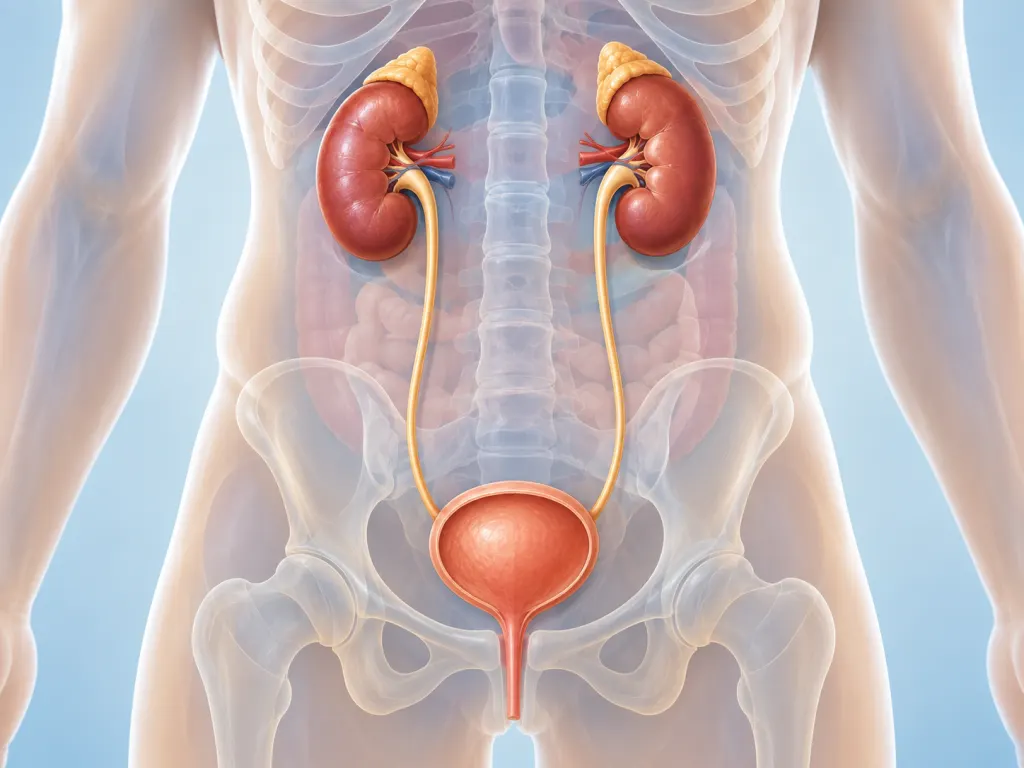
Overactive Bladder Is About Urgency, Not Just Frequency
Overactive bladder can cause sudden urges that are hard to control, frequent urination during the day or night, and sometimes unintended urine loss. Mayo Clinic describes overactive bladder as involving sudden urges, urinating often, and waking more than twice a night to urinate https://www.mayoclinic.org/diseases-conditions/overactive-bladder/symptoms-causes/syc-20355715. This pattern can affect errands, work, sleep, social plans, and confidence. It is also not simply “normal aging.” Older adults may experience it more often, but a disruptive urinary pattern is still worth discussing, especially if it is new or changing.
Overactive bladder symptoms can overlap with other problems, including urinary tract infection, diabetes, bladder stones, neurologic conditions, constipation, incomplete bladder emptying, caffeine or alcohol use, and an enlarged prostate. That overlap matters. A person may assume they have a sensitive bladder when the real issue is infection, glucose-related urine volume, or an obstruction pattern. A clinician may ask about timing, fluid intake, leakage, pelvic symptoms, medicines, and whether the bladder seems to empty fully before deciding what evaluation makes sense.
High Urine Volume Can Point Beyond the Bladder
Frequent trips are sometimes caused by making more urine, not by a bladder that feels full too early. MedlinePlus explains that excessive urination in adults is often defined as more than 2.5 liters of urine per day, while also noting that this depends on fluid intake and body water balance https://medlineplus.gov/ency/article/003146.htm. Diabetes mellitus, diabetes insipidus, high fluid intake, kidney disease, and certain medicines are among possible causes of higher urine volume. This is why estimating amount matters. Passing a few drops every hour is different from repeatedly passing a full bladder.
Diabetes is one important possibility when frequent urination comes with increased thirst, fatigue, increased hunger, blurry vision, frequent infections, or weight loss without trying. The CDC lists frequent urination, increased thirst and hunger, fatigue, blurry vision, and weight loss without trying among symptoms that can occur with type 1 and type 2 diabetes https://www.cdc.gov/diabetes/signs-symptoms/index.html. Those symptoms do not prove diabetes, but they do make it important to seek medical evaluation rather than treating the pattern as a minor inconvenience.

Prostate, Pregnancy, and Pelvic Changes Can Shift Urination
For people with a prostate, an enlarged prostate can press on the urethra and change urine flow. The NIDDK notes that prostate problems may cause frequent bathroom trips, urgency, dribbling, weak stream, trouble starting or maintaining flow, inability to empty the bladder, and waking often to urinate during sleep https://www.niddk.nih.gov/health-information/urologic-diseases/prostate-problems. A weak stream plus nighttime frequency is different from simply drinking tea before bed. It suggests that the bladder may be working against an outlet problem or may not be emptying fully.
Pregnancy can also change urinary patterns because of hormonal shifts, increased blood volume, and pressure from the growing uterus. Pelvic floor changes after childbirth, menopause-related changes, and pelvic organ support changes can also influence urgency or leakage. NIDDK lists pregnancy, childbirth, menopause, and prostate problems among life events or health factors that can contribute to bladder control problems https://www.niddk.nih.gov/health-information/urologic-diseases/bladder-control-problems/definition-facts. These changes are common, but common does not mean they should be ignored when they are bothersome or worsening.
Red Flags That Should Not Wait
Some urinary changes call for quicker attention because they may signal infection, blockage, kidney involvement, or another condition that needs evaluation. Seek prompt medical care if any of the following are present:
- You cannot pass urine or cannot empty your bladder.
- You see blood in the urine, or urine is cloudy with a strong new odor.
- You have fever, shaking chills, vomiting, or back or side pain.
- There is burning with urination, pelvic discomfort, or new discharge.
- You have increased thirst, fatigue, increased appetite, or unexplained weight change.
- You wake repeatedly at night to urinate and the pattern is new or worsening.
- You change routines, avoid activities, or lose sleep because of urinary symptoms.
What a Clinician May Ask or Check
A health professional will usually start with the story: when the change began, whether it is daytime or nighttime, what you drink, which medicines or supplements you use, whether there is pain or leakage, and whether you feel empty after urinating. Depending on the pattern, common next steps may include a urine test, urine culture, review of medicines, blood testing for glucose or kidney-related concerns, pelvic or prostate exam, bladder diary review, ultrasound, or referral to a urologist. The goal is not to label every frequent bathroom trip as dangerous. The goal is to identify the pattern accurately enough that important causes are not missed.
Small Clues That Make the Conversation Easier
Before an appointment, write down concrete observations rather than broad impressions. “I urinate every hour” is helpful, but “I pass a small amount every hour, wake three times nightly, and have burning at the end” is much better. Note whether symptoms began after travel, a new beverage habit, a new medicine, constipation, a period of stress, or a recent illness. Mention whether you have diabetes, kidney disease, neurologic conditions, pregnancy, recent childbirth, pelvic surgery, prostate history, or recurrent UTIs. These details help the clinician sort likely explanations from less likely ones.
The Bottom Line
Frequent urination is worth taking seriously when it is new, persistent, painful, disruptive, or paired with other body changes. It can come from everyday fluid choices, but it can also reflect infection, overactive bladder, diabetes, prostate enlargement, pregnancy-related changes, incomplete bladder emptying, kidney-related issues, neurologic conditions, or medicines. A short diary, attention to warning signs, and a timely conversation with a qualified health professional are the most useful next steps.
Wrap-Up
Frequent urination has many possible explanations, from caffeine and fluid timing to urinary tract infection, overactive bladder, diabetes, prostate changes, pregnancy-related pressure, and medicine effects. The pattern matters: large amounts suggest a different issue than repeated small urgent trips. Track timing, amount, nighttime waking, burning, blood, thirst, fatigue, urine changes, leakage, and flow problems. Seek prompt care for fever, back or side pain, vomiting, inability to urinate, blood in urine, or symptoms that are sudden, persistent, or disrupting daily life.
Frequently Asked Questions
- → How many times a day is too often to urinate?
There is no single perfect number for everyone because fluid intake, caffeine, activity, and health conditions vary. As a practical signal, NIDDK describes eight or more bathroom visits a day as urinary frequency. A new pattern, repeated nighttime waking, urgency, pain, leakage, or major routine disruption is more important than the number alone.
- → Can drinking coffee make urination more frequent?
Yes. Caffeine can contribute to urinary urgency or frequency in some people, and alcohol may do the same. If symptoms started after a change in coffee, tea, energy drinks, soda, or evening alcohol, tracking intake and bathroom timing for a few days can help show whether they are connected.
- → Does frequent urination always mean a UTI?
No. A UTI is one common cause, especially when there is burning, lower belly pressure, cloudy or reddish urine, fever, or back or side pain. But frequent urination can also come from overactive bladder, diabetes, prostate problems, pregnancy-related changes, medicines, or fluid habits.
- → Why do I urinate often at night?
Nighttime urination can follow evening fluid intake, caffeine or alcohol, bladder storage problems, incomplete emptying, prostate enlargement, diabetes, sleep disruption, or other medical issues. If waking to urinate is new, frequent, or affecting sleep, it is worth discussing with a qualified health professional.
- → What should I track before seeing a clinician?
Track when you urinate, roughly how much comes out, what you drank, whether the urge was sudden, whether you woke from sleep, and whether you noticed burning, blood, cloudy urine, leakage, weak stream, fever, thirst, fatigue, or weight change. Bring your medicine and supplement list too.
References
This content was developed and refined using reliable sources.
- https://medlineplus.gov/ency/article/003140.htm
- https://medlineplus.gov/urinarytractinfections.html
- https://www.niddk.nih.gov/health-information/urologic-diseases/bladder-control-problems/symptoms-causes
- https://www.mayoclinic.org/diseases-conditions/overactive-bladder/symptoms-causes/syc-20355715
- https://medlineplus.gov/ency/article/003146.htm
- https://www.cdc.gov/diabetes/signs-symptoms/index.html
- https://www.niddk.nih.gov/health-information/urologic-diseases/prostate-problems
- https://www.niddk.nih.gov/health-information/urologic-diseases/bladder-control-problems/definition-facts