 Save
The main answer is simple: consume garlic as a food, handle it safely, and be cautious with concentrated products. Garlic can add depth, aroma, and useful plant compounds to everyday meals, but common habits can make it unpleasant, unsafe, or misleading. The ten mistakes below focus on practical choices: how much raw garlic to use, when supplements deserve extra caution, why garlic-in-oil needs strict refrigeration, and how chopping and heating change garlic’s character.
Garlic, or Allium sativum, has a long culinary history and is also widely marketed in supplement form. The National Center for Complementary and Integrative Health notes that garlic has been studied extensively, especially as a supplement, while also listing possible side effects such as breath odor, abdominal discomfort, flatulence, nausea, and allergic reactions in some people https://www.nccih.nih.gov/health/garlic. That makes garlic worth using with respect rather than hype.
1. Treating garlic like a guaranteed health shortcut
The first mistake is expecting garlic to do more than food can reasonably do. Garlic can be part of a varied eating pattern, and it contains sulfur-containing compounds that create its sharp aroma and flavor. But an everyday ingredient should not be framed as a guaranteed answer to a personal health concern. NCCIH summarizes garlic research as mixed and limited for several promoted uses, and it also emphasizes that dietary supplements are not reviewed in the same way as drugs before sale https://www.nccih.nih.gov/health/garlic.
A better approach is to ask what role garlic is playing in the meal. If it makes beans, vegetables, sauces, soups, or roasted dishes more satisfying, that is already useful. If it is being swallowed, juiced, or eaten aggressively because of a claim seen online, pause. Garlic belongs in the kitchen first. Personal medical questions belong with a qualified health professional.
2. Assuming more raw garlic is always better
Raw garlic is intense because cutting or crushing the clove triggers chemical changes. That intensity can be enjoyable in a vinaigrette, salsa, yogurt sauce, or pesto-style condiment, but a large jump in raw garlic can also be harsh. NCCIH lists oral side effects that may include abdominal discomfort, gas, nausea, and allergic reactions in some people https://www.nccih.nih.gov/health/garlic. In plain kitchen terms, the amount that tastes bright in one spoonful can feel overwhelming across a whole meal.
A sensible pattern is to build up flavor gradually. Start with a modest amount, mince it finely so it distributes evenly, and pair it with fat, acid, herbs, cooked vegetables, or dairy if the dish allows. Raw garlic is not automatically superior to cooked garlic; it is simply different. Cooked garlic can be sweeter and rounder, while raw garlic is sharper and more direct.
3. Swapping fresh garlic for supplements without asking better questions
Garlic supplements are not the same as minced garlic in a pan. The FDA explains that dietary supplements are intended to supplement the diet, can contain ingredients with strong effects in the body, and are not approved by FDA for safety and effectiveness before they are marketed https://www.fda.gov/consumers/consumer-updates/fda-101-dietary-supplements. The NIH Office of Dietary Supplements likewise notes that supplement labels list active ingredients and serving information, but that many supplements need more study and cannot replace the variety of foods that support a healthy eating routine https://ods.od.nih.gov/factsheets/WYNTK-Consumer/.
The mistake is not that every supplement is automatically unsuitable. The mistake is treating a capsule, powder, oil, or extract as if it were interchangeable with a clove of garlic in dinner. Different products can vary by processing method, label claims, and ingredient profile. If a supplement is being considered for a personal health reason, it deserves the same level of caution you would bring to any concentrated product.
4. Ignoring how chopping changes garlic
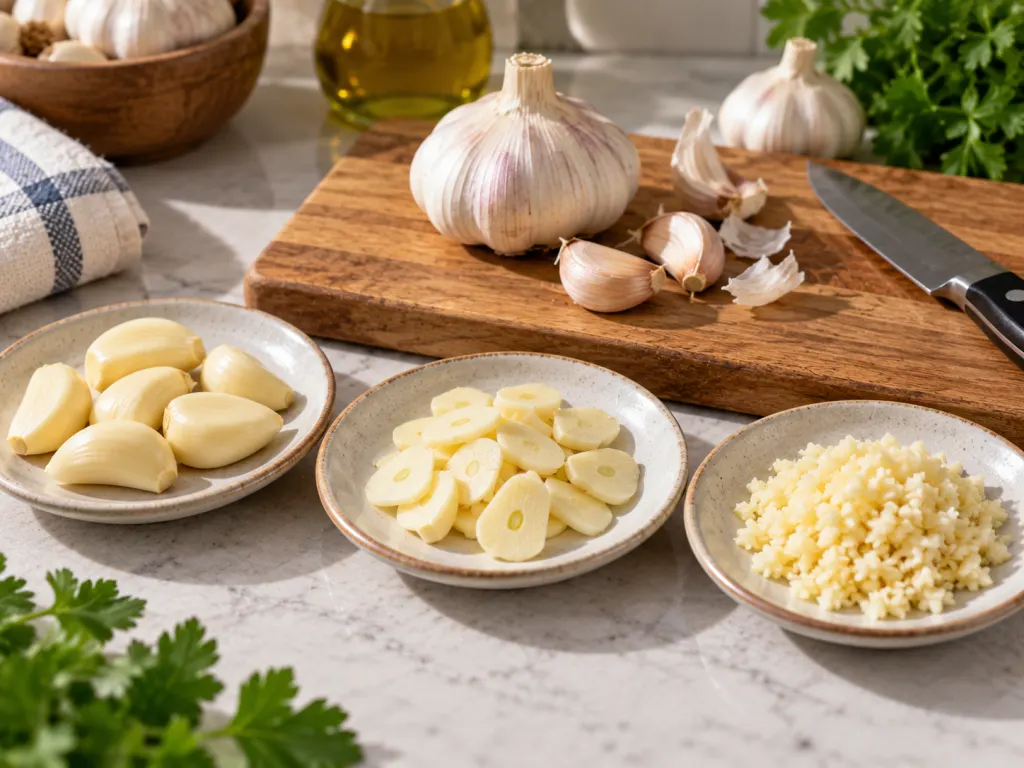
Garlic’s flavor is not fixed. A whole clove, a sliced clove, a minced clove, and a pasted clove can behave differently because cell damage changes what compounds form and how quickly they are released. Oregon State University’s Linus Pauling Institute explains that crushing or chopping garlic releases alliinase, an enzyme involved in forming allicin from alliin, and that thiosulfinate formation can happen rapidly after crushing https://lpi.oregonstate.edu/mic/food-beverages/garlic.
That chemistry matters to cooks even when they are not thinking about chemistry. Whole cloves roasted with vegetables taste mild and mellow. Thin slices in oil become fragrant quickly. Finely grated garlic can dominate a dressing or marinade. One common mistake is using the most aggressive preparation in a dish that needs a background note. Match the cut to the goal: whole or smashed for gentle infusion, sliced for visible garlic, minced for balanced distribution, and grated only when strong garlic presence is wanted.
5. Burning garlic at the start of cooking
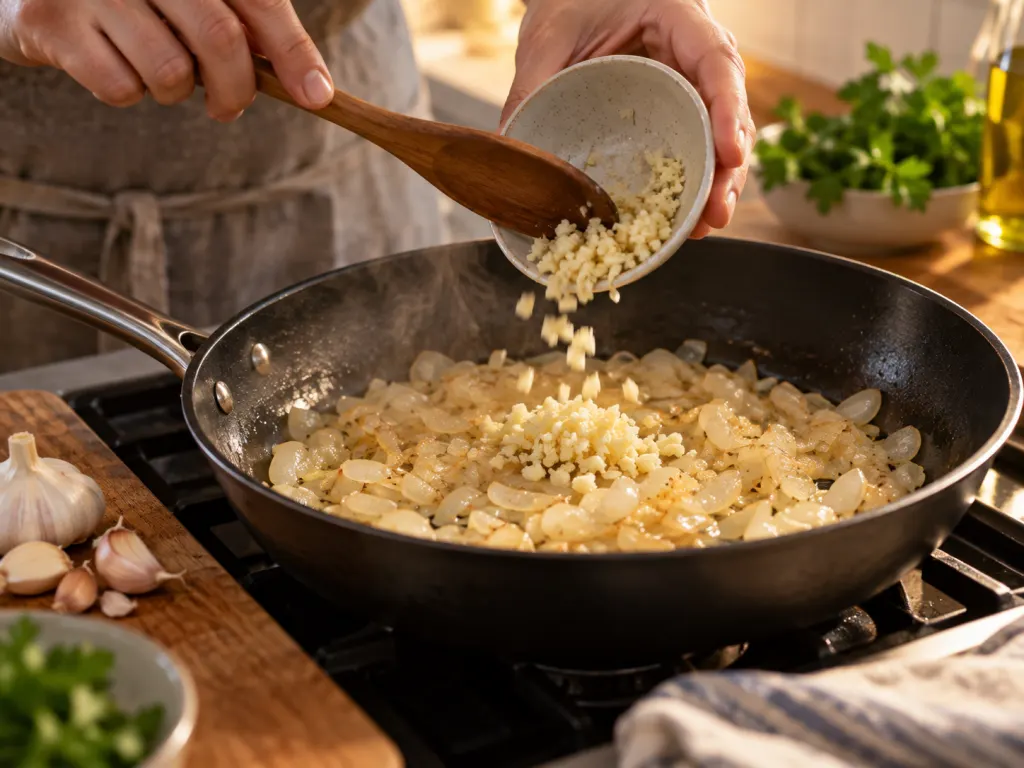
Garlic cooks quickly, especially when it is minced. If it goes into a dry or very hot pan too early, it can turn bitter before the rest of the ingredients have softened. That is one reason many recipes add garlic after onions, carrots, celery, peppers, or other aromatics have had a little time to cook. Moisture from those ingredients helps buffer the heat and gives garlic a better chance to bloom without scorching.
This is less about a strict rule and more about attention. In a quick saute, garlic may need only a short moment before liquid, tomatoes, greens, or another ingredient enters the pan. In soups, stews, and braises, garlic can tolerate longer cooking because the environment is moist. If the garlic smells sharp in a burnt way rather than fragrant, the pan was probably too hot or the timing was off.
6. Believing fresh, powdered, aged, and oil products are identical
Another mistake is treating every garlic product as the same ingredient. Fresh garlic, dried garlic powder, aged garlic extract, garlic oil products, and garlic-infused cooking oil are made differently and do not bring the same sensory profile to food. The Linus Pauling Institute describes several garlic preparations and notes that each can provide a different profile of organosulfur compounds depending on processing https://lpi.oregonstate.edu/mic/food-beverages/garlic.
For everyday cooking, this means fresh cloves are usually best when you want juicy, aromatic garlic flavor. Garlic powder is useful when you want even seasoning in dry rubs, breadcrumbs, snack mixes, or sauces where fresh bits would be distracting. Garlic oil can give aroma, but homemade versions raise food-safety issues if handled casually. Supplements belong in a separate category from culinary ingredients and should not be chosen because a social post made them sound simple.
7. Storing homemade garlic oil at room temperature
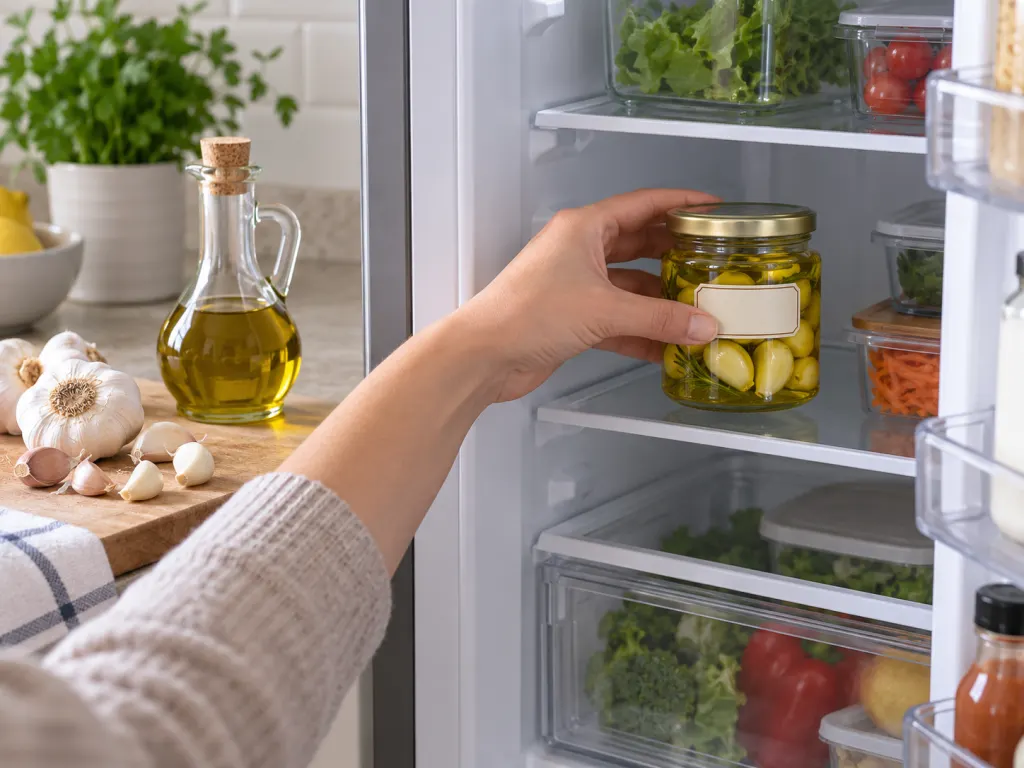
This is the most important food-safety mistake in the kitchen. Garlic in oil is not just flavored oil; it can create a low-oxygen environment where dangerous toxin formation is possible if storage is unsafe. The CDC lists chopped garlic in oil among foods linked with foodborne botulism and advises refrigerating homemade oils made with garlic or herbs and throwing them away after four days https://www.cdc.gov/botulism/prevention/index.html.
Do not leave homemade garlic oil on the counter as a pantry condiment. Do not rely on smell, bubbles, or appearance to judge safety. The CDC warns that the toxin that causes botulism cannot be seen, smelled, or tasted https://www.cdc.gov/botulism/prevention/index.html. If you want garlic-flavored oil for a meal, make a small amount fresh, refrigerate leftovers promptly, and discard within the short safety window.
8. Forgetting that garlic can bother some people
Garlic is common, but common does not mean comfortable for everyone. Some people dislike its lingering aroma. Others notice digestive discomfort from raw or heavily used garlic. NCCIH also notes that some people have allergic reactions to garlic https://www.nccih.nih.gov/health/garlic. The practical mistake is serving garlic-heavy food as if everyone at the table will experience it the same way.
When cooking for guests, keep at least one flexible option. Add raw garlic to a sauce on the side instead of mixing it through the whole dish. Use roasted garlic for a gentler flavor. Warn people when a dressing, dip, or spread is deliberately garlic-forward. This is hospitality as much as health awareness: the best garlic dish is one people can enjoy comfortably.
9. Using garlic on skin because it is “natural”
Although this article is about consuming garlic, online garlic advice often drifts into non-food uses. That is a mistake to avoid. NCCIH cautions that fresh raw garlic may not be safe when used topically and can cause severe skin irritation and chemical burns https://www.nccih.nih.gov/health/garlic. A clove that belongs in a sauce does not belong pressed against skin as a home experiment.
The broader lesson applies to eating it, too: natural ingredients can still be strong. Garlic’s pungency is exactly why cooks value it, but strength deserves boundaries. Keep garlic in food amounts that make culinary sense, and treat non-food uses with skepticism.
10. Missing the simple habits that make garlic easier to use well
Most garlic mistakes are avoidable with a few kitchen habits. The goal is not to fear garlic; it is to make it taste good, store it safely, and keep claims in perspective.
- Use fresh, firm bulbs with dry skins and no moldy or slimy spots.
- Choose the cut based on intensity: whole for mild, sliced for moderate, minced or grated for strong.
- Add minced garlic after sturdier aromatics have softened unless the recipe has enough moisture from the start.
- Make garlic oil only in small amounts, refrigerate it promptly, and discard it after the recommended short window.
- Read supplement labels carefully and discuss concentrated garlic products with a qualified professional when personal health factors matter.
- Serve raw garlic-heavy condiments on the side when cooking for a mixed group.
A balanced way to use garlic day to day
Garlic is at its best when it supports a dish rather than taking over the plate. Rub a cut clove over toasted bread before adding tomatoes. Add sliced garlic gently to olive oil before greens go into the pan. Roast whole cloves until soft and mash them into vegetables. Stir a small amount of raw garlic into yogurt, lemon, and herbs for a bright sauce. Each method gives a different result, and none needs a dramatic promise attached to it.
If you enjoy garlic, there is no need to abandon it because some online advice exaggerates. Just separate culinary value from medical claims, respect personal tolerance, and handle risky preparations like garlic-in-oil with care. Those habits make garlic more useful, not less.
When to be extra cautious
Be especially cautious with garlic when the form is concentrated, the amount is far beyond normal cooking use, or the storage method creates a food-safety concern. Supplements, homemade garlic oil, raw garlic challenges, and skin-contact experiments are not the same as adding a clove to a family meal. The FDA advises talking with a health care professional before taking dietary supplements and warns consumers not to assume “natural” means safe https://www.fda.gov/consumers/consumer-updates/fda-101-dietary-supplements.
For suspected unsafe preserved food, do not taste it to check. If homemade garlic oil has been kept at room temperature, discard it. If someone may be ill after eating a questionable preserved food, seek urgent medical help. For everyday meals, the safer path is much less dramatic: buy good garlic, prepare it intentionally, cook it gently, and enjoy it as one flavorful part of a varied table.
Wrap-Up
Garlic is a valuable kitchen ingredient, but the common mistakes are easy to spot: expecting guaranteed health effects, eating large amounts of raw garlic, trusting supplement hype, burning it in hot pans, ignoring how chopping changes flavor, and storing garlic oil unsafely. Use garlic for flavor first, keep homemade garlic oil refrigerated and short-lived, and bring personal health questions to a qualified professional.
Frequently Asked Questions
- → Is raw garlic better than cooked garlic?
Raw garlic is sharper and more pungent, while cooked garlic is usually sweeter and milder. The better choice depends on the dish and personal tolerance. Use raw garlic when you want a bright bite, and cooked garlic when you want rounder background flavor.
- → Can I keep homemade garlic oil on the counter?
No. Homemade garlic oil should not be treated as a shelf-stable pantry item. The CDC advises refrigerating homemade oils made with garlic or herbs and throwing them away after four days.
- → Are garlic supplements the same as eating garlic?
No. Supplements are concentrated products with labels, processing methods, and ingredient profiles that differ from fresh garlic. FDA and NIH guidance recommend caution with dietary supplements and discussion with a qualified professional when personal health factors are involved.
- → Why does minced garlic taste stronger than sliced garlic?
More cutting damages more garlic cells, which changes how pungent compounds form and spread through food. Whole cloves taste mildest, sliced garlic is moderate, and minced or grated garlic can become intense quickly.
- → What should I do if garlic upsets my stomach?
Use less, switch from raw to cooked garlic, serve garlic-heavy sauces on the side, or avoid it when needed. If discomfort is significant, repeated, or tied to other personal health concerns, discuss your situation with a qualified health professional.