 Save
Milia are small, firm white or yellowish bumps that form when dead skin cells become trapped under the skin surface. They are usually harmless, but they can be frustrating when they appear on the eyelids, cheeks, forehead, or nose. This guide explains what you can do safely at home, what to avoid, and when a dermatologist can help.
Step 1: Check that the bumps fit the usual milia pattern
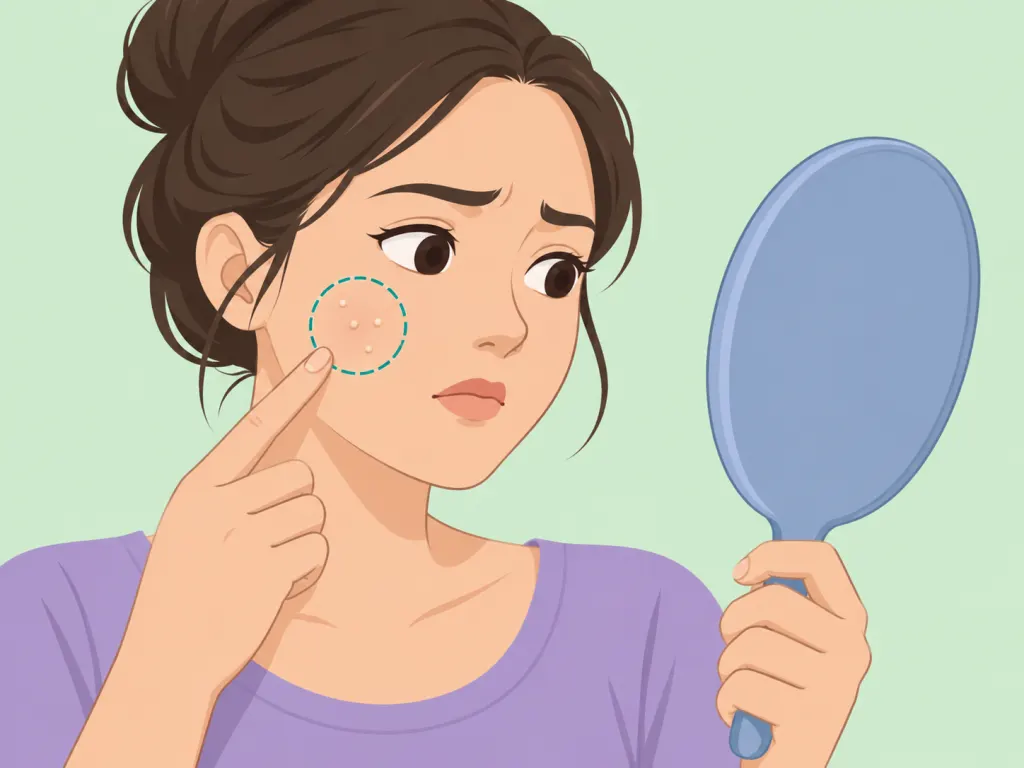
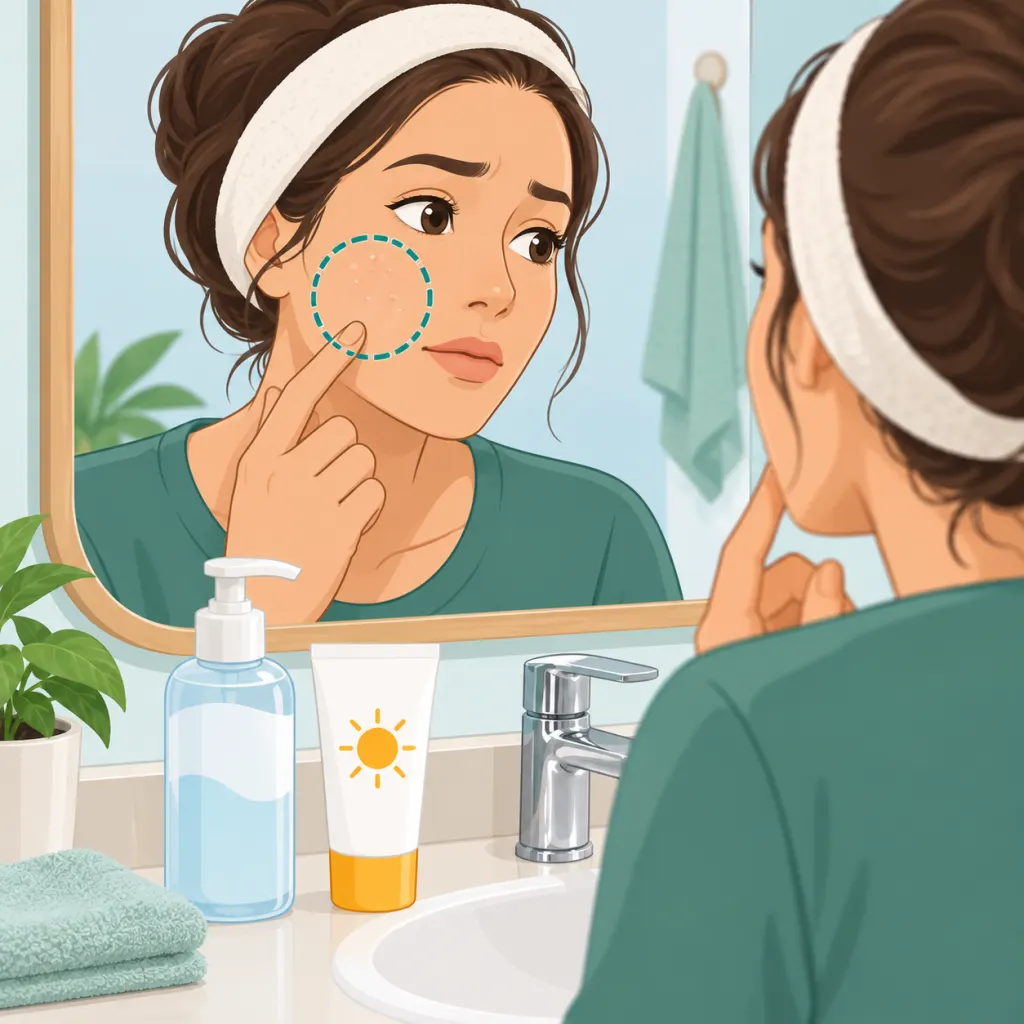
Look for tiny, firm white or yellowish bumps that sit under the skin rather than inflamed pimples. Cleveland Clinic describes milia as small cysts that commonly appear on the face and are not the same as acne. If a bump is changing, painful, bleeding, crusting, or very different from the others, treat it as uncertain and have it checked.
Step 2: Do not squeeze or scrape the bumps
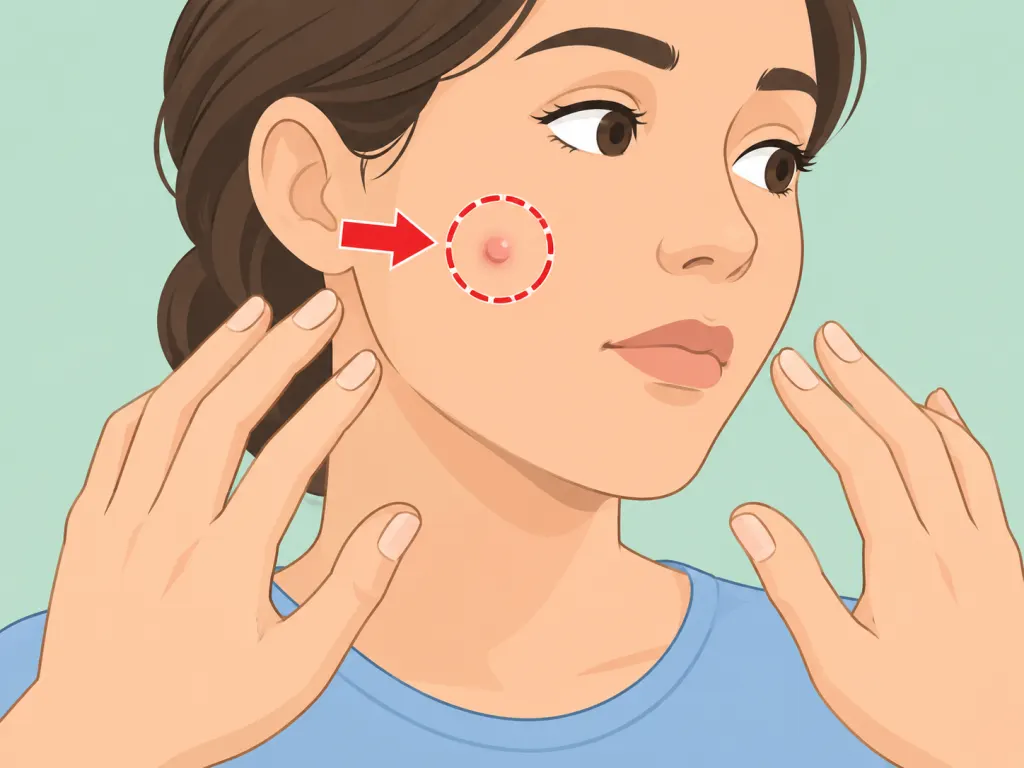
Leave the surface of the skin intact, even if the milium looks close to opening. Trying to squeeze or scrape milia can scar the skin or cause infection. This matters most around the eyelids, where the skin is thin and easy to injure.
Step 3: Wash your face gently each day
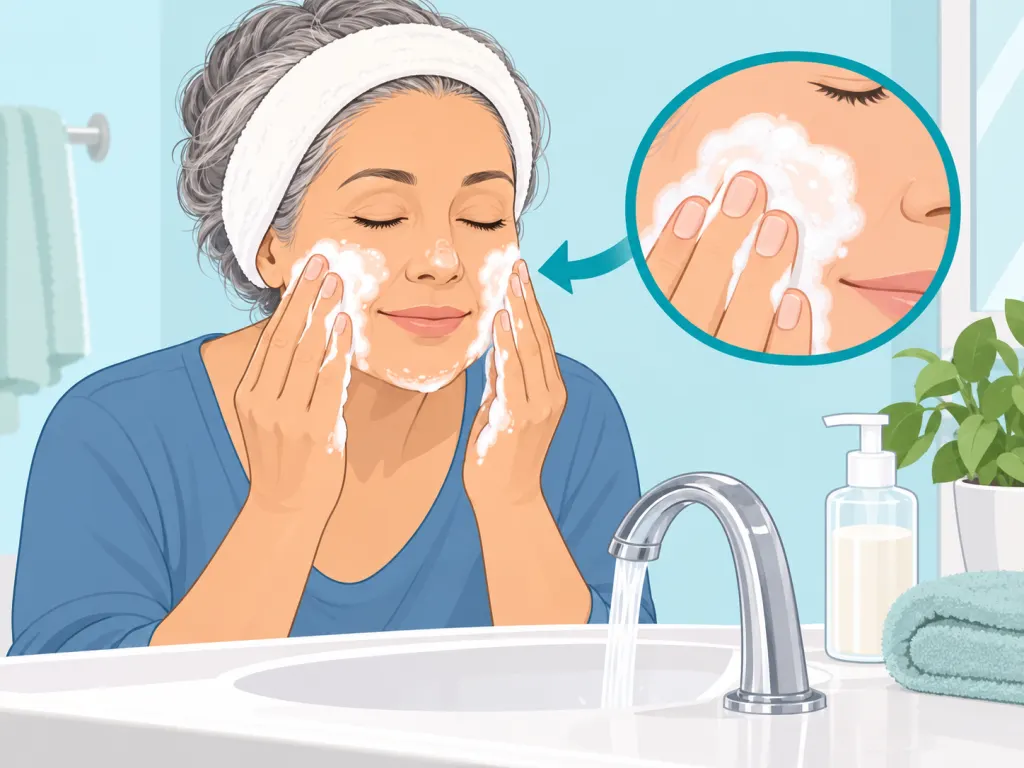
Cleanse with warm water and a mild cleanser, then pat your skin dry instead of rubbing. Gentle daily washing is one of the safe at-home steps Cleveland Clinic lists for milia. Avoid abrasive brushes, rough washcloths, and repeated scrubbing over the bumps.
Step 4: Simplify heavy creams and oily products
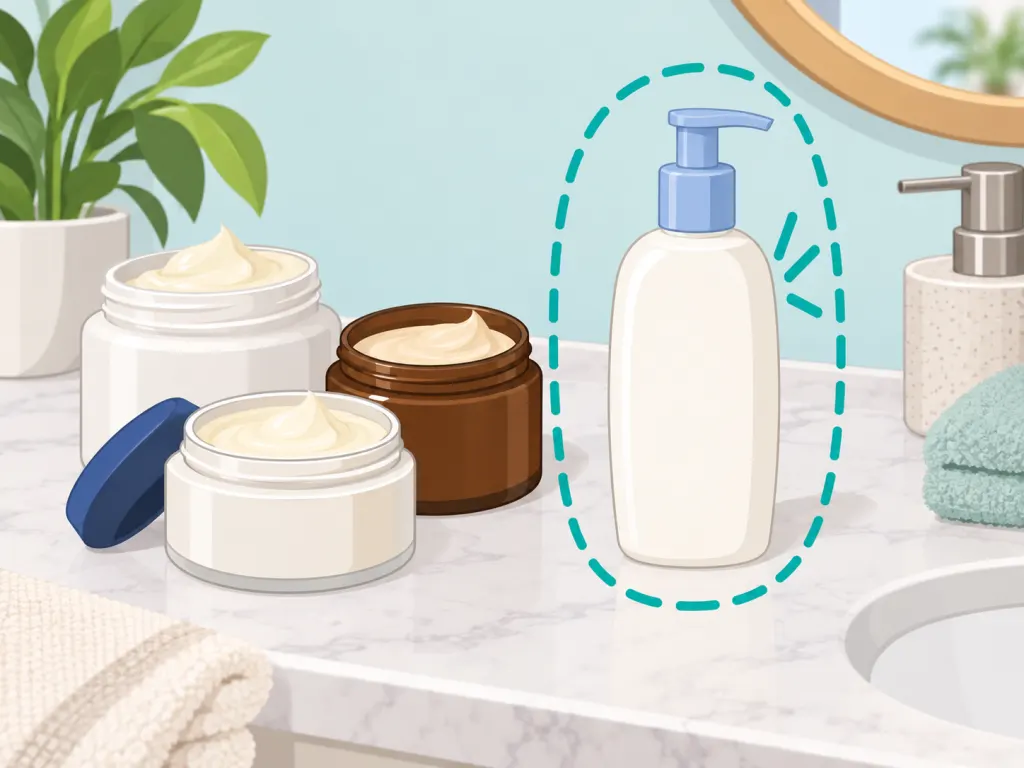
Use lighter, non-greasy products if thick creams or ointments seem to sit heavily on the area. Secondary milia can form after skin injury or as a reaction to heavy creams and ointments. If a product stings, burns, or makes the area red, stop using it and let the skin calm down.
Apply sunscreen to exposed skin before going outside, especially if you are using exfoliating products. The American Academy of Dermatology recommends choosing broad-spectrum sunscreen with SPF 30 or higher. Sun protection also helps reduce skin irritation from some active skin-care products.
Step 6: Exfoliate only if your skin tolerates it
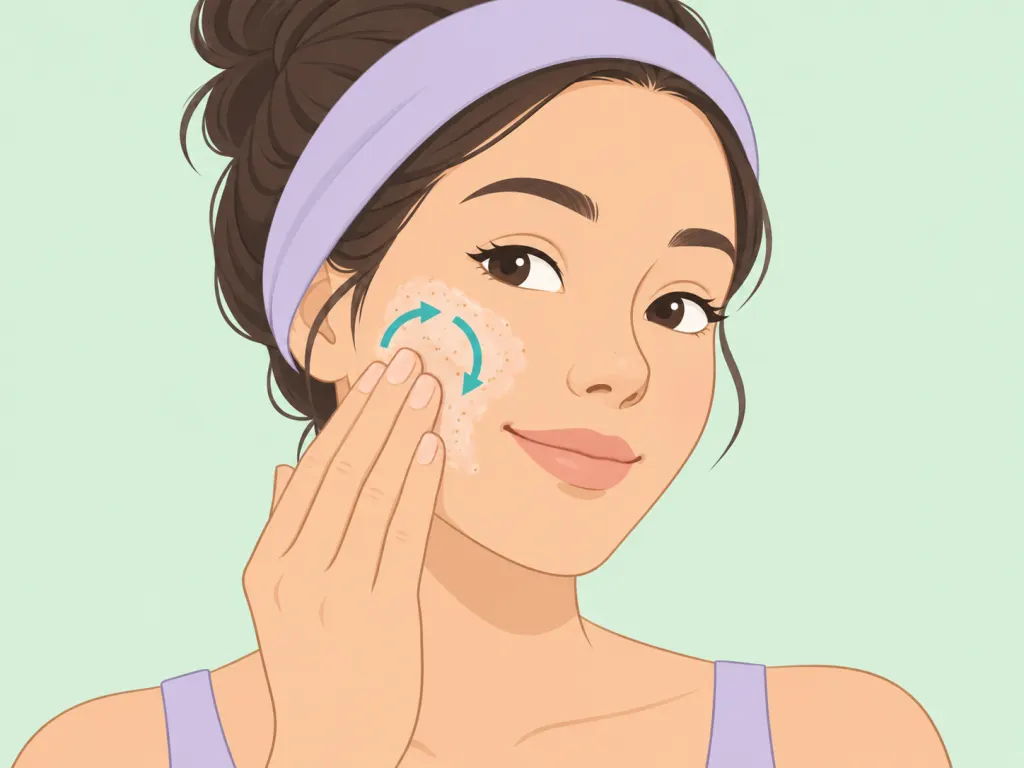
Adults can consider a gentle chemical exfoliant or a soft washcloth, but start slowly and stop if your skin becomes red, sore, or flaky. The American Academy of Dermatology explains that exfoliation removes dead skin cells but can harm the skin if done too aggressively. Do not exfoliate over open cuts, sunburn, or irritated skin.
Step 7: Ask a dermatologist about retinoids or professional removal
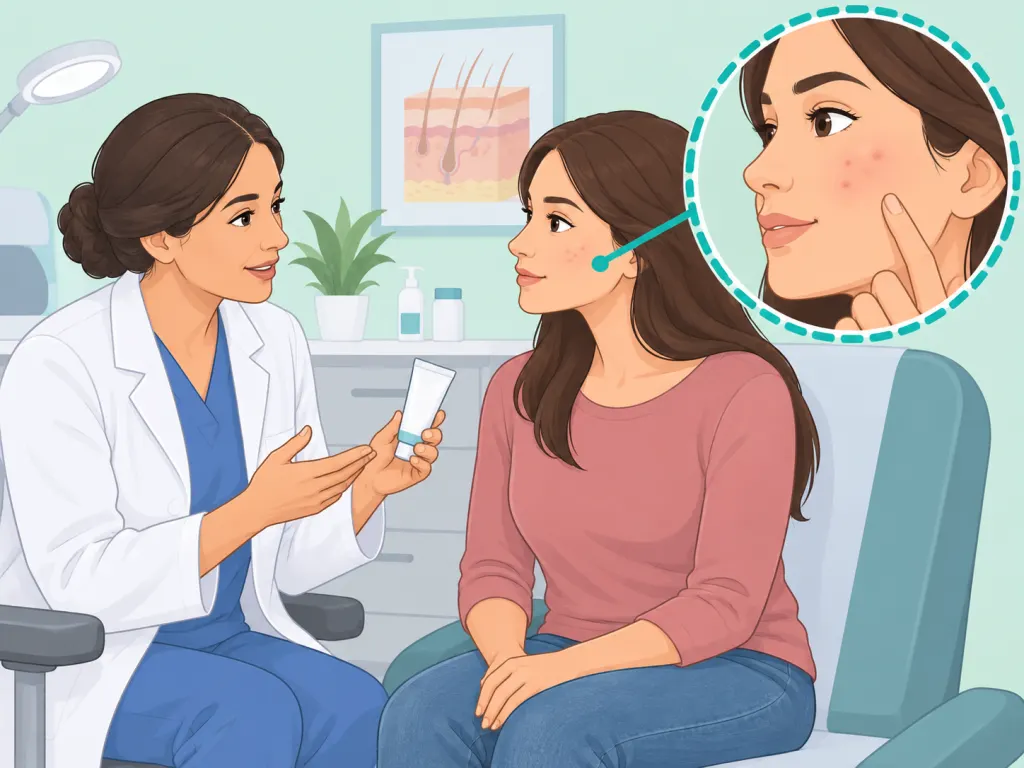
If milia persist and you want them removed, ask a dermatologist which option fits your skin and the bump location. Professional options may include topical retinoids, in-office removal with a sterile needle, or freezing in selected cases. If retinol or another retinoid is being considered, the AAD advises talking with a dermatologist because these products can irritate skin and increase sun sensitivity.
Step 8: See a doctor for changing, irritated, or uncertain bumps
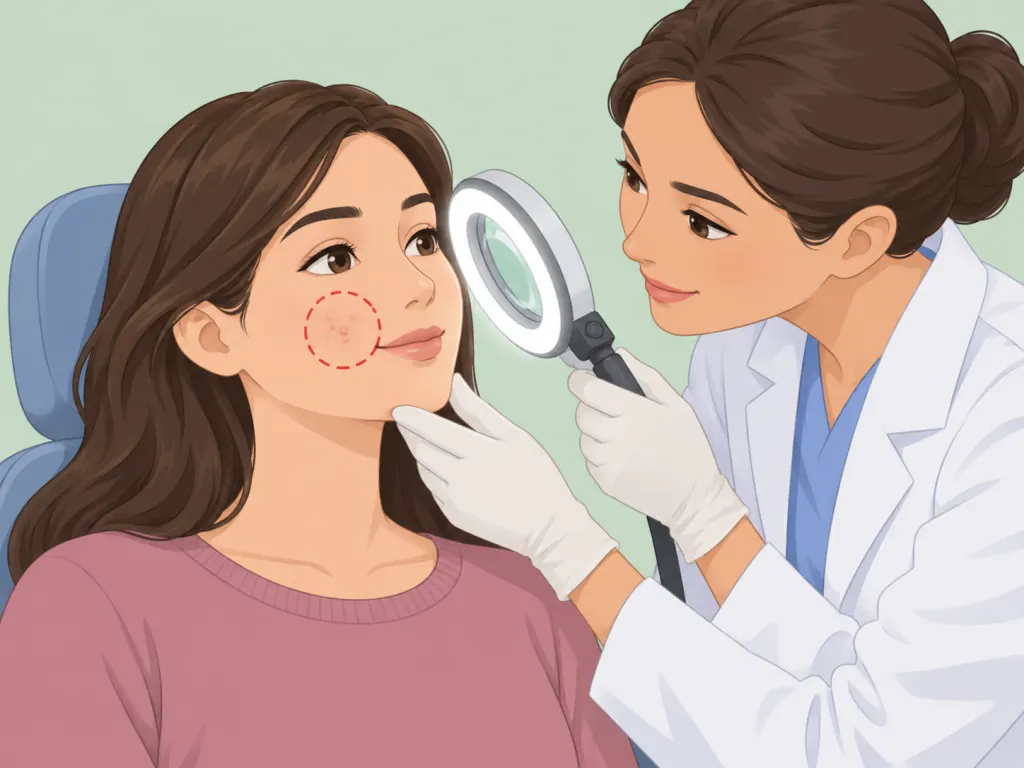
Make an appointment if bumps spread quickly, become painful or itchy, appear on a raised patch, involve the eyelid margin, or do not improve after several months. NCBI Bookshelf notes that persistent or widespread milia may need evaluation for less common causes. A clinician can also tell whether the bumps are milia or another skin condition that needs different care.
Wrap-Up
The bottom line: do not squeeze or cut milia at home. Keep your routine gentle, use sunscreen, exfoliate carefully if your skin tolerates it, and see a dermatologist for stubborn, sensitive, or uncertain bumps.
Frequently Asked Questions
- → Can I remove milia at home?
You can support your skin with gentle cleansing, sunscreen, and careful exfoliation, but you should not cut, squeeze, or scrape milia yourself. Cleveland Clinic warns that trying to remove them like pimples can lead to scarring or infection.
- → How long do milia last in adults?
Adult milia may clear within weeks to a few months, though some last longer. If they persist or bother you, a healthcare provider or dermatologist can discuss safe removal options.
- → Are milia the same as acne?
No. Cleveland Clinic notes that milia are small cysts under the skin, while whiteheads are a type of acne.
- → Should I use harsh scrubs or kitchen mixtures on milia?
Skip harsh scrubs and acidic mixtures, especially near the eyes. The American Academy of Dermatology advises choosing exfoliation based on skin type and using gentle pressure to avoid irritation.
- → Do babies need milia removed?
Usually no. MedlinePlus explains that milia in children often go away without care and do not leave lasting effects.
- → Can milia spread to other people?
No. Cleveland Clinic says milia are not contagious and do not spread from person to person.
References
This content was developed and refined using reliable sources.
- https://my.clevelandclinic.org/health/diseases/17868-milia
- https://www.medlineplus.gov/ency/article/001367.htm
- https://www.aad.org/public/everyday-care/skin-care-secrets/routine/safely-exfoliate-at-home
- https://www.aad.org/public/everyday-care/sun-protection/shade-clothing-sunscreen/how-to-select-sunscreen
- https://www.aad.org/public/everyday-care/skin-care-secrets/anti-aging/retinoid-retinol
- https://www.ncbi.nlm.nih.gov/books/NBK560481