 Save
A quick home routine can reduce soft dental plaque, but it cannot safely remove hardened tartar. The useful goal is not an instant scrape; it is to disrupt the sticky film on teeth before it mineralizes, then keep regular dental visits for deposits that have already hardened. Plaque forms from bacteria and food particles on tooth surfaces, including areas a toothbrush misses. MedlinePlus notes that brushing twice daily for two minutes with fluoride toothpaste, flossing gently, and routine professional cleaning are core plaque-control habits (MedlinePlus). This article explains what you can do at home, what to leave to a dental professional, and how to avoid popular shortcuts that can roughen enamel or irritate gums.
The Short Answer: Plaque Is Soft, Tartar Is Not
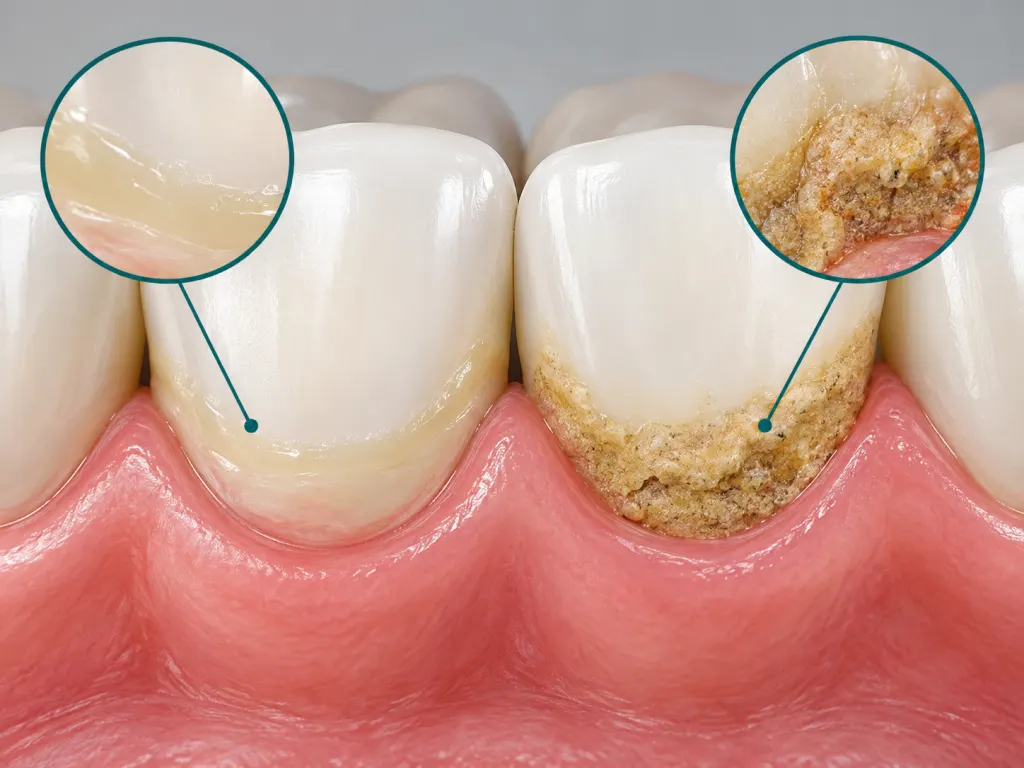
Dental plaque starts as a soft, sticky film. Because it is soft, mechanical cleaning matters: a toothbrush removes plaque from reachable tooth surfaces, while floss, interdental brushes, or other between-teeth tools help reach narrow spaces. If plaque stays in place, minerals in saliva can harden it into tartar, also called calculus. NIDCR is direct on this point: plaque can harden into tartar, and only a dentist or dental hygienist can remove tartar with professional instruments (NIDCR). That distinction is the reason many dramatic home claims are misleading. You can make your mouth feel cleaner in minutes, but you should not try to chip, scrape, dissolve, or sand hardened deposits from your teeth.
What Plaque Is Doing on Teeth
Plaque is often described casually as leftover food, but that is too simple. NIDCR describes dental plaque as a sticky biofilm made of bacteria and food particles that forms on teeth and dental work such as crowns, implants, and dentures (NIDCR Ask the Expert). The biofilm tends to collect along the gumline, between teeth, around rough edges, and anywhere cleaning is rushed. MedlinePlus adds that plaque contains bacteria and, when not removed regularly, can harden into tartar (MedlinePlus). The practical takeaway is simple: focus on contact. Foam, rinsing, and fresh breath do not matter as much as whether bristles or an interdental tool physically reach the plaque film.
A Realistic Five-Minute Home Routine
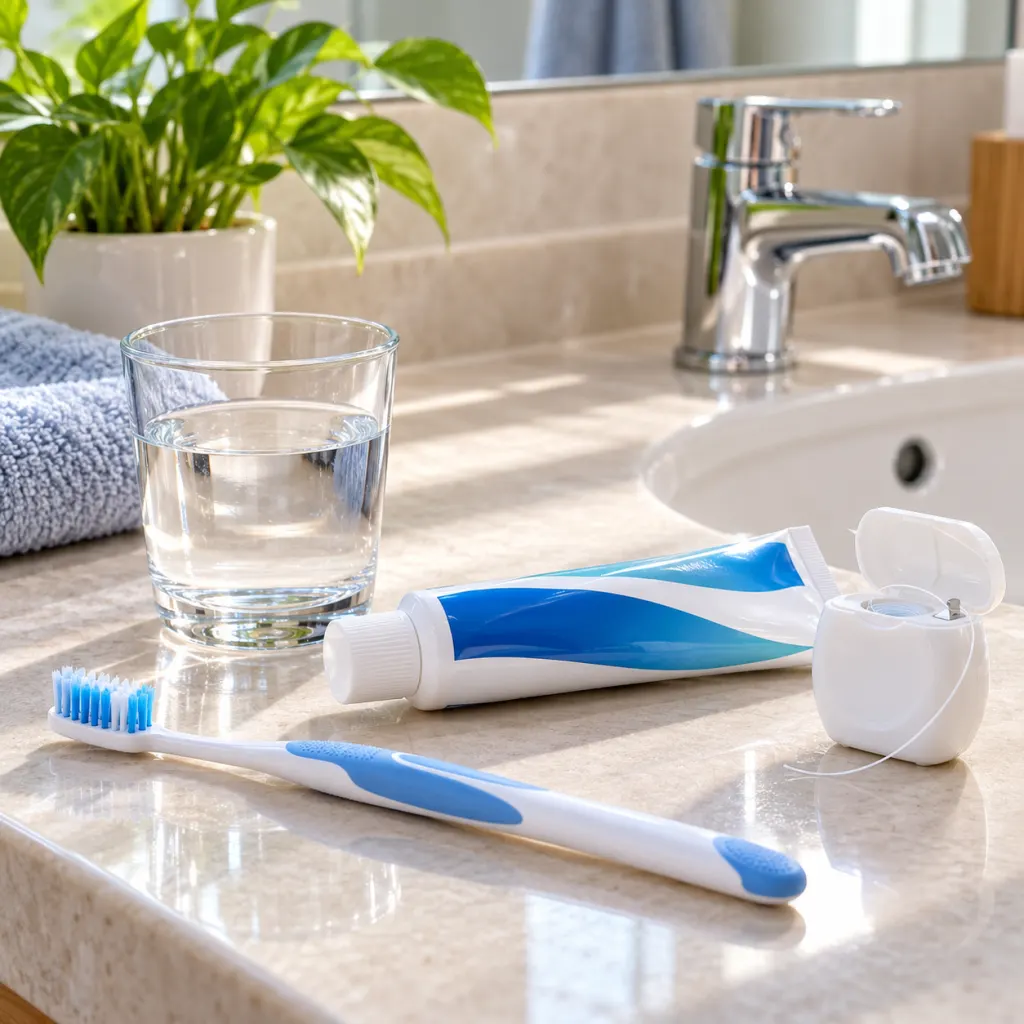
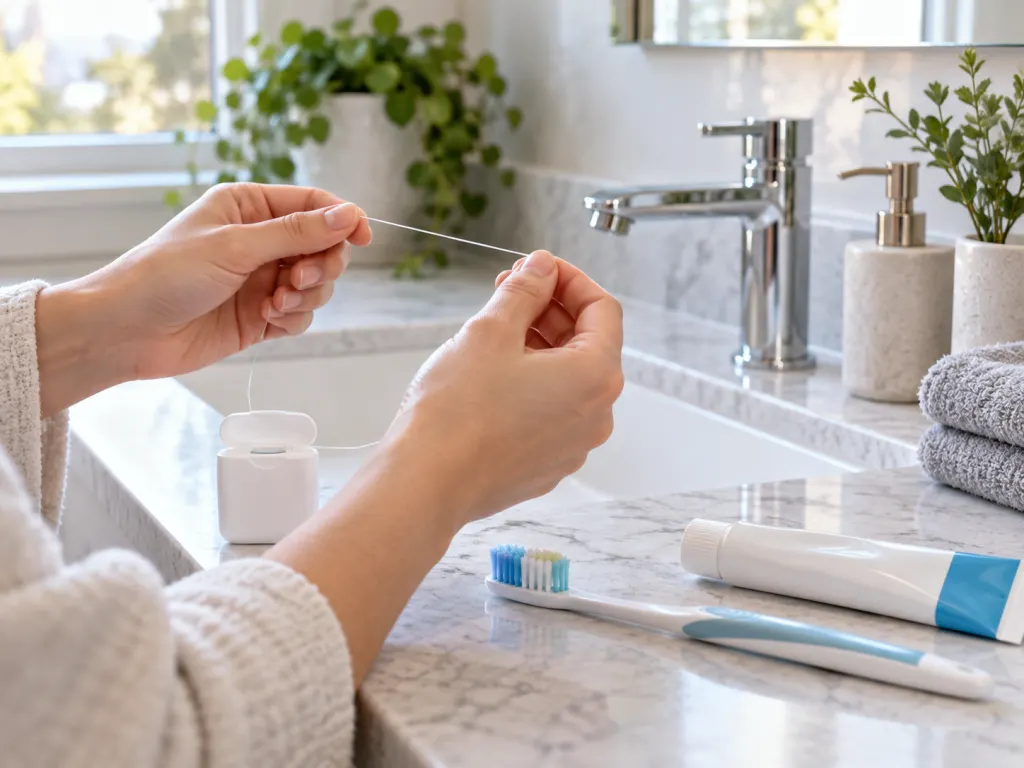
If you have only a few minutes, use them deliberately. A good short routine is not aggressive; it is complete enough to touch the common hiding places. The CDC advises adults to brush well twice daily with fluoride toothpaste and floss between teeth to remove dental plaque (CDC). A practical sequence can look like this:
- Spend about two minutes brushing with a soft or medium-soft brush and fluoride toothpaste.
- Angle the bristles gently toward the gumline instead of scrubbing straight across.
- Clean between teeth once daily with floss or another tool your dental professional says fits your mouth.
- Spit after brushing and avoid rinsing forcefully if you want more fluoride to remain on tooth surfaces.
- Use disclosing tablets occasionally if recommended, because they can show plaque you tend to miss.
This routine is ordinary, but ordinary is the point. Plaque control depends more on repeated, careful contact than on a single intense session.
Why Fluoride Toothpaste Belongs in the Routine
Some people searching for a natural approach assume fluoride toothpaste is optional. For plaque control, the brush does the mechanical work; for enamel support, fluoride adds a different benefit. The CDC explains that fluoride helps repair and protect tooth surfaces affected by acids produced by mouth bacteria, and that fluoride toothpaste is commonly used because it leaves fluoride on tooth surfaces and in saliva (CDC). This does not mean more toothpaste is better. The useful habit for adults is consistent brushing with an appropriate amount of fluoride toothpaste, not harsh powders, acidic pastes, or gritty mixtures that promise a polished feeling while possibly being too abrasive.
Where Popular Natural Advice Goes Wrong
The word natural can hide very different ideas. A soft toothbrush, water, floss, and patient technique are gentle. Scraping with a metal tool, brushing with gritty powders, or repeatedly using acidic mixtures is a different matter. Tooth enamel does not grow back like skin, and irritated gums can make cleaning harder. The goal should be to disturb soft plaque without injuring the tissues around the teeth. If you see a visible hard ridge near the gumline, feel rough mineral deposits behind lower front teeth, or notice staining that does not brush away, treat that as a reason to schedule cleaning rather than to intensify home scraping. Professional scaling is designed for deposits that are attached to tooth surfaces; home tools sold online are easy to misuse.
Choosing Between Floss, Interdental Brushes, and Water Flossers
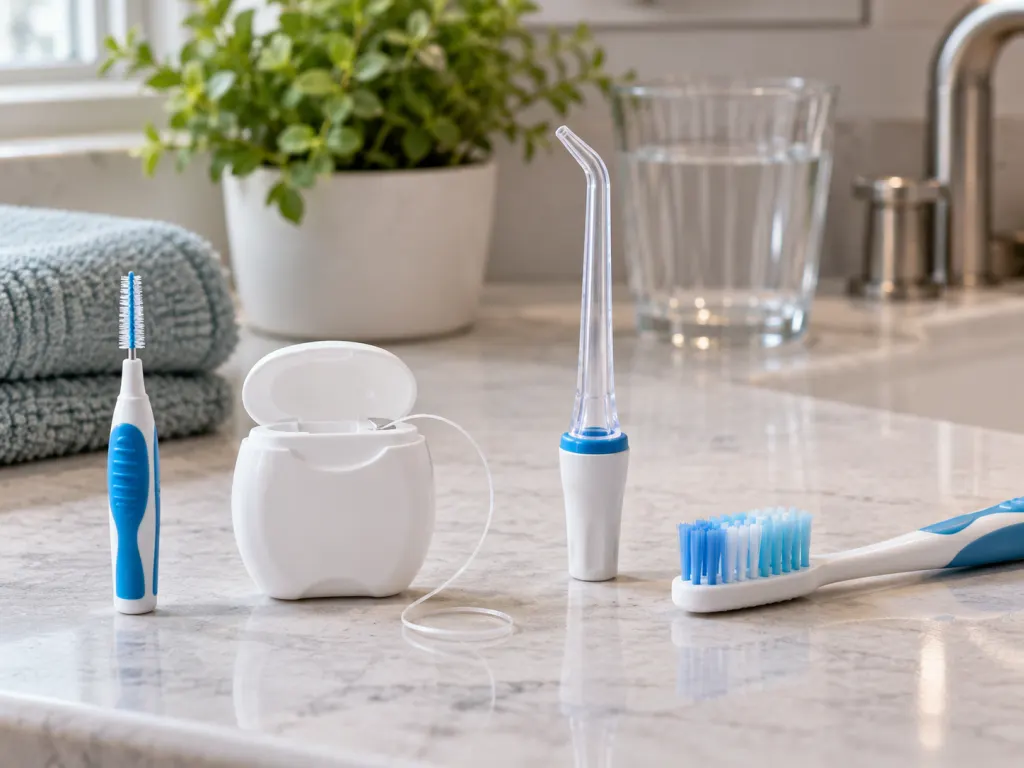
The best between-teeth tool is the one that fits safely and gets used consistently. Traditional floss can work well where contacts are tight. Interdental brushes may be easier around wider spaces, bridgework, orthodontic retainers, or areas where floss shreds. Water flossers can help flush debris and may be useful for some people, but they are not identical to rubbing plaque from the tooth surface. A Cochrane review of home interdental devices found low- to very-low-certainty evidence overall; floss and interdental brushes may reduce gingivitis or plaque compared with brushing alone, and the evidence for some tools was limited or inconsistent (Cochrane). In real life, comfort and fit matter. If a brush bends, jams, or hurts, ask a dental professional to size it for you.
When You Need a Dental Cleaning
Professional cleaning is not a failure of home care. Even careful brushers can develop tartar in sheltered areas, especially behind the lower front teeth, along the gumline, or around crowded teeth. MedlinePlus describes dental scaling as the step in a cleaning where a hygienist uses instruments to scrape plaque and tartar from teeth, and it states that only professional scaling can remove tartar (MedlinePlus Dental Exam). NIDCR also recommends routine check-ups and professional cleaning as part of keeping gums and teeth healthy (NIDCR). Some people need visits more often than others because of crowding, dry mouth, tobacco use, diabetes, gum problems, dexterity challenges, or a history of heavy tartar buildup.
A Plaque Check You Can Do Without Scraping
You can inspect your routine without using sharp tools. After brushing and cleaning between teeth, run your tongue gently over the tooth surfaces. Smooth does not prove every surface is plaque-free, but roughness along the gumline or behind lower front teeth can tell you where to be more careful. Disclosing tablets or solution, when used as directed, temporarily color plaque and can turn cleaning into a visible map. MedlinePlus lists plaque-disclosing products as one way to identify areas of buildup (MedlinePlus). Use them as feedback, not as a reason to scrub harder. If one area stains every time, change the angle of the brush, slow down, or ask for a demonstration at your next dental visit.
Food, Drinks, and Timing Still Matter
Cleaning technique carries most of the plaque-control work, but eating patterns affect how often mouth bacteria get fresh fuel. MedlinePlus explains that bacteria in plaque use sugars and starches from foods and drinks to make acids that attack enamel, and that fluoride and good oral hygiene help support the tooth surface (MedlinePlus Tooth Decay). You do not need a perfect menu to care for your teeth. It helps to limit frequent sipping or snacking on sugary or starchy foods, drink water often, and brush before bed so plaque has less undisturbed time overnight. If brushing immediately is not practical after a snack, rinsing with water and returning to your regular routine is a reasonable stopgap.
Signs That Deserve Prompt Dental Advice
Home care is for routine plaque control, not for evaluating persistent mouth changes. Arrange dental advice if you notice gums that bleed repeatedly when you brush or clean between teeth, swelling, worsening bad breath, tooth sensitivity, loose teeth, pain while chewing, a broken filling, or a rough area that suddenly appears. NIDCR lists gum redness, swelling, bleeding, gums pulling away from teeth, persistent bad breath, loose teeth, sensitivity, and pain while chewing among warning signs related to gum problems (NIDCR). These signs do not prove one specific cause, but they are good reasons to get a professional look rather than trying stronger home methods.
What to Skip
Skip any approach that relies on force, abrasion, or irritation. That includes metal scraping tools used without training, hard-bristle brushing, repeated baking-soda scrubbing, lemon or vinegar applications, charcoal powders, and picking under the gumline. A product that makes teeth feel slick for a moment is not automatically safe for daily use. Be especially cautious with videos that show dramatic flakes coming off teeth, because they may be showing tartar removal with tools that can damage enamel or gums in untrained hands. A safer rule is this: soft plaque belongs to daily home care; hardened tartar belongs to professional cleaning.
A Simple Weekly Reset
Once a week, take two extra minutes to review your setup. Replace a frayed floss spool, rinse and dry interdental brushes, check whether your toothbrush bristles are splayed, and notice whether one side of your mouth is being rushed. If you use an electric toothbrush, let the head do the movement instead of pressing hard. If you use a manual brush, choose gentle circles or short strokes and cover the outer, inner, and chewing surfaces. This kind of reset is not glamorous, but it catches the real reasons plaque survives: skipped spaces, dull tools, pressure that is too hard, and routines that become automatic before they are complete.
Wrap-Up
The honest answer is reassuring but not flashy: you can disrupt soft dental plaque at home with careful brushing, fluoride toothpaste, and consistent between-teeth cleaning, but hardened tartar needs a dental professional. A short routine can be useful when it is gentle and complete. Avoid sharp scraping, abrasive powders, and acidic mixtures, and use dental visits for rough deposits, bleeding gums, persistent bad breath, tooth sensitivity, or chewing pain. The best home plan is steady, boring, and effective: clean the surfaces you can reach, get help for the ones you cannot, and treat professional cleaning as part of normal oral care.
Frequently Asked Questions
- → Can I remove tartar at home if I brush for several minutes?
No. Brushing can disrupt soft plaque, but hardened tartar is bonded to tooth surfaces and needs professional dental instruments. Trying to scrape it at home can irritate gums or damage enamel.
- → Is a water flosser enough for plaque between teeth?
It depends on your mouth. Water flossers can help flush debris and may help some people, but rubbing plaque from tooth surfaces usually requires floss, interdental brushes, or another fitted tool. Ask a dental professional which option fits your teeth.
- → How fast does plaque come back after brushing?
Plaque can begin forming again soon after cleaning because bacteria, saliva, and food particles are always present in the mouth. That is why daily brushing and between-teeth cleaning matter more than occasional intense cleaning.
- → Should I use baking soda, lemon, or charcoal for plaque?
Be cautious. Abrasive or acidic methods can be rough on enamel and gums. A soft toothbrush, fluoride toothpaste, and safe between-teeth cleaning are better everyday choices than gritty or acidic home mixtures.
- → Why do my teeth still feel rough after brushing?
Roughness may come from plaque you missed, tartar, staining, a filling edge, crowding, or another surface change. If the rough area stays after careful brushing, schedule a dental check instead of scraping it yourself.
References
This content was developed and refined using reliable sources.
- https://www.medlineplus.gov/ency/article/002044.htm
- https://www.nidcr.nih.gov/health-info/gum-disease
- https://www.nidcr.nih.gov/health-info/gum-disease/ask-the-expert
- https://www.cdc.gov/oral-health/prevention/oral-health-tips-for-adults.html
- https://www.cdc.gov/oral-health/prevention/about-fluoride.html
- https://medlineplus.gov/toothdecay.html
- https://medlineplus.gov/lab-tests/dental-exam
- https://www.cochrane.org/evidence/CD012018_home-use-devices-cleaning-between-teeth-addition-toothbrushing-prevent-and-control-gum-diseases-and