 Save
Weak or brittle nails are usually not a mysterious message from the body. Most often, they reflect repeated water exposure, dry nails, harsh nail products, picking or biting, aging, or friction from daily tasks. Still, nails can also show clues worth taking seriously: MedlinePlus notes that brittle nails may occur with aging but can also be linked with some health conditions, and changes in color, shape, texture, or thickness deserve context and follow-up when they persist MedlinePlus. The practical question is not “What single nutrient am I missing?” but “What pattern am I seeing, how long has it been there, and are there warning signs?”
What brittle nails usually mean
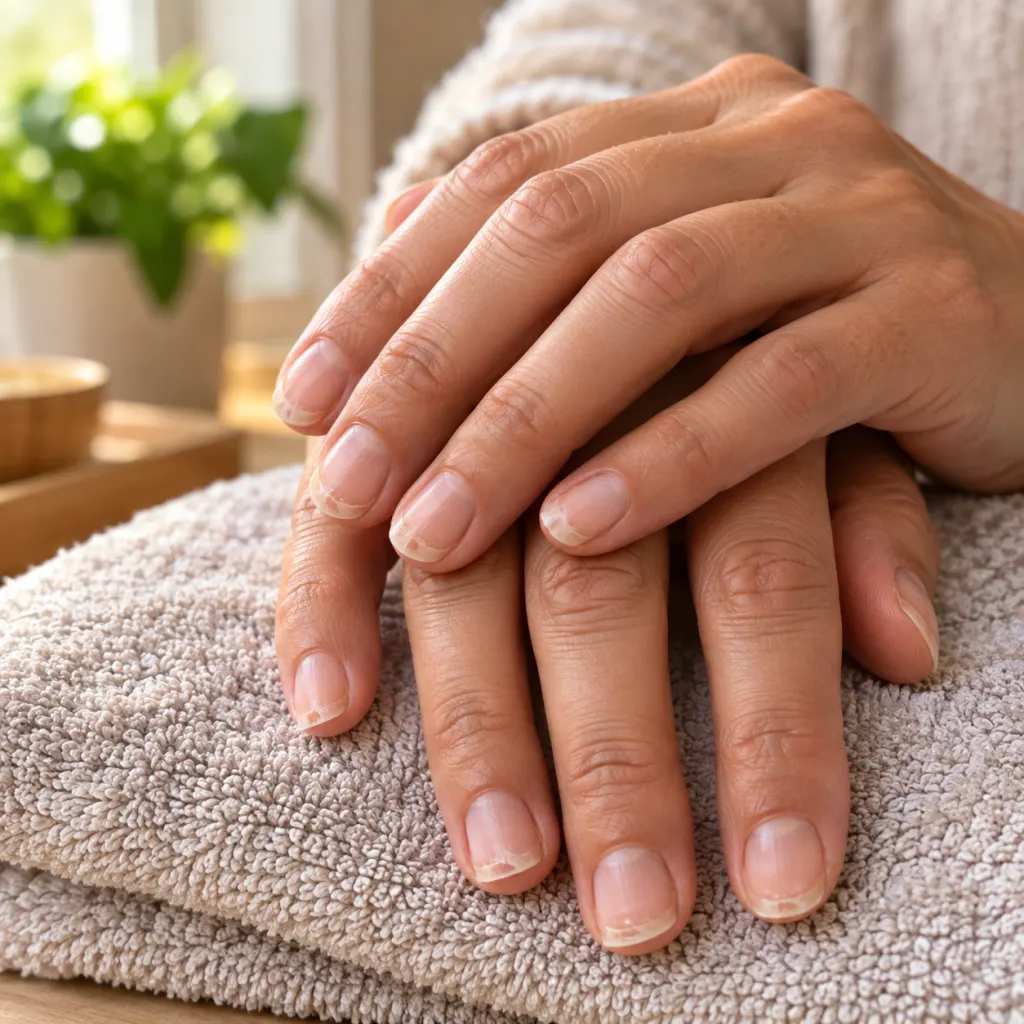
Fingernails are made of layers of keratin, a structural protein. When those layers lose flexibility or become repeatedly stressed, the nail can split, peel, bend, or break more easily. Mayo Clinic describes healthy fingernails as generally smooth, consistent in color, and free of pits or grooves, while also noting that some vertical ridges become more noticeable with age Mayo Clinic. That distinction matters because brittle nails by themselves are common, but brittle nails with shape change, color change, pain, swelling, or nail separation are a different situation.
Everyday exposures are often the main clue
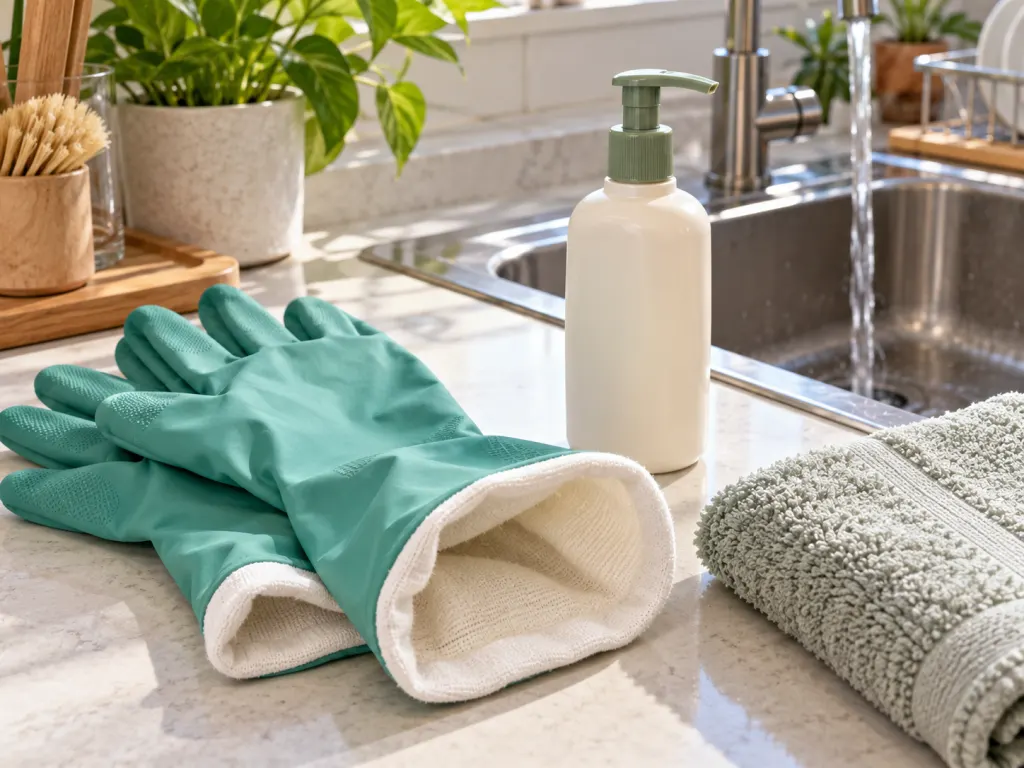
The most common story is mechanical: hands are in water often, nails dry out between washes, polish remover strips oils, or nails are used as small tools. The American Academy of Dermatology advises keeping nails clean and dry, protecting them from too much water, and moisturizing after handwashing because excess water exposure can make nails split, peel, or break American Academy of Dermatology. If your nails are worse on the hand you use for chores, after a season of frequent cleaning, or after repeated manicures, the pattern points more toward exposure than a hidden deficiency.
Helpful first steps are simple and low drama:
- Keep nails short enough that the tips are not constantly catching on fabric or tools.
- Wear cotton-lined gloves for dishwashing, cleaning, and long wet tasks.
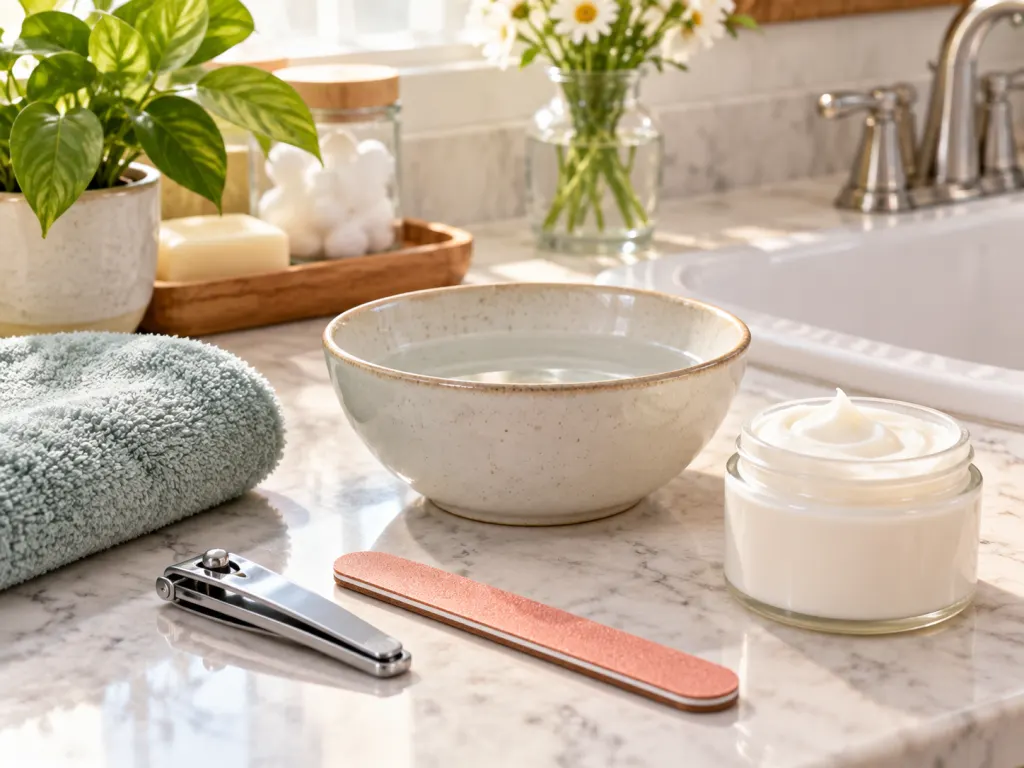
- Apply hand cream or ointment over the nails and cuticles after washing.
- Use an emery board to smooth snags before they split farther.
- Avoid biting, picking, tearing hangnails, or using nails to scrape, pry, or open objects.
- Limit harsh polish removers and give nails quiet stretches between high-stress manicures.
Nutrition can matter, but it is easy to overread it
Nails grow slowly, so nutrition-related changes are rarely obvious overnight. Biotin is often marketed for nails, but the NIH Office of Dietary Supplements says most people get enough biotin from food and that there is little scientific evidence supporting broad hair, skin, and nail claims; it also notes that a few small studies found harder nails in some people with thin, brittle nails, but more research is needed before supplements can be broadly recommended for that purpose NIH Office of Dietary Supplements. In plain terms: food variety is a stronger starting point than assuming one pill is the missing answer.
Iron is another common concern because spoon-shaped nails can be associated with iron deficiency anemia. NIH explains that iron helps the body make hemoglobin, the red blood cell protein that carries oxygen from the lungs to the rest of the body NIH Office of Dietary Supplements. That does not mean every brittle nail is an iron issue. It does mean that thin, inward-curving nails, unusual fatigue, heavy periods, or other symptoms should be discussed with a clinician rather than handled by guessing. Iron supplements can be harmful when used inappropriately, especially around children, so testing and professional guidance matter.

Nail patterns that deserve more attention
Some nail changes are more useful as signals than brittle texture alone. MedlinePlus lists causes that include long-term exposure to moisture or nail polish, fungal or yeast infection, bacterial infection around the nail, thyroid disease, psoriasis, vitamin deficiency, and other conditions MedlinePlus. The American Academy of Dermatology also highlights changes a dermatologist should examine, including nail lifting, red swollen skin around a nail, pits, yellow thickened nails, deep grooves across the nail, spoon-shaped nails, curved nails, and new or changing color patterns American Academy of Dermatology. The key is not to diagnose yourself from a photo, but to notice when the nail is changing in shape, attachment, color, or surrounding skin.
Pay special attention to one-sided or single-nail changes. A single nail that lifts, darkens, thickens, becomes painful, or develops a new band of pigment may have a local cause such as injury or infection, but it should not be ignored. Whole-hand brittleness after winter handwashing suggests a different pattern than one thumb with a widening dark streak. If you are unsure, take a clear photo in the same lighting every two to four weeks. Photos can help you describe whether the change is growing out with the nail, spreading from the base, or staying fixed.
A practical reset for the next eight weeks
Because fingernails grow gradually, a useful nail-care trial should be measured in weeks, not days. Mayo Clinic recommends keeping fingernails dry and clean, using sharp clippers, trimming straight across with a gentle curve at the tips, rubbing moisturizer into nails and cuticles, limiting harsh nail products, and asking a healthcare professional about biotin when weak or brittle nails are a concern Mayo Clinic. An eight-week reset gives the newer nail a calmer environment while you watch for improvement.
During that reset, choose one or two changes you can actually maintain. If you cook and wash dishes daily, gloves may matter more than a new nail product. If your nails split at the corners, shorter tips and smoother filing may reduce catching. If your cuticles are ragged, clipping hangnails cleanly is safer than tearing them. If your nails became brittle after gels, acrylics, or frequent polish remover, consider a break from high-stress cosmetic routines and keep the nail surface moisturized. The point is to reduce repeated damage while preserving normal hand hygiene.
What to eat for nail support without chasing trends
A nail-friendly eating pattern is not exotic. It is the same varied pattern that supports the rest of the body: enough protein foods, whole grains, beans or lentils, nuts or seeds, fruits, vegetables, and iron-containing foods that fit your preferences. The NIH biotin fact sheet lists foods such as meat, fish, eggs, seeds, nuts, sweet potatoes, spinach, and broccoli as sources of biotin NIH Office of Dietary Supplements. The NIH iron fact sheet describes iron needs as varying by age, sex, and eating pattern, and notes that people who do not eat meat, poultry, or seafood may need more iron from food because plant-source iron is absorbed differently NIH Office of Dietary Supplements. If your overall meals are sparse, repetitive, or newly restricted, nails may be one reason to review your routine with a registered dietitian or clinician.
When brittle nails are worth a professional visit
Make an appointment with a primary care clinician or dermatologist if brittle nails are new and persistent, if several nails change at once without an obvious exposure, or if you also see swelling, pain, bleeding, nail lifting, pits, deep horizontal grooves, a change in nail shape, or color changes. Mayo Clinic specifically advises consultation for color changes such as a dark streak, nail shape changes, thinning or thickening, pits or grooves, nail pulling away from surrounding skin, bleeding, swelling or pain, or failure of nails to grow Mayo Clinic. Prompt evaluation is especially important for a new or changing dark streak, darkening skin next to a nail, or a painful infected-looking nail fold.
How to describe the problem clearly
A good description helps a professional separate brittle texture from other nail findings. Note when it started, whether it affects fingernails, toenails, or both, whether one nail is much worse, what products or manicures you use, how often your hands are wet, and whether there was an injury. Mention work or hobbies that expose your hands to water, solvents, detergents, friction, gloves, or repeated pressure. Bring a list of supplements and prescriptions, because some products and health conditions can affect nails or lab interpretation. You do not need to arrive with a diagnosis; you need to arrive with a clear timeline.
The balanced takeaway
Weak nails are common, and the cause is often boring in the best possible way: water, dryness, friction, product exposure, or small habits repeated every day. Start with protection, moisture, gentle trimming, and fewer nail stresses. At the same time, respect changes that are sudden, painful, one-sided, unusually colored, or paired with shape changes. Your nails can offer useful clues, but they cannot tell the whole story alone.
Wrap-Up
Brittle nails usually improve when daily stressors are reduced: less prolonged wet work, more moisturize-and-protect routines, shorter smoother tips, and fewer harsh products. Nutrition can play a role, especially when eating patterns are limited or iron deficiency is possible, but supplements should not be a guessing game. The safest approach is to match the response to the pattern: care changes for ordinary splitting, and professional evaluation for persistent, painful, discolored, lifting, spoon-shaped, pitted, or rapidly changing nails.
Frequently Asked Questions
- → Are brittle nails usually a sign of a serious problem?
Usually, no. Brittle nails commonly come from water exposure, dryness, aging, friction, nail products, or picking habits. They deserve more attention when the change is sudden, persistent, painful, limited to one nail, or paired with color, shape, swelling, or nail lifting.
- → Should I take biotin for weak nails?
Biotin deficiency is rare, and NIH notes that evidence for biotin supplements and nail strength is limited. If you are considering a supplement, especially if you have lab testing or take prescriptions, discuss it with a qualified health professional first.
- → Can frequent handwashing make nails brittle?
Yes. Repeated wetting and drying can make nails more likely to split or peel. Keep washing when needed for hygiene, but use moisturizer on the nails and cuticles afterward and wear gloves for long wet chores such as dishwashing.
- → What nail changes should I not ignore?
Ask for professional evaluation if you notice a new or changing dark streak, nail lifting, painful swelling, bleeding, deep grooves across the nail, pits, spoon-shaped nails, marked thickening, or a nail that stops growing normally.
- → How long does it take for nail care changes to show?
Fingernails grow slowly, so improvement is usually gradual. Give protective care several weeks while watching the new nail growth. If the nail keeps worsening or other changes appear, do not wait for a home routine to solve it.
References
This content was developed and refined using reliable sources.
- https://www.medlineplus.gov/ency/article/003247.htm
- https://www.aad.org/public/everyday-care/nail-care-secrets/basics/healthy-nail-tips
- https://www.aad.org/public/everyday-care/nail-care-secrets/basics/nail-changes-dermatologist-should-examine
- https://www.mayoclinic.org/healthy-lifestyle/adult-health/in-depth/nails/art-20044954
- https://ods.od.nih.gov/factsheets/Biotin-Consumer
- https://ods.od.nih.gov/factsheets/Iron-Consumer