 Save
The most useful answer is simple: whole fruits may support normal blood vessel and clotting balance as part of an overall healthy eating pattern, but they should never be treated as a stand-alone way to handle a suspected blood clot. The strongest evidence supports eating a variety of fruits and vegetables, choosing whole fruit more often than juice, and getting medical help when symptoms point to a clot concern. The CDC notes that deep vein thrombosis and pulmonary embolism are serious conditions, and symptoms such as swelling, warmth, redness, chest discomfort, trouble breathing, fainting, or coughing blood deserve urgent attention depending on the symptom pattern https://www.cdc.gov/blood-clots/about/.
Why Fruit Belongs in the Conversation
Blood clotting is a normal body process. You need it when a cut seals and tissue repairs. Trouble begins when a clot forms where it should not, grows in a risky place, or travels through the body. That is why this article uses careful language: fruit can contribute nutrients that support general vascular wellness, but it is not a clot plan, a screening tool, or a substitute for medical evaluation.
Authoritative nutrition guidance is consistent on one point: variety matters more than chasing one heroic ingredient. Harvard T.H. Chan School of Public Health explains that vegetables and fruits are important parts of a healthy diet and that no single fruit or vegetable supplies everything the body needs https://nutritionsource.hsph.harvard.edu/what-should-you-eat/vegetables-and-fruits/. That idea is especially useful here because online lists often turn individual foods into oversized promises. A better frame is to ask which fruits help build a steadier, more nutrient-dense pattern.
How These Eight Fruits Were Chosen
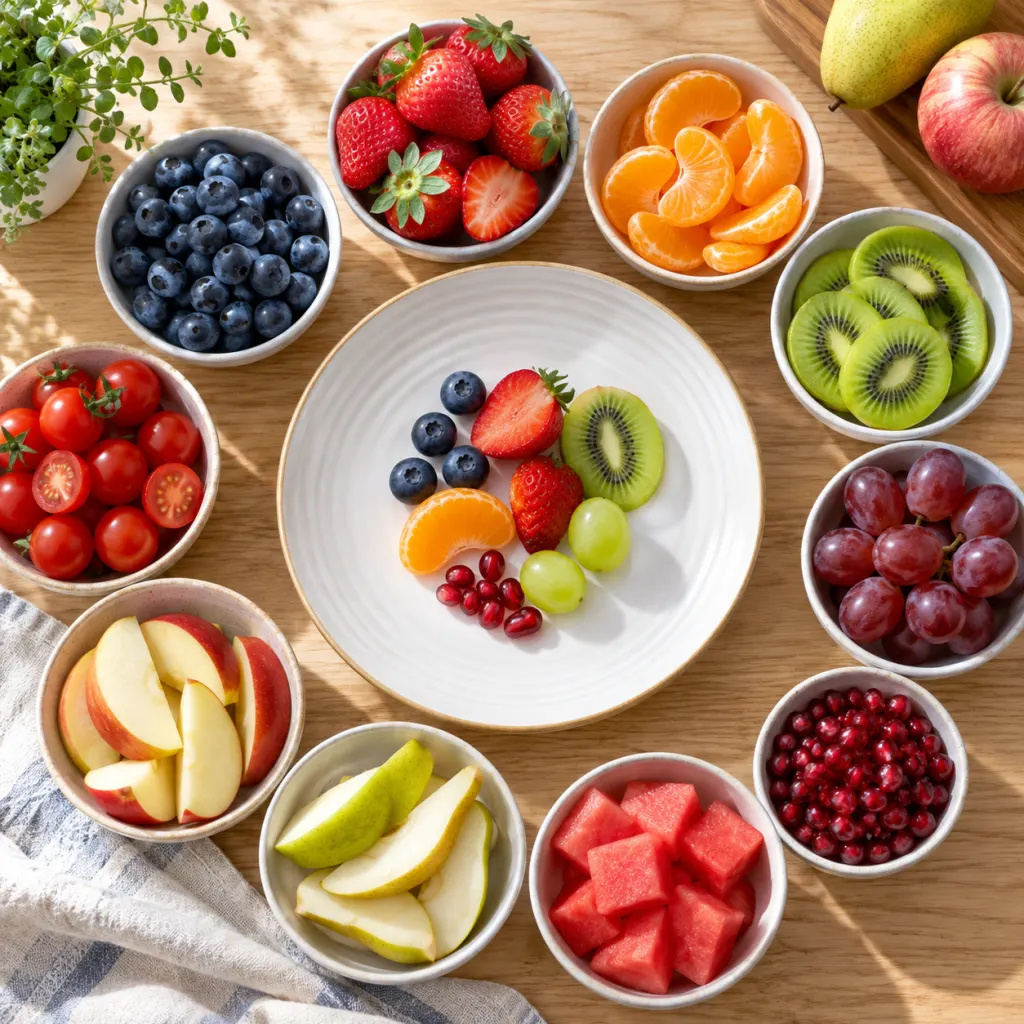
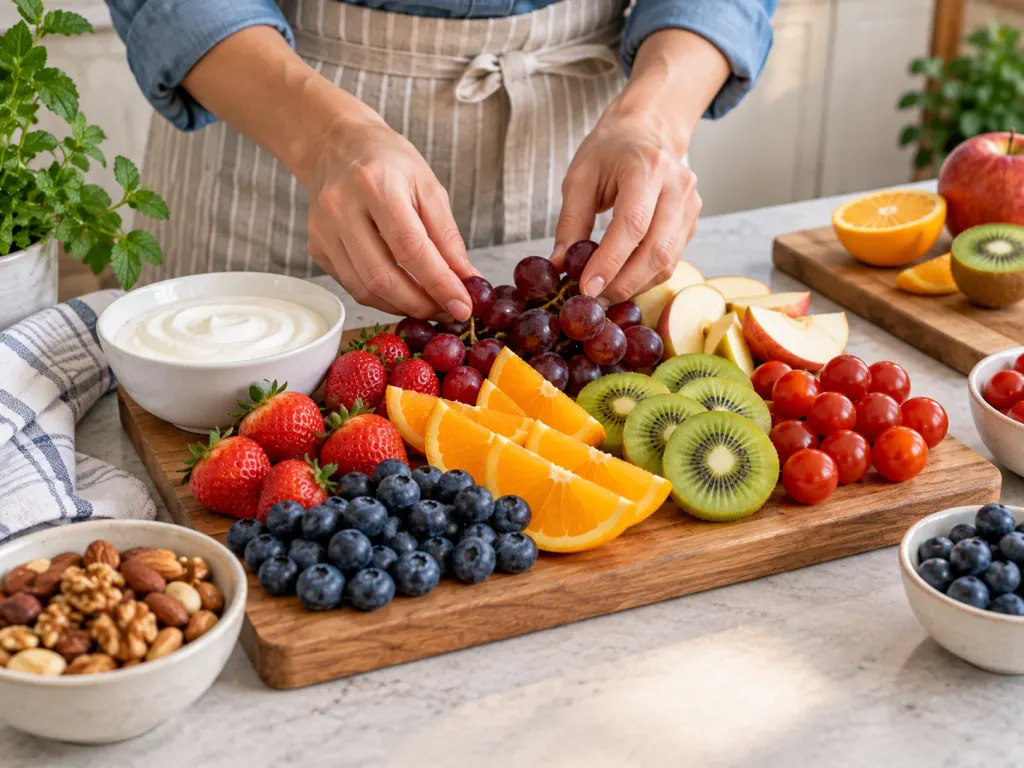
The eight fruits below were selected because they are widely available, easy to use in everyday meals, and bring nutrients or plant compounds that fit a heart-smart plate. Vitamin C matters because it acts as an antioxidant and helps the body make collagen, according to the NIH Office of Dietary Supplements https://ods.od.nih.gov/factsheets/VitaminC/Consumer/. Potassium matters because the body uses it for heart function, muscle contraction, and nerve transmission https://ods.od.nih.gov/factsheets/Potassium-Consumer/. Fiber and water also matter because they make fruit more filling and help meals feel balanced.
Use this list as a grocery and meal-planning guide, not as a ranked medical tool. A practical fruit pattern has a few features:
- Whole fruit first: whole or cut fruit keeps fiber in the meal.
- Color variety: red, blue, purple, orange, and green fruits bring different plant compounds.
- Modest sweetness: fruit can replace more sugary snacks without needing to be turned into dessert.
- Meal balance: fruit works well with unsweetened yogurt, oats, nuts, beans, eggs, fish, poultry, or other protein foods.
- Fresh, frozen, or canned options: frozen fruit and fruit packed without added syrup can be useful when fresh fruit is costly or out of season.
1. Berries
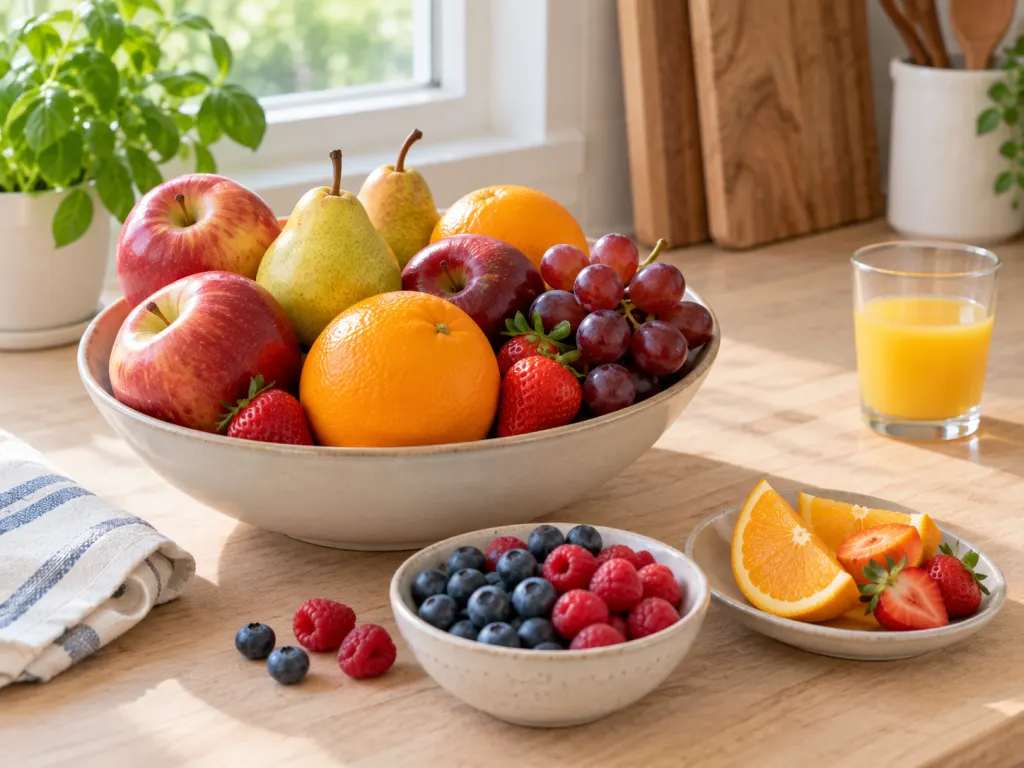
Blueberries, strawberries, raspberries, and blackberries are an excellent starting point because they are colorful, flexible, and easy to add without changing the whole meal. Strawberries are a vitamin C source, and darker berries add deeply colored plant compounds. Berries also tend to work well in breakfast bowls, salads, snacks, and simple desserts where they can replace foods with more added sugar.
The key is to keep them close to their whole form. A bowl of berries over plain yogurt or oats is different from a sweetened berry drink or a pastry filling. The CDC advises choosing whole fruits more often than fruit juices because whole fruits contain fiber, while many juices have little or none https://www.cdc.gov/healthy-weight-growth/healthy-eating/fruits-vegetables.html. That distinction matters for everyday fullness and overall meal quality.
2. Oranges and Other Citrus Fruits
Oranges, mandarins, and similar citrus fruits are useful because they are familiar, portable, and rich in vitamin C. NIH lists citrus fruits among the best food sources of vitamin C, alongside kiwifruit, strawberries, tomatoes, and other produce https://ods.od.nih.gov/factsheets/VitaminC/Consumer/. For a clotting-balance discussion, the honest point is not that citrus changes clot behavior. It is that citrus helps make a fruit habit easy to keep.
Try orange segments with breakfast, chopped citrus in a salad, or a squeeze of citrus over beans, fish, or roasted vegetables. Whole citrus is usually more satisfying than juice because chewing slows the experience and keeps the fruit structure intact. If you prefer juice, think of it as a small beverage choice rather than the main way to get fruit.
3. Kiwifruit
Kiwifruit earns a place because it is compact, tart-sweet, and notably rich in vitamin C. The NIH vitamin C fact sheet lists kiwifruit among foods that provide a lot of this nutrient https://ods.od.nih.gov/factsheets/VitaminC/Consumer/. Kiwi also brings potassium, which helps explain why it fits a broader heart-smart plate without needing exaggerated claims.
Kiwi is especially useful for people who get bored with the same apple or banana routine. Slice it into yogurt, pair it with berries, add it to a green salad, or eat it with a spoon. Its bright acidity can make a simple meal feel fresher, which is one of the quiet advantages of fruit: foods that taste lively are easier to repeat.
4. Grapes
Grapes are convenient, hydrating, and easy to portion into snacks. Their value is strongest when they replace less nutrient-dense snack foods rather than simply adding extra grazing. Harvard’s nutrition guidance emphasizes variety and color in produce choices, and grapes fit that practical advice well https://nutritionsource.hsph.harvard.edu/what-should-you-eat/vegetables-and-fruits/.
For a more balanced snack, pair grapes with a protein or fat source such as plain yogurt, cheese, nuts, or hummus with vegetables. Frozen grapes can also be useful when you want something cold and sweet without making a sugary drink. As with every fruit here, the goal is pattern quality, not turning one fruit into a medical strategy.
5. Pomegranate
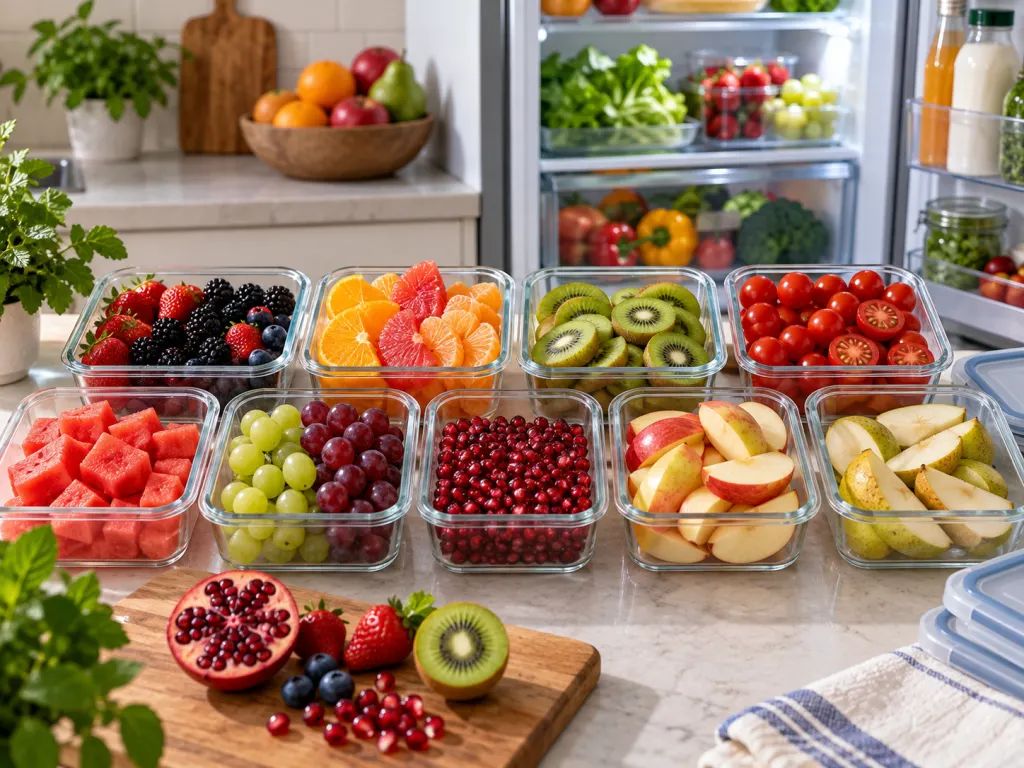
Pomegranate arils bring intense color, tartness, and crunch. They are rich in plant compounds and can make simple meals feel special without much added sugar. Sprinkle them over salads, grain bowls, yogurt, or roasted vegetables. Because pomegranate juice is more concentrated and easier to drink quickly, the whole arils are often the more meal-friendly choice.
Pomegranate also helps illustrate a broader rule: colorful fruits can be valuable even when the evidence does not support dramatic promises about a single outcome. If you enjoy it and it fits your budget, use it. If not, berries, oranges, kiwi, grapes, and apples can still build a varied fruit pattern.
6. Tomatoes
Tomatoes are botanically fruits and culinarily flexible enough to belong in both salads and cooked meals. They provide vitamin C and potassium, and they help people add produce to savory dishes, not just snacks. A tomato-rich plate might include sliced tomatoes with eggs, tomato and bean salad, tomato soup, salsa, or a simple sauce over whole grains and vegetables.
The FDA explains that Nutrition Facts labels use Daily Values to help people compare nutrient contributions, including fiber, potassium, and vitamin C https://www.fda.gov/food/nutrition-facts-label/daily-value-nutrition-and-supplement-facts-labels. That label-reading habit can be helpful when choosing canned tomato products, especially if you are comparing added sodium or added sugars.
7. Watermelon
Watermelon is not just a summer treat. It is water-rich, refreshing, and easy to serve in a way that encourages fruit instead of heavily sweetened desserts. It pairs well with mint, cucumber, lime, feta-style cheeses, or plain yogurt. For people who struggle to enjoy fruit, watermelon can be a friendly entry point because it feels light and familiar.
The main caution is portion awareness, not alarm. Watermelon is easy to eat quickly because it is juicy and mild. Serving it in a bowl, adding it to a mixed fruit salad, or pairing it with a meal can make it feel more satisfying than standing at the counter with a large wedge. The point is to enjoy it as part of the day’s overall food pattern.
8. Apples and Pears
Apples and pears may sound ordinary, but that is their strength. They are affordable in many places, travel well, and keep longer than delicate berries. Their skins add texture, and their mild sweetness makes them easy to pair with savory foods. Sliced apple with peanut butter, pear with cottage cheese, or chopped apple in a cabbage salad can all help move fruit from an afterthought to a dependable habit.
Apples and pears also reinforce the whole-fruit principle. The CDC notes that whole fruits contain fiber and can help you feel full, while many juices do not provide the same fullness https://www.cdc.gov/healthy-weight-growth/healthy-eating/fruits-vegetables.html. When you want a simple everyday fruit, an apple or pear is not a compromise. It is often exactly the kind of repeatable choice that makes healthy eating more realistic.
What Fruit Cannot Do
A responsible article about fruit and clotting has to be clear about limits. Fruit cannot tell you whether leg swelling is serious. It cannot evaluate chest discomfort or breathing difficulty. It cannot replace testing when a clinician thinks testing is needed. The CDC states that DVT requires prompt medical attention and PE requires immediate medical attention https://www.cdc.gov/blood-clots/about/. That boundary is not meant to frighten readers; it is meant to keep food advice in its proper lane.
For everyday wellness, fruit belongs beside other habits: regular movement, avoiding long periods of sitting when possible, balanced meals, adequate fluids, and personal medical guidance for people with individual risk factors. When sitting for long periods, the CDC recommends getting up and walking every one to two hours when possible and moving the legs while seated https://www.cdc.gov/blood-clots/about/. Fruit can support the plate, but movement and medical judgment still matter.
A Simple Way to Build the Week
You do not need all eight fruits every day. A more realistic plan is to rotate them through the week. Keep one sturdy fruit visible, one frozen fruit in the freezer, and one colorful fruit for meals you want to brighten. For example, apples can sit on the counter, frozen berries can go into breakfast, and tomatoes or citrus can anchor salads and savory dishes.
Here is a simple rhythm: berries or kiwi at breakfast, an apple or orange as a snack, tomatoes with lunch or dinner, and grapes, watermelon, or pomegranate when you want variety. This pattern keeps the emphasis on whole foods rather than supplements, extracts, or oversized claims. It also respects the fact that food choices need to fit budget, appetite, culture, and the meals people actually cook.
The Bottom Line
The best fruit choices for normal clotting balance are not magic foods. They are practical, colorful whole fruits that help make a healthy eating pattern easier to sustain. Berries, oranges, kiwi, grapes, pomegranate, tomatoes, watermelon, and apples or pears each bring something useful: vitamin C, potassium, fiber, water, color, flavor, or meal flexibility. The safest takeaway is to enjoy them as part of a varied diet while treating clot symptoms as medical concerns, not kitchen problems.
Wrap-Up
Whole fruits can support a heart-smart plate, but they should be kept in perspective. The strongest evidence supports variety, whole fruit more often than juice, and an overall dietary pattern rich in fruits and vegetables. Choose berries, citrus, kiwi, grapes, pomegranate, tomatoes, watermelon, and apples or pears because they are practical sources of useful nutrients and plant compounds. Seek medical help for concerning clot symptoms rather than trying to manage them with food.
Frequently Asked Questions
- → Can these fruits handle a suspected blood clot?
No. Fruit belongs in everyday eating, but symptoms such as one-sided swelling, warmth, redness, chest discomfort, trouble breathing, fainting, or coughing blood need medical attention. The CDC describes DVT and PE as serious conditions that require prompt or immediate care depending on the situation https://www.cdc.gov/blood-clots/about/.
- → Are whole fruits better than fruit juice for this topic?
Usually, yes. Whole fruits keep the fruit’s fiber and tend to be more filling. The CDC advises choosing whole fruits over fruit juices because many juices contain little to no fiber https://www.cdc.gov/healthy-weight-growth/healthy-eating/fruits-vegetables.html.
- → Which fruit should I start with if I only want one change?
Start with the fruit you will actually eat often. Berries, oranges, apples, pears, and kiwi are easy choices because they work as snacks or meal additions. Consistency and variety matter more than finding a single best fruit.
- → Do frozen fruits count?
Yes. Frozen fruit can be a practical choice, especially for berries and mango. Choose options without added syrup when possible, and use them in oatmeal, yogurt, smoothies with whole-food ingredients, or fruit bowls.
- → Why are tomatoes included on a fruit list?
Tomatoes are botanical fruits, even though they are usually used like vegetables in the kitchen. They are included because they are common, savory, and useful for adding vitamin C, potassium, color, and flavor to meals.
References
This content was developed and refined using reliable sources.
- https://www.cdc.gov/blood-clots/about
- https://nutritionsource.hsph.harvard.edu/what-should-you-eat/vegetables-and-fruits
- https://ods.od.nih.gov/factsheets/VitaminC/Consumer
- https://ods.od.nih.gov/factsheets/Potassium-Consumer
- https://www.cdc.gov/healthy-weight-growth/healthy-eating/fruits-vegetables.html
- https://www.fda.gov/food/nutrition-facts-label/daily-value-nutrition-and-supplement-facts-labels