 Save
The fastest answer: looking older is often less about one dramatic mistake and more about repeated small habits. Sun exposure without protection, smoking, short sleep, harsh cleansing, neglected teeth, slouched posture, and clothes that no longer fit well can all change how tired, dry, tense, or dated a person appears. Age itself is normal, and visible change is not a flaw. The more practical question is whether your daily routines are helping you look like yourself at your most rested and current. Research from dermatology, aging, sleep, dental, movement, and stress authorities points to several habits that are worth adjusting before buying more products or chasing trends.
Start With The Habits That Leave A Daily Trace
Appearance is a collection of signals. Skin texture, eye area, smile, posture, hair, clothing, and general energy all contribute to how people read us. Some of those signals come from genetics and time; others come from ordinary routines. The National Institute on Aging explains that skin naturally becomes thinner, drier, and less elastic with age, while sun exposure, dry environments, smoking, and too much harsh soap can make dryness and texture more noticeable https://www.nia.nih.gov/health/skin-care/skin-care-and-aging. That matters because many so-called aging signs are really the visible result of stress on skin, teeth, clothing, and movement patterns.
The following 12 habits are not moral failures, and they do not affect every person the same way. They are simply common patterns that can make someone look more tired, less polished, or older than they feel. The best fixes are usually simple: protect what is exposed, keep routines gentle, maintain what you already have, and update anything that quietly stopped serving you.

1. Skipping Daily Sun Protection
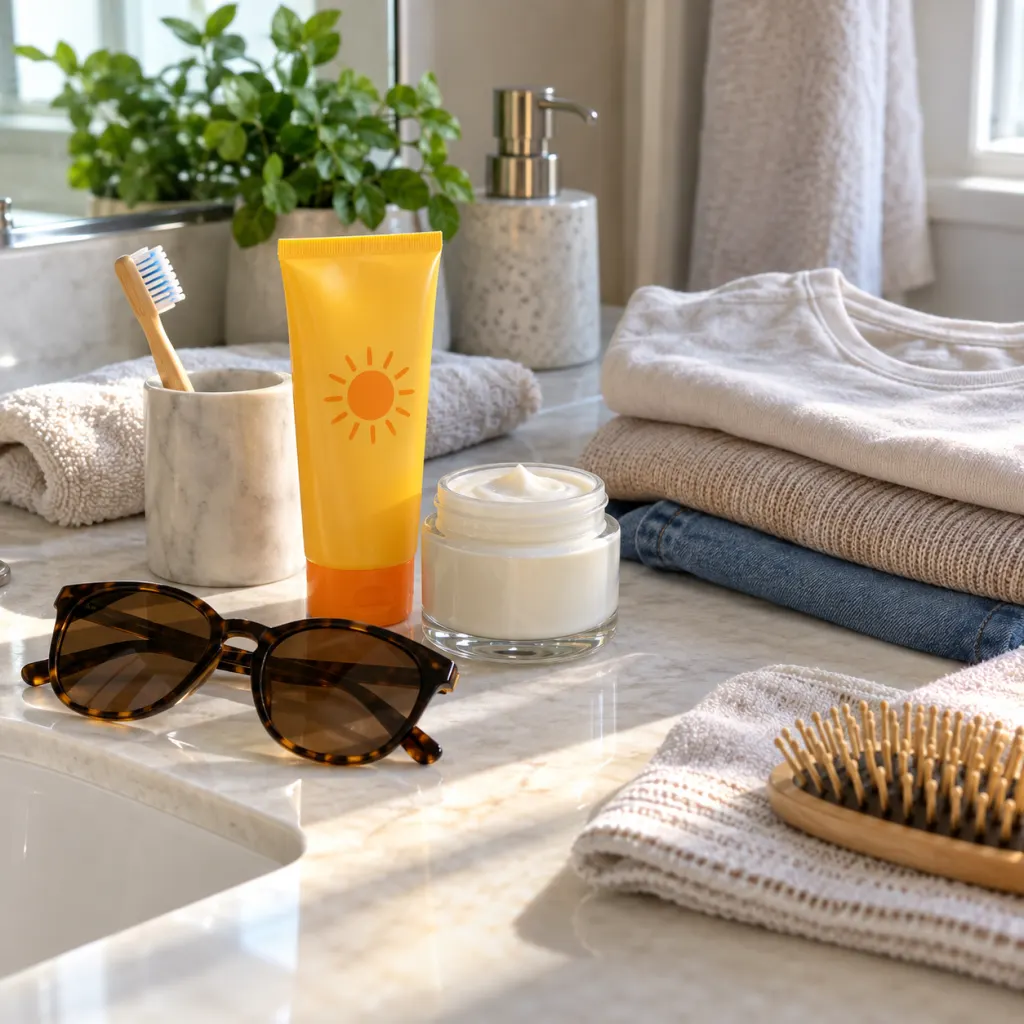
Unprotected ultraviolet exposure is one of the clearest appearance-related habits to review. The American Academy of Dermatology says the sun plays a major role in premature skin aging and recommends shade, sun-protective clothing, sunglasses, and broad-spectrum sunscreen with SPF 30 or higher for exposed skin https://www.aad.org/public/everyday-care/skin-care-secrets/anti-aging/reduce-premature-aging-skin. The issue is cumulative: daily errands, driving, gardening, walking the dog, and sitting by a bright window can add up. A practical routine is to keep sunscreen where you brush your teeth, add a hat near the door, and choose sunglasses that reduce squinting. This is not about avoiding the outdoors. It is about enjoying the outdoors without treating protection as something only needed on vacation.
2. Treating Tanning As A Shortcut To Looking Healthy
A tan may feel like instant color, but repeated tanning can make texture, uneven tone, and fine lines appear earlier. The same AAD guidance notes that tanning from the sun or indoor tanning equipment exposes skin to UV rays that accelerate visible aging https://www.aad.org/public/everyday-care/skin-care-secrets/anti-aging/reduce-premature-aging-skin. If you like a warmer look, gradual self-tanner, bronzer, or clothing colors that flatter your undertone are lower-stress choices for appearance. The habit to break is not wanting color; it is relying on UV exposure as the method.
3. Smoking Or Staying Around Smoke
Smoking is another habit strongly linked with older-looking skin. The AAD states that smoking speeds how quickly skin ages and can contribute to wrinkles and a dull-looking complexion https://www.aad.org/public/everyday-care/skin-care-secrets/anti-aging/reduce-premature-aging-skin. From an appearance standpoint, the concern is not only lines. Smoke can also make hair and clothing carry an odor, dull the brightness of a smile, and make the face look less fresh. If this habit is part of your life, support from a qualified professional can make planning more realistic than relying on willpower alone.
4. Sleeping Too Little Too Often
Short sleep shows up quickly. It can make eyes look heavier, posture less lively, and grooming decisions feel harder in the morning. The CDC notes that good sleep and enough sleep are important for health and emotional well-being, and that most adults need at least seven hours, with slightly different ranges for older adults https://www.cdc.gov/sleep/about/. For appearance, the useful move is a consistent sleep window, not a perfect routine. Dim bright screens earlier, keep caffeine and alcohol timing in mind, and make the last 20 minutes of the evening boring enough that your body gets the message. When poor sleep continues, it is worth discussing with a qualified health professional instead of accepting exhaustion as a personality trait.
5. Scrubbing, Stinging, And Overdoing Skin Care
A harsh routine can make skin look irritated rather than refreshed. The AAD advises gentle cleansing and says products that sting or burn can mean the skin is irritated; irritation can make skin look older https://www.aad.org/public/everyday-care/skin-care-secrets/anti-aging/reduce-premature-aging-skin. More steps are not always better. A simple routine can be more elegant: gentle cleanser, moisturizer, daytime sun protection, and a cautious approach to active products. If your face feels tight after washing, looks shiny from irritation, or needs makeup to hide redness caused by your routine, simplify before adding anything new.
6. Letting Dry Skin Become Your Default
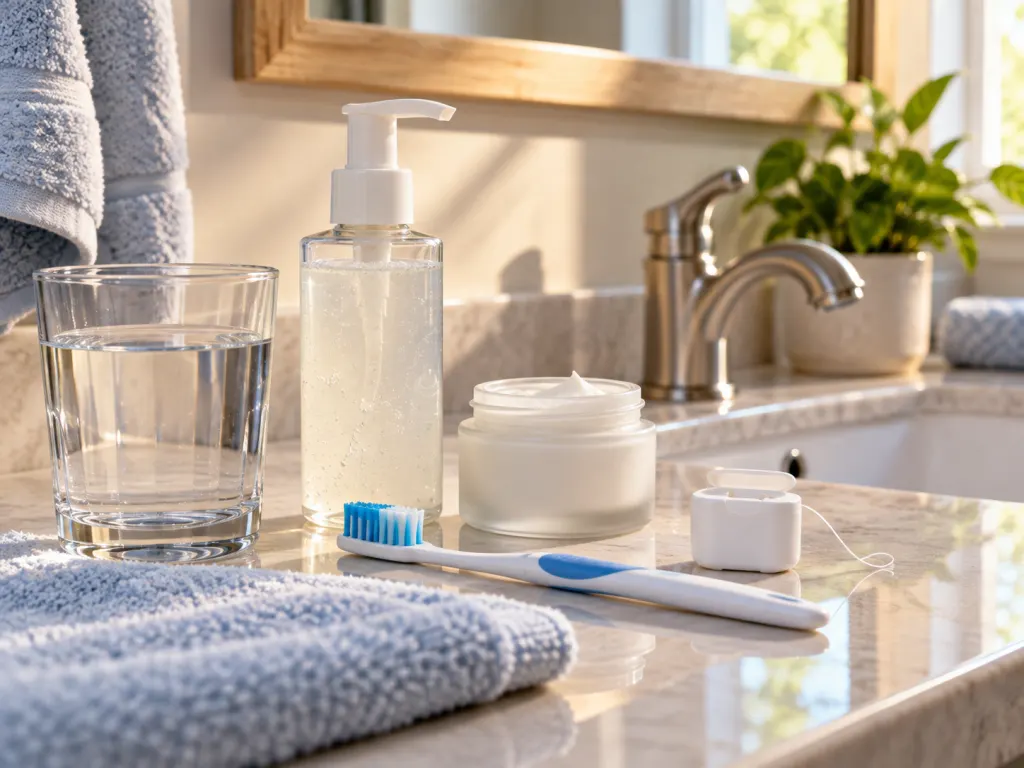
Dryness can make lines, texture, and dullness stand out. The National Institute on Aging notes that older adults often develop dry skin and that hot baths, too much soap, perfume, and dry environments can make dryness worse; it also suggests regular moisturizers, mild soap, warm rather than hot water, and a humidifier when appropriate https://www.nia.nih.gov/health/skin-care/skin-care-and-aging. The habit shift is small but visible: moisturize while skin is still slightly damp, lower the shower temperature, and keep a hand cream where you wash your hands most often. Skin does not need to look glossy to look cared for. It needs enough comfort and moisture that texture is not being exaggerated by dryness.
7. Neglecting Your Smile
A bright, comfortable smile can change the whole face. MedlinePlus advises adults to brush twice a day with fluoride toothpaste, clean between teeth daily, limit sugary snacks, avoid tobacco, and see a dentist or oral health professional regularly https://www.medlineplus.gov/ency/article/001957.htm. The appearance habit here is not chasing unnaturally white teeth. It is consistency. Staining, plaque, inflamed-looking gums, dry lips, and avoided smiling can all age the overall impression. Keep floss or interdental cleaners visible, replace a worn toothbrush, and do not wait for a crisis before scheduling care.
8. Moving Too Little During The Week
Low movement can affect how energetic a person looks because it changes posture, ease, balance, and confidence in motion. The National Institute on Aging describes physical activity as important for healthy aging and notes that older adults benefit from aerobic, muscle-strengthening, and balance activities https://www.nia.nih.gov/health/exercise-and-physical-activity/health-benefits-exercise-and-physical-activity. You do not need a dramatic routine for your appearance to benefit. Regular walks, light strength work, stretching breaks, dancing, gardening, or a beginner balance class can make movement look easier. The habit that ages you is not missing one workout; it is letting your body spend most days in the same narrow set of positions.
9. Collapsing Into One Posture All Day
Posture has an immediate visual effect. Rounded shoulders, forward head position, and a compressed chest can make someone look tired even when they are not. Mayo Clinic explains that proper body alignment can reduce excess strain on joints, muscles, and the spine, and offers a wall test to check alignment https://newsnetwork.mayoclinic.org/discussion/mayo-clinic-q-and-a-proper-posture-and-body-alignment/. The goal is not military stiffness. A natural, mobile posture usually looks younger than a forced pose. Try raising your screen, letting both feet rest on the floor, relaxing the jaw, and taking short standing breaks. You want more available positions, not one perfect position.
10. Wearing Clothes That Fight Your Current Body
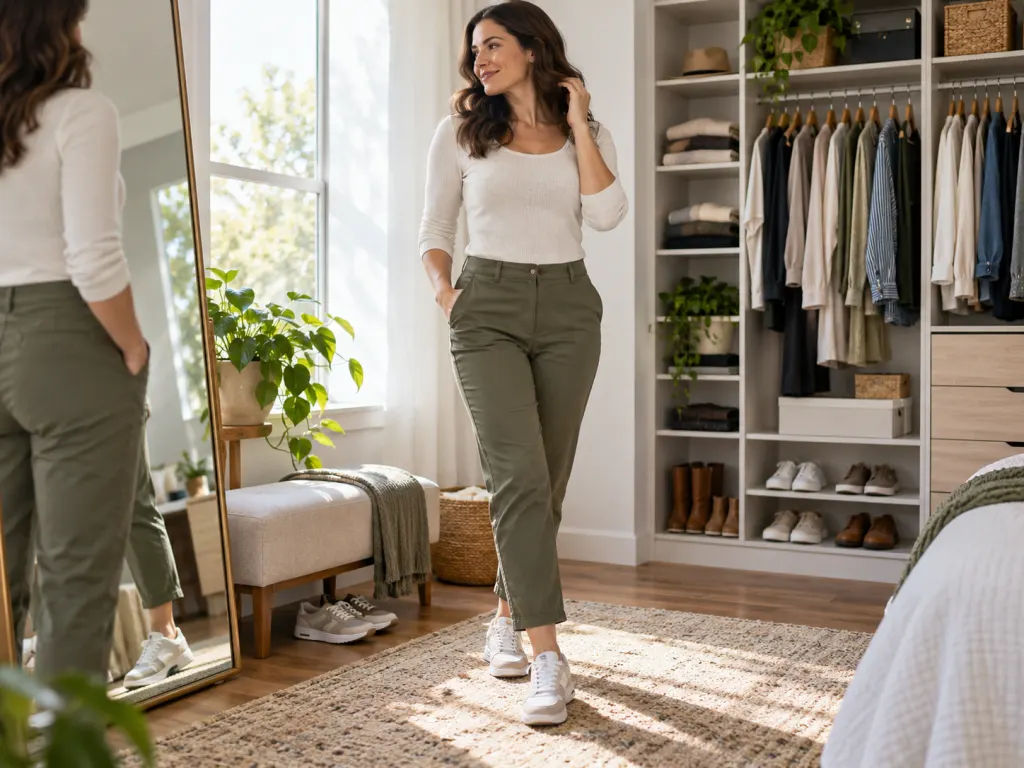
Clothes can age a person when they are too tight, too loose in the wrong places, faded past intention, or shaped for a version of the body that no longer exists. This is not about dressing young. In fact, chasing trends that do not suit your life can look less modern than a simple, well-fitted outfit. Check shoulder seams, sleeve length, trouser hems, waist comfort, and whether the fabric skims or collapses. A small alteration, a cleaner shoe, a sharper neckline, or replacing a stretched cardigan may do more than an expensive new wardrobe. Style reads as current when the clothes appear chosen, cared for, and comfortable on the person wearing them.
11. Letting Stress Live On Your Face
Stress can show up as a clenched jaw, furrowed brow, shallow breathing, tense shoulders, rushed grooming, and a face that rarely fully relaxes. The National Center for Complementary and Integrative Health describes stress as a physical and emotional reaction and notes that long-term stress may contribute to sleep problems and other symptoms https://www.nccih.nih.gov/health/stress. The appearance fix is not pretending to be calm. It is building small release points into the day: unclench your teeth, lower your shoulders, take a slow walk, step away from a screen, or use a brief breathing routine. Over time, a less guarded face often looks more open and rested.
12. Keeping The Same Grooming Choices After They Stop Working
Hair color, haircut shape, brow style, makeup texture, glasses, and facial hair can all become dated quietly. A heavy foundation that once looked polished may settle differently now. Hair that used to fall into shape may need a cleaner cut, softer layers, more moisture, or a different part. Glasses that were stylish years ago may still be sturdy but visually overpower the face. The habit is not loyalty; the habit is never reassessing. Once or twice a year, look at yourself in daylight and ask what still helps. A modern frame, a softer lip color, a neater beard line, or lighter makeup texture can refresh the face without making you look unlike yourself.
A Practical Reset Checklist
If you feel overwhelmed, start with the habits that repeat every day. You do not need to fix all 12 at once. Choose the two that are most visible in your own routine and make them easier to do than to skip.
- Put sunscreen, moisturizer, and toothbrush supplies where you already stand every morning.
- Move sunglasses, a hat, and comfortable walking shoes near the door.
- Check one outfit category each week: shoes, trousers, shirts, outer layers, then accessories.
- Set a nightly reminder that protects bedtime rather than waking time.
- Take a posture and jaw-release break when you refill water, coffee, or tea.
- Book routine dental, skin, eye, or grooming appointments before they feel urgent.
What Not To Worry About Too Much
Some visible aging is simply being alive. Smile lines, silver hair, softer facial volume, and changes in skin texture are not failures. The point of this list is not to create a new set of insecurities. It is to separate normal age from avoidable habits that make you look more depleted than you feel. A person can look mature, stylish, healthy, and attractive without trying to pass for a different decade. The most effective changes usually make you look more present: rested eyes, comfortable skin, a cared-for smile, clothes that fit, and a body that moves with ease.
Wrap-Up
The habits that can make you look older are usually ordinary: too much unprotected sun, tanning, smoking, short sleep, harsh cleansing, dry-skin neglect, skipped oral care, low movement, tense posture, outdated fit, unreviewed grooming, and stress that never gets a release valve. You do not need to chase youth or buy a shelf of products. Start with protection, sleep, gentle care, movement, fit, and maintenance. Those basics help you look more rested, current, and comfortable in your own skin.
Frequently Asked Questions
- → Is looking older always a sign that something is wrong?
No. Many visible changes are normal with time, including texture, lines, hair color changes, and shifts in facial fullness. This guide focuses on daily habits that can make a person look more tired, dry, tense, or dated than they feel.
- → Which habit should I change first if I only choose one?
Start with daily sun protection if your routine does not already include it. It is simple, evidence-supported, and affects exposed areas such as the face, neck, hands, and forearms over time.
- → Can clothing really make someone look older?
Yes, but usually because of fit, condition, and proportion rather than age rules. Clothes that pull, sag, fade unintentionally, or no longer match your current body can make the whole look feel dated. Well-fitting basics often look fresher than trend-driven pieces.
- → Do I need an expensive skin care routine?
No. A gentle cleanser, moisturizer, and daytime sun protection can be a strong foundation. If products sting, burn, or leave your skin tight, the routine may be too harsh for you.
- → When should I ask a professional about appearance changes?
Consider professional guidance when a change is sudden, uncomfortable, worrying, or hard to explain, or when sleep, skin, dental, posture, or stress concerns are affecting daily life. A qualified professional can personalize advice to your situation.
References
This content was developed and refined using reliable sources.
- https://www.aad.org/public/everyday-care/skin-care-secrets/anti-aging/reduce-premature-aging-skin
- https://www.nia.nih.gov/health/skin-care/skin-care-and-aging
- https://www.cdc.gov/sleep/about
- https://www.medlineplus.gov/ency/article/001957.htm
- https://newsnetwork.mayoclinic.org/discussion/mayo-clinic-q-and-a-proper-posture-and-body-alignment
- https://www.nia.nih.gov/health/exercise-and-physical-activity/health-benefits-exercise-and-physical-activity
- https://www.nccih.nih.gov/health/stress