 Save
Vitamin B1 matters for brain health because the brain depends heavily on steady energy metabolism, and thiamine helps cells use energy from food. That does not mean B1 is a proven stand-alone answer for dementia or longevity. The practical takeaway is simpler and more useful: avoid deficiency, get thiamine from a varied eating pattern when possible, and view B1 as one part of a larger healthy aging picture that also includes movement, sleep, hearing care, blood pressure care, social connection, and regular medical follow-up.
The interest in vitamin B1 is understandable. Severe thiamine deficiency can affect thinking and memory, and thiamine is involved in nervous system function. But dementia is not one single process with one nutritional switch. Public health sources emphasize multiple risk factors, and a Cochrane review found too little high-quality trial evidence to frame thiamine as an Alzheimer disease answer. This article explains what B1 does, where the evidence is solid, where it is limited, and how to think about it without fear or hype.
The Direct Answer: Important, But Not Magic
Thiamine is a water-soluble B vitamin, meaning the body stores only limited amounts and needs a regular supply from food. The National Institutes of Health Office of Dietary Supplements explains that thiamine plays a critical role in energy metabolism and in the growth, development, and function of cells (NIH ODS). That is the strong part of the story: B1 is genuinely essential.
The weaker part is the leap from “essential” to “guaranteed brain protection.” Dementia risk reflects age, genetics, vascular health, hearing, alcohol use, smoking, physical activity, sleep, social engagement, and other factors. The CDC lists several common dementia risk factors, including lack of physical activity, uncontrolled diabetes, high blood pressure, hearing loss, tobacco use, and alcohol use (CDC). Thiamine adequacy belongs in the nutrition conversation, but it should not crowd out the rest of the evidence.
What Thiamine Does In The Body
Thiamine helps the body convert food into usable energy. The NIH ODS describes thiamine diphosphate as the main metabolically active form of the vitamin and notes that it works as a cofactor for enzymes involved in glucose, amino acid, and lipid metabolism (NIH ODS). In plain language, thiamine helps keep the energy machinery of cells running.
That energy role is especially relevant to the nervous system because the brain is energy-demanding. When thiamine status is very low, the effects can include confusion and short-term memory problems. MedlinePlus describes Wernicke-Korsakoff syndrome as a brain disorder linked to lack of vitamin B1, with Wernicke encephalopathy and Korsakoff syndrome representing related patterns of brain injury (MedlinePlus). This is one reason clinicians take severe deficiency seriously.
Still, deficiency-related brain problems and common age-related dementias are not the same thing. A nutrient can be essential without being a single lever for complex brain diseases. The responsible question is not “Can one vitamin control dementia?” but “Is this person getting enough of an essential nutrient, and are other brain-health factors being addressed too?”
Food Sources And Kitchen Realities
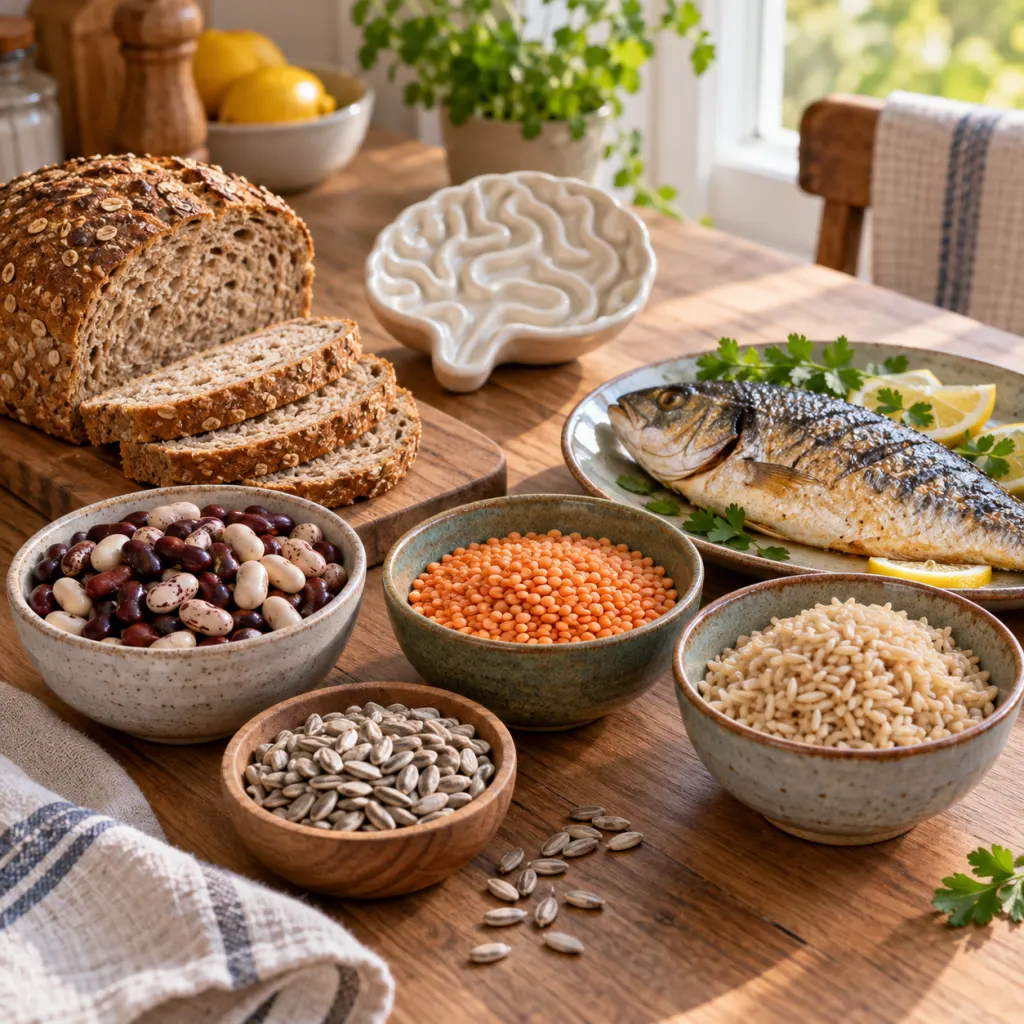
Thiamine appears naturally in foods such as whole grains, pork, fish, legumes, and some seeds, and it is added to many enriched or fortified grain products. NIH ODS notes that breads and cereals are common thiamine sources in the United States and that pork is another major source (NIH ODS). A home-cooking lens is useful here because thiamine is water-soluble and sensitive to some food-processing and cooking choices.
- Whole and enriched grains: Whole wheat bread, enriched rice, enriched pasta, and fortified breakfast cereals can contribute meaningful amounts.
- Legumes: Beans and lentils are practical, inexpensive thiamine-containing foods.
- Animal foods: Pork and some fish can be notable sources for people who eat them.
- Cooking habits: Because thiamine dissolves in water, discarding cooking water can reduce what remains in the finished food.
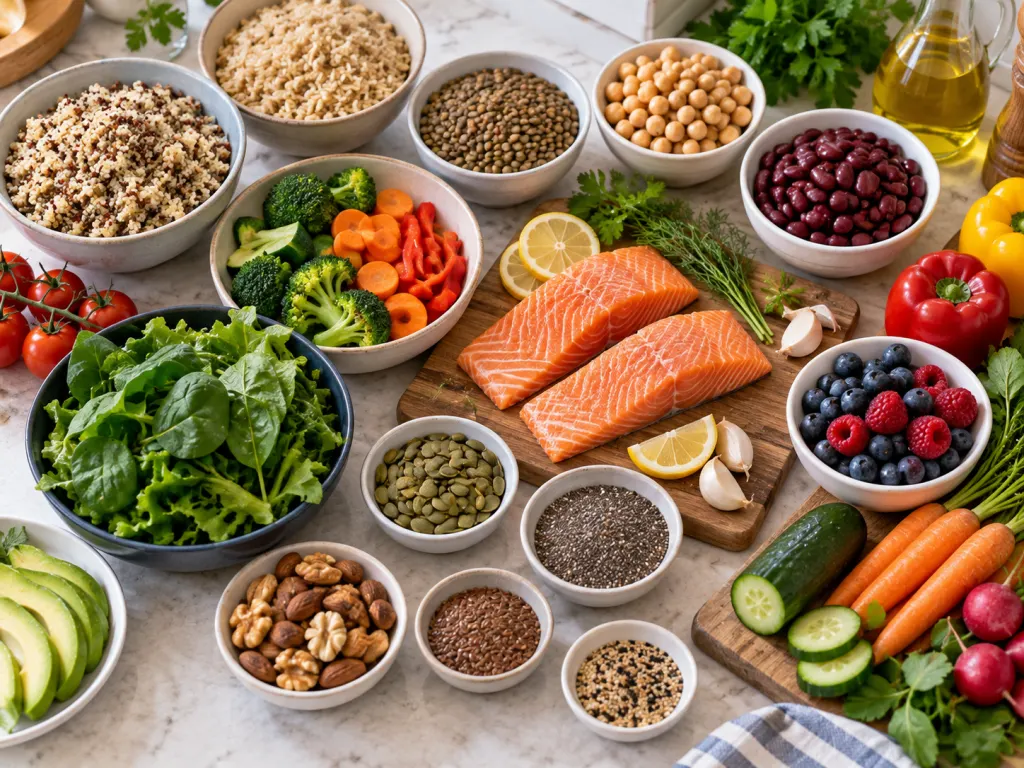
- Variety: A pattern that includes grains, legumes, protein foods, vegetables, and nuts or seeds is more reliable than depending on one “superfood.”
This does not mean every meal has to be engineered around B1. It means that very narrow eating patterns, heavy reliance on highly refined staples without enrichment, or low overall intake can make thiamine worth discussing with a qualified professional.
Where Dementia Evidence Is Stronger
Dementia is an umbrella term for changes in memory, thinking, or decision-making that interfere with everyday life. Alzheimer disease is one cause, but not the only one. The National Institute on Aging explains that age is a major risk factor for Alzheimer disease, while lifestyle and health factors such as physical inactivity, unhealthy diet, alcohol misuse, smoking, poor sleep, social isolation, and unmanaged chronic health issues are also part of the broader brain-health conversation (National Institute on Aging).
WHO guidelines on reducing risk of cognitive decline and dementia also frame the issue broadly, focusing on lifestyle behaviors and public health approaches rather than a single nutrient solution (World Health Organization). This matters because readers often encounter dramatic claims about one vitamin, one supplement, or one food. The authoritative sources point in a different direction: brain health is built through a pattern of care, not a shortcut.
Nutrition still belongs in that pattern. A balanced eating pattern can support cardiovascular and metabolic health, and those systems are connected to the brain. But a diet detail is strongest when it is placed in context. Thiamine adequacy is a foundation stone, not the whole building.
What Research Says About B1 And Alzheimer Disease
The most careful answer is that thiamine deficiency is clearly harmful, while extra thiamine as an Alzheimer disease strategy has not been proven by strong clinical evidence. A Cochrane review of thiamine for Alzheimer disease found only three small randomized trials with fewer than 50 total participants and concluded that the evidence was inadequate for firm conclusions (Cochrane).
That finding should lower the temperature of the conversation. It does not make thiamine unimportant. It means the evidence does not justify turning B1 into a promise about Alzheimer disease. A person who is deficient needs proper evaluation. A person who is not deficient should be cautious about assuming that more is automatically better for memory, lifespan, or daily mental sharpness.
The difference between “adequate” and “extra” is central. Adequate thiamine supports normal body function. Extra thiamine for a complex brain condition is a different claim, and the evidence bar is much higher. That is why food-first adequacy, routine care, and individualized advice are more credible than blanket supplement claims.
When Low Thiamine Deserves Attention
Most healthy people in the United States appear to get recommended amounts of thiamine, according to NIH ODS, though the same source notes that no current national data describe deficiency rates in the U.S. population (NIH ODS). Some groups may need closer attention, including people with alcohol dependence, some older adults, and people with certain conditions that affect intake or absorption. NIH ODS reports that up to 20% to 30% of older adults have laboratory indicators suggesting some degree of thiamine deficiency, while also noting possible reasons such as lower intake, chronic conditions, multiple medicines, and lower absorption with aging.
Readers should avoid self-labeling ordinary forgetfulness as a vitamin problem. Memory changes can have many explanations, including sleep disruption, stress, hearing difficulty, depression, thyroid problems, infections, medication effects, and neurodegenerative disease. Sudden confusion, rapid changes in walking, fainting, severe weakness, or major changes in vision or awareness deserve prompt medical evaluation. Slower changes in memory or daily function also deserve a careful conversation with a qualified clinician, especially when family members notice a pattern.
For thiamine specifically, the useful question is not whether every adult needs a special pill. It is whether the person’s eating pattern, health history, alcohol intake, digestive history, or living situation makes low intake or poor absorption plausible.

A Longevity-Minded Way To Think About B1
Longevity is often marketed as if one nutrient can unlock it. Public health evidence is more grounded. Healthy aging depends on maintaining function, independence, social connection, mobility, sleep, and management of ongoing health conditions. CDC describes healthy aging as maintaining physical, mental, and social health and well-being as people grow older, with habits such as balanced nutrition, regular activity, mental stimulation, social engagement, emotional well-being, injury avoidance, and routine health care all contributing to the picture (CDC).
Thiamine fits into that picture as a basic nutrient, not as a longevity guarantee. It supports normal energy metabolism. It appears in ordinary foods. It can become clinically important when intake or absorption is poor. Those facts are enough to make B1 worth understanding without stretching the evidence.
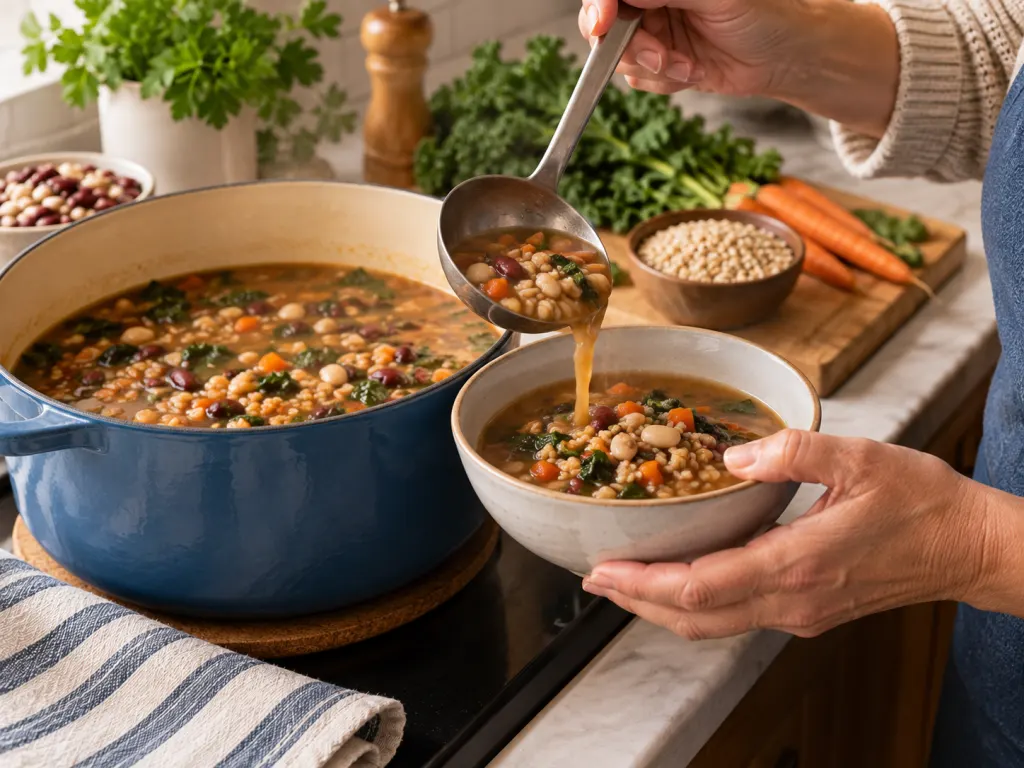
A practical longevity-minded plate does not need to look exotic. It might include oatmeal with seeds, beans with brown or enriched rice, whole grain toast with eggs, lentil soup, fish with vegetables, or a pork and bean stew. The pattern can vary by culture, budget, and preferences. What matters is consistency, adequacy, and the absence of fear-based thinking around food.
How To Discuss B1 With A Clinician
A short, specific conversation is usually more useful than bringing in a list of internet claims. If you are worried about thiamine status, memory changes, alcohol intake, unintentional weight loss, or a very limited eating pattern, it helps to describe the pattern plainly. Bring a list of supplements and medicines, describe typical meals, and note any changes in balance, walking, appetite, or daily functioning.
It is also reasonable to ask whether a registered dietitian could help review food intake, especially for older adults living alone, people recovering from illness, or families trying to support a relative whose meals have become repetitive. The goal is not to chase one lab number or one nutrient trend. The goal is to understand the whole situation, including food access, appetite, cooking ability, alcohol use, medical history, and cognitive changes.
For caregivers, the most useful observation may be functional: missed bills, spoiled food, repeated questions, getting lost, or trouble following familiar recipes can matter more than a single memory lapse. Those patterns deserve careful assessment rather than a quick assumption that one vitamin is the explanation.
Bottom Line For Readers
Vitamin B1 is essential, and severe deficiency can affect the brain. That much is well supported. The larger claim that B1 is the single key to dementia or longevity is not supported by the evidence opened for this draft. A better conclusion is both calmer and more useful: eat in a way that reliably supplies thiamine, pay attention to situations that can make deficiency more likely, and treat brain health as a broad, long-term pattern.
If an article, video, or supplement label makes one nutrient sound like the missing answer to aging, pause. Ask whether it distinguishes deficiency from extra intake, whether it cites human evidence, and whether it acknowledges other brain-health factors. Good health information usually sounds less dramatic because real biology is more complicated than a headline.
Wrap-Up
Vitamin B1, or thiamine, supports normal energy metabolism and nervous system function. Low thiamine can cause serious brain-related problems, but that does not make B1 a stand-alone answer for dementia or longevity. The strongest practical approach is to maintain adequate intake through a varied eating pattern, recognize situations where deficiency risk may be higher, and address broader healthy aging factors such as activity, sleep, hearing, alcohol use, smoking, blood pressure, social connection, and regular care. Personal concerns about memory changes or possible deficiency should be discussed with a qualified health professional.
Frequently Asked Questions
- → Is vitamin B1 the same as thiamine?
Yes. Vitamin B1 is commonly called thiamine. It is a water-soluble B vitamin that helps the body use energy from food and supports normal cell function.
- → Can low thiamine affect memory?
Severe thiamine deficiency can affect the brain and may involve confusion or short-term memory problems. That is different from saying that ordinary memory changes are always caused by low B1. Memory concerns deserve a broader medical review.
- → Do older adults need to think about thiamine?
Older adults may benefit from paying attention to overall food intake, especially when appetite, cooking ability, alcohol use, illness, or living situation changes. NIH ODS notes that some older adults have laboratory indicators suggesting low thiamine status, but individual decisions should be made with a qualified professional.
- → What foods provide vitamin B1?
Common sources include whole grains, enriched grain products, fortified cereals, pork, fish, beans, lentils, and some seeds. A varied eating pattern is usually more practical than relying on one food.
- → What is the safest takeaway about B1 and dementia research?
The safest takeaway is that adequate thiamine is important, deficiency should be taken seriously, and current evidence does not support treating B1 as a single answer for Alzheimer disease or longevity. Brain health is influenced by many factors.
References
This content was developed and refined using reliable sources.
- https://ods.od.nih.gov/factsheets/Thiamin-HealthProfessional
- https://medlineplus.gov/ency/article/000771.htm
- https://www.nia.nih.gov/health/alzheimers-causes-and-risk-factors/what-causes-alzheimers-disease
- https://www.who.int/publications/i/item/9789241550543
- https://www.cochrane.org/evidence/CD001498_insufficient-evidence-efficacy-thiamine-people-alzheimers-disease
- https://www.cdc.gov/alzheimers-dementia/prevention/index.html