 Save
The 15 kidney warning signs worth catching early are not a home diagnosis checklist. They are signals to take seriously: changes in urination, foamy urine, blood in urine, swelling, puffy eyes, fatigue, trouble concentrating, dry or itchy skin, nausea, appetite loss, unexplained weight change, muscle cramps, shortness of breath, side or back pain, fever with urinary symptoms, and very low urine output. The key is pattern and persistence. The National Institute of Diabetes and Digestive and Kidney Diseases notes that many people in the early stages of chronic kidney disease have no symptoms, and that blood and urine tests are often the only way to know what is happening https://www.niddk.nih.gov/health-information/kidney-disease/chronic-kidney-disease-ckd/what-is-chronic-kidney-disease.
This article keeps the topic practical and calm. Some signs below can come from kidney disease, stones, infection, dehydration, anemia, lung problems, digestive illness, or other causes. What matters is not guessing correctly at home. What matters is noticing the change, describing it clearly, and getting appropriate testing or care when the pattern is concerning.
Start With What Kidneys Quietly Do
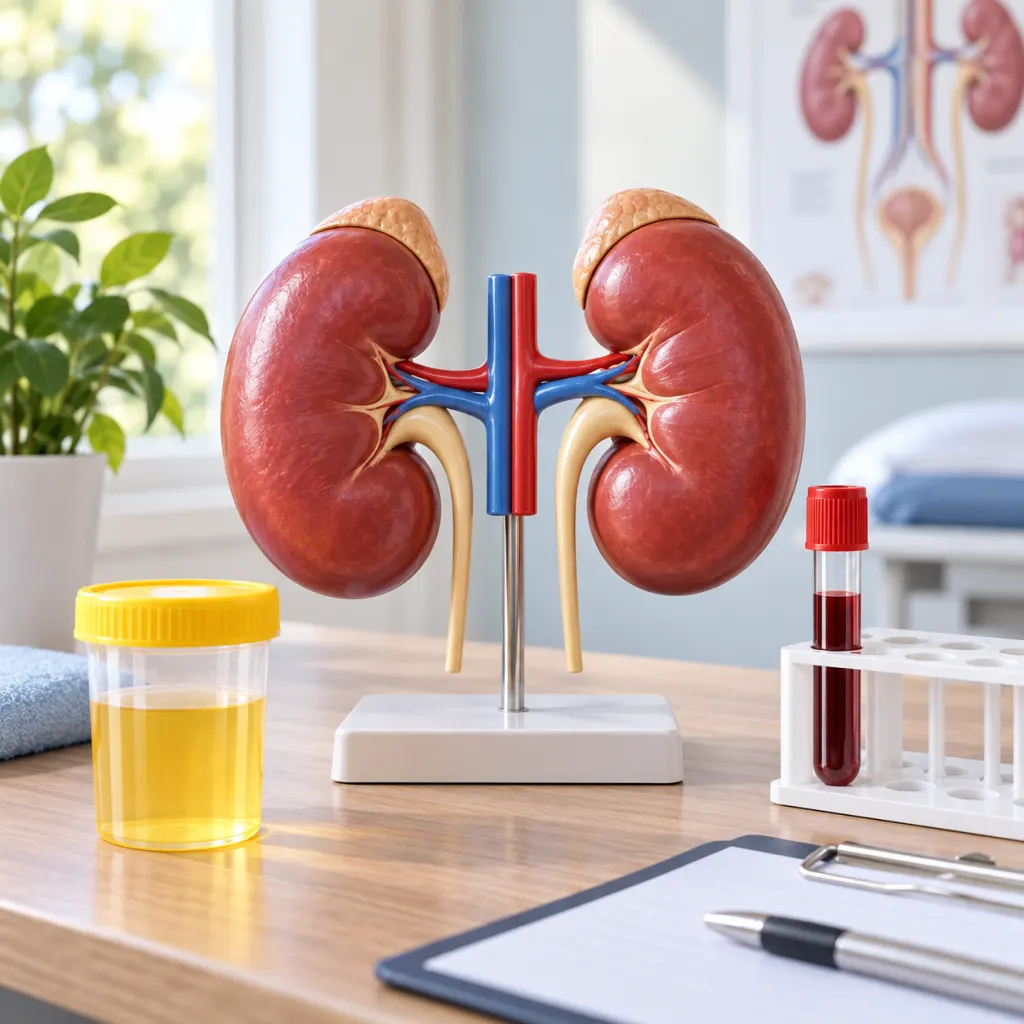
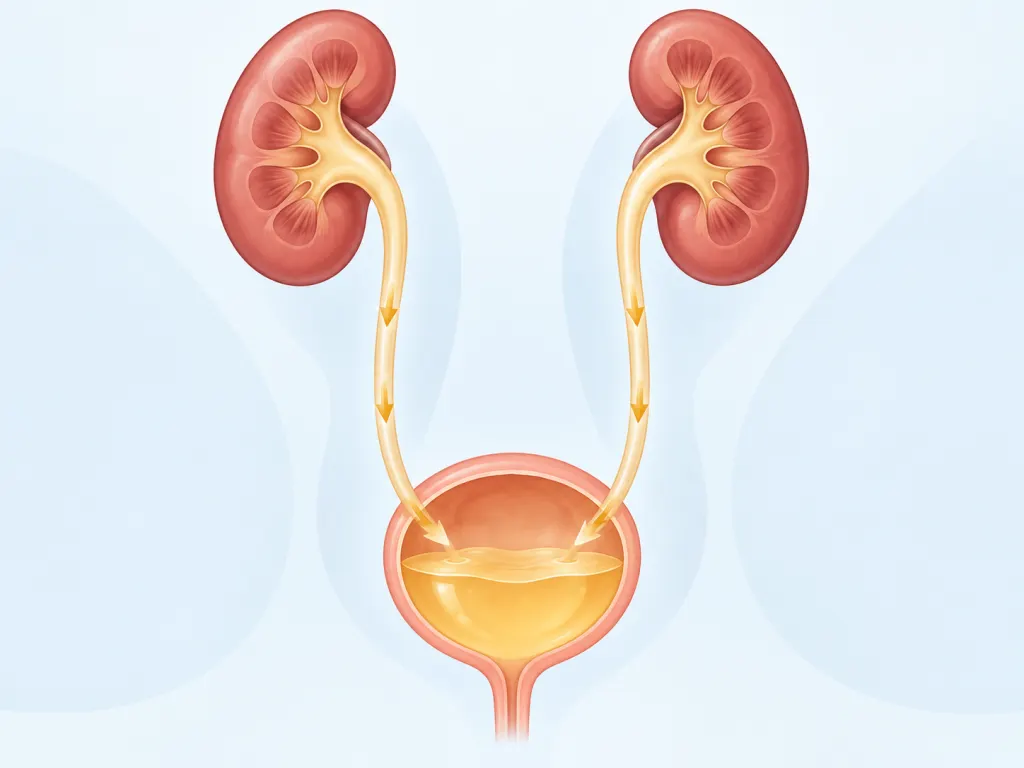
Your kidneys filter waste and extra fluid from the blood, help maintain the body’s fluid and mineral balance, and send urine through the urinary tract. When that filtering system is strained or damaged, the first signs may be subtle. They may look like a change in urine, swelling at the ankles, tiredness that does not match your day, or appetite changes that are easy to blame on stress.
That is why symptoms alone are a weak measuring tool. The CDC explains that kidney testing commonly includes urine checks for protein and blood tests that estimate filtering function, including serum creatinine and GFR. A urine albumin-to-creatinine ratio can show albumin in urine, and a result above 30 may point toward kidney disease when interpreted by a clinician https://www.cdc.gov/kidney-disease/testing/index.html.

The 15 Signs, Grouped by What They May Show
A numbered list can be useful, but kidney signs make more sense when grouped by body system. The following changes are not equal in urgency, and none proves a diagnosis by itself. They are best understood as reasons to pay attention and, when appropriate, ask for medical evaluation.
- 1. A change in how often you urinate: urinating much more often, waking repeatedly at night to urinate, or noticing a new pattern can matter when it persists.
- 2. Very little urine or urine that stops: this is more concerning than a mild color change, especially when paired with illness, swelling, confusion, or shortness of breath.
- 3. Foamy urine: persistent foam may occur when protein is present in urine, though only testing can confirm that.
- 4. Blood in urine: pink, red, cola-colored, or visibly bloody urine should not be ignored.
- 5. Cloudy or strong-smelling urine with burning: this can point toward a urinary infection, especially with fever or side pain.
- 6. Swelling in the feet, ankles, hands, or face: fluid retention can occur when kidneys are not removing extra fluid and salt normally.
- 7. Puffiness around the eyes: repeated morning puffiness can sometimes appear with protein loss in urine.
- 8. Persistent fatigue: kidney disease and many other conditions can leave a person unusually tired.
- 9. Trouble concentrating: waste buildup, poor sleep, anemia, and other issues can all contribute.
- 10. Dry or itchy skin: MedlinePlus lists itching and dry skin among symptoms that may appear with chronic kidney disease https://medlineplus.gov/ency/article/000471.htm.
- 11. Nausea or vomiting: recurring nausea, vomiting, or appetite loss may appear when kidney function is worse, but it also has many common non-kidney causes.
- 12. Unexplained weight change: appetite loss and ongoing nausea can lead to unintended weight loss.
- 13. Muscle cramps or twitching: mineral and fluid shifts can contribute, though cramps are common and often unrelated.
- 14. Shortness of breath: this needs careful attention because it can involve fluid balance, anemia, lung conditions, or heart-related issues.
- 15. Side or back pain with fever, chills, blood in urine, or vomiting: that combination can be more urgent than isolated soreness.
Urine Changes Are Often the Clearest Clue
Urine changes are easy to overlook because they vary with fluid intake, foods, exercise, and illness. Still, several patterns deserve attention. Foamy urine that keeps happening may be a clue that protein is passing into urine. The CDC describes protein leakage into urine as one of the early signs kidney testing can detect, while also emphasizing that urine testing is needed to know what is really present https://www.cdc.gov/kidney-disease/testing/index.html.
Blood in urine is different from ordinary dark urine after sweating or low fluid intake. Visible blood, burning while urinating, cloudy urine, or urine with a bad smell may occur with stones or infection. MedlinePlus lists blood in urine, fever and chills, vomiting, cloudy or bad-smelling urine, and burning with urination as signs of kidney stones that need a doctor’s help https://medlineplus.gov/kidneystones.html.
Swelling, Puffiness, and Breathlessness Need Context
Swelling is not automatically a kidney problem. Long standing, prolonged sitting, heat, vein problems, and many other issues can cause puffy ankles. But swelling that is new, worsening, one part of a larger pattern, or paired with breathlessness deserves a closer look. NIDDK explains that edema can happen when kidneys cannot remove extra fluid and salt from the body, and that it may appear in the legs, feet, ankles, hands, or face https://www.niddk.nih.gov/health-information/kidney-disease/chronic-kidney-disease-ckd/what-is-chronic-kidney-disease.
Shortness of breath should never be brushed aside just because it appears with swelling. It can be linked to several body systems, including the lungs and heart, as well as fluid balance and anemia. A useful detail to share with a clinician is timing: whether it happens when lying flat, climbing stairs, waking at night, or during an illness.

Pain, Fever, and Sudden Illness Are Different From Subtle Changes
A dull backache after lifting groceries is not the same as flank pain with fever, chills, vomiting, or blood in urine. Kidney stones can cause extreme back or side pain, and infection can cause fever, chills, burning with urination, frequent urination, back or side pain, nausea, vomiting, pus or blood in urine, and cloudy or bad-smelling urine. Mayo Clinic advises prompt medical care for kidney infection symptoms and right away care for fever, chills, severe pain, bloody urine, or nausea and vomiting https://www.mayoclinic.org/diseases-conditions/kidney-infection/symptoms-causes/syc-20353387.
Sudden urine output changes are also important. MedlinePlus describes acute kidney failure as a rapid loss of kidney ability to remove waste and balance fluids and electrolytes. Symptoms may include blood in urine, fatigue, flank pain, nausea or vomiting, shortness of breath, swelling, and urination changes such as little or no urine or urination that stops completely https://medlineplus.gov/ency/article/000501.htm.
The Quieter Signs Are Easy to Misread
Fatigue, brain fog, itching, cramps, nausea, and appetite loss are frustrating because they are common and nonspecific. They can come from poor sleep, stress, infection, anemia, thyroid problems, digestive illness, mental health strain, or many other causes. In kidney disease, they are more likely to appear as kidney function worsens, not as a neat early alarm bell.
That distinction matters. A person does not need to panic over one tired week or one itchy afternoon. The more useful pattern is persistence, combination, and change from baseline. For example, fatigue plus swelling plus foamy urine is more informative than fatigue alone. Nausea plus little urine plus shortness of breath is more concerning than a short-lived upset stomach.
How Clinicians Confirm Whether Kidneys Are Involved
Good kidney evaluation is usually built around questions, physical exam findings, urine testing, and blood testing. A clinician may ask when symptoms began, whether urine changed, whether there is fever, whether swelling is new, and whether similar problems have happened before. They may also ask about known health conditions, family history, recent infections, and recent imaging or procedures.
The two central tests for chronic kidney disease are usually a blood test that estimates GFR and a urine test for albumin. NIDDK explains that a GFR of 60 or more is generally in the normal range when paired with a normal urine albumin test, while lower values or albumin in urine need interpretation in context https://www.niddk.nih.gov/health-information/kidney-disease/chronic-kidney-disease-ckd/tests-diagnosis?dkrd=hispt1311. Because single results can be affected by timing and circumstance, repeat testing may be needed before conclusions are made.
When to Seek Prompt Help
Some kidney-related signs can wait for a scheduled conversation. Others should move faster. Seek medical care right away for fever and chills with urinary symptoms, severe side or back pain that does not settle, bloody urine, repeated vomiting, confusion, shortness of breath, swelling that worsens quickly, or urine output that slows sharply or stops. These signs can reflect infection, blockage, acute kidney injury, or another serious problem that needs direct assessment.
For slower changes, make a clear record instead of relying on memory. Note what changed, when it began, whether it is daily or occasional, and what comes with it. Useful examples include: shoes suddenly tight by evening, urine foam that appears most mornings, waking several times at night to urinate, or appetite loss with nausea. Specific details help a clinician decide which tests are appropriate.
A Practical Way to Track Changes Without Spiraling
Kidney awareness should be steady, not frightening. A simple one-week symptom log can be enough: urine appearance, urination pattern, swelling, weight change, energy level, nausea, fever, pain location, and anything that makes symptoms better or worse. Bring the log to an appointment rather than trying to interpret it alone.
It also helps to separate observation from conclusion. “My urine has looked foamy for two weeks” is more useful than “my kidneys are failing.” “My ankles are swollen and I am short of breath when lying down” is more useful than “I am retaining fluid.” Calm, precise language makes it easier for a qualified professional to decide what needs attention now and what can be monitored.
Wrap-Up
Kidney warning signs are most useful when they are treated as prompts for evaluation, not as proof of a diagnosis. The signs most worth noticing are persistent urine changes, blood in urine, foamy urine, swelling, puffy eyes, severe side or back pain, fever with urinary symptoms, nausea or vomiting, unexplained appetite or weight changes, fatigue, trouble concentrating, itchy skin, cramps, shortness of breath, and very low urine output. Because early chronic kidney disease can have no symptoms, blood and urine tests remain the clearest way to understand kidney status. New, severe, fast-moving, or grouped symptoms deserve prompt medical attention.
Frequently Asked Questions
- → Can kidney disease have no early symptoms?
Yes. Authoritative health sources note that early chronic kidney disease often has no symptoms. That is why urine and blood tests are important when a clinician thinks kidney checks are appropriate for a person’s risk profile or symptoms.
- → Is foamy urine always a kidney problem?
No. Temporary bubbles can happen for ordinary reasons, including a fast urine stream. Persistent foam, especially with swelling or other changes, is worth discussing because protein in urine can be checked with a urine test.
- → What kidney signs are more urgent?
Fever and chills with urinary symptoms, severe side or back pain, bloody urine, repeated vomiting, shortness of breath, confusion, fast-worsening swelling, or urine output that slows sharply or stops should be handled promptly.
- → Which tests are commonly used to check kidney status?
Common tests include a blood test used to estimate GFR and a urine test for albumin. A clinician may add other blood, urine, imaging, or follow-up tests depending on symptoms and exam findings.
- → Should I use this list to decide whether I have kidney disease?
No. The list is a noticing tool, not a diagnosis tool. Many symptoms overlap with other conditions. A doctor or qualified health professional can interpret symptoms, history, exam findings, and test results together.
References
This content was developed and refined using reliable sources.
- https://www.niddk.nih.gov/health-information/kidney-disease/chronic-kidney-disease-ckd/what-is-chronic-kidney-disease
- https://www.cdc.gov/kidney-disease/testing/index.html
- https://medlineplus.gov/ency/article/000471.htm
- https://medlineplus.gov/kidneystones.html
- https://www.mayoclinic.org/diseases-conditions/kidney-infection/symptoms-causes/syc-20353387
- https://medlineplus.gov/ency/article/000501.htm
- https://www.niddk.nih.gov/health-information/kidney-disease/chronic-kidney-disease-ckd/tests-diagnosis?dkrd=hispt1311