 Save
Several commonly used medications, including everyday pain relievers, heartburn drugs, and some antibiotics, can place significant stress on kidney tissue. Understanding which drug classes carry greater kidney concern is an important part of informed, supervised medication use.
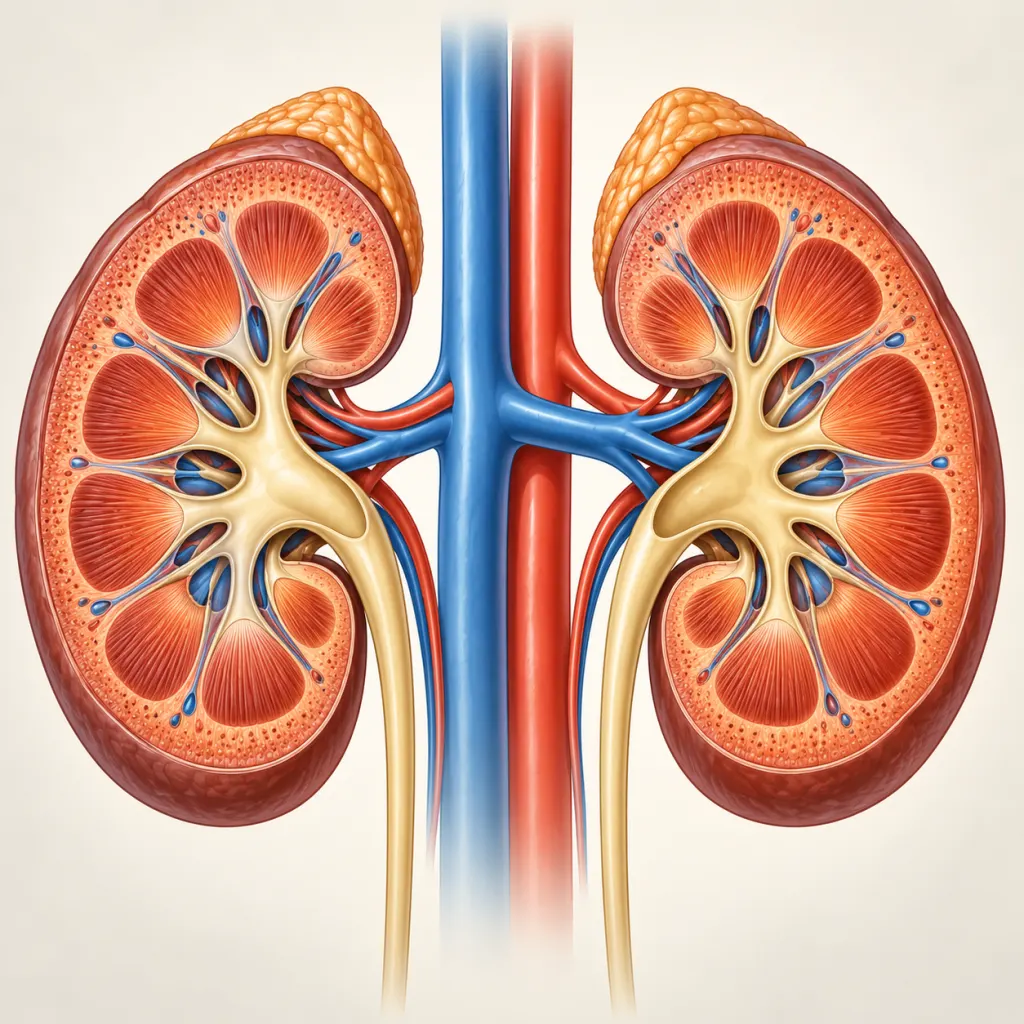
The kidneys are two fist-sized organs that filter approximately 200 liters of blood each day, removing waste products, balancing fluids, and regulating electrolytes. Because every substance that enters the bloodstream, including medications, must pass through these intricate filters, the kidneys are uniquely exposed to drug-related stress. According to MedlinePlus and published clinical research, drug-related factors account for roughly 19 to 26 percent of acute kidney injury (AKI) cases among hospitalized patients, a figure that underscores the real-world significance of medication-related kidney harm.
Awareness of which medications carry elevated kidney concern, what conditions increase individual vulnerability, and what symptoms should prompt medical evaluation helps people have more productive conversations with prescribers and pharmacists. This article explains the main drug categories linked to kidney concerns, the biological mechanisms behind that relationship, and evidence-based protective steps, all within the context of professional medical guidance.
How the Kidneys Process Medications
The kidneys perform continuous, high-volume filtration: blood arrives under pressure, small molecules including drug compounds pass through the glomeruli into the tubule network, and the organs then decide what to reabsorb and what to excrete. This process means that kidneys regularly encounter high local concentrations of medications and their metabolic byproducts, sometimes far higher than concentrations present elsewhere in the body.
Cleveland Clinic identifies several distinct pathways through which medications can damage this filtration system. Crystal nephropathy occurs when certain drugs or their metabolites form crystals that block tubule channels. Glomerular damage affects the delicate blood-vessel structures responsible for initial filtration. Inflammation, particularly acute interstitial nephritis, arises as an immune response to some drugs and can, over time, cause scarring. Renal tubular toxicity results from direct chemical damage to the cells lining the tubules. Finally, thrombotic microangiopathy involves blood clots forming in the kidney's smallest vessels, impairing local blood supply.
Certain individual characteristics raise the likelihood that a medication will cause measurable kidney harm. These include older age, pre-existing kidney impairment, diabetes, cardiovascular disease, chronic dehydration, and the simultaneous use of multiple medications with kidney-affecting potential. People with any of these characteristics benefit most from proactive discussions with their healthcare providers before starting or continuing any long-term medication regimen.

NSAIDs: Widely Used Pain Relievers With a Kidney Caveat
Non-steroidal anti-inflammatory drugs (NSAIDs), including ibuprofen, naproxen, and high-dose aspirin, are among the most commonly used medications worldwide and are widely available without a prescription. They work by inhibiting prostaglandin synthesis, which reduces inflammation and pain effectively. However, prostaglandins also help maintain adequate blood flow to the kidneys; when prostaglandin levels fall significantly, the blood vessels supplying the kidneys can narrow, reducing the filtration rate.
The FDA has sponsored research into NSAID-related kidney harm, noting that more than 111 million people in the United States take prescription NSAIDs each year, and that many patients using these drugs, whether over-the-counter or prescription, are unaware of the potential for kidney injury. Approximately 1 to 5 percent of NSAID users develop some form of acute renal complication, with risk increasing substantially among older adults, those with reduced baseline kidney function, and people who are dehydrated. According to MedlinePlus, chronic use of analgesics, particularly formulations combining multiple active pain-relieving ingredients, is a recognized cause of analgesic nephropathy, a condition involving gradual, cumulative kidney damage that can progress with prolonged daily use.
Short-term, occasional NSAID use under professional guidance is appropriate for many people. The concern rises with duration, dose, frequency, and the presence of additional risk factors. A clinician or pharmacist is best placed to advise on the appropriate choice and duration for any individual situation.
Proton Pump Inhibitors and Kidney Health
Proton pump inhibitors (PPIs), such as omeprazole, esomeprazole, and lansoprazole, reduce stomach acid production and are prescribed for acid reflux, gastroesophageal reflux disease (GERD), and peptic ulcers. They are also available over the counter and are among the most widely taken long-term medications in many countries.
Cleveland Clinic notes that PPIs may increase the chance of developing chronic kidney disease (CKD) or contribute to its progression, with research suggesting long-term users may have a meaningfully higher relative risk compared with non-users. One proposed mechanism is acute interstitial nephritis, the drug-triggered kidney inflammation described above, which, when it occurs repeatedly or goes unrecognized, can progress to chronic kidney changes. MedlinePlus lists omeprazole among the drugs associated with interstitial nephritis, alongside diuretics such as furosemide and certain antibiotics. Cleveland Clinic advises using PPIs at the lowest effective dose for the shortest appropriate duration and recommends discussing symptoms of kidney concern, such as reduced urination or ankle swelling, promptly with a healthcare provider. People currently taking PPIs should not abruptly discontinue them without professional guidance, as this can trigger rebound acid overproduction.

Antibiotics With Nephrotoxic Potential
Most antibiotics are handled safely by the kidneys, but certain classes, particularly aminoglycosides such as gentamicin and tobramycin, and glycopeptides such as vancomycin, are well-established nephrotoxins. These drugs are critical for treating serious bacterial infections that do not respond to safer alternatives, but their use in hospital settings typically involves careful dosage adjustment and regular monitoring of kidney function markers such as serum creatinine and drug blood levels.
MedlinePlus identifies aminoglycoside antibiotics as a recognized cause of acute tubular necrosis (ATN), a condition in which the tubule cells lining the kidney are directly damaged, potentially leading to acute kidney failure. ATN caused by these drugs can develop over days and may require temporary dialysis support. Because treating severe infections can leave clinicians with limited therapeutic choices, the standard of care involves the shortest effective course alongside regular kidney function monitoring, dose adjustments based on blood drug levels, and adequate hydration. Patients prescribed these antibiotics in hospital or outpatient settings should ask their care team how kidney function will be tracked during treatment.
Contrast Dyes Used in Medical Imaging
Iodinated contrast agents injected before computed tomography (CT) scans or angiography procedures improve image clarity but can cause what clinicians call contrast-induced acute kidney injury (CI-AKI). The mechanisms include direct toxic effects on tubule cells and a temporary reduction in blood supply caused by vasoconstriction in the renal microcirculation.
Cleveland Clinic notes that while CI-AKI is a recognized risk, its overall incidence in people with normal kidney function is low. The risk increases in those who already have reduced kidney function, diabetes, heart failure, or significant dehydration before the procedure. Standard preventive measures include assessing kidney function before the scan, ensuring adequate hydration before and after the procedure, and, in higher-risk patients, using the lowest effective contrast volume. Anyone with a history of kidney disease or diabetes should inform their imaging team in advance so that appropriate precautions can be taken.
Diuretics and Blood Pressure Medications
Diuretics, often called water pills, increase urine output to reduce fluid retention associated with conditions such as heart failure, high blood pressure, and edema. Common examples include furosemide, hydrochlorothiazide, and triamterene. MedlinePlus lists furosemide and thiazide diuretics among the drugs associated with interstitial nephritis. Overuse of diuretics, or their use without adequate fluid replacement, can lead to dehydration sufficient to impair the kidneys' filtration capacity.
ACE inhibitors (such as lisinopril) and angiotensin receptor blockers (ARBs, such as losartan) are first-line treatments for high blood pressure and are frequently prescribed to people with diabetes or early kidney disease because of their established protective effects on long-term kidney function. However, in specific circumstances, including significant dehydration, concurrent diuretic use, or the presence of narrowed renal arteries, these medications can temporarily reduce the glomerular filtration rate, causing elevated creatinine on blood tests. This is why clinicians routinely check kidney function and electrolyte levels shortly after starting or adjusting these medications. For most patients, the long-term benefit of ACE inhibitors and ARBs substantially outweighs this manageable risk when monitored appropriately.

Warning Signs That Deserve Medical Attention
Kidney stress from medications does not always produce obvious early symptoms, and some forms of drug-related kidney concern can progress gradually before any noticeable change occurs. Cleveland Clinic identifies a range of signs associated with nephrotoxicity that should prompt evaluation by a healthcare provider:
- Changes in urination: producing noticeably less urine than usual, or persistent cloudiness or foam in urine.
- Swelling: fluid retention causing puffiness in the hands, ankles, or feet.
- Persistent fatigue or weakness: reduced kidney function impairs waste clearance, which can contribute to tiredness not explained by other factors.
- High blood pressure: the kidneys play a central role in blood pressure regulation, so impaired function can cause readings to rise.
- Nausea and loss of appetite: accumulation of waste products in the blood can affect the digestive system.
- Skin changes: dryness, itching, or darkening in more advanced cases.
- Mental status changes: confusion or drowsiness in severe acute kidney injury, this warrants urgent evaluation.
These symptoms are not specific to kidney disease and can have many causes. A healthcare provider will use blood tests measuring creatinine and estimated glomerular filtration rate (eGFR), along with urinalysis, to determine whether kidney function has been affected and to guide next steps.
Protective Steps to Discuss With Your Healthcare Provider
Most people who require the medications discussed in this article can use them safely with appropriate guidance, monitoring, and awareness. The following practical measures are worth raising in conversations with a prescriber or pharmacist:
- Review all medications regularly: bring a complete list of everything you take, prescription, over-the-counter, and supplements, to annual check-ups. Some combinations carry a higher combined kidney-related concern than any single drug alone.
- Stay adequately hydrated: dehydration amplifies kidney stress from many drug classes; consistent fluid intake is a straightforward protective measure.
- Use the lowest effective dose for the shortest necessary time: this principle applies especially to NSAIDs and PPIs, where evidence links duration and dose to cumulative concern.
- Monitor kidney function as advised: blood tests for creatinine and eGFR provide early, objective data; ask your provider how often this check is appropriate for your specific regimen.
- Disclose your kidney history before imaging procedures: imaging teams need to know about existing kidney impairment before administering contrast agents.
- Never self-adjust or stop prescription medications without guidance: abrupt changes can create different or more serious risks, always consult your prescriber first.
A Balanced Perspective on Medication Safety
It is important to recognize that the drug classes discussed here are prescribed and recommended precisely because, for most people, their benefits substantially outweigh their risks. ACE inhibitors genuinely support long-term kidney function in many patients with diabetes or heart disease. Antibiotics like vancomycin treat life-threatening infections when safer alternatives are insufficient. NSAIDs remain effective, well-tolerated analgesics for millions of people when used appropriately and for appropriate durations. PPIs provide meaningful relief from acid-related conditions that, left untreated, carry their own health consequences.
The purpose of understanding nephrotoxic potential is not to discourage necessary treatment but to encourage collaborative decision-making between patients and clinicians. When risk factors are identified early, kidney function is monitored proactively, and medications are used at the lowest effective dose for the appropriate duration, many of the kidney concerns associated with these drug classes become manageable. Being informed is the foundation of that collaboration, and the most reliable path to using medications safely over the long term.
Wrap-Up
Several common medication classes, NSAIDs, proton pump inhibitors, certain antibiotics, contrast dyes, diuretics, ACE inhibitors, and ARBs, carry measurable potential to affect kidney function under certain conditions. The kidneys' role as the body's primary drug-filtering organs makes them inherently vulnerable, particularly in people who are older, dehydrated, or living with pre-existing conditions such as diabetes or cardiovascular disease.
Recognizing warning signs, including changes in urination, unexplained swelling, persistent fatigue, and elevated blood pressure, and seeking prompt evaluation when they appear gives healthcare providers the best opportunity to identify and address any medication-related kidney concern early. Routine blood tests measuring creatinine and eGFR provide objective, early-warning data that can guide medication adjustments before serious harm occurs.
Most of these medications remain safe and valuable when used appropriately and monitored as recommended. The most effective protective measure is open, regular communication with a qualified healthcare provider about all medications being taken, the duration of use, and any individual risk factors that might influence kidney vulnerability.
Frequently Asked Questions
- → Which over-the-counter pain reliever is generally considered a safer choice for people with kidney concerns?
Acetaminophen (paracetamol) is generally considered a preferable option to NSAIDs for people with known kidney concerns or risk factors, because it does not block the prostaglandins that help maintain kidney blood flow. However, high doses or prolonged use of acetaminophen also carry risks, including to the liver. The right choice depends on individual health history, other medications, and the condition being treated, a pharmacist or prescriber is the appropriate person to advise on this.
- → Can I stop my blood pressure medication if I am worried about my kidneys?
No, stopping ACE inhibitors, ARBs, or other blood pressure medications without medical guidance can cause blood pressure to rise sharply, which itself carries serious health risks. Many blood pressure medications are also prescribed specifically to support kidney function over time in people with diabetes or heart disease. If you have concerns about how your medication is affecting your kidneys, discuss them with your prescriber, who can check your kidney function and adjust treatment if needed.
- → How often should kidney function be tested when taking medications with nephrotoxic potential?
The appropriate frequency depends on the specific medication, dose, duration of use, and individual risk factors such as age and pre-existing health conditions. For medications requiring monitoring, such as ACE inhibitors, ARBs, or long-term NSAIDs, many clinicians recommend checking creatinine and eGFR at least annually, and more frequently when starting a new regimen or after dose changes. Your healthcare provider is best placed to advise on the schedule that fits your situation.
- → Are herbal supplements and natural remedies always safe for the kidneys?
Not necessarily. Some herbal products, including certain traditional remedies and high-dose supplements, contain compounds that can affect kidney function. Because supplements are not subject to the same regulatory scrutiny as prescription medications in many countries, their potential kidney effects are less well characterized. Cleveland Clinic notes that nephrotoxicity can result from a broad range of substances beyond conventional medications. Anyone with kidney concerns or risk factors should inform their healthcare provider about all supplements they take.
- → What does persistent foam in urine indicate and should it be evaluated?
Persistent foam or froth in urine can be a sign of protein in the urine, which may indicate that the kidney's filtering membranes are not functioning normally. Cleveland Clinic lists foamy urine as a potential symptom of nephrotoxicity. It is not always a sign of serious disease, but if it is persistent or accompanied by other symptoms such as swelling, fatigue, or reduced urine output, it warrants evaluation by a healthcare provider who can perform appropriate blood and urine tests.
- → Can kidney changes caused by medications be reversed?
In many cases, particularly when identified early, drug-related kidney injury improves once the contributing medication is stopped or adjusted and appropriate supportive care is provided. MedlinePlus notes that acute tubular necrosis caused by nephrotoxic drugs typically lasts days to weeks and is often reversible. Interstitial nephritis also frequently improves when the causative drug is discontinued, sometimes with the support of corticosteroids. Prolonged or severe injury can result in lasting changes to kidney function, which is why early recognition and prompt medical evaluation are important.
References
This content was developed and refined using reliable sources.
- https://my.clevelandclinic.org/health/diseases/nephrotoxicity
- https://medlineplus.gov/ency/article/000482.htm
- https://medlineplus.gov/ency/article/000512.htm
- https://www.fda.gov/drugs/safe-use-initiative/community-based-study-adverse-effects-nsaids-kidney-and-risk-mitigation-reduce-preventable-harm
- https://my.clevelandclinic.org/health/articles/proton-pump-inhibitors
- https://medlineplus.gov/ency/article/000464.htm