 Save
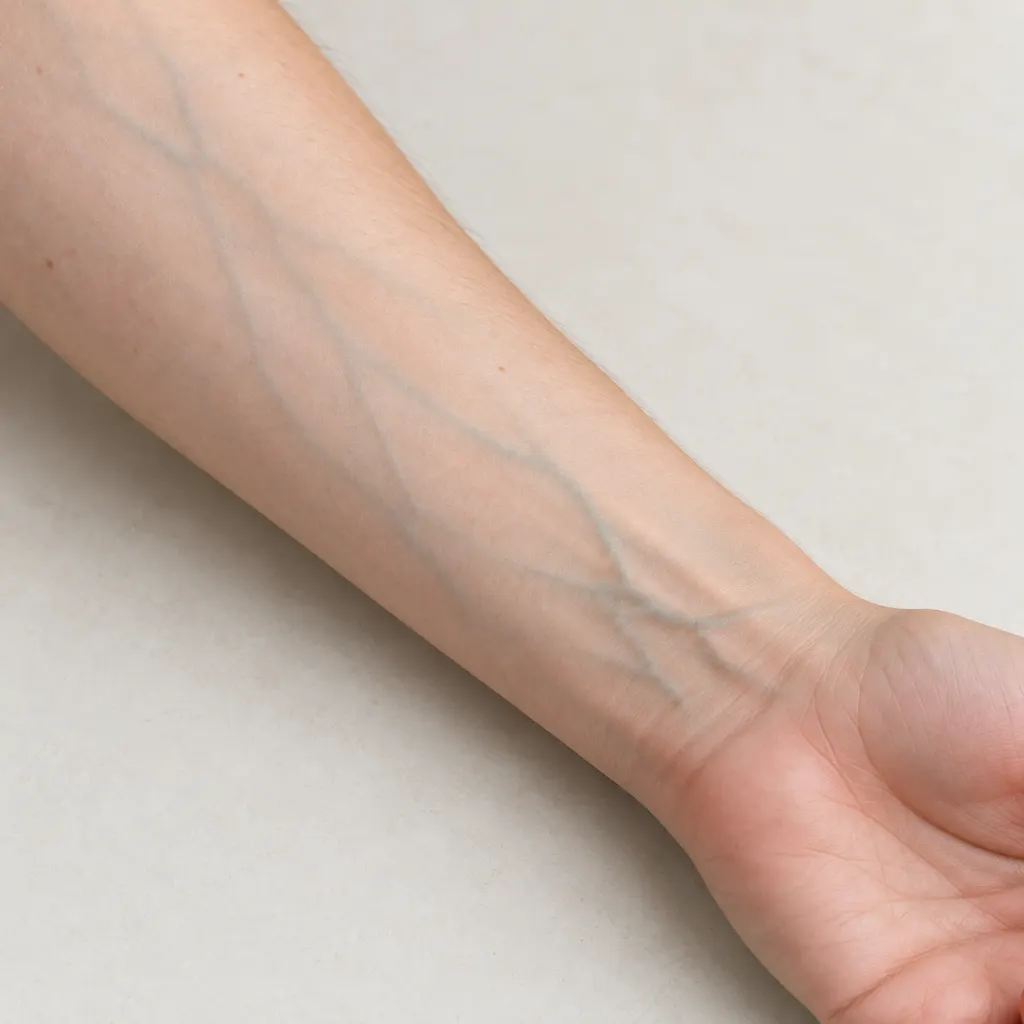
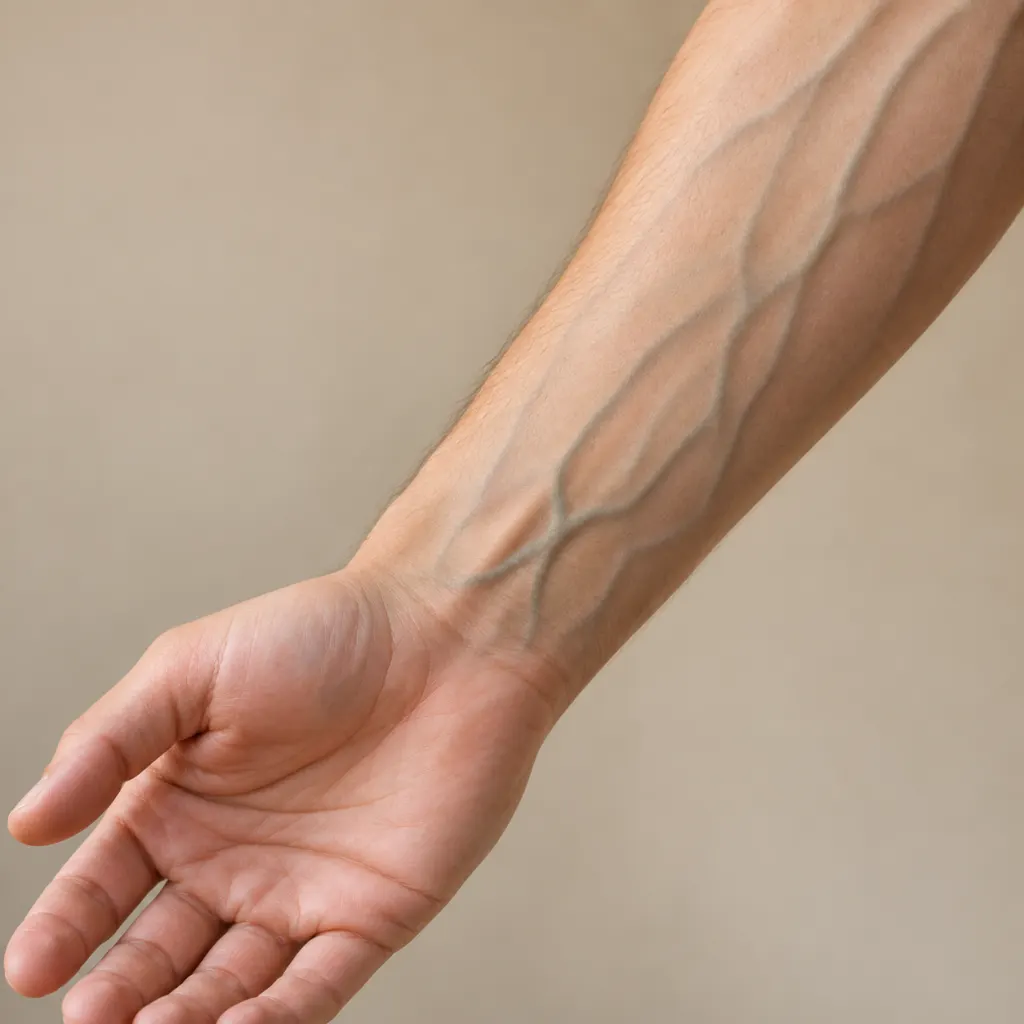
At some point, most people pause to look at the veins on the back of their hand or along their forearm and wonder whether something unusual is happening. In the majority of cases, it is not. Prominent veins are often a straightforward result of how the body is built, how active a person is, or simply what the weather is like. Still, understanding what drives vein visibility, and recognizing the small set of signs that genuinely call for professional evaluation, can help anyone make sense of what they observe.
This article explains how superficial veins work, surveys the common benign causes of vein prominence, describes the main conditions associated with enlarged or visible veins such as varicose veins and spider veins, and outlines the warning signs that should prompt a visit to a healthcare provider.
How Veins Work and Why Some Show Through the Skin
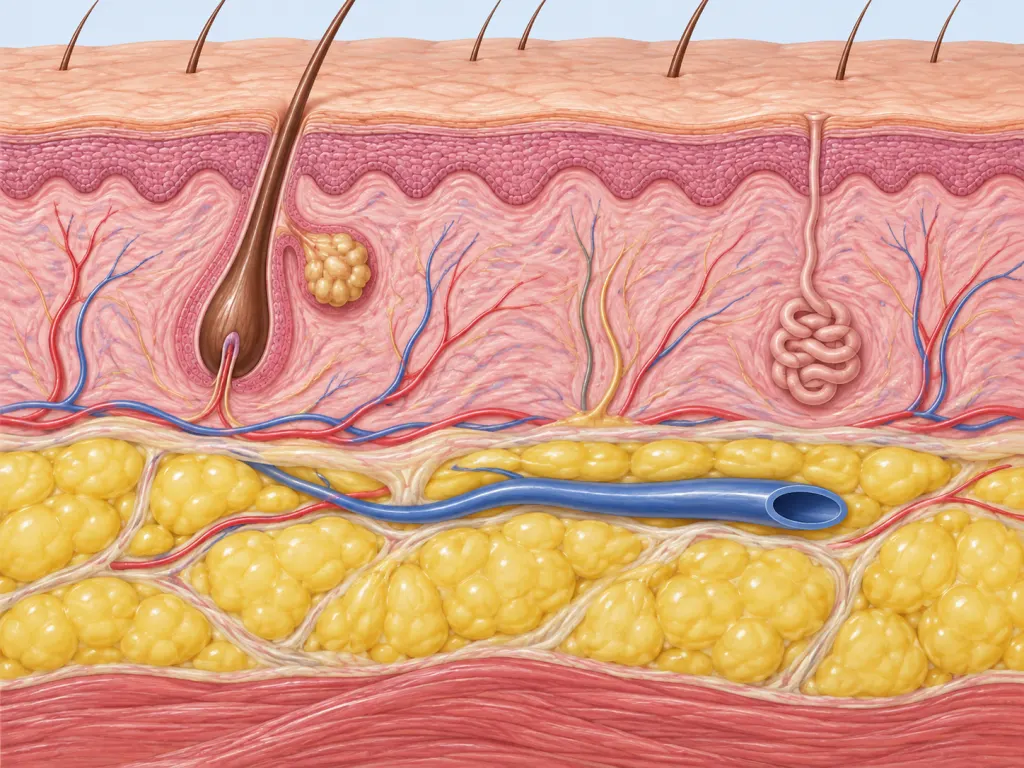
The circulatory system relies on two broad categories of return vessels. Deep veins travel within muscle tissue, wrapped in protective layers that render them invisible from the outside. Superficial veins, by contrast, sit just beneath the skin's surface and are the ones a person can sometimes see. Whether a superficial vein is visible depends on several overlapping factors: the amount of subcutaneous fat (the insulating layer under the skin), the thickness and transparency of the overlying skin, the diameter of the vein itself, and the volume of blood flowing through it at any given moment. When any of these factors shifts in a direction that brings a vein closer to the surface or reduces the tissue covering it, the vein becomes more apparent, even though the vein itself may be entirely healthy and functioning normally. This basic anatomy explains why vein visibility is not, by itself, a reliable indicator of any particular health state.
Common and Normal Reasons Veins Become More Visible
Several entirely ordinary circumstances make veins stand out more without signaling any underlying problem. According to Cleveland Clinic, the most frequently encountered benign causes include:
- Exercise and muscle development. Exercise increases blood flow throughout the body. As muscles enlarge with regular training, the superficial veins running alongside them are pushed closer to the skin surface, making them more prominent especially in the hands, forearms, and upper arms.
- Low body fat percentage. Subcutaneous fat cushions and partially conceals the veins beneath it. When body fat is naturally low or reduced through diet and exercise, veins have less tissue between them and the skin surface and therefore stand out more clearly.
- Warm temperatures. Heat causes blood vessels near the skin to dilate so the body can release excess warmth. This dilation temporarily increases the visible diameter of superficial veins and is entirely reversible when the body cools down.
- Age-related skin changes. Skin gradually becomes thinner and less elastic over time, which means it offers less visual cover for the vessels running beneath it. This explains why visible veins on hands and forearms are particularly common in older adults, even in the absence of any vascular condition.
- Genetics. Some people are simply born with more visible superficial veins than others. Skin tone, thickness, and natural fat distribution all have heritable components that influence how prominently veins appear.
- Pregnancy and hormonal changes. Hormonal shifts during pregnancy increase total blood volume and can make veins more visible, particularly in the legs and across the chest.
These causes share one important characteristic: they affect how veins look without necessarily altering how well they function. A person with very prominent forearm veins after a workout is not experiencing a medical event, their circulatory system is responding to demand in exactly the way it was designed to. The same logic applies to someone who notices more visible hand veins as they age: skin changes, not vein disease, account for much of that visibility.
Temporary changes that appear during exertion or in hot weather and then recede when the body rests and cools are almost always benign. Persistent prominence that does not change with rest, temperature, or position is more relevant to monitor, particularly when it develops alongside other symptoms.
Varicose Veins: When the Valves Stop Working Properly
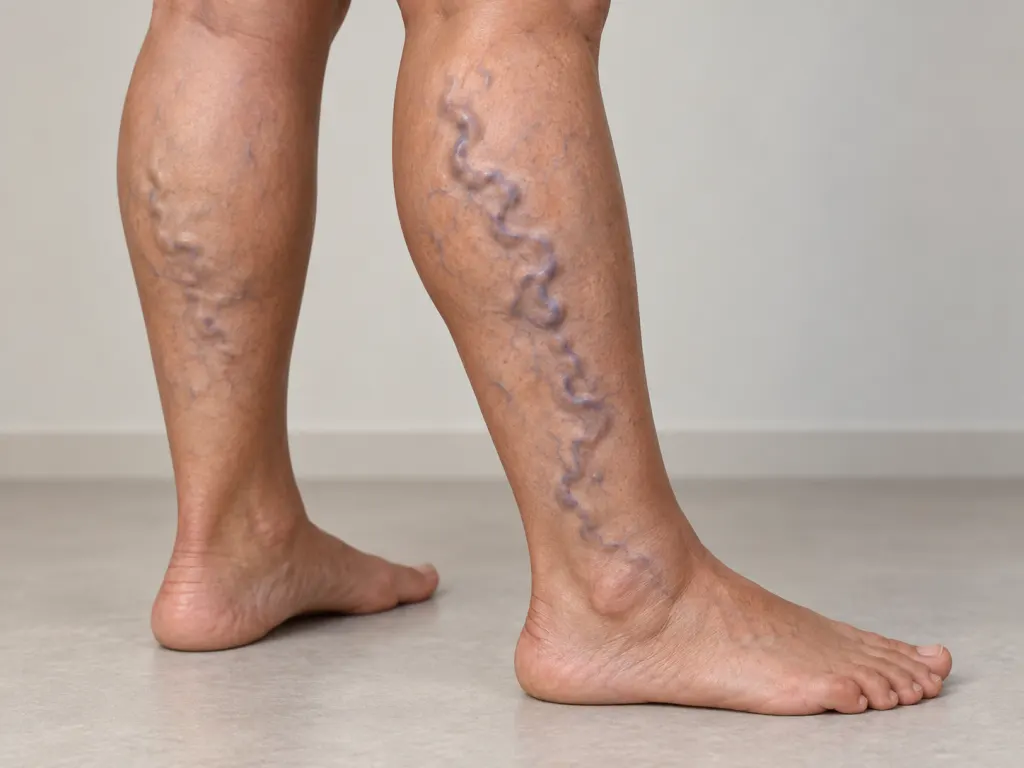
Varicose veins are the most clinically significant form of visible vein prominence. They appear as swollen, twisted, and rope-like vessels that bulge visibly beneath the skin, most often on the legs, feet, and ankles. Cleveland Clinic estimates that varicose veins affect roughly one in three adults at some point in their lives, making them among the most commonly encountered vascular conditions in primary care.
The underlying problem is mechanical. Healthy veins contain a series of one-way valves that keep blood moving toward the heart and prevent it from flowing backward. When these valves weaken or become damaged, blood pools in the segments of vein between two faulty valves. That pooling raises pressure against the vein walls, causing them to stretch and bulge outward in the characteristic twisted pattern. This process unfolds gradually, which is why varicose veins become more common with advancing age as cumulative valve wear increases.
Several factors raise the likelihood of developing varicose veins, as documented by Cleveland Clinic and MedlinePlus:
- Age: Vein walls and valves lose elasticity over time.
- Sex: Varicose veins are approximately twice as common in women as in men, partly because of hormonal influences on vessel walls.
- Family history: A genetic predisposition to valve weakness runs in families.
- Prolonged standing or sitting: Occupations that require staying on your feet or sitting for long shifts impair the normal pumping action of leg muscles that helps push blood upward against gravity.
- Excess body weight: Additional weight increases pressure inside the leg veins.
- Pregnancy: Increased blood volume combined with uterine pressure on pelvic veins both contribute to valve strain.
- Smoking: Tobacco use damages the inner lining of blood vessels and worsens venous circulation.
Beyond their appearance, varicose veins can cause a range of physical symptoms including an aching or heavy sensation in the legs, cramping, itching over the affected vein, and swelling around the ankles toward the end of the day. Skin discoloration, a brownish or reddish tinge near the ankle, may develop in more advanced cases. In a minority of people, varicose veins can lead to serious complications if left unaddressed: superficial thrombophlebitis (inflammation and clotting inside a superficial vein), deep vein thrombosis, and in rare cases pulmonary embolism. Skin ulcers near the ankle represent another potential complication in severe or longstanding venous insufficiency, underscoring the value of early evaluation when symptoms develop.
Spider Veins: Small Vessels, Similar Patterns
Spider veins, medically termed telangiectasias, are a related but distinct condition. Unlike varicose veins, which involve actual veins with malfunctioning valves, spider veins are small damaged capillaries and arterioles that have become permanently dilated and visible just under the skin. They typically appear as fine red, blue, or purple lines branching into patterns resembling a spider's web or the delicate structure of a tree's small branches. They most commonly form on the legs, the backs of the hands, and the face, and are generally much smaller and flatter than varicose veins.
According to Cleveland Clinic, spider veins usually cause no symptoms on their own. In some people they are accompanied by a mild burning, itching, or sense of fatigue in the affected area, particularly when chronic venous insufficiency is also present. The risk factors for spider veins overlap considerably with those for varicose veins: prolonged standing or sitting, family history, hormonal influences, obesity, pregnancy, significant sun exposure, and smoking all increase the likelihood of developing them.
Warning Signs That Warrant Prompt Medical Attention
Most visible veins require no urgent action, but both Cleveland Clinic and MedlinePlus identify a clear set of accompanying symptoms that should prompt timely medical evaluation:
- Pain or tenderness directly over a visible vein. Discomfort localized to a specific vein, rather than general muscle soreness, can indicate inflammation or early clotting within that vessel.
- Warmth or redness around a vein. These are recognized signs of superficial thrombophlebitis, a condition in which a clot forms inside a superficial vein and triggers local inflammation of the surrounding tissue.
- Swelling of an entire limb. Swelling in one leg that develops alongside a visible vein change may suggest deep vein thrombosis, which requires prompt evaluation and should not be left to resolve on its own.
- Skin discoloration or sores near the vein. A brownish or reddish tinge near the ankle, or any open sore that is slow to heal near a varicose vein, suggests advanced chronic venous insufficiency that requires medical management.
- A vein that bleeds after minor contact or injury. Varicose veins that develop very close to the skin surface can bleed unexpectedly. Direct pressure should be applied immediately and medical care sought without delay.
- A prominent new vein that appears suddenly. An abrupt change in vein appearance, especially when paired with any of the above symptoms, warrants professional assessment rather than a wait-and-see approach.
When there is any doubt about a new or changing vein, a healthcare provider can perform a physical examination and, when indicated, an ultrasound study to assess valve function and rule out the presence of blood clots.
Supporting Vein Health in Everyday Life
For people who already have varicose or spider veins, or who want to reduce the likelihood of developing them, a consistent set of practical habits is supported by evidence. MedlinePlus and Cleveland Clinic recommend the following measures:
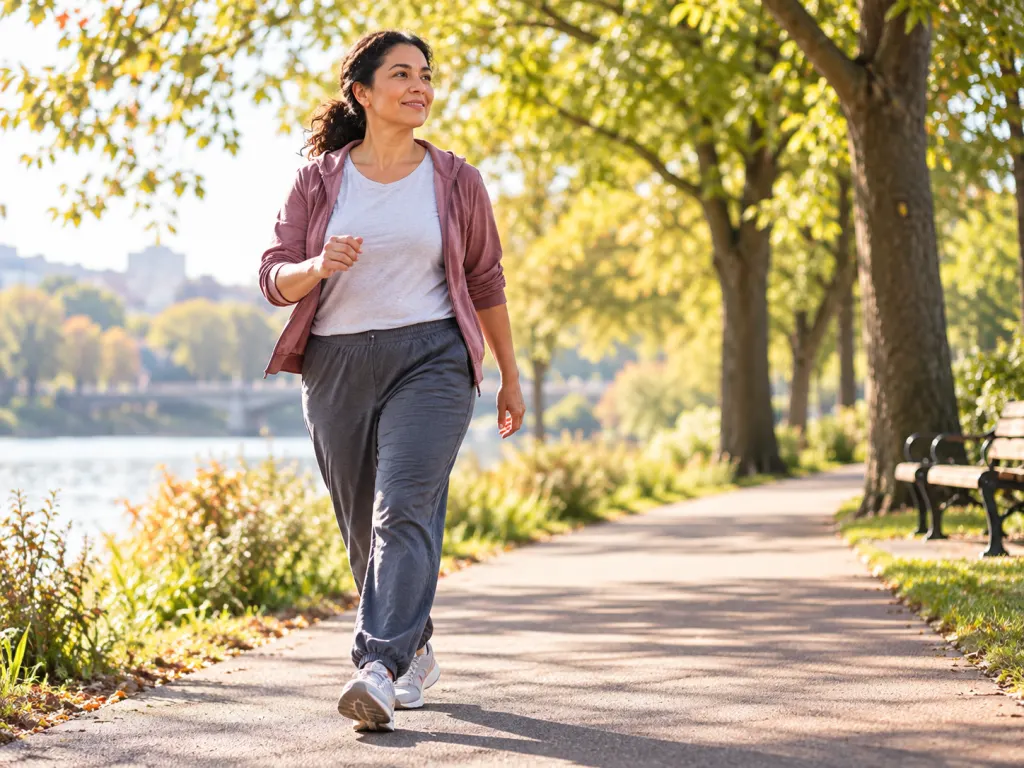
- Regular physical activity. Walking, cycling, and swimming engage the calf muscles, which act as a natural pump to push venous blood back toward the heart. Even short walking breaks during a long workday provide meaningful benefit.
- Maintaining a healthy body weight. Reducing excess weight lowers the pressure on leg veins and decreases the cumulative workload on vein valves over time.
- Elevating the legs when resting. Raising the legs above heart level helps blood drain toward the heart and reduces pooling in the lower limbs.
- Avoiding prolonged sitting or standing. If your work requires extended time at a desk or on your feet, changing position regularly and taking short movement breaks interrupts the blood-pooling process that strains vein valves.
- Wearing appropriate compression garments. Compression stockings apply graduated pressure to the legs that assists venous return. A healthcare provider can advise on the appropriate compression level for a given situation.
- Not smoking. Tobacco use damages vascular walls, worsens venous insufficiency, and raises the risk of clotting complications.
When varicose veins cause persistent pain, skin changes, or significant distress and lifestyle measures are not sufficient, medical treatment options are available. These range from minimally invasive procedures such as sclerotherapy, an injection of a solution that causes the vein to collapse and be gradually absorbed by the body, to endovenous laser ablation and surgical techniques including ambulatory phlebectomy. A vascular specialist can discuss which approach is appropriate for an individual's circumstances and symptom pattern.
Wrap-Up
Visible veins are, in most cases, a normal reflection of body composition, physical activity, aging, temperature, or genetics, none of which require intervention. They become worth monitoring when they are enlarged, twisted, and persistently prominent in the legs, which are the hallmarks of varicose veins, or when they form spider-web clusters of tiny broken vessels at the skin surface. The key distinction is whether visibility alone is the whole story, or whether it arrives with pain, warmth, redness, swelling, or skin changes. Those accompanying symptoms are the reliable cue to seek medical evaluation. For most people, a combination of regular movement, weight management, and attentiveness to early changes provides a solid foundation for maintaining good vein health throughout life.
Frequently Asked Questions
- → Are visible veins on the hands and forearms a sign of a health problem?
In most cases, no. Visible veins on the hands and forearms commonly reflect factors such as low body fat, regular exercise, warm temperatures, or natural age-related skin thinning, none of which indicate disease. If the veins are also painful, warm, reddened, or accompanied by swelling, those additional symptoms are worth discussing with a healthcare provider.
- → What is the difference between varicose veins and spider veins?
Varicose veins are enlarged, twisted veins caused by malfunctioning one-way valves that allow blood to pool inside the vessel, creating a rope-like, bulging appearance most common on the legs. Spider veins are much smaller damaged capillaries and arterioles that form fine web-like patterns near the skin surface and are generally flat. Both share similar risk factors but are distinct conditions with different clinical significance.
- → Can regular exercise cause veins to become more prominent?
Yes, and this is normal. During and after exercise, blood flow to the muscles increases substantially, expanding superficial veins near the skin surface and making them more visible. As muscles develop over time with consistent training, the veins alongside them sit closer to the skin. These changes reflect normal cardiovascular adaptation and do not indicate a vascular problem.
- → When should I see a doctor about a visible vein?
Seek medical attention if a visible vein is accompanied by pain, warmth, redness, or tenderness directly over it; if one limb swells; if the skin near the vein becomes discolored or develops sores; or if a vein bleeds after minor contact. A sudden appearance of a prominent new vein also warrants evaluation. A healthcare provider can assess valve function and check for blood clots with an ultrasound examination.
- → Do varicose veins always need medical treatment?
Not necessarily. Many people have varicose veins that cause no significant discomfort and need only monitoring alongside lifestyle measures such as regular exercise, leg elevation, and compression garments. Formal treatment becomes more appropriate when veins cause persistent pain, skin changes, sores, or recurrent clotting. A vascular specialist can advise on whether an intervention is appropriate and which option fits the individual situation.
- → Does staying well hydrated affect how visible veins appear?
Maintaining normal hydration supports healthy blood volume and tissue fluid balance, which influences how veins look under the skin. Significant dehydration can temporarily reduce fluid levels in surrounding tissue, making superficial veins appear more pronounced; rehydrating generally reverses this effect. However, hydration alone does not prevent or address conditions like varicose veins, whose cause lies in valve dysfunction rather than fluid volume.