 Save
Amyotrophic lateral sclerosis (ALS), widely known as Lou Gehrig's disease, is a progressive neurological condition in which the motor neurons that control voluntary muscle movement gradually break down and die. The first symptoms are often subtle, a hand that cramps when writing, a leg that tires more quickly than expected, or speech that begins to slur in moments of fatigue. Because these early changes can closely resemble common, benign problems, ALS is frequently not recognized in its earliest stages. Understanding what the disease does to the body, and how its first signals typically appear, gives people and their families a clearer basis for seeking timely evaluation from a qualified neurologist.
What Is Amyotrophic Lateral Sclerosis?
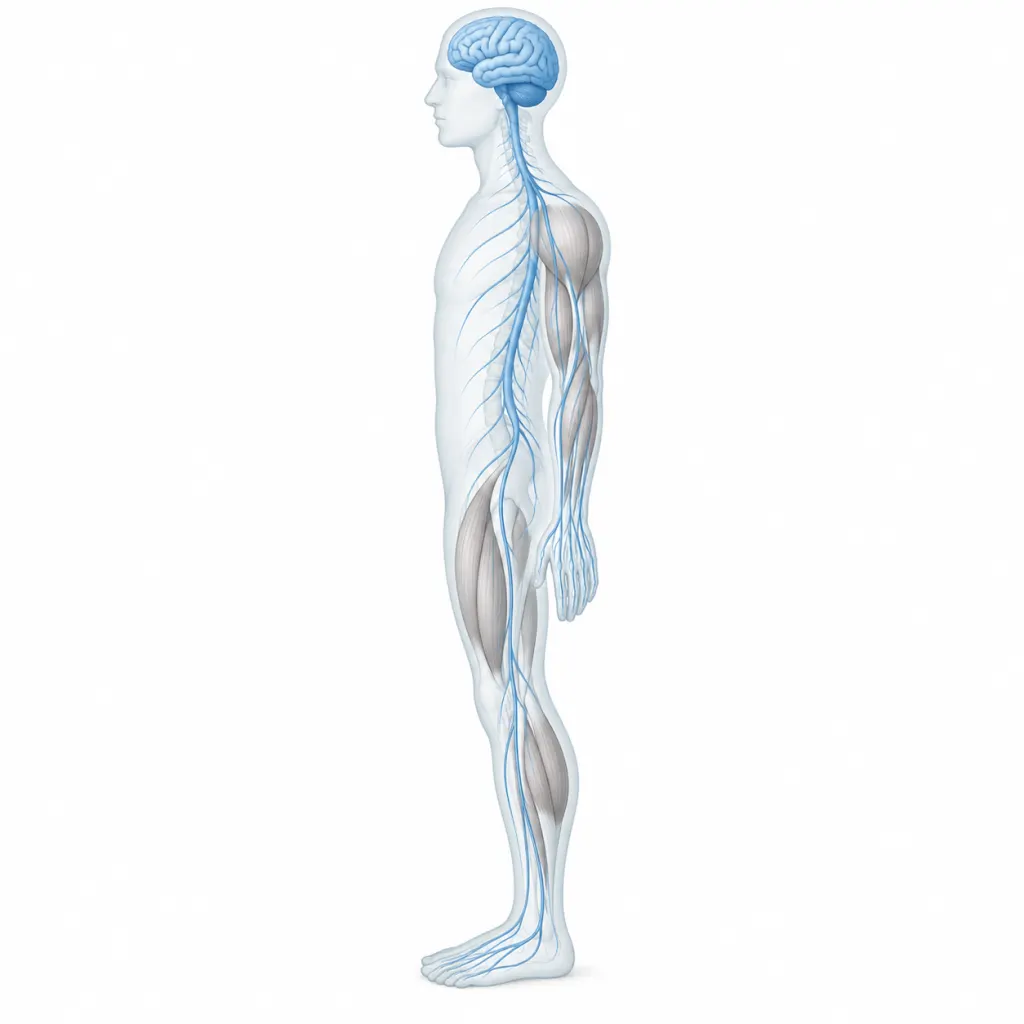
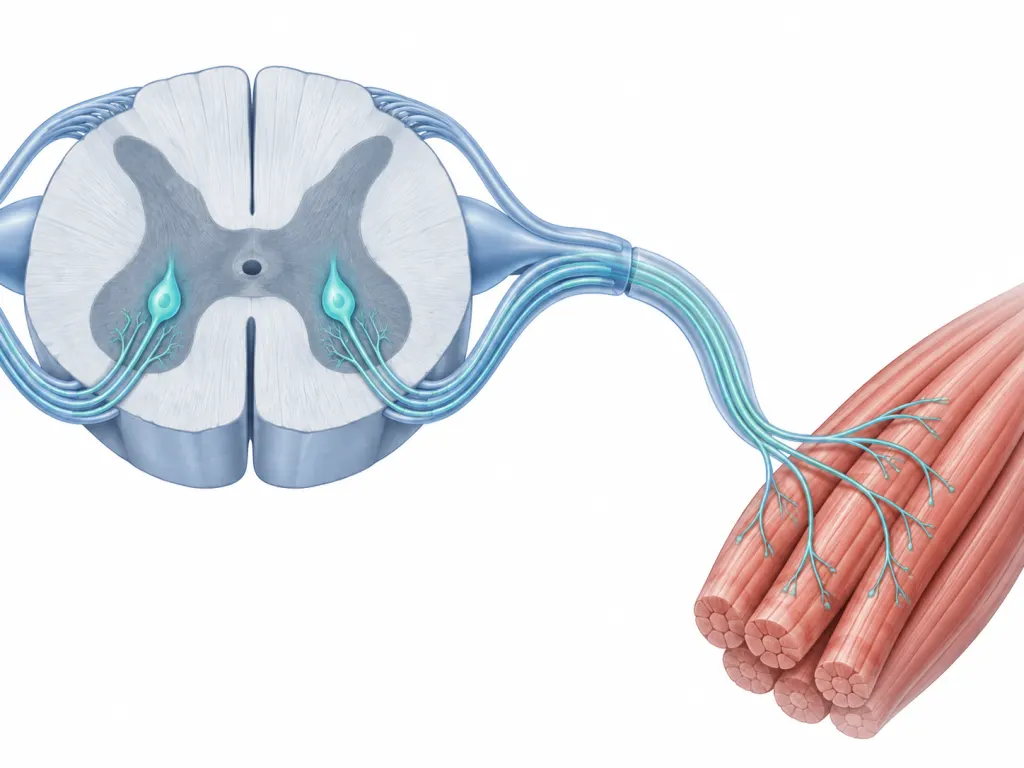
ALS is a motor neuron disease, a class of neurological disorders in which the nerve cells that send signals from the brain and spinal cord to the muscles gradually degenerate and die. The name describes the biological process: "amyotrophic" means muscle wasting, and "lateral sclerosis" refers to the scarring that develops in the lateral columns of the spinal cord where many motor neurons are located. When these neurons stop functioning, the muscles they control no longer receive movement signals. Over time, this causes those muscles to weaken, twitch visibly, and shrink. ALS does not follow a single fixed pattern: some people first notice problems in their hands or arms, others in their legs, and others in their ability to speak or swallow. The intellectual faculties and the five senses are typically not affected in the way movement is, most people with ALS remain fully mentally alert throughout the course of the disease. Approximately 5,000 Americans receive an ALS diagnosis each year, and roughly 35,000 people in the United States are living with the condition at any given time, according to the CDC's National ALS Registry.
The First Signs: Subtle Muscle Changes
In most people with ALS, the first noticeable changes involve specific muscles rather than the whole body at once. The symptoms can develop so gradually that weeks or months pass before they prompt a medical visit. According to Cleveland Clinic, early ALS symptoms typically include muscle weakness or stiffness in the arms and legs, as well as trouble with speech and swallowing when the throat and tongue muscles are involved earliest. The most commonly reported early signs include:
- Muscle twitching (fasciculations): Visible, involuntary flickering beneath the skin of the hand, arm, leg, or shoulder, occurring when dying motor neurons fire irregularly.
- Muscle cramps and stiffness: Tight, cramping sensations in the hands, feet, or calves that are more persistent than ordinary exercise cramps.
- Progressive weakness in one limb: A single hand, arm, or leg grows noticeably weaker, making gripping objects, buttoning clothing, or climbing stairs harder than expected.
- Slurred or nasal-sounding speech: Words become harder to articulate clearly, or the voice takes on a nasal quality as tongue and throat muscles weaken.
- Difficulty chewing or swallowing: Meals take longer, and choking on food or liquids becomes more frequent.
- Foot drop or unexplained tripping: A foot may drag slightly, making walking on uneven surfaces or climbing stairs feel unstable in ways that do not resolve with rest.
- Disproportionate fatigue in routine tasks: Activities that once required little effort, typing, carrying groceries, holding a phone, become tiring in ways that ordinary rest does not fully relieve.
Limb-Onset Versus Bulbar-Onset ALS
Clinicians broadly distinguish two main patterns of early onset. In limb-onset ALS, the more common presentation, weakness begins in an arm or a leg. It often starts in one limb before spreading to others over months or years. A person might first notice that their dominant hand stumbles when writing, or that one leg feels heavy and slow while walking. In bulbar-onset ALS, by contrast, the first affected muscles are those controlling speech and swallowing. The term "bulbar" refers to the brainstem region from which the relevant motor nerves originate. This form tends to progress somewhat faster and is more frequently diagnosed in women and in people who develop the disease at older ages. A rarer presentation, sometimes called respiratory-onset ALS, produces breathlessness before significant limb weakness appears. Regardless of where the first symptoms emerge, the disease is progressive: motor neuron loss continues, weakness spreads to additional muscle groups, and affected systems expand over time. Recognizing which pattern is present helps clinicians plan care and anticipate support needs, even though it does not alter the underlying disease process.

Why Early Symptoms Are Often Overlooked
One of the defining challenges of ALS is that its earliest symptoms closely resemble far more common, benign conditions. Muscle twitches often follow physical exertion, dehydration, or high caffeine intake. Cramps in the hands and feet are frequently attributed to mineral imbalances or overuse. A leg that trips can be explained by a tired step or an uneven surface. Slurred speech in the evening is easily attributed to fatigue. Because of this, the time between symptom onset and a confirmed ALS diagnosis has historically exceeded one year on average. The pattern that warrants prompt medical attention is progression: symptoms that do not resolve with rest, that spread to new muscle groups over time, or that are accompanied by visible wasting in the affected limb. A single, isolated cramp or occasional twitch has many innocent explanations. A combination of steadily worsening limb weakness, persistent twitching across multiple body areas, and changes in speech or swallowing is a different matter, one that calls for formal neurological evaluation rather than watchful waiting.
When to Seek a Medical Evaluation
Because no single symptom definitively identifies ALS on its own, and because many early signs have multiple possible causes, the clearest signal that a specialist evaluation is needed is a pattern of progressive motor changes. Cleveland Clinic advises contacting a healthcare provider when symptoms interfere with daily functioning, when breathing becomes difficult at rest, or when muscle weakness advances to new limbs. Neurologists specializing in neuromuscular disease are the appropriate specialists for evaluating suspected ALS; they use tests including electromyography (EMG), nerve conduction studies, and MRI of the brain and spinal cord to build a clinical picture. Early referral matters: while earlier diagnosis does not currently change the course of the underlying disease, it opens access to available treatments, multidisciplinary care teams, and planning for future support needs. For guidance on when lower-limb changes call for professional assessment, see 7 Leg Symptoms That Deserve Medical Attention. Likewise, some symptoms that resemble early motor problems, such as sudden limb weakness, can also indicate vascular causes covered in Subtle Symptoms of Blood Clots: When to Seek Care, underscoring why accurate evaluation is essential.
How ALS Progresses Over Time
ALS is progressive by definition: the motor neuron loss continues and the symptoms expand. After the first region is affected, weakness typically spreads to neighboring muscle groups and then to more distant ones. Breathing eventually becomes compromised in most people as the diaphragm and chest-wall muscles weaken, this respiratory involvement is the most serious stage and the leading cause of death associated with ALS, as MedlinePlus notes. The average life expectancy after an ALS diagnosis is three to five years, though approximately 30 percent of people survive five or more years and a smaller percentage live beyond ten years. The pace of progression varies considerably between individuals and appears to be influenced by age at diagnosis, the pattern of onset, and other factors that researchers continue to study. Cognitive function remains intact in the majority of people with ALS; however, approximately 20 percent develop some degree of frontotemporal cognitive change alongside the motor symptoms, according to MedlinePlus Genetics. This can affect behavior, language processing, or executive function, and is distinct from the muscle-related aspects of the disease.
Who Is at Risk for ALS?
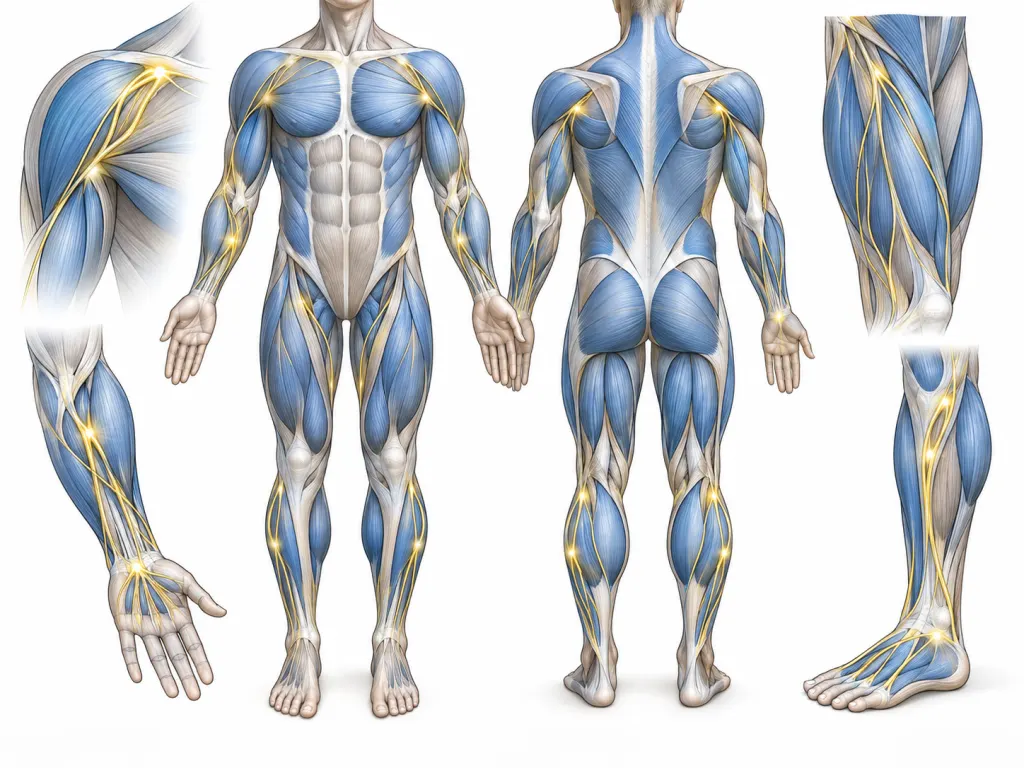
ALS affects people across all backgrounds, but certain patterns appear consistently in population data. According to the CDC's National ALS Registry, the disease is slightly more common in men than in women, though this gap has been narrowing. Most diagnoses occur between the ages of 55 and 75, though ALS can develop at younger or older ages. Between 90 and 95 percent of all cases are sporadic, arising without a known family history of the condition. The remaining 5 to 10 percent are familial, associated with inherited gene mutations. Among familial cases, mutations in genes including C9orf72, SOD1, TARDBP, and FUS are the most frequently identified, according to MedlinePlus Genetics. Sporadic ALS typically appears in the late fifties or early sixties, while familial ALS often manifests in the late forties or early fifties. Researchers have investigated possible environmental risk factors, including exposure to heavy metals, solvents, and agricultural chemicals, but the CDC has noted that no confirmed causal link has been established for most sporadic cases. Military veterans have been observed to develop ALS at modestly elevated rates compared to the general population, a pattern that investigators continue to examine.
Reaching a Diagnosis
There is no single test that confirms ALS. Diagnosis is a process of ruling out other conditions that can cause progressive motor weakness, including spinal cord compression, multiple sclerosis, and certain other neuromuscular disorders, while gathering clinical evidence specific to ALS. A neurologist will conduct a detailed physical and neurological examination, looking for the combined presence of upper and lower motor neuron signs across multiple body regions simultaneously, which is a hallmark of ALS rather than most other diseases. Key diagnostic tools include electromyography (EMG), which measures the irregular electrical patterns in muscles caused by dying motor neurons; nerve conduction studies; brain and spinal cord MRI; and blood and urine laboratory work. Because confirming the diagnosis requires demonstrating progressive spread of motor neuron involvement over time, the process often extends across several follow-up visits spanning months. Multidisciplinary ALS clinics, where neurologists, pulmonologists, speech-language therapists, occupational therapists, and dietitians coordinate care, are widely recommended as the most effective care setting for people living with the disease.
Wrap-Up
ALS (amyotrophic lateral sclerosis) is a progressive motor neuron disease that causes voluntary muscles throughout the body to weaken as the nerve cells controlling them break down. Its earliest symptoms, muscle twitches, cramps, weakness in a single limb, or changes in speech and swallowing, are often subtle and can be mistaken for more common, less serious conditions. Two main onset patterns exist: limb-onset, where arm or leg weakness appears first, and bulbar-onset, where speech and swallowing are affected earliest. Progressive respiratory involvement is the most serious stage of the disease. Diagnosis requires neurological examination and specialized tests including EMG and nerve conduction studies, and typically takes more than a year from symptom onset to confirm. No cure currently exists, but treatments are available to help manage symptoms and support daily function. Anyone experiencing a pattern of progressive, unexplained muscle weakness, especially combined with twitching across multiple body areas or changes in speech, should seek evaluation from a neurologist without delay.
Frequently Asked Questions
- → Is ALS the same as Lou Gehrig's disease?
Yes. "Lou Gehrig's disease" is the widely used popular name for amyotrophic lateral sclerosis (ALS), named after the New York Yankees first baseman who was diagnosed with the condition in 1939 and died the following year. Both names refer to the same progressive motor neuron disease.
- → Can ALS be inherited?
In about 5 to 10 percent of cases, ALS is familial, linked to an inherited gene mutation, most commonly in the C9orf72, SOD1, TARDBP, or FUS genes. The remaining 90 to 95 percent of cases are sporadic and arise without a clear family history. A neurologist or genetic counselor can advise whether genetic evaluation is appropriate for someone with a family history of the disease.
- → Does ALS affect memory or thinking?
In most people with ALS, intellectual function and the five senses remain intact throughout the disease. However, approximately 20 percent of people with ALS develop some degree of frontotemporal cognitive change, which can affect behavior, language, and executive function. This is distinct from the motor symptoms and varies in severity between individuals.
- → How long does it take to receive an ALS diagnosis?
Because ALS shares early symptoms with many more common conditions, and because confirming the diagnosis requires demonstrating progressive motor neuron involvement across multiple body regions over time, the process often takes more than a year from symptom onset. This delay is one of the most significant challenges in ALS care, which is why prompt neurological referral is important when a pattern of progressive motor symptoms is present.
- → Are there treatments available for ALS?
There is currently no cure for ALS. The U.S. Food and Drug Administration has approved several medications that may modestly slow the rate of decline or extend survival in some people. Additional treatments address specific symptoms such as muscle cramps, breathing difficulty, and swallowing problems. Multidisciplinary care teams, including neurologists, respiratory therapists, and speech therapists, play a central role in maintaining quality of life. Treatment decisions should be made in partnership with a qualified specialist.
- → Is ALS more common in certain groups of people?
ALS is slightly more common in men than in women, and most diagnoses occur between ages 55 and 75. Familial ALS tends to appear at younger ages, often in the late forties or early fifties. Military veterans have been observed to develop ALS at modestly elevated rates compared to the general population. The disease occurs across all ethnic and geographic groups worldwide.
References
This content was developed and refined using reliable sources.
- https://my.clevelandclinic.org/health/diseases/16729-amyotrophic-lateral-sclerosis-als
- https://medlineplus.gov/genetics/condition/amyotrophic-lateral-sclerosis
- https://medlineplus.gov/amyotrophiclateralsclerosis.html
- https://www.cdc.gov/als/abouttheregistrymain/about-amyotrophic-lateral-sclerosis-als.html