 Save
The short answer: people should not avoid cabbage just because it is a cruciferous vegetable, but some people may need to limit it, choose cooked portions, or pause it under professional guidance. The four main groups are people with a known or suspected cabbage allergy, people whose IBS or gas symptoms flare with cabbage, people temporarily following a low-fiber eating plan, and people who have been told to keep vitamin K intake or iodine-related food choices consistent. Cabbage remains a familiar, affordable vegetable for many households, and it also appears in our related guide, What Happens When You Eat Cabbage Regularly. The more useful question is not whether cabbage is “good” or “bad,” but whether it matches your current body, your clinician’s instructions, and the way you prepare it.
Why Cabbage Can Be Both Useful and Tricky
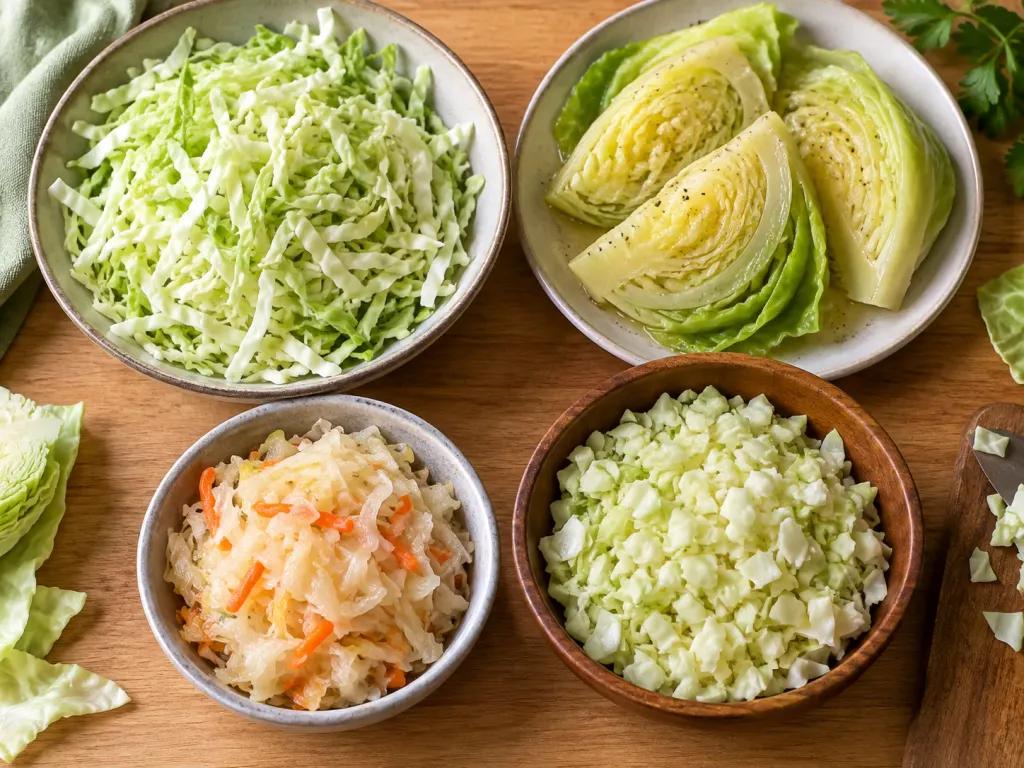
Cabbage belongs to the cruciferous vegetable family, along with foods such as broccoli, cauliflower, kale, and Brussels sprouts. That family matters because these vegetables share certain fibers and plant compounds, but people do not all respond to them the same way. A raw cabbage slaw, a bowl of sauerkraut, and a soft wedge of steamed cabbage can feel like entirely different foods at the table. Texture, portion size, cooking method, and what else is eaten with the meal all change the experience.
Authoritative nutrition sources describe cabbage and related vegetables as sources of vitamin K and dietary fiber. MedlinePlus lists cabbage among vegetable sources of vitamin K, a nutrient involved in normal blood clotting proteins, and notes that some people are specifically told to keep vitamin K intake steady https://www.medlineplus.gov/ency/article/002407.htm. MedlinePlus also explains that fiber is found in plant foods and should often be increased gradually because sudden changes can worsen gas or bloating for some people https://www.medlineplus.gov/ency/patientinstructions/000193.htm. Those two facts explain much of the caution around cabbage without turning it into a food everyone needs to fear.
A Quick Checklist Before You Put Cabbage on the Plate
Use this checklist as a calm sorting tool, not as a diagnosis. If none of these apply and you enjoy cabbage, there is usually no reason to remove it from your meals. If one does apply, the safest next step is usually to personalize the amount, preparation, or timing rather than copy a one-size-fits-all rule.
- Known reaction: If cabbage has caused itching, swelling, hives, wheezing, vomiting, or a similar reaction, avoid it until you have professional guidance.
- Digestive pattern: If raw cabbage repeatedly leads to gas, bloating, cramping, or urgent bathroom trips, consider smaller portions or cooked cabbage.
- Temporary food plan: If you have been told to follow a low-fiber plan, raw cabbage and many other vegetables may not fit that stage.
- Consistency instructions: If a clinician has asked you to keep vitamin K intake steady, do not make sudden large changes in cabbage intake.
- Iodine concern: If you have marginal iodine status or a thyroid-related eating plan, ask whether large amounts of raw cruciferous vegetables are appropriate for you.
1. People With a Known or Suspected Cabbage Allergy
The clearest group who should avoid cabbage is anyone who has a known cabbage allergy or a convincing reaction after eating it. Food allergy is not the same thing as disliking a food or feeling temporarily full after a heavy meal. Mayo Clinic explains that food allergy involves the immune system and that symptoms may begin within minutes to two hours after eating the trigger food; it also lists symptoms such as rash, itching or swelling of the lips or throat, wheezing, belly pain, vomiting, dizziness, or trouble breathing https://www.mayoclinic.org/diseases-conditions/food-allergy/symptoms-causes/syc-20355095. Its page also notes that mugwort pollen-food allergy syndrome may involve vegetables including cabbage. That does not mean every person with pollen allergy must avoid cabbage, but it does mean a repeated mouth or throat reaction after raw cabbage deserves attention.
If cabbage has caused throat tightness, swelling, breathing trouble, faintness, or a fast-spreading reaction, do not experiment with “just a little” at home. Emergency symptoms need urgent care. For milder but repeated symptoms, keep a clear record of what was eaten, how it was prepared, how soon the symptoms began, and whether similar vegetables caused the same pattern. That record can help a qualified professional separate allergy from intolerance, reflux, spice irritation, or simple digestive discomfort. Cooked cabbage may be tolerated by some people with pollen-food patterns, but that is a personal question, not a general promise.
2. People Whose IBS or Gas Symptoms Flare With Cabbage
Cabbage can be a problem for some people with IBS or recurring gas and bloating because it contains carbohydrates and fiber that may be harder for certain digestive systems to handle. The National Institute of Diabetes and Digestive and Kidney Diseases includes cabbage in examples of higher-FODMAP vegetables that may be reduced during a low-FODMAP trial for IBS, and it emphasizes that different changes help different people https://www.niddk.nih.gov/health-information/digestive-diseases/irritable-bowel-syndrome/eating-diet-nutrition. NIDDK’s gas guidance also notes that cruciferous vegetables and too much fiber can contribute to gas symptoms in some people https://www.niddk.nih.gov/health-information/digestive-diseases/gas-digestive-tract/eating-diet-nutrition.
This does not make cabbage “bad for digestion.” It means your pattern matters. A person who eats cabbage soup comfortably twice a week is having a different experience from someone who feels miserable after a small raw slaw. If cabbage is suspect, try observing variables one at a time: raw versus cooked, small versus large portion, cabbage alone versus cabbage with beans or onions, and rushed eating versus slower eating. For some people, softer cooked cabbage is easier than raw shredded cabbage. For others, cabbage is best kept as an occasional side rather than a large bowl. If IBS is already part of your life, a registered dietitian can help you test foods without shrinking your meals more than necessary.
3. People Temporarily Following a Low-Fiber Plan
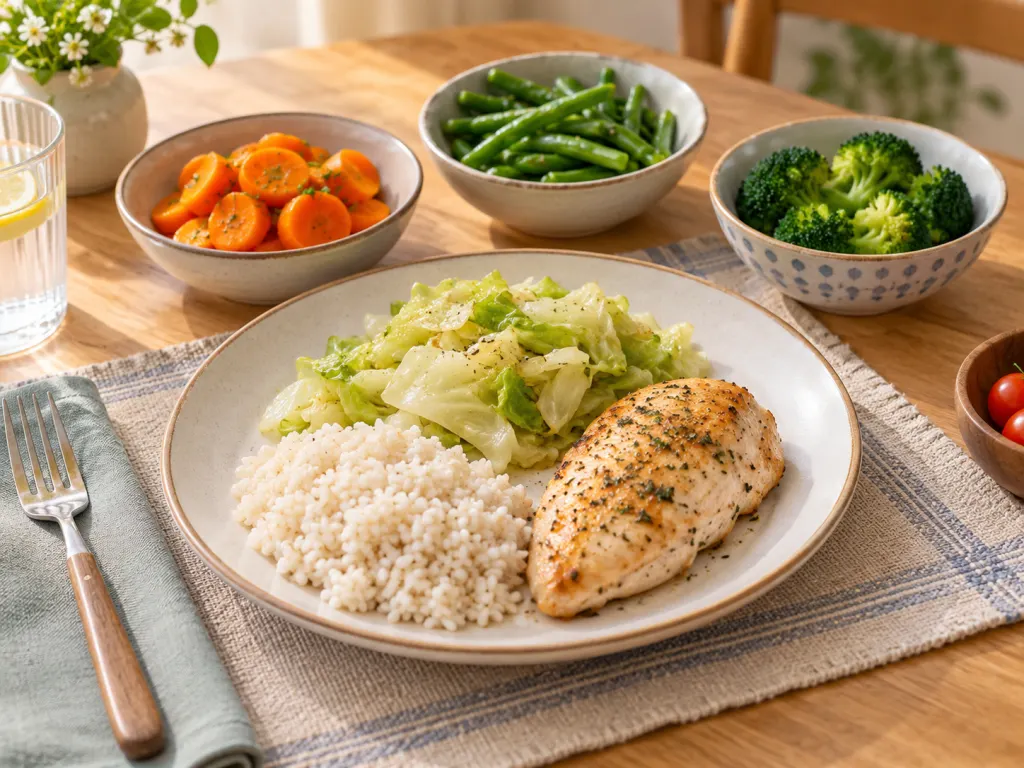
A third group may need to avoid cabbage for a time: people following a low-fiber plan under healthcare guidance. Mayo Clinic explains that a low-fiber diet limits many vegetables, fruits, and grains and is usually temporary; it may be prescribed in certain digestive situations, and foods are often prepared until tender when fiber is being limited https://www.mayoclinic.org/healthy-lifestyle/nutrition-and-healthy-eating/in-depth/low-fiber-diet/art-20048511. Because cabbage is a fibrous vegetable, especially when raw, it may not fit a strict low-fiber stage unless the professional who gave the plan says otherwise.
The key word is temporary. A low-fiber plan is not a general ranking of “good” and “bad” foods; it is a short-term tool for a specific context. Someone on that plan may be told to choose refined grains, tender low-fiber vegetables, strained juices, or cooked foods with skins and seeds removed. Raw cabbage, coleslaw, sauerkraut, and chunky cabbage dishes can be too rough for that stage. When the plan changes, foods are often added back gradually. If cabbage is reintroduced, it makes sense to start with a small amount of well-cooked cabbage rather than a large raw serving. That way, the return is easier to interpret.
4. People Given Vitamin K or Iodine-Related Consistency Instructions
The fourth group is more nuanced: people who have been told to keep certain nutrient patterns consistent. MedlinePlus lists cabbage among foods that provide vitamin K and says some people need to monitor how much vitamin K-containing food they eat https://www.medlineplus.gov/ency/article/002407.htm. The issue is usually not that cabbage must vanish forever. The issue is sudden change. Going from almost no cabbage to daily large bowls, or from daily cabbage to none at all, can conflict with a plan built around steady intake. In this case, consistency is more important than fear.
Iodine status is another reason for individualized advice. The NIH Office of Dietary Supplements explains that cruciferous vegetables, including cabbage, contain goitrogenic substances that can matter mainly for people with marginal iodine status, while reasonable amounts are not a concern for most people who have adequate iodine intake and eat varied foods https://ods.od.nih.gov/factsheets/Iodine-HealthProfessional/. Oregon State University’s Linus Pauling Institute makes a similar point: very high intakes of cruciferous vegetables have raised thyroid concerns mainly in the setting of iodine deficiency, and cooked Brussels sprouts in one human study did not adversely affect thyroid function https://lpi.oregonstate.edu/mic/food-beverages/cruciferous-vegetables. For everyday cooking, this supports moderation, variety, and asking before making extreme changes.
Raw, Cooked, Fermented, or Juiced: Form Matters
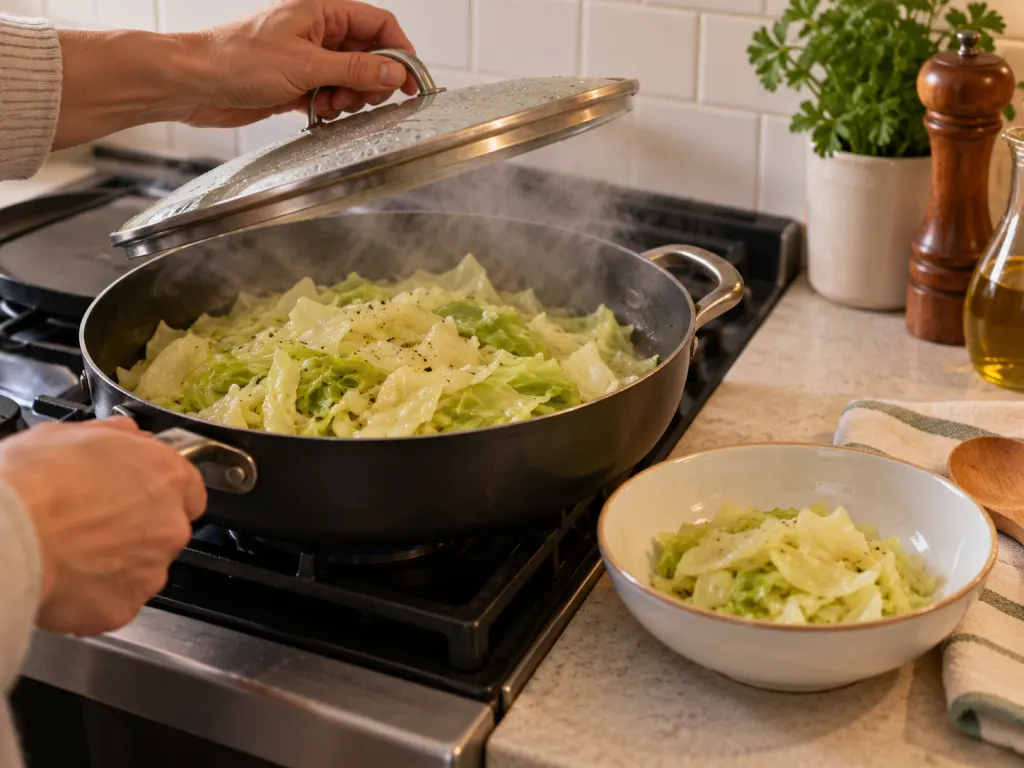
Many cabbage warnings become more practical once you separate forms. Raw cabbage is crunchy and high-volume, so it can be harder for sensitive people to tolerate in large servings. Cooked cabbage loses volume, softens, and is often easier to chew and portion. Fermented cabbage adds acidity and salt, which changes the meal again. Juiced raw cabbage removes much of the chewing cue and can make it easy to consume a larger amount than you would normally eat from a plate. Someone who is fine with a few forkfuls of cooked cabbage may not be fine with a big raw salad or a concentrated drink.
Preparation also changes what cabbage is served with. A cabbage stir-fry with garlic, onion, beans, and a fizzy drink on the side creates a different digestive load from a small portion of steamed cabbage with rice and fish. If you are trying to identify whether cabbage itself is the issue, keep the test meal simple. This is similar to the kitchen logic behind our guide to 10 Common Garlic Mistakes to Avoid: strong ingredients are easier to understand when you change one thing at a time.
How to Limit Cabbage Without Overcorrecting
If you suspect cabbage is not working for you, do not replace it with anxiety. Replace it with a plan. First, identify the reason for caution: allergy-type reaction, gas and bloating, low-fiber instructions, vitamin K consistency, or iodine-related advice. Second, decide whether the safest move is full avoidance, a smaller portion, cooked instead of raw, or a short pause while you get guidance. Third, choose other vegetables you tolerate so your meals still feel complete. Carrots, zucchini, peeled cucumber, green beans, lettuce, or cooked spinach may fit better for some people, though the best choice depends on the same personal factors.
If cabbage is mainly causing gas, you may be able to keep it by shrinking the portion, cooking it well, eating slowly, and avoiding several gas-producing foods in the same meal. If a low-FODMAP trial is being used for IBS, follow the structure you were given rather than removing cabbage indefinitely on your own. If vitamin K consistency is the reason, aim for a predictable pattern rather than dramatic swings. If iodine status is the concern, the conversation is less about one cabbage dinner and more about overall iodine sources, cruciferous vegetable amounts, and whether very large raw portions make sense for you.
When Cabbage Is Probably Not the Problem
It is also worth saying what cabbage is not responsible for. One uncomfortable meal does not prove a lifelong cabbage intolerance. Bloating after a holiday dinner may reflect large portions, rich foods, carbonated drinks, stress, speed of eating, or a combination of foods. A dislike of cabbage smell is not a medical reason to avoid it. And for many people, ordinary portions of cooked cabbage are uneventful. The goal is not to turn a humble vegetable into a villain; it is to notice the few situations where caution is genuinely useful.
Bottom Line
The people most likely to need cabbage limits are those with allergic reactions, IBS or repeated gas symptoms triggered by cabbage, a temporary low-fiber plan, or clinician instructions related to vitamin K or iodine status. Everyone else can usually think in terms of amount and preparation. If cabbage works for you, enjoy it as one vegetable among many. If it does not, the answer is not shame or guesswork; it is a calmer look at your symptoms, your current food plan, and the form of cabbage on the plate.
Wrap-Up
Cabbage is not a universal food to avoid. The strongest reasons to skip it or limit it are a known or suspected allergy, repeated IBS or gas flares, a temporary low-fiber plan, or specific professional instructions about vitamin K consistency or iodine-related food choices. Most people who tolerate cabbage can keep eating it in ordinary portions, especially when cooked and balanced with other foods.
Frequently Asked Questions
- → Should everyone avoid cabbage?
No. Most people do not need to avoid cabbage. Caution is most relevant for people with allergic reactions, repeated digestive discomfort after cabbage, a temporary low-fiber plan, or clinician instructions about vitamin K or iodine-related eating patterns.
- → Is cooked cabbage easier to tolerate than raw cabbage?
For some people, yes. Cooking softens cabbage and reduces the volume on the plate, which can make portions easier to manage. That does not guarantee comfort for everyone, but it is a reasonable first adjustment before deciding cabbage is completely unsuitable.
- → What should I do if cabbage causes gas or bloating?
Try smaller portions, cooked cabbage, slower eating, and simpler meals so you can see whether cabbage is truly the trigger. If symptoms are frequent, severe, or part of IBS, ask a qualified professional about a structured food trial rather than removing many foods at once.
- → Can cabbage allergy happen?
Yes, although cabbage is not among the most common food allergens. A reaction such as itching, swelling, hives, wheezing, vomiting, dizziness, or throat symptoms after eating cabbage should be taken seriously and discussed with a qualified health professional.
- → Does vitamin K mean cabbage is unsafe?
No. Vitamin K is a normal nutrient in foods such as cabbage and other vegetables. The issue is consistency for people who have been specifically told to monitor vitamin K-containing foods. Those people should not make sudden large changes without guidance.
References
This content was developed and refined using reliable sources.
- https://www.medlineplus.gov/ency/article/002407.htm
- https://www.medlineplus.gov/ency/patientinstructions/000193.htm
- https://www.mayoclinic.org/diseases-conditions/food-allergy/symptoms-causes/syc-20355095
- https://www.niddk.nih.gov/health-information/digestive-diseases/irritable-bowel-syndrome/eating-diet-nutrition
- https://www.niddk.nih.gov/health-information/digestive-diseases/gas-digestive-tract/eating-diet-nutrition
- https://www.mayoclinic.org/healthy-lifestyle/nutrition-and-healthy-eating/in-depth/low-fiber-diet/art-20048511
- https://ods.od.nih.gov/factsheets/Iodine-HealthProfessional
- https://lpi.oregonstate.edu/mic/food-beverages/cruciferous-vegetables