 Save
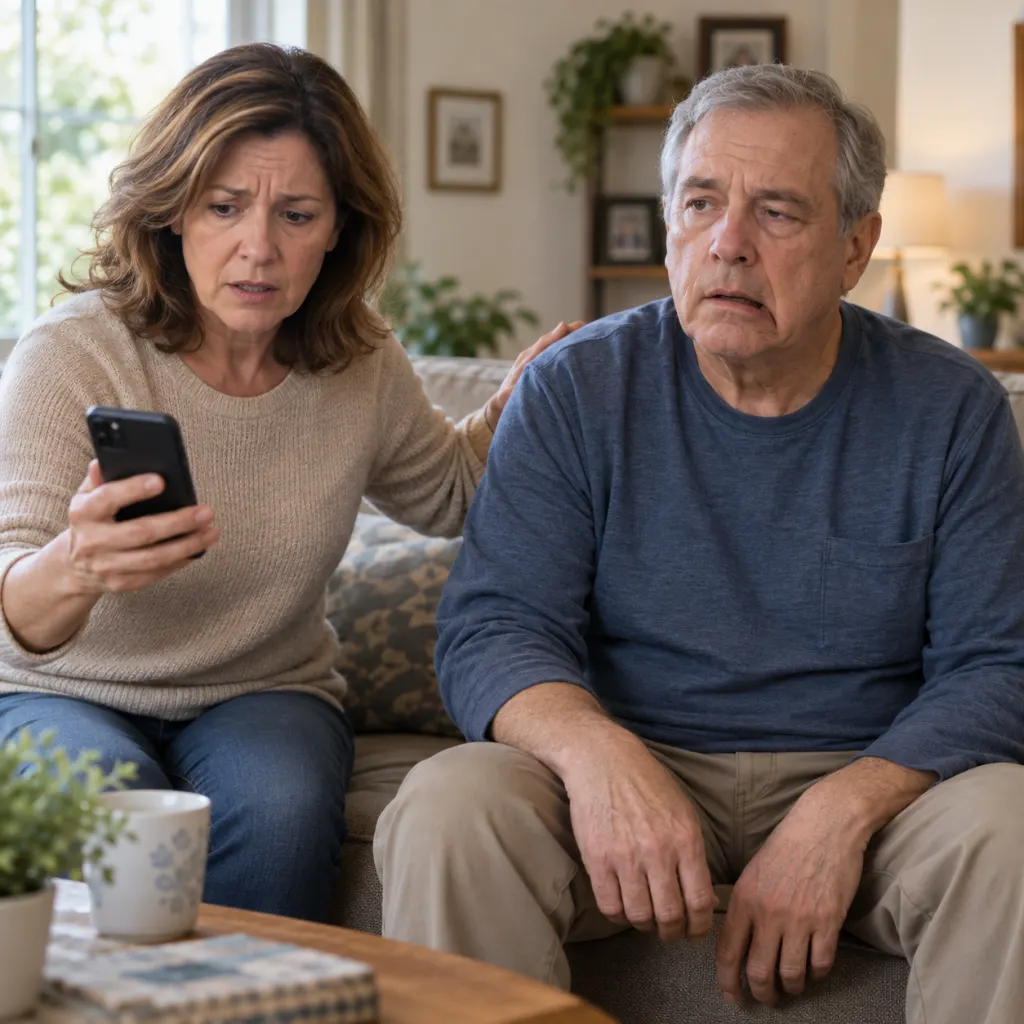
A stroke is an emergency, and the safest response is simple: call 911 immediately when sudden face drooping, arm or leg weakness, speech trouble, confusion, vision changes, balance problems, or a severe unexplained headache appears. Do not wait to see whether it passes. The CDC says fast care can lessen brain damage, and brief symptoms may signal a transient ischemic attack, or TIA, that still needs urgent medical evaluation CDC. This guide explains eight warning signs to recognize and nine practical ways to lower long-term stroke risk without turning everyday prevention into panic.
Why Stroke Signs Deserve Immediate Action
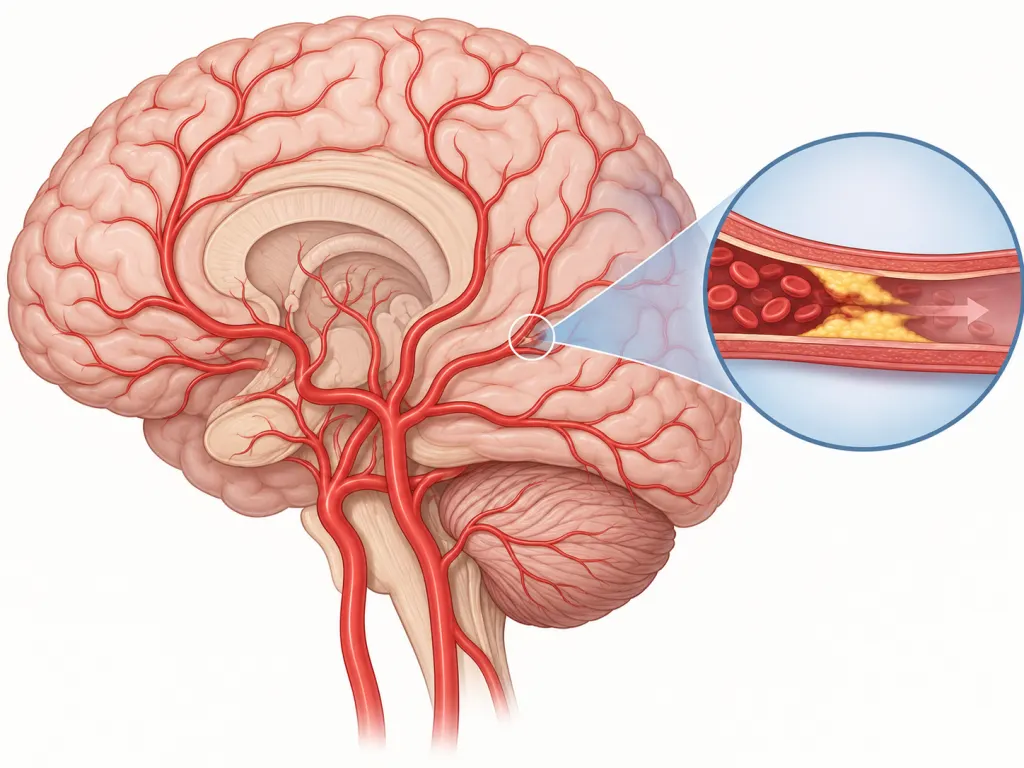
A stroke happens when blood flow to part of the brain is blocked or when bleeding occurs in or around the brain. MedlinePlus explains that brain cells can begin to die within minutes when they do not receive enough oxygen and nutrients from blood MedlinePlus. That is why the first decision is not whether a symptom is dramatic enough; it is whether it is sudden, new, and neurologic. A person may still be awake, talking, or trying to minimize what is happening. The symptom may also come and go. Those details can make stroke easy to dismiss, but emergency responders and hospital teams need time information to decide which care options may be appropriate.
Many public health groups teach FAST or BE FAST because the letters are easier to remember during a stressful moment. The American Heart Association and American Red Cross first aid guidelines recommend activating emergency medical services immediately when stroke is suspected and using a stroke recognition scale such as FAST to help identify acute stroke in adults American Heart Association CPR & First Aid. The CDC version adds balance and eye symptoms: Balance, Eyes, Face, Arms, Speech, and Time. The final letter matters most. Time means call 911 right away, not drive, not nap, and not wait for a routine appointment.

The 8 Warning Signs To Know
The following signs are not a home diagnosis. They are a reason to treat the situation as urgent, especially when the change is sudden or clearly unusual for the person.
- Face drooping: one side of the face may sag, feel numb, or look uneven when the person smiles.
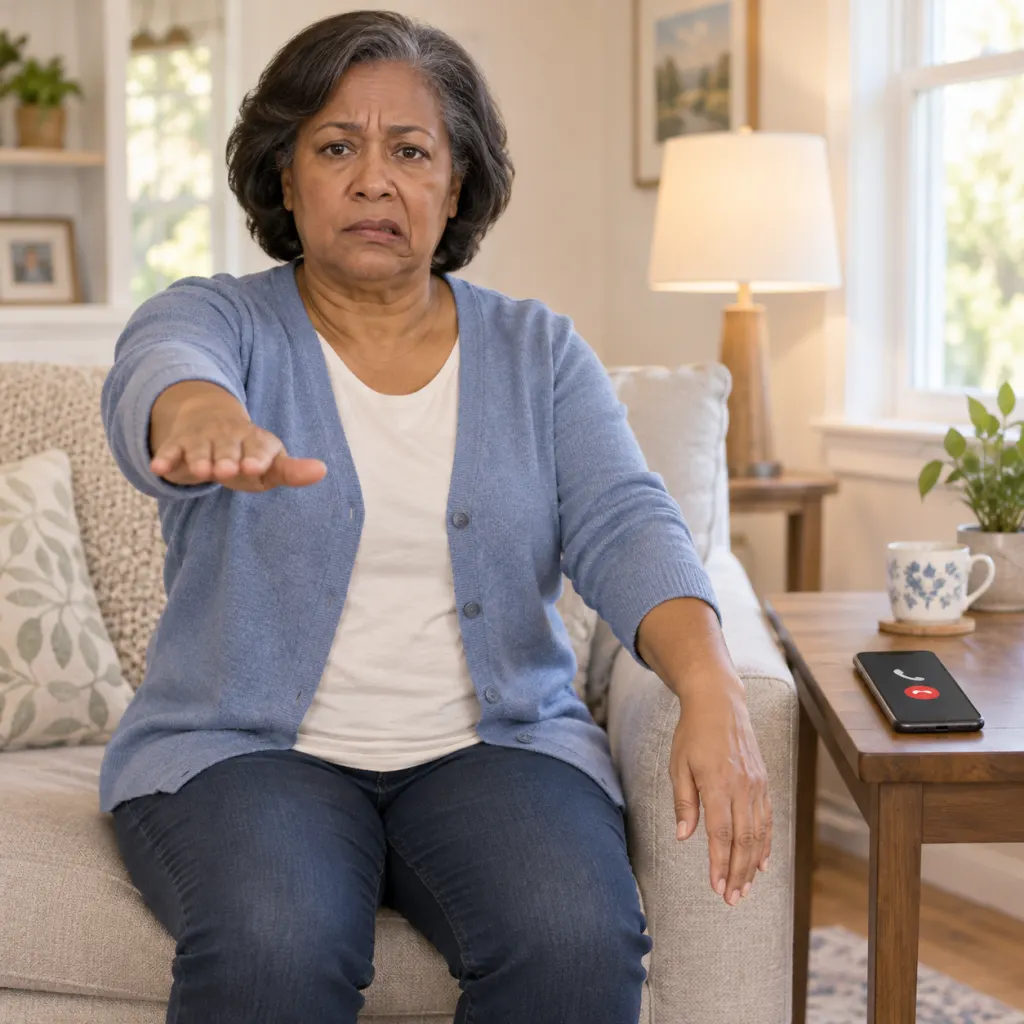
- Arm weakness: one arm may drift downward, feel heavy, or be hard to lift.
- Leg weakness or numbness: one leg may suddenly feel weak, numb, clumsy, or unreliable while standing or walking.
- Speech trouble: speech may become slurred, strange, unusually slow, or hard to understand.
- Confusion or trouble understanding: the person may not follow simple questions or may seem suddenly disoriented.
- Vision changes: sudden trouble seeing in one or both eyes can be a stroke sign.
- Balance or walking trouble: sudden dizziness, loss of balance, poor coordination, or difficulty walking belongs on the warning list.
- Severe headache with no known cause: a sudden intense headache, especially with other neurologic changes, needs emergency attention.
Brief Symptoms Are Still Important
A transient ischemic attack, often shortened to TIA, can look like a stroke and then clear within minutes or hours. That improvement can be misleading. The National Heart, Lung, and Blood Institute describes TIA as a temporary blockage in the brain that can come and go and may later become a full stroke NHLBI. The practical takeaway is that disappearance of symptoms is not proof that everything is fine. Write down when the symptom started, what changed, and when it improved, then seek urgent evaluation.
9 Ways To Lower Stroke Risk Over Time
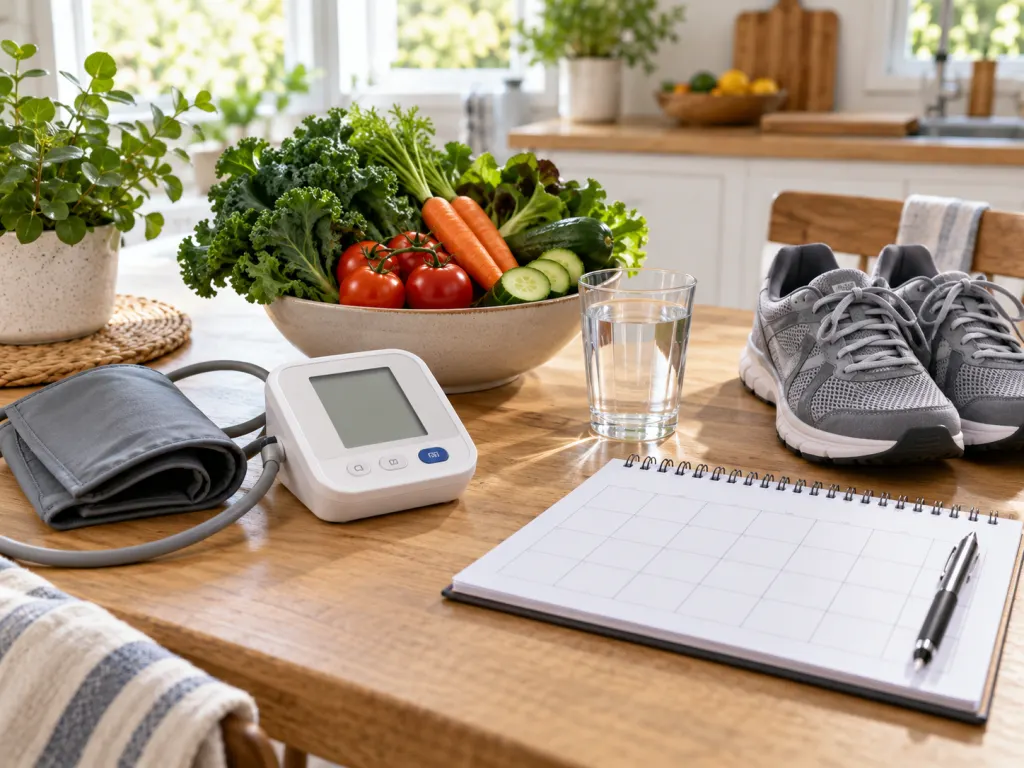
Risk reduction is not a single heroic change. It is a set of repeatable habits and checkups that improve the odds over months and years. The CDC notes that many strokes can be avoided through healthy lifestyle choices and by working with a health care team on conditions that raise risk CDC prevention guidance. These nine steps are a practical starting point:
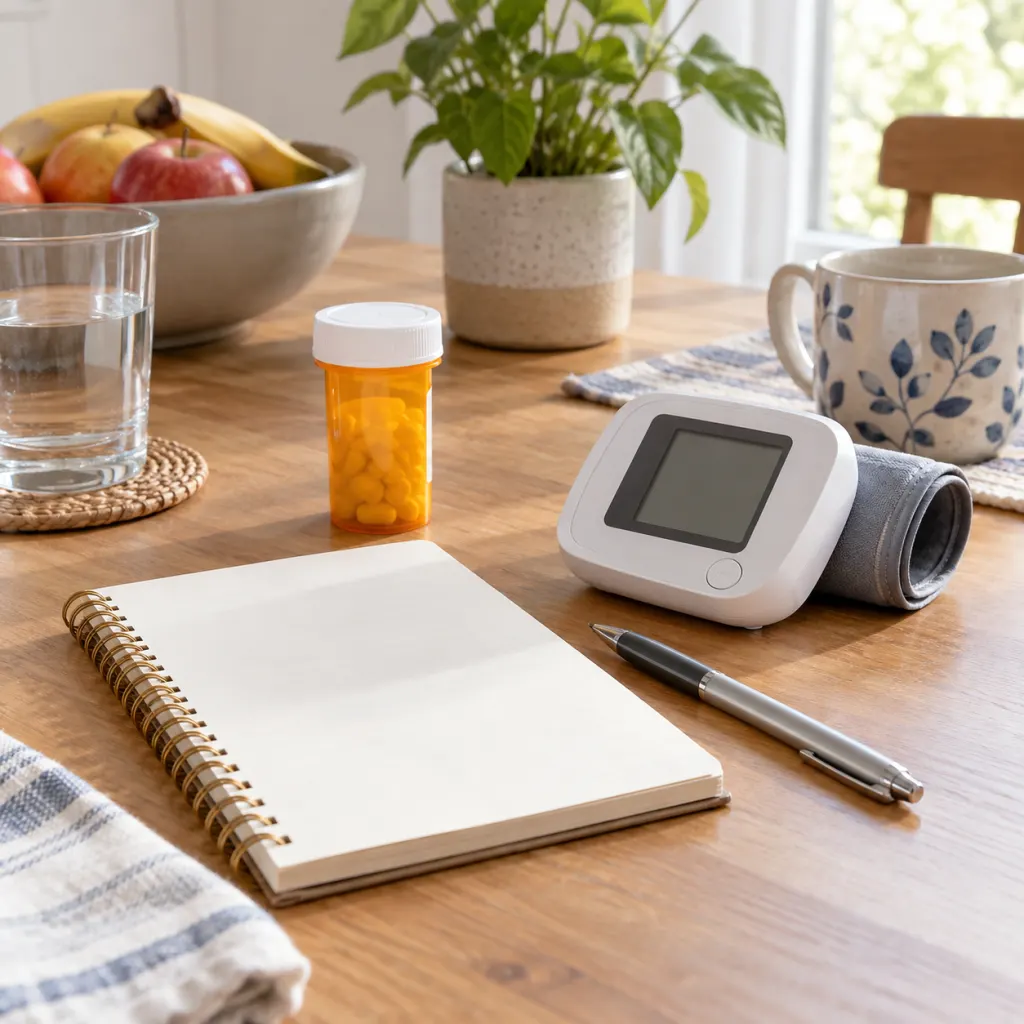
- Know blood pressure numbers. High blood pressure is a leading stroke risk factor, and regular checks help reveal a problem that may not cause symptoms.
- Keep routine health visits. A clinician can review cholesterol, heart rhythm, blood sugar patterns, family history, and other personal factors.
- Avoid tobacco smoke. Tobacco damages blood vessels, raises blood pressure, and increases stroke risk; secondhand smoke also matters.
- Move regularly. Aim for consistent activity that fits your ability, such as brisk walking, cycling, swimming, or structured exercise approved for your situation.
- Build meals around plants and unsaturated fats. Fruits, vegetables, beans, whole grains, nuts, fish, and modest amounts of healthy oils can support heart and blood vessel health.
- Reduce excess sodium and highly processed foods. Sodium can raise blood pressure, so label reading and home cooking can help.
- Limit alcohol. Heavy drinking can raise blood pressure and triglycerides; moderation is part of cardiovascular risk reduction.
- Prioritize sleep and recovery. Poor sleep, untreated sleep apnea, chronic stress, and social isolation can complicate risk management.
- Take warning episodes seriously. After any suspected TIA or stroke-like event, urgent evaluation and follow-up planning are part of protecting the future.
Risk Factors Are Not All Under Personal Control
It is useful to separate modifiable and non-modifiable factors. WHO lists high blood pressure, tobacco use, high LDL cholesterol, high sodium intake, physical inactivity, excess body weight, harmful alcohol use, and some environmental exposures among modifiable contributors to the global stroke burden WHO. Age, family history, prior stroke, and some existing heart or kidney conditions are different: they are not moral failures or willpower problems. Knowing about them helps frame a better conversation with a qualified professional.
Make The Emergency Plan Before You Need It
Stroke recognition is easier when a household has already decided what to do. Keep the local emergency number visible, make sure older phones can still call, and talk through the signs with family members or housemates. During a suspected stroke, note the time the person was last known well, keep them safe from falls, and avoid food or drink until professionals advise otherwise. The CDC also advises calling 911 for an ambulance rather than driving because emergency personnel can begin care on the way and alert the hospital before arrival CDC signs and symptoms.
How This Fits With Related Reading
For a shorter recognition-focused guide, see 10 Early Warning Signs of a Stroke. For another emergency-oriented version, read Stroke Warning Signs Before an Emergency. Readers who want a broader risk-focused overview may also find Warning Signs of Stroke and Ways to Lower Your Risk useful.
What Not To Do While Waiting For Help
Do not ask the person to walk it off, sleep it off, or prove they are fine by repeating tasks over and over. Do not give food, alcohol, or unplanned pills. Do not drive across town to a preferred hospital when emergency services can route care faster. The goal is not to solve the event at home; the goal is to get trained help moving, preserve the timeline, and keep the person calm and safe until help arrives.
Bottom Line
The eight signs to remember are face drooping, arm weakness, leg weakness or numbness, speech trouble, confusion, vision changes, balance or walking trouble, and a sudden severe headache with no known cause. The nine long-term risk steps are regular blood pressure checks, routine health visits, avoiding tobacco smoke, moving consistently, choosing heart-supportive foods, reducing excess sodium, limiting alcohol, protecting sleep and recovery, and taking brief warning episodes seriously. The emergency rule stays the same in every section of this article: sudden stroke-like symptoms mean call 911.
Wrap-Up
Stroke warning signs usually appear suddenly, and even brief symptoms deserve urgent attention. Use BE FAST as a memory aid, call 911, record the time symptoms began, and avoid driving the person yourself. Over the long term, risk reduction is built from ordinary but meaningful habits: blood pressure awareness, tobacco avoidance, physical activity, heart-supportive eating, less excess sodium, moderate alcohol choices, better sleep, routine checkups, and careful follow-up after any stroke-like episode.
Frequently Asked Questions
- → Can stroke symptoms go away and still be serious?
Yes. Stroke-like symptoms that clear quickly may still represent a transient ischemic attack, or TIA. Because a TIA can signal higher future risk, the safer response is urgent medical evaluation rather than waiting to see what happens next.
- → What is the easiest stroke warning phrase to remember?
BE FAST is a useful memory aid: Balance, Eyes, Face, Arms, Speech, and Time. Sudden trouble with balance, vision, facial drooping, arm weakness, or speech means it is time to call 911.
- → Should someone drive a person with possible stroke symptoms to the hospital?
Calling 911 is usually the safer choice. Emergency responders can start assessment on the way, help protect the person during transport, and alert the hospital before arrival.
- → Are stroke warning signs always painful?
No. Some warning signs are painless, such as sudden facial drooping, arm weakness, confusion, speech trouble, or vision changes. A sudden severe headache can occur, but pain is not required for a stroke to be possible.
- → What daily habits matter most for lowering risk?
The biggest everyday themes are blood pressure awareness, avoiding tobacco smoke, regular movement, heart-supportive food choices, limiting excess alcohol, and keeping regular checkups for personal risk review.
References
This content was developed and refined using reliable sources.
- https://www.cdc.gov/stroke/signs-symptoms/index.html
- https://www.cdc.gov/stroke/risk-factors/index.html
- https://www.cdc.gov/stroke/prevention/index.html
- https://medlineplus.gov/stroke.html
- https://www.who.int/news-room/fact-sheets/detail/stroke
- https://www.nhlbi.nih.gov/health/stroke/causes
- https://cpr.heart.org/en/resuscitation-science/2024-first-aid-guidelines