 Save
The careful answer is this: no single vitamin supplement has been shown to suddenly create stroke risk in a healthy adult after one ordinary use. The stronger evidence points to a more specific issue: some vitamin E trials reported more hemorrhagic stroke among supplement users, while vitamin B6 safety concerns are mainly about long-term high intake and nerve-related harms. Stroke risk is usually shaped by blood pressure, cardiovascular conditions, diabetes, smoking, age, family history, and other factors, not by one isolated capsule. Still, supplements are not harmless just because they are sold without a prescription. A smart response is to identify what you take, why you take it, and whether the amount on the label makes sense for your situation.
The Short Answer: Be Skeptical of Sudden-Risk Claims
Viral supplement warnings often compress several different ideas into one alarming sentence. A vitamin may be essential in food, useful for correcting a deficiency, unnecessary as an extra pill for many people, and risky at high supplemental intakes. Those statements can all be true at the same time. What they do not prove is that a vitamin creates an immediate stroke event in an otherwise stable person. The NIH Office of Dietary Supplements describes vitamin E as a nutrient found in foods and supplements, and it also notes that clinical trials have not shown routine vitamin E supplementation to reduce overall cardiovascular events; one large trial in men found a significantly increased risk of hemorrhagic stroke among those assigned vitamin E https://ods.od.nih.gov/factsheets/VitaminE-HealthProfessional/.
Why Stroke Risk Is Usually Bigger Than One Supplement
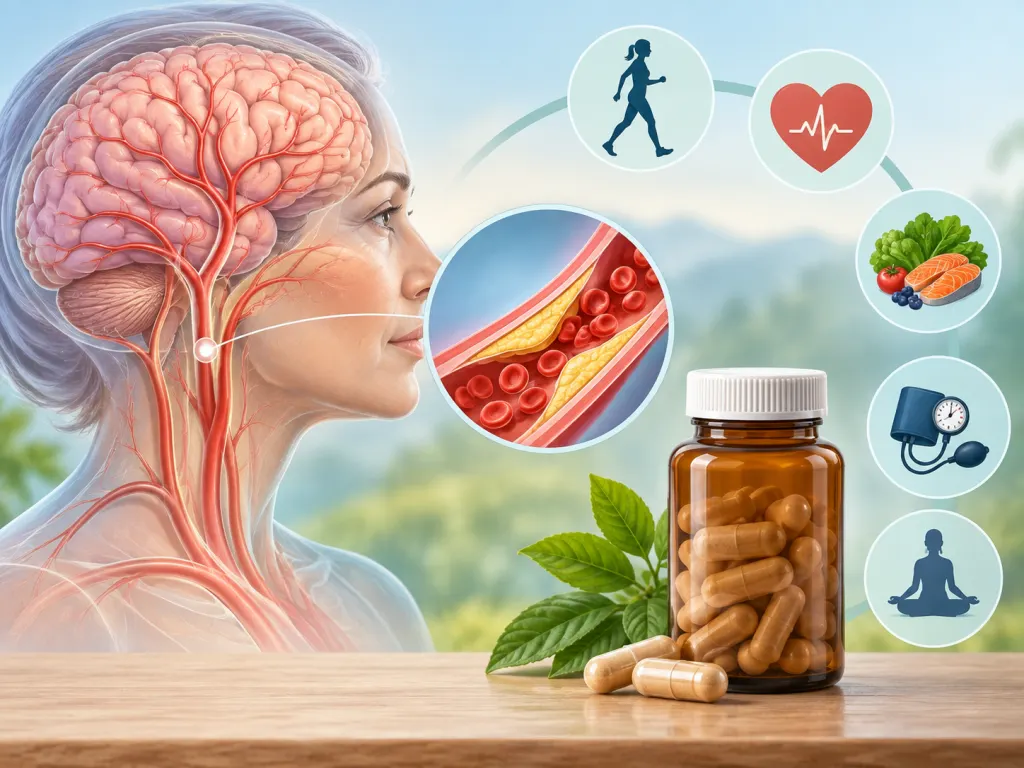
Stroke happens when blood flow to part of the brain is blocked or when a blood vessel bleeds in or around the brain. Mayo Clinic explains the two broad categories as ischemic stroke and hemorrhagic stroke, and it emphasizes that sudden speech trouble, one-sided weakness or numbness, vision changes, trouble walking, or a sudden severe headache require emergency attention https://www.mayoclinic.org/diseases-conditions/stroke/symptoms-causes/syc-20350113. The CDC lists major risk factors such as high blood pressure, high cholesterol, heart disease, diabetes, tobacco use, heavy alcohol use, physical inactivity, age, family history, and prior stroke or transient ischemic attack https://www.cdc.gov/stroke/risk-factors/index.html. That does not mean supplements are irrelevant. It means they should be reviewed as one part of a larger health picture.
Which Vitamin Has the Clearest Stroke Signal?
Among common vitamin supplements, vitamin E has the clearest warning signal in authoritative summaries related to hemorrhagic stroke. The NIH fact sheet notes that high supplemental vitamin E can affect bleeding tendency, and it summarizes trials in which alpha-tocopherol was associated with increased hemorrhagic stroke. It also states that routine vitamin E supplements have not provided convincing evidence of broad cardiovascular benefit in the trial settings reviewed https://ods.od.nih.gov/factsheets/VitaminE-HealthProfessional/. This is not the same as saying vitamin E from foods is dangerous. Nuts, seeds, vegetable oils, and leafy greens can contribute vitamin E as part of an ordinary eating pattern. The concern is concentrated supplementation, particularly when a person is taking multiple products or has conditions that already affect bleeding risk.
The distinction matters because many people read a supplement label as if more must mean better. Vitamin E is fat-soluble, and supplement products may contain amounts far above typical food intake. A person might take a multivitamin, a separate vitamin E softgel, and another product marketed for hair, skin, heart, or healthy aging without realizing that the same nutrient appears in several places. If the goal is general wellness, that stacking deserves a pause. If the goal is correcting a documented deficiency or following a clinician’s plan, the same product may be viewed differently. The safest editorial answer is not panic; it is a careful inventory and a professional review.
Vitamin B6 Is a Different Conversation
The origin claim points toward vitamin B6, but authoritative sources do not support a simple claim that vitamin B6 suddenly raises stroke risk. The NIH Office of Dietary Supplements says vitamin B6 is involved in many enzyme reactions, including protein metabolism and normal nervous system function. Its main supplement safety concern is different: very high intake from supplements over time can cause severe nerve damage and related symptoms, and symptoms may improve after stopping the supplement in some cases https://ods.od.nih.gov/factsheets/VitaminB6-HealthProfessional/. That is still important. It means a person should not treat high-strength B6 products as casual daily wellness candy, especially when several products contain B vitamins.
Read the Supplement Facts Panel Like an Evidence Tool
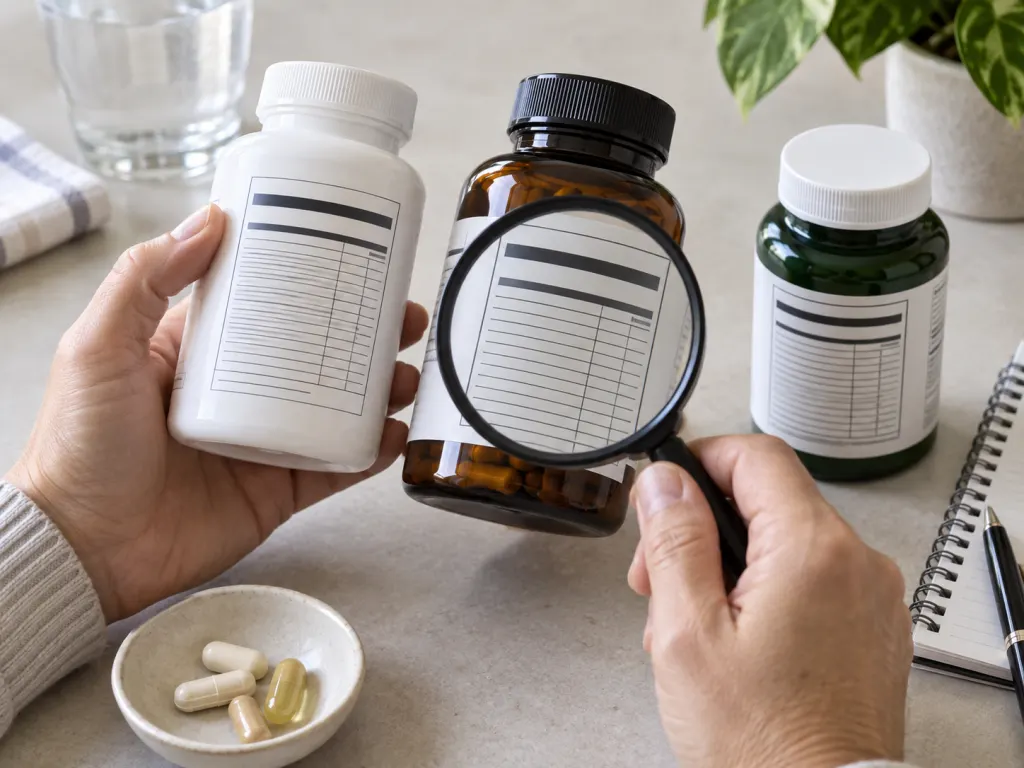
The FDA explains that dietary supplements are intended to add to the diet and can include vitamins, minerals, herbs, amino acids, live microbials, and other ingredients. It also explains that FDA does not approve dietary supplements for safety and effectiveness before they are sold to the public https://www.fda.gov/consumers/consumer-updates/fda-101-dietary-supplements. That is why the label deserves more attention than the front-of-bottle promise. A useful supplement review includes:
- Ingredient overlap: check whether the same vitamin appears in a multivitamin, a single-nutrient product, an energy product, and a fortified drink.
- Reason for use: write down whether the product is for a diagnosed deficiency, a clinician’s recommendation, or a vague wellness habit.
- Amount and frequency: compare the Supplement Facts panel with ordinary food sources and professional guidance, rather than assuming a large number is better.
- Changes in health status: reassess supplements after a new diagnosis, procedure, hospital visit, or major medication change.
- Side effects: stop guessing if new symptoms appear; document the product name and timing and seek qualified help.

Why Natural Does Not Always Mean Low Risk
NCCIH notes that evidence for dietary supplements varies widely and that products sold online or in stores may differ from products studied in research. It also warns that some supplements can pose risks for people with certain medical problems, and that some products marketed as supplements have contained ingredients not listed on the label https://www.nccih.nih.gov/health/using-dietary-supplements-wisely. This is especially relevant for people buying products through social media ads, imported marketplaces, or aggressive health promotions. A plain vitamin bottle from a reputable brand is not the same thing as a multi-ingredient product that promises dramatic body effects. But both deserve the same basic questions: what is in it, how much is in it, why am I taking it, and who has reviewed it with me?
Who Should Be Especially Careful
Anyone can benefit from an occasional supplement review, but the stakes are higher for older adults, people with prior stroke or transient ischemic attack, people with high blood pressure, heart disease, diabetes, kidney or liver disease, and anyone preparing for a medical procedure. The CDC’s risk-factor list shows why: stroke risk often comes from overlapping conditions rather than one isolated exposure https://www.cdc.gov/stroke/risk-factors/index.html. A supplement that is low priority for one person may deserve close review for another. This is also why generic advice online can be misleading. Two people can hold the same bottle and have very different risk profiles.
Do Not Let Supplement Research Distract From Stroke Symptoms
Supplement decisions are usually planned decisions. Stroke symptoms are not. MedlinePlus describes stroke as a medical emergency and lists sudden numbness or weakness, confusion, trouble speaking, trouble seeing, trouble walking, dizziness, loss of balance, and sudden severe headache among possible warning signs https://medlineplus.gov/stroke.html. Mayo Clinic similarly advises emergency help even if symptoms come and go or disappear completely https://www.mayoclinic.org/diseases-conditions/stroke/symptoms-causes/syc-20350113. If a symptom suggests stroke, the supplement question can wait. Call emergency services first, note when symptoms began, and bring medication and supplement information when help arrives.
How to Talk About Supplements Without Panic
A practical conversation with a clinician or pharmacist does not need to be dramatic. Bring the actual bottles or a clear photo of each label. Include multivitamins, gummies, powders, drinks, herbal products, and products you take only occasionally. Mention why you started each one and whether you have noticed changes since starting it. If you want more background before that conversation, related site articles may help you organize your questions, including Vitamin D Supplements: What to Check Before Taking More, Magnesium Supplements and Medication Timing, and Warning Signs of Stroke and Ways to Lower Your Risk. The goal is not to fear every bottle. The goal is to make sure every bottle still has a good reason to be there.
What to Do With a Scary Supplement Headline
When a headline claims that a vitamin is suddenly linked to a severe event, slow the claim down. First, identify the exact nutrient. Vitamin E, vitamin B6, vitamin D, and a multivitamin are not interchangeable. Second, ask whether the source is talking about food intake, a standard supplement, a concentrated product, or a multi-ingredient formula. Third, look for the type of evidence: a randomized trial, an observational study, a case report, a lab finding, or a social media anecdote. Fourth, ask whether the article separates total stroke from ischemic and hemorrhagic stroke, because the mechanisms and evidence can differ. Finally, check whether the advice respects personal risk factors and professional care. If the piece jumps from one study to a universal warning, it is probably giving you heat when you need light.
The Bottom Line
The evidence does not support treating vitamins as instant stroke triggers. It does support treating supplements as active products that can be useful, unnecessary, or risky depending on the person, the amount, the product quality, and the surrounding health context. Vitamin E deserves particular care because authoritative NIH summaries note trial evidence involving hemorrhagic stroke. Vitamin B6 deserves care for a different reason: high long-term supplemental intake can harm nerves. The most sensible next step is a supplement inventory, not a sudden purge. Keep what has a clear purpose, question what is duplicated or vague, and review the list with someone qualified to interpret it alongside your full health picture.
Wrap-Up
Scary supplement claims often blur important distinctions. Vitamin E has the clearest stroke-related caution in authoritative summaries, especially around hemorrhagic stroke signals in clinical trials. Vitamin B6 is better understood as a long-term high-intake nerve-safety concern, not a proven sudden stroke trigger. Stroke risk is usually shaped by established medical and lifestyle factors, so supplement choices should be reviewed as part of the full picture. If stroke symptoms appear, call emergency services first and handle supplement questions after urgent care is underway.
Frequently Asked Questions
- → Is there proof that one vitamin supplement can suddenly cause a stroke?
Authoritative sources do not support that broad claim. The stronger evidence is more specific: NIH summaries note that some vitamin E trials reported increased hemorrhagic stroke risk, while vitamin B6 safety concerns focus mainly on high long-term supplemental intake and nerve-related effects.
- → Should I stop every supplement after reading about stroke risk?
Do not make abrupt personal health decisions from a headline alone. Make a list of every supplement you take, including multivitamins and gummies, and review it with a qualified health professional who knows your conditions, lab history, and medication list.
- → Is vitamin E from food the same concern as vitamin E pills?
No. The concern discussed here is concentrated supplemental vitamin E, especially when intake is high or duplicated across products. Foods such as nuts, seeds, vegetable oils, and greens provide vitamin E as part of a normal eating pattern.
- → Why does vitamin B6 come up in supplement safety discussions?
Vitamin B6 is essential, but the NIH Office of Dietary Supplements notes that high intake from supplements over time can cause nerve-related harm. That is different from proving a sudden stroke effect, but it is a good reason to avoid casual long-term use of high-strength products without review.
- → What should I do if I notice stroke warning signs?
Call emergency services immediately. Sudden one-sided weakness or numbness, speech trouble, vision changes, trouble walking, dizziness, loss of balance, or a sudden severe headache should be treated as urgent. Bring supplement and medication information when help arrives.
References
This content was developed and refined using reliable sources.
- https://ods.od.nih.gov/factsheets/VitaminE-HealthProfessional
- https://ods.od.nih.gov/factsheets/VitaminB6-HealthProfessional
- https://www.cdc.gov/stroke/risk-factors/index.html
- https://www.fda.gov/consumers/consumer-updates/fda-101-dietary-supplements
- https://www.nccih.nih.gov/health/using-dietary-supplements-wisely
- https://medlineplus.gov/stroke.html
- https://www.mayoclinic.org/diseases-conditions/stroke/symptoms-causes/syc-20350113