 Save
The most important warning signs of heart disease are chest discomfort, shortness of breath, unusual fatigue, lightheadedness, nausea, cold sweat, pain or discomfort spreading to the arm, shoulder, back, neck, jaw, or stomach, swelling in the legs or abdomen, and a racing or irregular heartbeat. Some heart problems build gradually, while a heart attack can begin suddenly or start with mild symptoms that come and go. The American Heart Association advises calling 911 for possible heart attack symptoms, even when you are unsure.
Why warning signs can be easy to miss
Heart disease is not one single condition. It includes several heart and blood vessel problems, and coronary artery disease is the most common type in the United States. The CDC explains that coronary artery disease happens when plaque builds up in arteries that supply the heart, reducing blood flow. For some people, the first obvious sign is a heart attack. For others, symptoms appear during activity, emotional stress, heavy meals, cold weather, or ordinary chores that used to feel easy.
That uneven pattern is one reason people sometimes wait too long. A warning sign may feel like pressure rather than sharp pain. It may disappear with rest and return later. It may feel like indigestion, breathlessness, weakness, or a vague heaviness across the chest. A person may also have more than one symptom at the same time, or symptoms may be different from what they expected. The safest way to read these signals is to focus on change: new, unexplained, worsening, or activity-related symptoms deserve attention.
Chest discomfort is the classic signal, but it has many forms
Chest discomfort is the symptom most often associated with coronary artery disease and heart attack, but it does not always feel dramatic. The National Heart, Lung, and Blood Institute describes heart-related chest pain as pressure, squeezing, tightness, burning, or discomfort. It may be centered behind the breastbone, spread across the chest, or be hard to pinpoint. It may build over several minutes, ease with rest, and return with exertion.
Call emergency services if chest discomfort lasts more than a few minutes, comes back after easing, appears while resting, or is paired with shortness of breath, cold sweat, nausea, weakness, or lightheadedness. Do not try to decide at home whether it is heartburn, anxiety, muscle strain, or a heart problem. Symptoms overlap, and a prompt medical evaluation is the safer decision when the pattern is new, intense, or concerning.
Discomfort can show up away from the chest
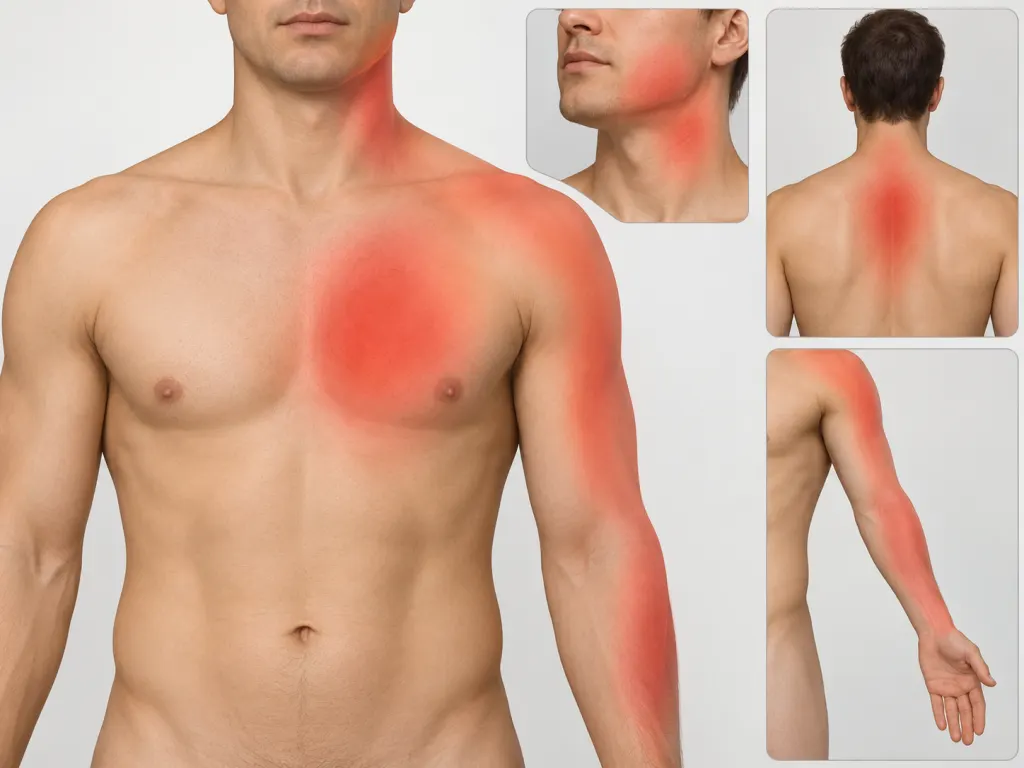
Heart-related discomfort can travel to other areas of the upper body. The American Heart Association lists pain or discomfort in one or both arms, the back, neck, jaw, or stomach among heart attack warning signs. This can confuse people because the strongest sensation may not be in the chest. For example, some people notice jaw tightness while walking, shoulder or arm heaviness with climbing stairs, or upper back pressure with nausea.
A useful clue is whether the discomfort appears with exertion or stress and improves with rest. That pattern can occur when the heart muscle is not getting enough oxygen-rich blood. It is not a home diagnosis, but it is a pattern worth taking seriously. If upper-body discomfort is sudden, severe, or paired with breathing trouble, sweating, faintness, or chest pressure, treat it as urgent.
Shortness of breath, fatigue, and lightheadedness matter
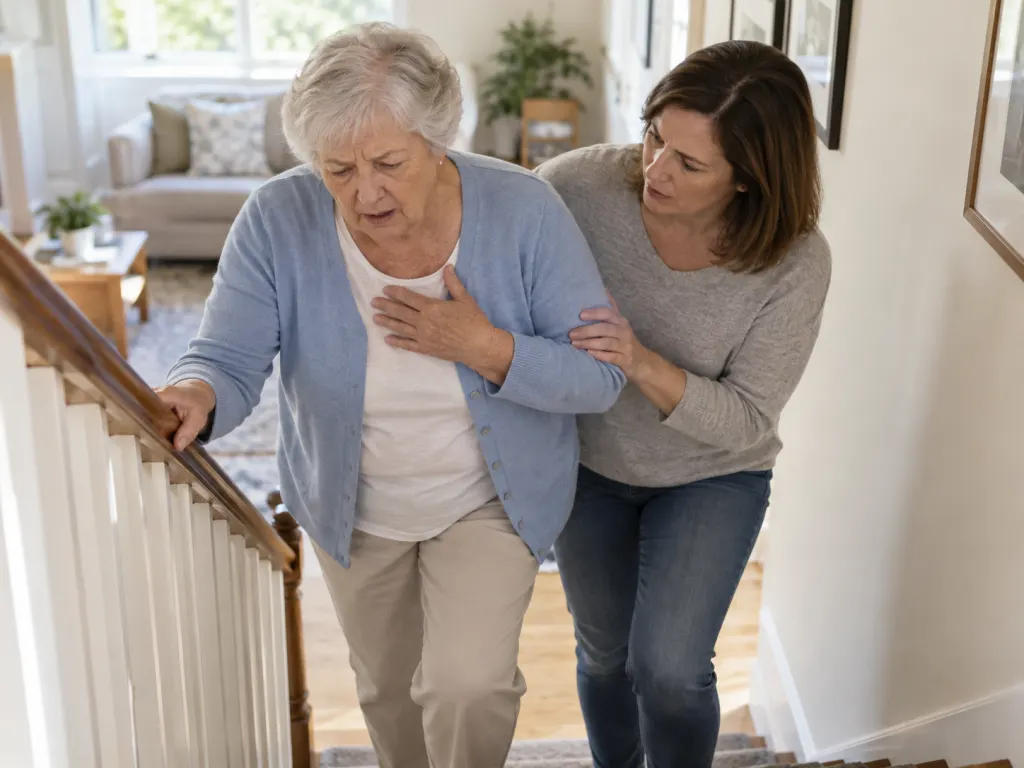
Shortness of breath can happen with chest discomfort or on its own. It may appear during activity, when lying down, or after a person wakes from sleep feeling unable to breathe comfortably. Unusual fatigue is another important signal, especially when it is new, severe, or out of proportion to the activity. NHLBI notes that women may be more likely than men to have symptoms such as extreme tiredness, nausea, dizziness, pressure or tightness in the chest, or stomach pain during a heart attack.
Lightheadedness, faintness, cold sweat, nausea, and a fast or irregular heartbeat are also concerning when they occur with chest discomfort or breathlessness. These symptoms can have many causes, but they should not be brushed aside when they are new or come in a cluster. A person who suddenly feels weak, clammy, nauseated, and short of breath while also having chest, arm, jaw, back, or stomach discomfort needs urgent help.
Swelling and trouble lying flat can point to heart strain
Not every warning sign is about a heart attack. Heart failure can develop when the heart cannot pump blood as well as the body needs. MedlinePlus lists symptoms such as shortness of breath with activity or after lying down, swollen feet and ankles, swelling in the abdomen, fatigue, weakness, cough, waking from sleep short of breath, and weight gain from fluid buildup. These signs can develop slowly, so people may explain them away as aging, poor sleep, or being out of shape.
Swelling is especially worth noting when it is persistent, new, worse on one side, or accompanied by breathlessness. Trouble sleeping flat, needing extra pillows to breathe, or waking after a few hours gasping for air should be discussed promptly with a qualified clinician. These symptoms do not prove heart failure, but they are not normal changes to ignore.

Angina can be a warning pattern before an emergency
Angina means chest pain or discomfort related to the heart, usually from reduced blood flow. NHLBI’s angina symptoms page notes that it can feel like pain, pressure, tightness, heaviness, squeezing, burning, or discomfort, and it may also involve shortness of breath, nausea, lightheadedness, fainting, or extreme tiredness. The key pattern is repeatability: symptoms may appear during exertion and ease with rest.
Stable patterns still need medical evaluation. A new pattern, symptoms that are more frequent, symptoms at rest, or discomfort that lasts longer than usual can represent a more serious change. Keep track of when symptoms start, what you were doing, how long they last, what makes them better or worse, and whether they come with breathlessness, sweating, nausea, or faintness. That record can help a clinician understand the pattern, but it should never delay emergency care when symptoms feel urgent.
When to call 911 without waiting
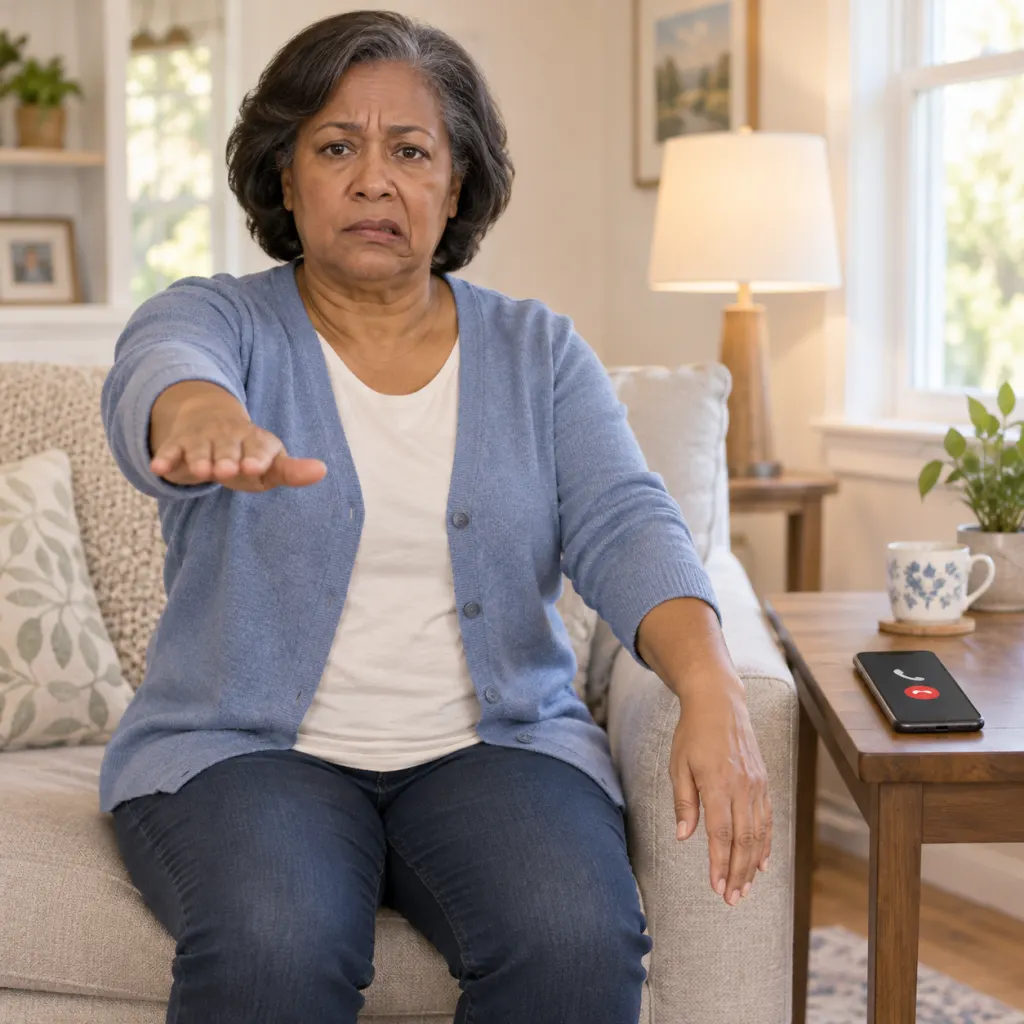
Call 911 or your local emergency number right away for chest discomfort that is severe, new, lasts more than a few minutes, goes away and returns, or appears with shortness of breath, cold sweat, nausea, fainting, unusual weakness, or discomfort in the arm, shoulder, back, neck, jaw, or stomach. The American Heart Association emphasizes that emergency medical services can start care when they arrive and can coordinate faster transport to the hospital.
Do not drive yourself if you may be having a heart attack. Do not wait to see whether symptoms become unmistakable. If you are with someone who becomes unresponsive and is not breathing normally, call emergency services and follow dispatcher instructions. Fast action matters because heart attack and cardiac arrest are time-sensitive emergencies.
What to discuss with a qualified clinician
For non-emergency symptoms, a focused conversation is more useful than a vague report that you “feel off.” Bring specific details and ask what evaluation is appropriate for your situation. Helpful details include:
- What the symptom feels like: pressure, tightness, burning, heaviness, breathlessness, fatigue, faintness, or swelling.
- Where it happens: chest, arm, shoulder, back, neck, jaw, stomach, legs, ankles, or abdomen.
- When it starts: during activity, at rest, after meals, during stress, while lying flat, or during sleep.
- How long it lasts and whether it improves with rest.
- Whether it is new, worsening, or different from your usual pattern.
- Personal risk factors such as high blood pressure, high cholesterol, smoking, diabetes, family history, or previous heart problems.
The CDC reports that heart disease is a leading cause of death in the United States and that high blood pressure, high blood cholesterol, and smoking are key risk factors. Its heart disease facts page also notes that heart attacks are common and that some are “silent,” meaning damage can occur without the person recognizing it at the time. That does not mean every odd sensation is a heart problem. It does mean that persistent, new, or activity-related symptoms deserve a serious conversation.
Be careful with visible clues and online lists
Some online lists focus on visible traits, such as earlobe creases, skin changes, or facial signs. Major patient-facing warning lists from the CDC, NHLBI, MedlinePlus, and the American Heart Association emphasize symptoms such as chest discomfort, shortness of breath, fatigue, swelling, nausea, sweating, lightheadedness, and upper-body discomfort. A visible feature should not be treated as a stand-alone diagnosis. If you notice a body change and also have symptoms or risk factors, use it as a reason to ask a clinician, not as proof of a heart condition.
It can also help to compare warning-sign articles across related conditions. For symptoms involving sudden face drooping, arm weakness, speech difficulty, vision change, or balance trouble, read Stroke Warning Signs: What to Notice Fast. For one-sided calf swelling, warmth, or leg pain that could suggest a clot pattern, see 10 Warning Signs of a Blood Clot in the Leg. Different emergencies can overlap, and the right response is to seek urgent help when symptoms are sudden, severe, or hard to explain.
Wrap-Up
Heart disease warning signs are not always dramatic. Chest pressure, tightness, burning, or heaviness; shortness of breath; upper-body discomfort; nausea; cold sweat; lightheadedness; unusual fatigue; swelling; trouble lying flat; and a racing or irregular heartbeat can all matter, especially when they are new, worsening, activity-related, or clustered together. Call emergency services for possible heart attack symptoms, and discuss recurring or unexplained symptoms with a qualified clinician.
Frequently Asked Questions
- → Can heart disease symptoms come and go?
Yes. Some symptoms, especially angina-type discomfort, may appear during activity or stress and improve with rest. Symptoms that are new, worsening, happening at rest, or paired with shortness of breath, sweating, nausea, or faintness need prompt medical attention.
- → Is chest pain always present during a heart attack?
No. Chest discomfort is common, but some people notice shortness of breath, nausea, lightheadedness, cold sweat, unusual fatigue, or discomfort in the arm, shoulder, back, neck, jaw, or stomach. When symptoms suggest a possible heart attack, call emergency services.
- → What warning signs can suggest heart failure rather than a heart attack?
Possible heart failure warning signs include shortness of breath with activity or while lying down, waking from sleep short of breath, swelling in the feet, ankles, legs, or abdomen, fatigue, weakness, cough, and sudden weight gain from fluid buildup. A clinician should evaluate these symptoms.
- → Are women’s heart disease warning signs different?
Women can have chest pain or pressure, but they may also report symptoms such as shortness of breath, nausea, vomiting, upset stomach, back or shoulder discomfort, dizziness, or unusual tiredness. Any concerning new pattern deserves medical attention.
- → Should I worry about an earlobe crease as a heart disease sign?
An earlobe crease by itself should not be used to decide whether you have heart disease. Pay closer attention to symptoms such as chest discomfort, shortness of breath, swelling, lightheadedness, unusual fatigue, or upper-body discomfort, and discuss personal concerns with a qualified clinician.
References
This content was developed and refined using reliable sources.
- https://www.heart.org/en/health-topics/heart-attack/warning-signs-of-a-heart-attack
- https://www.nhlbi.nih.gov/health/coronary-heart-disease/symptoms
- https://www.cdc.gov/heart-disease/about/coronary-artery-disease.html
- https://www.medlineplus.gov/ency/article/000158.htm
- https://www.nhlbi.nih.gov/health/angina/symptoms
- https://www.cdc.gov/heart-disease/data-research/facts-stats/index.html