 Save
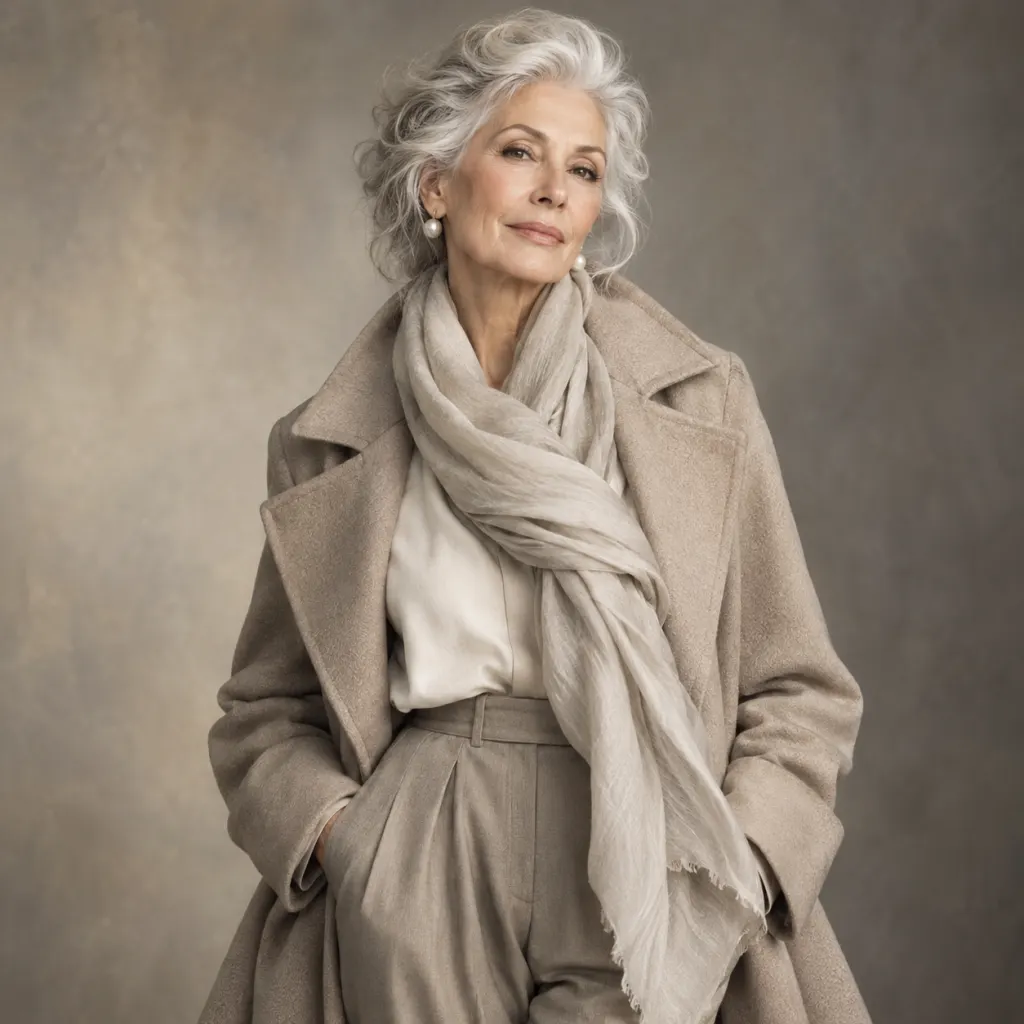
Daphne Selfe's legacy is clear: she helped make age visible in a field that often treated youth as the default language of beauty. The UK government's 2019 New Year Honours records list Daphne Frances Selfe as a model recognized for services to Women and Fashion, placing her work in a public record of cultural contribution published by GOV.UK. Remembering her means looking beyond the easy phrase of an older model and seeing a professional who turned experience, posture, humor, and presence into a quiet argument for broader representation.
A Public Life Best Understood Through Visibility
Selfe's story matters because fashion is not only about clothing. It is also about who is allowed to be seen, photographed, styled, admired, and treated as current. When an older woman stands confidently in that space, the image can unsettle assumptions that have often sat unchallenged in advertising and editorial culture. The official honours record does not tell a full biography, but it confirms something important: Selfe's contribution was publicly understood as service to women and fashion, not simply as a novelty of age.
The broader honours announcement said the 2019 list recognized a wide range of achievements across the United Kingdom and included 1,148 awards, with 544 women recognized in the list according to the Cabinet Office announcement. In that context, Selfe's listing sits beside people honored for public service, education, community work, the arts, and professional leadership. Her field was fashion, but the recognition pointed toward a wider social effect: the way public images can change expectations.
Why Her Later Career Resonated
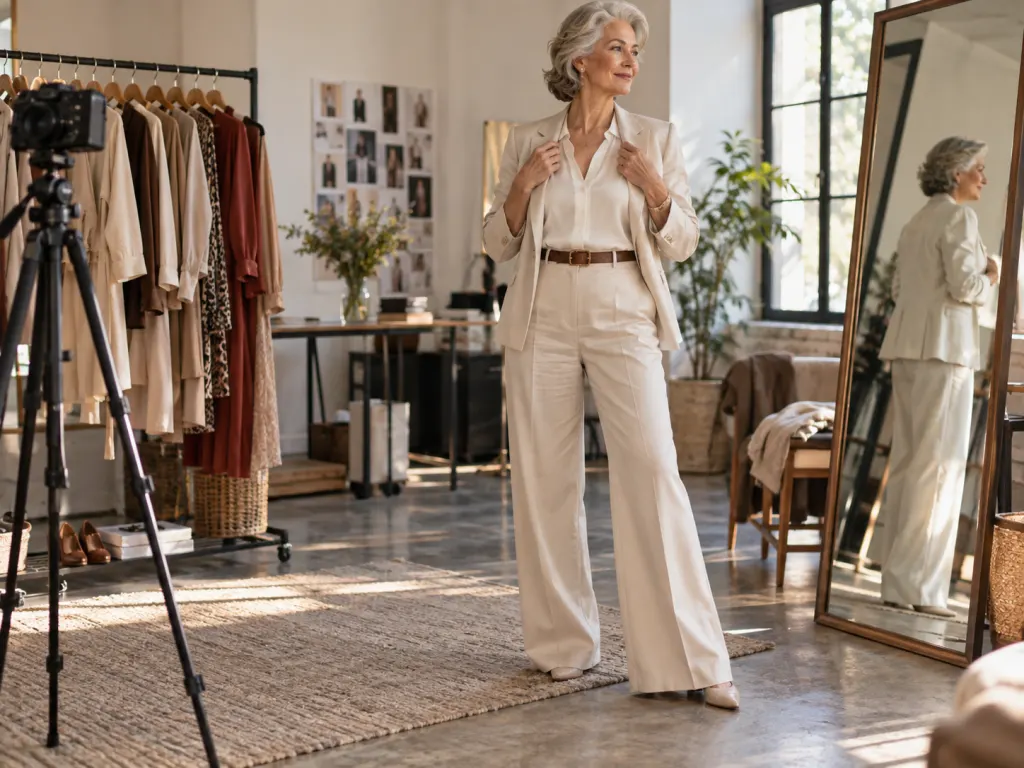
The most enduring part of Selfe's public image was not simply that she worked later in life. It was that she appeared to do so without apologizing for the signs of age that many fashion images try to soften or erase. That distinction matters. A person can be included in an image and still be made to fit a narrow ideal. Selfe's cultural force came from the impression that she was not asking permission to belong. She showed that elegance could include silver hair, lived experience, and a face with history.
Research on advertising representation helps explain why that felt notable. A University Research Symposium abstract from Illinois State University reported that women over forty were seldom included in the fashion advertisements studied, and that fashion media tended to focus on youth and young women in its summary of the project. Selfe's public visibility did not solve that pattern by itself, but she offered a memorable counterexample to it.
There is a practical reason readers continue to respond to her story. Many people do not experience later life as a neat retreat from style, work, curiosity, or public identity. Clothing remains a way to signal taste, mood, memory, discipline, and confidence. When fashion culture makes older people nearly invisible, it sends a message about whose self-expression counts. Selfe's image pushed back against that message with a simplicity that was hard to dismiss: she kept showing up professionally.
A Career That Became a Cultural Argument
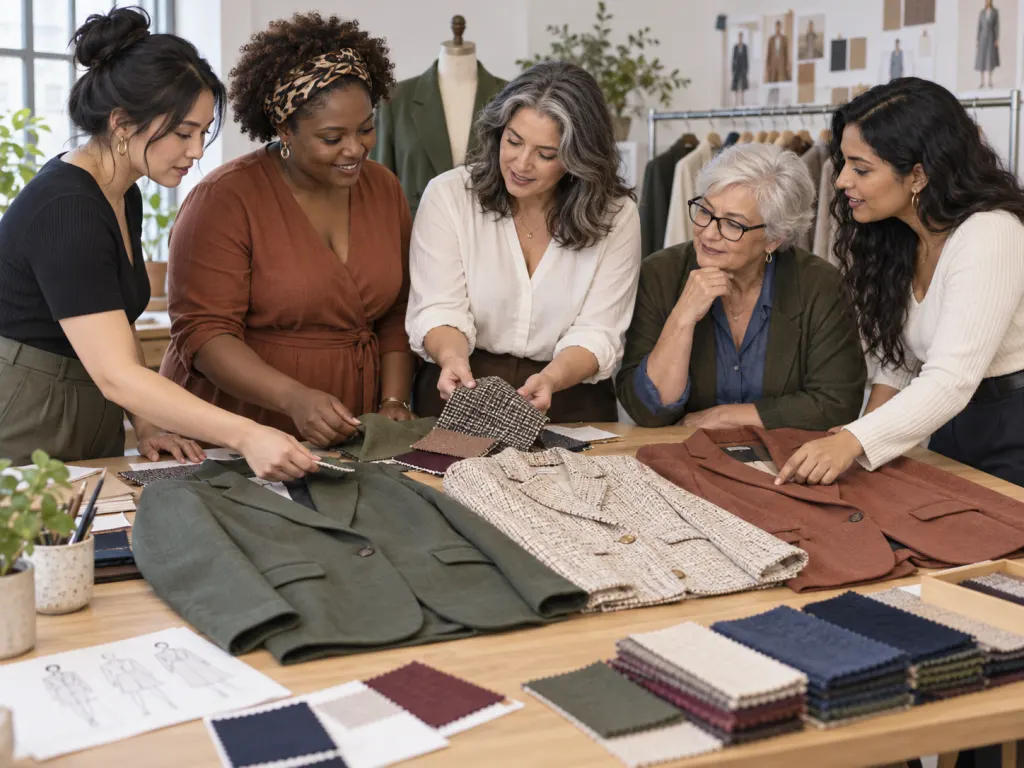
Selfe's late-career recognition is often discussed as a personal triumph, but it is also useful to see it as a cultural argument. The argument was not loud. It was made through castings, portraits, interviews, runway appearances, and the steady discipline of someone who understood the camera. In fashion, where a single image can circulate farther than a speech, presence can become a form of commentary.
The World Health Organization's global report on ageism describes ageism as a pattern involving stereotypes, prejudice, and discrimination related to age, and says its report brings together evidence and recommendations for changing how societies think and act about age in the report overview. Although Selfe's story belongs to fashion and culture, it fits inside that larger conversation. Images influence what people imagine as normal, desirable, employable, stylish, or possible.
- She made experience visible: her public profile helped show that age can add depth to a fashion image rather than subtract relevance.
- She complicated beauty standards: her look was not built around pretending to be younger, which made her presence more distinctive.
- She expanded the model of professionalism: her later work suggested that discipline and camera craft do not belong only to early adulthood.
- She gave audiences a different reference point: readers and viewers could see style as continuity, not a privilege that expires.
What Fashion Can Learn From Her Example
The easy lesson from Selfe's life would be to celebrate exceptional individuals and leave the system unchanged. The more useful lesson is different. If one older model can feel striking because she is rare, then the industry has a representation problem. A truly age-aware fashion culture would not need to treat older faces as surprise events. It would show people across decades of life with the same care given to younger models: good styling, good lighting, strong creative direction, and room for personality.
Selfe also reminds readers that inclusion is strongest when it is specific. A vague celebration of all ages can sound warm but change very little. Real inclusion asks concrete questions. Who gets booked for campaigns? Who appears on covers? Whose clothes are photographed with imagination? Who is allowed to look serious, glamorous, witty, romantic, unusual, or powerful after midlife? Who is shown as a full person rather than as a symbol? Selfe's best public images worked because they did not reduce her to age alone.
The Difference Between Novelty and Legacy
Novelty fades when the surprise wears off. Legacy lasts when the example keeps helping people interpret the world. Selfe's legacy belongs in the second category. She became part of a larger shift in how audiences talk about older women, style, and public confidence. The most valuable tribute is not to freeze her as an exception, but to let her example widen the frame for others.
That wider frame matters beyond fashion. The WHO news release on ageism says ageism appears in many areas of society, including workplaces and media in its 2021 release. Fashion media has unusual power because it teaches people what to notice. When it notices older women with intelligence and beauty, it can help loosen the habit of treating later life as a visual absence.
How To Remember Her Well
To remember Daphne Selfe well is to resist turning her into a slogan. Her public meaning was richer than a cheerful message about age. It included craft, timing, discipline, luck, resilience, presentation, and a willingness to be looked at on terms that did not erase maturity. She represented a form of confidence that was polished but not brittle. She seemed to understand that clothes can carry memory without becoming costume.
For readers, the lesson is not that everyone should model, seek public attention, or age in one approved way. The lesson is that culture becomes kinder and more interesting when it leaves room for different kinds of presence. Selfe's life invites a more generous visual imagination: one in which older people are not automatically cast as background, and where fashion can honor texture, history, and personality alongside youth.
Wrap-Up
Daphne Selfe is remembered because her career made a simple but powerful point: style does not belong to one stage of life. Official UK honours records confirm her 2019 recognition as a model for services to women and fashion. Academic and public sources on representation and ageism help explain why her visibility mattered. She showed that age can deepen a fashion image, that professionalism can continue across decades, and that culture changes when the camera learns to look more generously.
Frequently Asked Questions
- → Why is Daphne Selfe remembered in fashion culture?
She is remembered because her public modeling career challenged the assumption that fashion visibility belongs mainly to younger people. UK honours records also list her as recognized in 2019 for services to women and fashion.
- → What official recognition did Daphne Selfe receive?
The UK government's 2019 New Year Honours list includes Daphne Frances Selfe, listed as a model, with the service description recorded as services to Women and Fashion.
- → Why does age representation in fashion matter?
Fashion images help shape ideas about beauty, confidence, and relevance. When older people are rarely shown, audiences receive a narrow view of who is considered stylish or visible. Selfe's public image offered a memorable alternative.
- → Was Daphne Selfe's impact only about being older?
No. Age was part of why her work attracted attention, but her legacy also involved professionalism, poise, styling, camera presence, and the cultural value of showing experience as beautiful and current.
- → Which category fits this article?
This article fits Culture Stories because it is a calm explainer about a recognizable public figure and the wider cultural meaning of her career.
References
This content was developed and refined using reliable sources.
- https://www.gov.uk/government/publications/new-years-honours-list-2019
- https://assets.publishing.service.gov.uk/media/5c2a3332ed915d730364beaf/NY19_Queens_List_31_December_2018.pdf
- https://www.gov.uk/government/news/the-new-years-honours-list-2019
- https://ir.library.illinoisstate.edu/rsp_urs/40
- https://www.who.int/publications/i/item/9789240016866
- https://www.who.int/news/item/18-03-2021-ageism-is-a-global-challenge-un