 Save
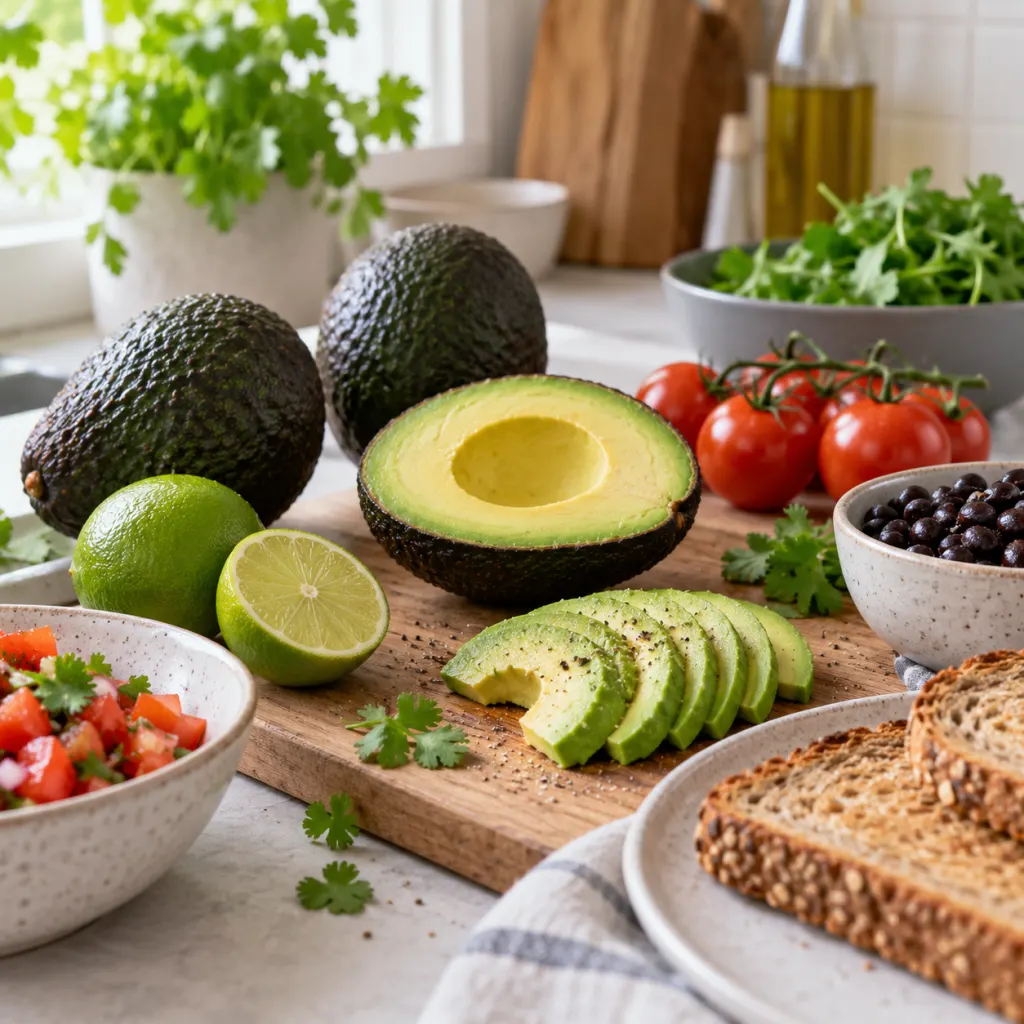
Avocados can be a smart addition to everyday meals because they combine fiber, mostly unsaturated fat, potassium, folate, vitamin E, vitamin K, magnesium, and carotenoids in one creamy fruit. The strongest case for eating them is not that they do one dramatic thing; it is that they help make balanced meals easier to build. A slice can enrich toast, a few cubes can make a salad more filling, and mashed avocado can replace less nourishing spreads in many casual meals. Harvard T.H. Chan School of Public Health describes avocados as a fruit with a creamy flesh, a large center pit, and a nutrition profile that fits many healthful eating patterns source.
What Makes Avocados Different
Most fruits get their calories mainly from carbohydrate. Avocados are different because much of their energy comes from fat, and most of that fat is monounsaturated. A whole medium avocado has about 240 calories, 13 grams of carbohydrate, 3 grams of protein, 22 grams of fat, about 10 grams of fiber, and very little sodium, according to Harvard's Nutrition Source source. That combination explains why avocado feels rich even when it is used in a small amount.
The best way to think about avocado is as a meal ingredient, not a cure-all. It can help you build a better breakfast, lunch, snack, or dinner when it replaces foods that are mostly refined starch, added sugar, or saturated fat. It can also push a plate toward more plants without making the meal feel austere. Seven practical reasons stand out:
- It supplies mostly unsaturated fat.
- It contributes meaningful fiber.
- It adds potassium with very little sodium.
- It provides folate and several other micronutrients.
- It contains carotenoids such as lutein and zeaxanthin.
- It helps simple meals feel more substantial.
- It is easy to use across many cuisines and meal styles.
1. Avocados Bring Mostly Unsaturated Fat
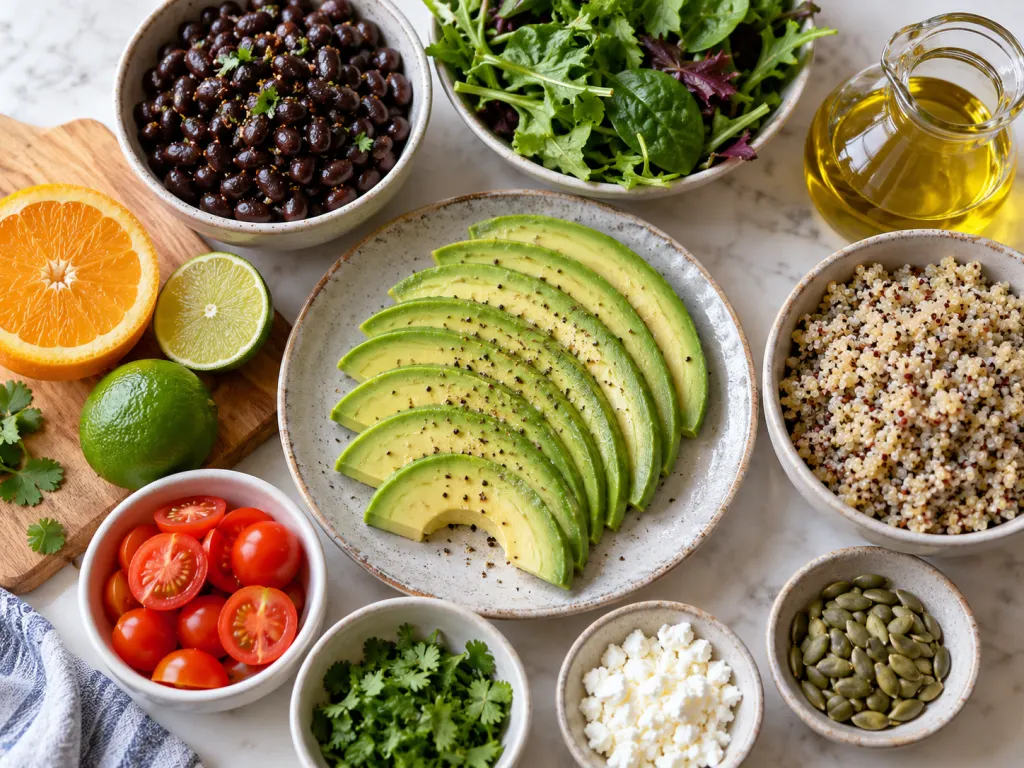
The fat in avocado is the main reason it tastes so smooth. Harvard lists avocado fat as mostly monounsaturated, and the American Heart Association recommends choosing foods with monounsaturated and polyunsaturated fats in place of foods higher in saturated and trans fats source. In practical kitchen terms, this makes avocado useful when you want richness without relying only on butter, cream cheese, or heavy creamy dressings.
That does not mean more is always better. Avocado is energy-dense, so the portion still matters. A few slices on eggs, half an avocado mashed into a sandwich spread, or diced avocado folded into a bean salad can be enough to change the texture of a meal. The point is to use its richness intentionally, so the plate becomes more satisfying without becoming overloaded.
2. The Fiber Content Is Meaningful
Avocado is often introduced as a source of fat, but its fiber content deserves equal attention. Harvard lists fiber as one of avocado's main nutrients, and a whole medium avocado provides about 10 grams source. The FDA also identifies dietary fiber as a nutrient many people should look for more often on food labels source. This is one reason avocado works so well in meals that otherwise feel thin, such as plain toast, a small salad, or a bowl of soup.
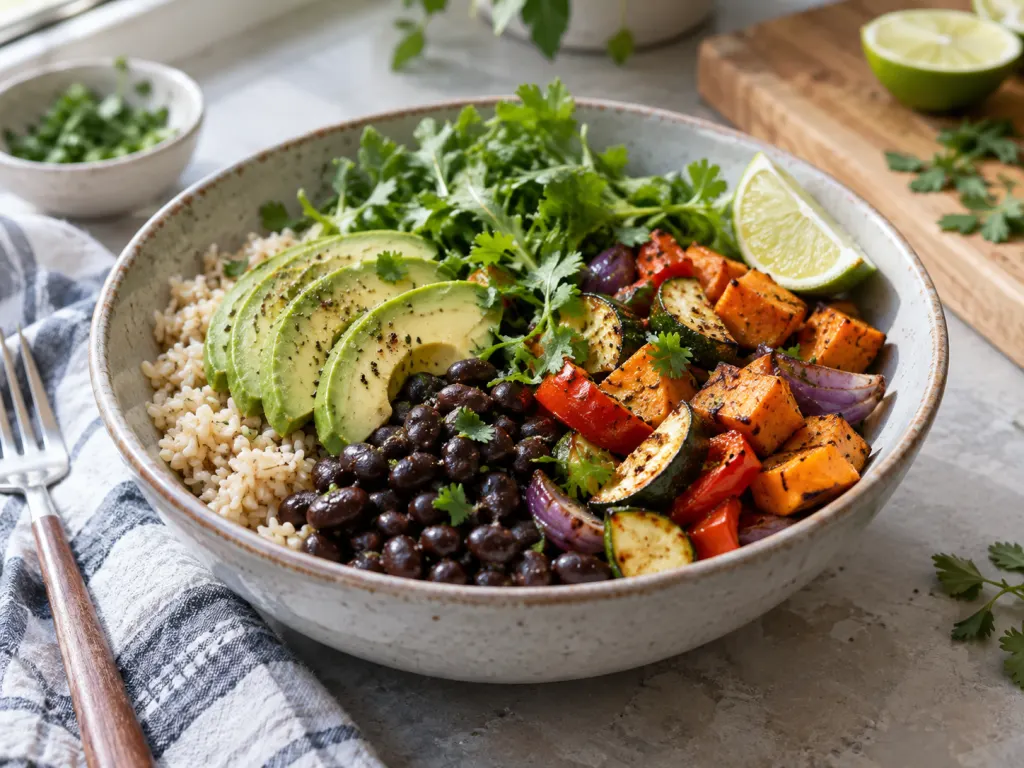
Fiber is not only about counting grams. It changes the eating experience. Avocado's creamy texture slows down a quick meal and helps dry or crisp ingredients feel more complete. Try pairing it with higher-fiber foods rather than using it alone: avocado with black beans, avocado with whole-grain toast, avocado in a vegetable-heavy grain bowl, or avocado with lentil soup. The result is more balanced than avocado sitting on an otherwise sparse plate.
3. It Adds Potassium Without Much Sodium
Potassium is another reason avocados are useful in everyday cooking. Harvard notes that avocados contain potassium and very little sodium, and even points out that a serving of half a medium avocado has more potassium than a medium banana source. The FDA lists potassium among nutrients that are required on the Nutrition Facts label and explains that Daily Value percentages help people understand how a serving contributes to a total day of eating source.
For home cooks, the low-sodium part is especially helpful. Avocado can make food taste rounder and richer without needing a heavy hand with salty toppings. A squeeze of lime, chopped cilantro, diced tomato, black pepper, paprika, or a little garlic can bring out its flavor. If the rest of a meal is already salty, such as tacos, smoked fish, or a seasoned grain bowl, avocado can soften the plate without adding much sodium of its own.
4. It Contributes Folate And Other Micronutrients
Avocados are not a complete multivitamin, but they do contribute several micronutrients in a food-first form. Harvard lists B vitamins, vitamin C, vitamin E, vitamin K, folate, potassium, and magnesium among avocado's nutrient sources source. The National Institutes of Health Office of Dietary Supplements lists raw sliced avocado as a food source of folate, with one half cup providing 59 micrograms dietary folate equivalents, or 15 percent of the Daily Value source.
Folate has basic roles in the body, including DNA and RNA synthesis and amino acid metabolism, according to the NIH fact sheet source. In plain kitchen language, avocado is one more way to add variety to the micronutrient mix of a meal. It should sit alongside other colorful plants, beans, grains, dairy or fortified alternatives, seafood, eggs, poultry, tofu, or other proteins depending on the meal pattern you follow.
5. Avocados Contain Lutein And Zeaxanthin
Avocados contain carotenoids, including lutein and zeaxanthin, which Harvard identifies among the plant compounds present in the fruit source. These names can sound technical, but the practical takeaway is simple: avocado adds more than fat and calories. It contributes a range of plant compounds that come packaged with fiber, water, and micronutrients.
This is not a reason to treat avocado like a screen-time shield or a substitute for varied produce. It is better understood as part of a colorful rotation. Pair avocado with orange peppers, tomatoes, leafy greens, corn, beans, herbs, citrus, or berries at breakfast. The more varied the plate, the less pressure any one ingredient has to carry the whole nutrition story.
6. It Makes Plant-Forward Meals Feel Substantial
One of avocado's best everyday strengths is sensory: it makes meals feel complete. Plant-forward meals can sometimes miss richness, especially when they are built from raw vegetables or lean proteins alone. Avocado brings softness, body, and a mild flavor that works with acid, herbs, spice, smoke, and crunch. A small amount can turn beans and rice, tomato soup, a vegetable omelet, or a turkey sandwich into something that feels more deliberate.
That satisfaction matters because practical food choices need to be enjoyable. If a meal is technically balanced but leaves you bored, you are less likely to repeat it. Avocado gives home cooks a flexible bridge between freshness and comfort. It can cool a spicy salsa, mellow a sharp vinaigrette, bind a chopped salad, or make leftovers feel less plain the next day.
7. Avocados Are Easy To Use Without A Recipe
The final reason is convenience. Harvard lists many simple serving ideas: diced into salads, soups, tacos, or whole grains; blended into smoothies; mashed as a spread; sliced into sushi; or eaten with citrus as a snack source. That flexibility matters in a real kitchen, where lunch may be assembled from leftovers and dinner may need to happen quickly.
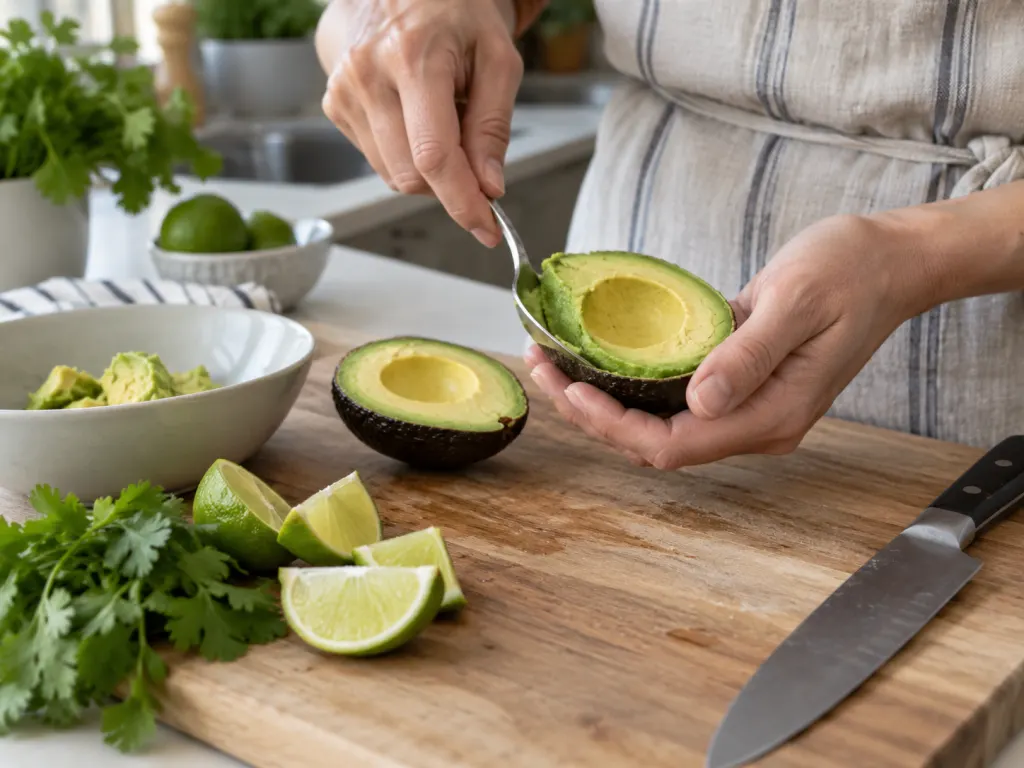
There are a few handling habits worth keeping. Choose firm avocados if you are shopping ahead, and softer ones if you plan to use them soon. Once cut, the flesh browns when exposed to air. Citrus juice and an airtight container can slow that browning. For pit removal, avoid striking the pit with a knife while holding the avocado in your hand. A safer home method is to press the pit out from behind or scoop it out carefully with a spoon, keeping sharp blades away from your palm.
How Much Avocado Makes Sense?
There is no single perfect amount for everyone. The FDA explains that serving sizes on labels reflect amounts people typically eat; they are not instructions for how much a person must eat source. For many meals, one quarter to one half of a medium avocado is plenty. A whole avocado can also fit, especially in a larger meal, but it should be counted as one of the richer ingredients on the plate.
A useful way to portion avocado is to match it to the job it is doing. Use a few slices when it is a garnish, one quarter when it is a spread, one half when it is a main source of richness in a salad or grain bowl, and more only when the rest of the meal is built to accommodate it. Because avocado has a mellow flavor, it is easy to keep adding more without noticing. Slicing it before serving makes that choice more visible.
Best Ways To Pair Avocado
Avocado shines when it is paired with contrast. Acid wakes it up, crunch keeps it from feeling heavy, and protein or beans turn it into a meal rather than a snack. Try avocado with lime and tomatoes on eggs, with chickpeas and cucumber in a lunch bowl, with salmon and greens on toast, with lentils and roasted vegetables, or with yogurt and herbs as a quick sauce. These pairings keep avocado in proportion while letting its texture do what it does best.
A Balanced Takeaway
Avocados deserve their popularity, but not because they are magical. They are useful because they solve common kitchen problems: they make meals creamier, add fiber, bring mostly unsaturated fat, contribute several micronutrients, and work in both quick snacks and full meals. The most sensible approach is to use avocado as one flavorful ingredient in a varied pattern of eating, with plenty of vegetables, fruits, legumes, whole grains, and protein foods around it.
Wrap-Up
Avocados are a practical food to keep in the rotation when you enjoy their flavor and texture. They offer fiber, mostly unsaturated fat, potassium, folate, vitamin E, vitamin K, magnesium, and carotenoids, and they can make simple meals feel more complete. Use them in sensible portions, pair them with colorful plants and protein foods, and treat them as one useful ingredient rather than the center of every meal.
Frequently Asked Questions
- → Is it okay to eat avocado every day?
For many people, avocado can fit into daily meals, but the portion and the rest of the plate matter. Because avocado is rich and calorie-dense, a smaller amount often works well: a few slices, one quarter, or one half of a medium avocado depending on the meal.
- → Is avocado a fruit or a vegetable?
Botanically, avocado is a fruit. In the kitchen, people often use it like a vegetable because it is mild, creamy, and savory rather than sweet. That flexibility is part of why it works in salads, toast, dips, tacos, soups, and grain bowls.
- → What is the healthiest way to eat avocado?
A balanced way to eat avocado is to pair it with foods that add contrast and nutrients, such as beans, whole grains, eggs, seafood, tofu, vegetables, herbs, and citrus. It is most useful when it replaces a less nourishing spread or adds richness to a plant-forward meal.
- → How do I keep cut avocado from turning brown?
Brush or squeeze lemon or lime juice over the cut surface, press it into an airtight container, and refrigerate it. Browning is mostly a quality issue, so trim away any unappealing surface if needed and use the remaining good flesh promptly.
- → Can avocado replace butter in every recipe?
No. Mashed avocado can work as a spread and can replace some fat in certain baking ideas, but it changes flavor, color, moisture, and texture. It is best tested in forgiving foods first, such as toast, sandwiches, quick sauces, and casual baked goods.
References
This content was developed and refined using reliable sources.
- https://nutritionsource.hsph.harvard.edu/avocados
- https://www.heart.org/en/healthy-living/healthy-eating/eat-smart/fats/fats-in-foods
- https://www.fda.gov/food/nutrition-facts-label/daily-value-nutrition-and-supplement-facts-labels
- https://www.fda.gov/food/nutrition-facts-label/how-understand-and-use-nutrition-facts-label
- https://ods.od.nih.gov/factsheets/Folate-HealthProfessional