 Save
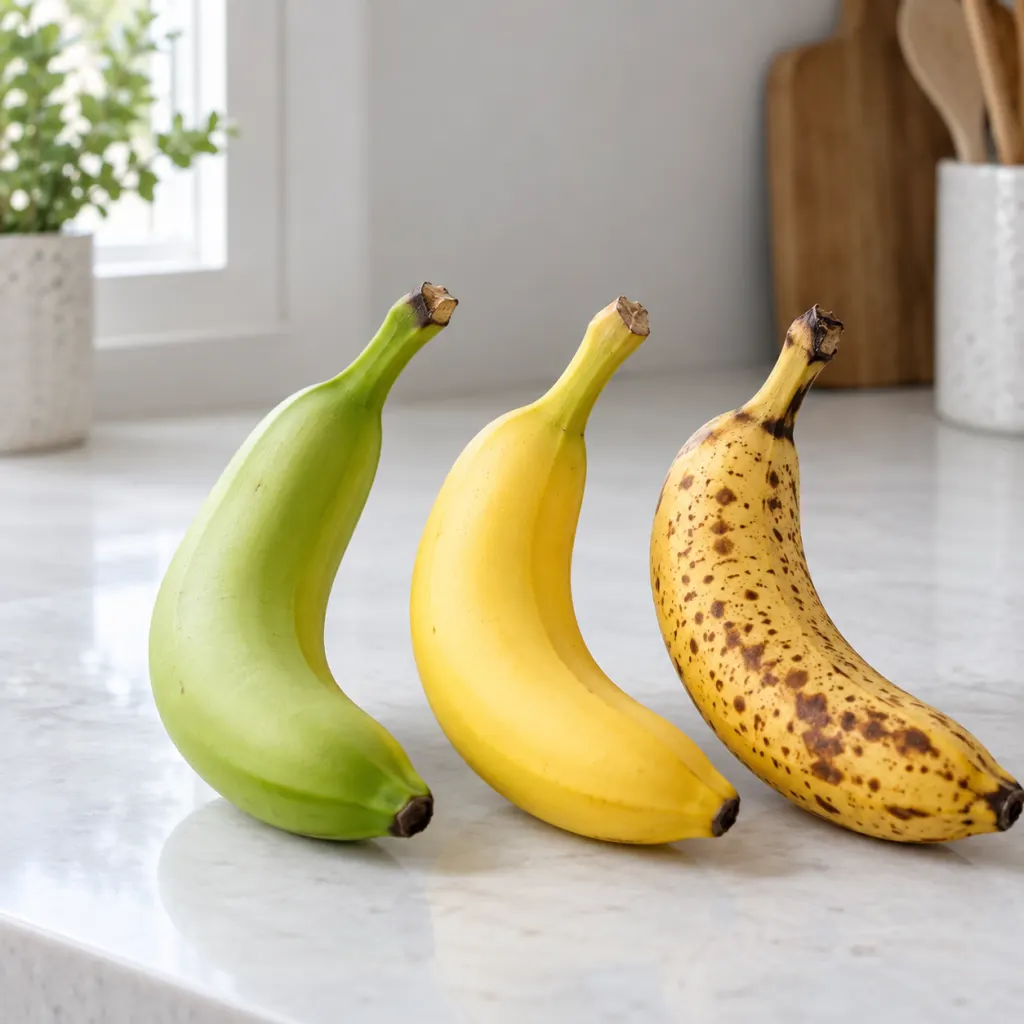
The healthiest banana is the one that best fits the job: green for more resistant starch and less sweetness, yellow for an easy everyday snack, and brown-spotted for a softer, sweeter fruit that blends or bakes well. Ripeness changes a banana because starch is gradually broken down into sugars during ripening, a process described in banana metabolism research from the National Library of Medicine archive https://pmc.ncbi.nlm.nih.gov/articles/PMC6454214/. That does not make one stage magically better than the others. It means the same fruit behaves differently in your kitchen and in your body as it moves from firm and green to fragrant and speckled.
The Practical Answer: Match Ripeness to Your Goal
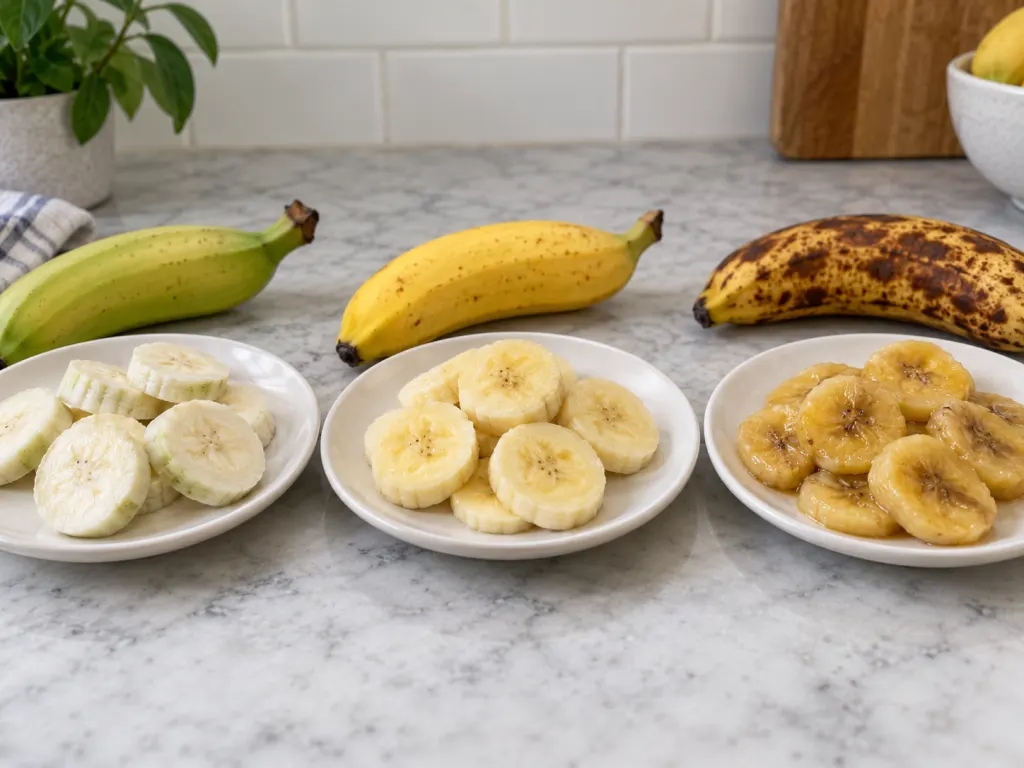
If you want the most useful rule, think of banana ripeness as a slider, not a ranking. Green bananas are starchier, less sweet, and firmer. Yellow bananas sit in the middle, with enough sweetness for snacking and enough structure for slicing. Brown-spotted bananas are soft, aromatic, and sweet enough to carry oatmeal, smoothies, pancakes, or banana bread. Research on banana ripening shows that bananas build up starch as they develop and then shift toward soluble sugars as they ripen, which is why flavor, texture, and kitchen use change so dramatically https://pmc.ncbi.nlm.nih.gov/articles/PMC6454214/.
For most healthy adults, any stage can fit into a balanced diet. The meaningful difference is not that green bananas are “good” and brown bananas are “bad,” or the other way around. The difference is how much starch remains, how sweet the fruit tastes, how firm the flesh is, and how you combine it with the rest of the meal. A banana eaten alone as a quick snack is not the same food experience as banana slices with yogurt, nuts, or oats. The American Diabetes Association notes that fruit contains carbohydrate and can be worked into a meal plan, especially when people pay attention to portions and meal context https://diabetes.org/food-nutrition/reading-food-labels/fruit.
- Choose green when you prefer a firmer fruit, less sweetness, or a starchier ingredient for cooking.
- Choose yellow when you want a balanced snack that tastes sweet but still slices neatly.
- Choose brown-spotted when you want strong banana aroma, soft texture, and natural sweetness for blending or baking.
- Choose by tolerance if your digestion or blood sugar response varies noticeably by ripeness.
What Changes as a Banana Ripens
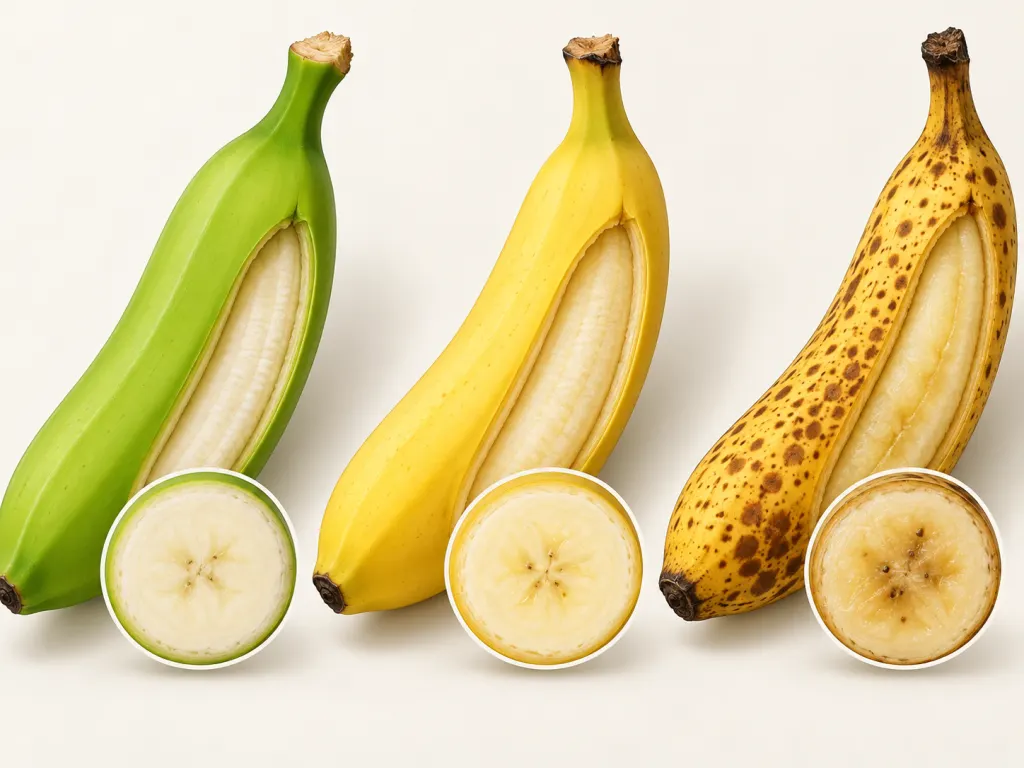
A banana keeps changing after harvest. It is a climacteric fruit, which means ripening continues as plant hormones and enzymes reshape the fruit’s chemistry. In plain kitchen terms, the peel loses its green color, the flesh softens, aroma compounds become more obvious, and starch breaks down into sugars. This is why a green banana can taste slightly chalky while a speckled banana tastes dessert-like even before anything is added.
The starch shift matters because starch and sugar do not feel the same in the mouth or behave the same in recipes. A green banana has more structure. A yellow banana is easier to chew and tastes sweeter. A brown-spotted banana mashes almost instantly and spreads its flavor through batter, oatmeal, or a smoothie. Laboratory research on fresh Saba bananas found that ripening was associated with decreasing starch, sugar formation, and changes in physical properties that influenced in vitro starch digestion https://pmc.ncbi.nlm.nih.gov/articles/PMC7000695/. Saba is not the same as every dessert banana sold in U.S. grocery stores, but the study is useful because it shows how maturity can change both composition and food structure.
Green Bananas: Best for Resistant Starch and Firm Texture
Green bananas are the least sweet of the three. Their main advantage is that more of their carbohydrate remains in starch form, including resistant starch. Resistant starch is called “resistant” because it resists digestion in the small intestine more than ordinary rapidly digested starch. PubMed-indexed research has examined resistant starch isolated from banana cultivars across seven postharvest ripening stages and found meaningful changes in its structure and properties as bananas matured https://pubmed.ncbi.nlm.nih.gov/24629975/.
In real life, that means green bananas are often better for people who like a firmer, starchier fruit or who want to use banana in savory-leaning dishes, smoothies with less sweetness, or cooked preparations. The tradeoff is taste and tolerance. Green bananas can be astringent, dense, and less pleasant eaten plain. Some people also notice more gas or fullness with starchier foods. If that is you, a yellow banana may be the better everyday choice, even if the green one looks stronger on paper.
Yellow Bananas: The Everyday Middle Ground
Yellow bananas are popular for a reason: they balance sweetness, texture, and convenience. They are soft enough to digest comfortably for many people, but not so soft that they collapse in a lunch bag. They slice neatly over cereal, toast, yogurt, or oatmeal, and they still have a bright banana flavor rather than the deep, jammy flavor of a very ripe fruit.
Nutritionally, yellow bananas still provide familiar fruit nutrients. Potassium is one of the minerals people associate with bananas, and the NIH Office of Dietary Supplements lists bananas among fruits that provide potassium, a mineral needed for heart function, muscle contraction, and nerve transmission https://ods.od.nih.gov/factsheets/Potassium-Consumer/. Bananas also contribute vitamin B6 within a varied eating pattern; NIH notes that vitamin B6 is naturally present in many foods and is involved in many enzyme reactions in metabolism https://ods.od.nih.gov/factsheets/VitaminB6-Consumer/.
Brown-Spotted Bananas: Best for Sweetness, Softness, and Less Waste
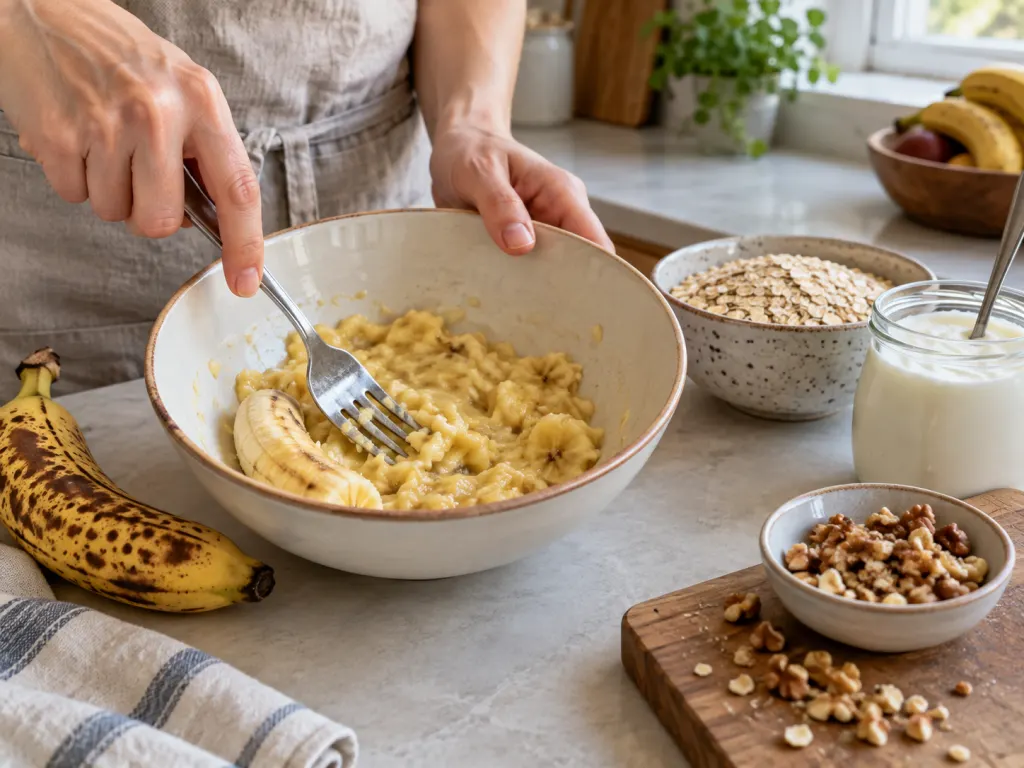
Brown spots usually mean the banana is very ripe, not automatically spoiled. At this stage, the flesh is softer, the aroma is stronger, and the perceived sweetness is higher. That makes brown-spotted bananas especially useful when you want banana flavor to do more of the work in a recipe. Mashed ripe banana can sweeten oatmeal, pancakes, smoothies, muffins, or quick breads, allowing the cook to adjust other sweet ingredients to taste.
Brown bananas are not automatically the “most antioxidant” choice in a way that should drive everyone’s decision. Banana phytochemicals vary by cultivar, peel versus pulp, growing conditions, and ripeness. A PubMed-indexed study of six Australian banana cultivars found that phenolic compounds and antioxidant capacity differed by cultivar and maturity stage, with some ripe samples standing out and one unripe pulp sample showing the highest value for one antioxidant measure https://pubmed.ncbi.nlm.nih.gov/34679656/. The practical takeaway is modest: bananas contain a mix of plant compounds, but ripeness is not a simple contest where the brownest fruit always wins.
Blood Sugar: Ripeness Matters, but So Does the Meal
Because ripe bananas taste sweeter, people often assume brown bananas are always a poor choice for blood sugar. That is too simple. Ripeness can affect the form of carbohydrate, but portion size, what else is eaten, activity level, and individual response all matter. The American Diabetes Association frames fruit as a carbohydrate-containing food that can be included by counting it as part of the meal plan rather than treating all fruit as off-limits https://diabetes.org/food-nutrition/reading-food-labels/fruit.
If you monitor blood sugar, the most practical comparison is personal. A small yellow banana with breakfast may work differently from a large brown banana blended into a smoothie and swallowed quickly. Pairing fruit with foods that add protein, fat, or additional fiber, such as plain yogurt, nut butter, chia seeds, or oatmeal, can make the snack more filling. For someone managing a diagnosed condition, however, the right portion and frequency should come from individualized guidance rather than a color chart.
Digestion and Texture: Softer Is Not Always Better
Riper bananas are softer, which can make them easier to chew and mash. That is helpful for smoothies, simple breakfasts, and baking. It can also be useful when someone wants a gentle texture after a short-term stomach upset, although the article should not be read as a care plan. Green bananas, on the other hand, may feel heavier because they are firmer and starchier. Some readers enjoy that dense texture; others find it less comfortable.
The best digestive choice is the one you tolerate well. If green bananas leave you bloated, choose yellow. If very ripe bananas taste too sweet or feel too soft, choose yellow or slightly green. If you like brown bananas in oatmeal but not by themselves, that is still a perfectly useful way to eat them. The body does not grade the fruit by peel color alone; the whole meal and your usual tolerance matter.
Food Safety: Brown Spots Are Different From Spoilage
Brown speckles on the peel are a normal ripeness sign. They are not the same thing as a banana that is leaking, moldy, or has an off smell. For everyday handling, FoodSafety.gov advises rinsing fresh produce under cold running water and not using soap, bleach, sanitizer, alcohol, or disinfectant on fruits and vegetables https://www.foodsafety.gov/blog/safe-ways-handle-and-clean-produce. With bananas, wash your hands, keep the peel away from ready-to-eat cut surfaces, and use clean utensils if slicing or mashing the fruit.
Because the peel protects the flesh, a speckled banana can still be a good banana. Once peeled, look at the fruit itself. Flesh that is creamy, tan, or lightly bruised is usually a quality issue more than a safety issue. Fruit that looks moldy, smells alcoholic, feels slimy, or has been sitting peeled at room temperature should be discarded. When using very ripe bananas for baking, peel and freeze them before they decline further, then thaw and use the soft fruit in cooked recipes.
A Simple Decision Guide
Here is the easiest way to decide without overthinking it. For a lunchbox snack, choose yellow because it travels well and tastes good plain. For a lower-sweetness smoothie, use a slightly green banana and add berries or yogurt for flavor. For banana bread, muffins, pancakes, or oatmeal, use brown-spotted bananas because their softness and sweetness are an advantage. For blood sugar planning, compare portion size and meal context, not just peel color. For digestion, choose the stage that consistently feels comfortable to you.
If you dislike one stage, there is no need to force it. A green banana that sits uneaten until it is thrown away is not healthier than a yellow banana you enjoy. A brown banana that helps you reduce food waste and sweeten a bowl of oats may be the smartest choice that day. The best answer is practical, not perfectionist: buy a range of ripeness if you can, eat the yellow ones first, save the speckled ones for recipes, and freeze extras before they spoil.
Special Cases Worth Noticing
Most people can treat banana ripeness as a matter of taste, texture, and routine. A few people need more caution. If you have a known banana allergy, have reacted to banana before, or have latex allergy with food reactions, discuss banana tolerance with a qualified clinician. PubMed-indexed literature describes latex-fruit syndrome, in which some people with natural rubber latex allergy also react to plant-derived foods including banana https://pubmed.ncbi.nlm.nih.gov/12440950/. Anyone who develops trouble breathing, throat tightness, or swelling after eating should seek urgent medical help.
Bottom Line
Green, yellow, and brown bananas each have a place. Green bananas are the starchiest and least sweet. Yellow bananas are the most versatile for everyday eating. Brown-spotted bananas are the softest and sweetest, which makes them excellent for recipes and reducing food waste. Instead of asking which color is universally healthiest, ask what you want the banana to do: keep a snack firm, add balanced fruit to breakfast, or bring natural sweetness and moisture to a recipe.
Wrap-Up
The healthiest banana is context-dependent. Choose green if you want a firmer, starchier fruit; choose yellow for an easy snack; choose brown-spotted when sweetness, aroma, and mashable texture are useful. Ripeness changes starch, sugar, texture, and flavor, but it does not turn bananas into entirely different foods. Portion size, meal pairing, personal tolerance, and food safety matter more than treating peel color as a strict health score.
Frequently Asked Questions
- → Is a green banana healthier than a yellow banana?
Not automatically. Green bananas are starchier and less sweet, which may suit some people and some recipes. Yellow bananas are usually easier to enjoy plain and still provide useful fruit nutrients. The better choice depends on taste, tolerance, portion size, and the rest of the meal.
- → Are brown bananas too sugary to eat?
Brown-spotted bananas taste sweeter because more starch has changed into sugars during ripening. That does not mean they are off-limits for everyone. A smaller portion, or pairing banana with yogurt, oats, nuts, or seeds, can make it a more balanced snack. People managing blood sugar should follow individualized guidance.
- → Can I bake with bananas that have brown spots?
Yes, brown-spotted bananas are often ideal for baking because they mash easily and bring stronger banana flavor. Do not use bananas that smell off, show visible mold, feel slimy, or have been stored peeled at room temperature for a long time.
- → Do ripe bananas have more antioxidants?
Bananas contain plant compounds, but antioxidant measurements vary by cultivar, peel versus pulp, ripeness, and testing method. Research does not support choosing the brownest banana as a universal health rule. It is better to choose ripeness by use and tolerance.
- → Which banana should I choose for smoothies?
Use yellow or brown-spotted bananas for a sweet, creamy smoothie. Use slightly green bananas if you want less sweetness and a firmer, starchier base. If blood sugar response matters for you, consider the total serving and what else is in the smoothie.
References
This content was developed and refined using reliable sources.
- https://pmc.ncbi.nlm.nih.gov/articles/PMC6454214
- https://pmc.ncbi.nlm.nih.gov/articles/PMC7000695
- https://pubmed.ncbi.nlm.nih.gov/24629975
- https://diabetes.org/food-nutrition/reading-food-labels/fruit
- https://ods.od.nih.gov/factsheets/Potassium-Consumer
- https://ods.od.nih.gov/factsheets/VitaminB6-Consumer
- https://pubmed.ncbi.nlm.nih.gov/34679656
- https://www.foodsafety.gov/blog/safe-ways-handle-and-clean-produce
- https://pubmed.ncbi.nlm.nih.gov/12440950