 Save
Rosemary is best understood as a traditional wellness herb with interesting pain-related research, not as a stand-alone answer for pain. Its leaves contain aromatic oils and polyphenols that scientists study for inflammation-related pathways, and some small human studies have used rosemary-containing blends. Still, the evidence is limited, product quality varies, and pain can signal many different problems. A careful view keeps rosemary in its strongest place: a familiar kitchen herb with cultural history, plausible chemistry, and safety questions that matter when people move from seasoning food to concentrated oils or supplements.
A kitchen herb with a long wellness history
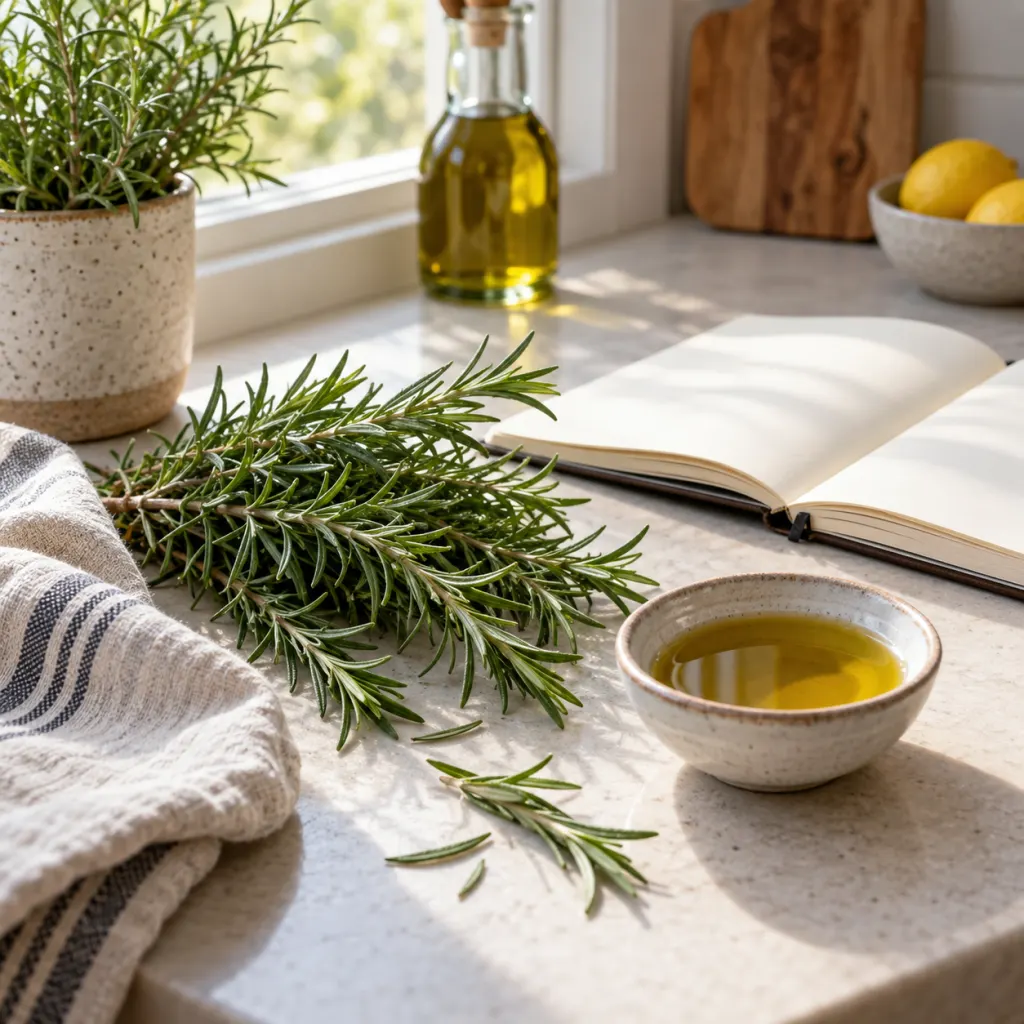
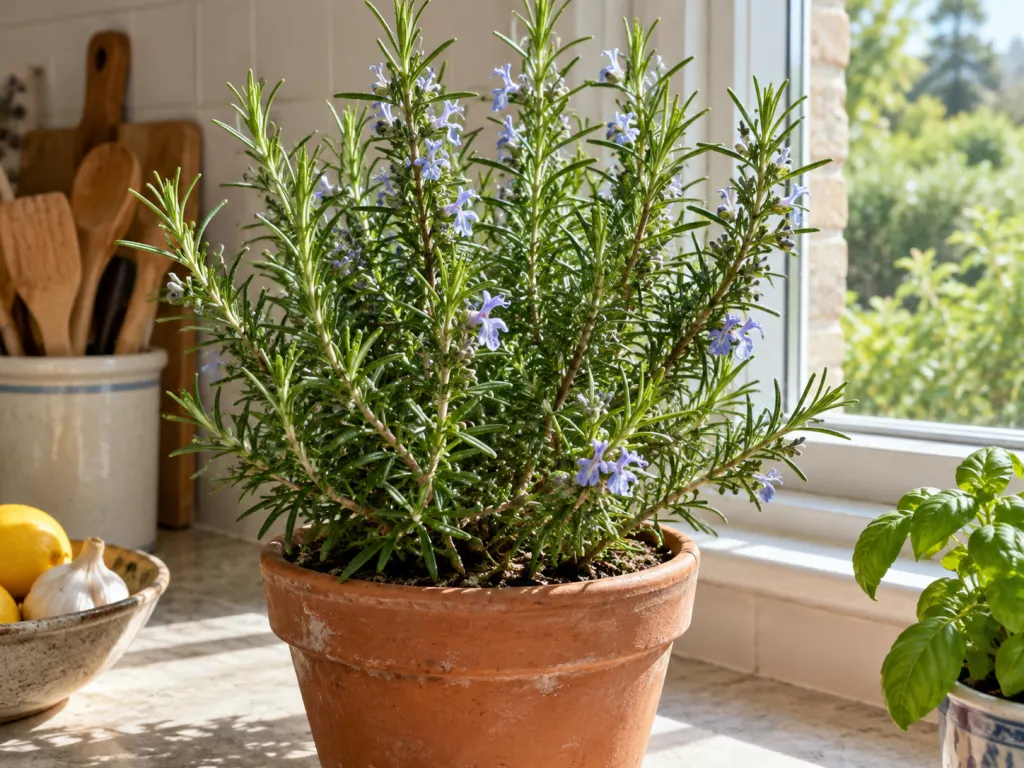
Rosemary, now commonly classified as Salvia rosmarinus and also known by the older name Rosmarinus officinalis, is a woody Mediterranean herb in the mint family. Its needle-like leaves are valued in cooking because their aroma holds up to heat, especially with roasted vegetables, beans, poultry, breads, and olive oil. PubChem's taxonomy entry records the current scientific name and older synonym, which is useful because research papers and product labels may use either name https://pubchem.ncbi.nlm.nih.gov/taxonomy/39367.
The herb's wellness reputation grew from many traditions at once: food preservation, scent, household tonics, steam, baths, and topical preparations. That history matters because it explains why people still search for rosemary when they are thinking about sore muscles, stiff joints, or general body aches. But tradition is not the same as proof in people. A modern article has to separate cultural use, laboratory findings, product marketing, and clinical evidence, especially because pain is personal and can have causes that are not obvious from symptoms alone.
Why rosemary attracts pain-related research
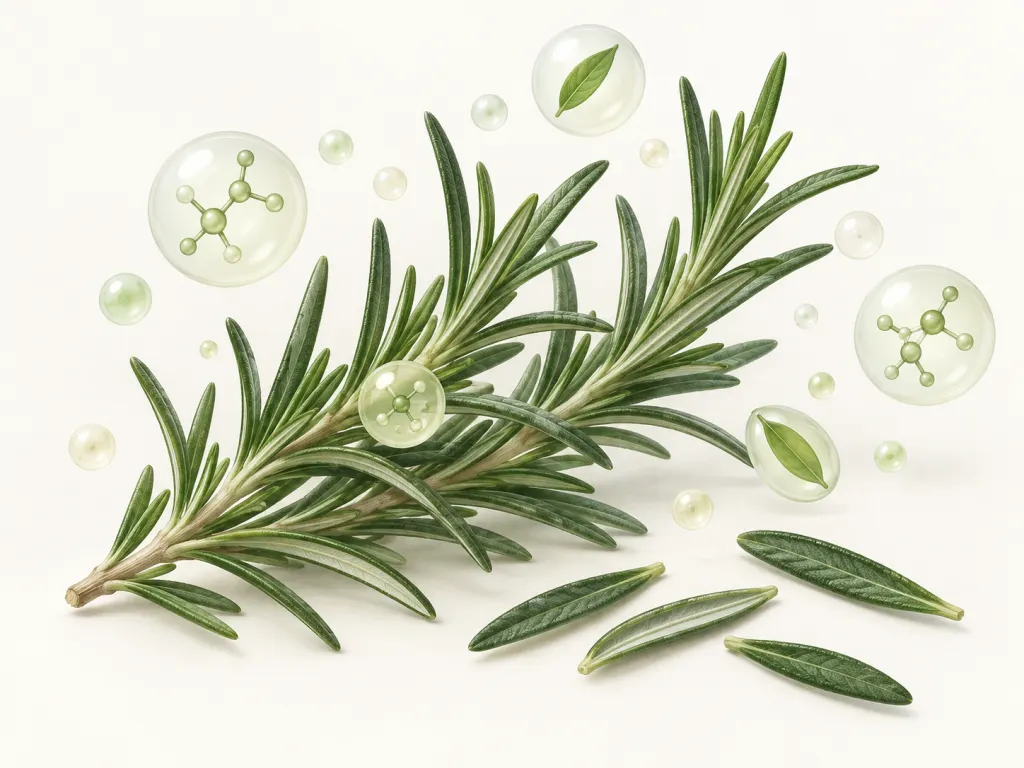
Researchers pay attention to rosemary because the plant contains several groups of compounds, including volatile aromatic constituents in the essential oil and polyphenols such as rosmarinic acid. A 2019 review of rosemary essential oil described frequently reported constituents such as 1,8-cineole, alpha-pinene, and camphor, and summarized laboratory work on inflammation-related signaling pathways https://pubmed.ncbi.nlm.nih.gov/30287195/. This kind of work helps explain biological plausibility, but it does not show that a home preparation will produce a predictable result for a specific person.
Rosmarinic acid is another reason rosemary appears in wellness discussions. It is not unique to rosemary; it is found in many plants in the mint family, including lemon balm, sage, oregano, thyme, and basil. A review on rosmarinic acid discussed how the compound is processed in the human body and noted that research includes both human pharmacokinetic work and many preclinical studies https://pubmed.ncbi.nlm.nih.gov/33285594/. The important takeaway is measured curiosity: chemistry can justify research, but it does not turn a sprig, tea, oil, or capsule into a reliable clinical tool.
What human evidence can actually say
Human evidence for rosemary alone and pain is still thin. Some studies use combinations, which makes interpretation difficult because the rosemary component cannot be separated from massage, carrier oils, other essential oils, or the ritual of care. One randomized study in older adults with knee osteoarthritis used massage with a ginger and rosemary oil blend and reported better pain and function scores than comparison groups, but the design cannot tell readers what rosemary contributed by itself https://pubmed.ncbi.nlm.nih.gov/31144450/. That distinction is not a technicality; it is the difference between a promising question and a dependable conclusion.
Pain is not one single thing
MedlinePlus describes pain as a signal in the nervous system that something may be wrong, and it notes that pain can be acute, chronic, or episodic https://www.medlineplus.gov/pain.html. A sore shoulder after gardening, a recurring migraine pattern, nerve pain, abdominal pain, and chest pressure are not interchangeable experiences. Because the causes differ, the right response differs too. Rosemary's traditional use is easiest to discuss around general comfort rituals, but pain that is new, worsening, persistent, spreading, or paired with other symptoms needs a health professional's attention.
This is also where online herb claims often become misleading. A product page may group muscle aches, joint stiffness, arthritis, gout, and inflammation together as if one plant can address them all. Current evidence does not support that level of certainty. NCCIH's overview of complementary health approaches for chronic pain notes that evidence varies by approach and condition, and that nutritional approaches such as herbal products may have side effects or affect medicines https://www.nccih.nih.gov/health/chronic-pain-and-complementary-health-approaches-usefulness-and-safety. The safer question is not, "Does rosemary work for pain?" It is, "What exactly is the pain, what is known about this preparation, and who is guiding the decision?"
- Culinary use: Fresh or dried rosemary used as seasoning is the most familiar and lowest-intensity form.
- Tea or infusion: Strength varies with the plant, steeping time, and amount used, so it should not be treated as a standardized product.
- Essential oil: This is highly concentrated and should be viewed differently from the herb on a cutting board.
- Capsules or extracts: These can vary by manufacturer, plant part, extraction method, and label accuracy.
- Blended products: Evidence for the blend may not tell you what rosemary alone contributes.
Food rosemary is different from concentrated rosemary
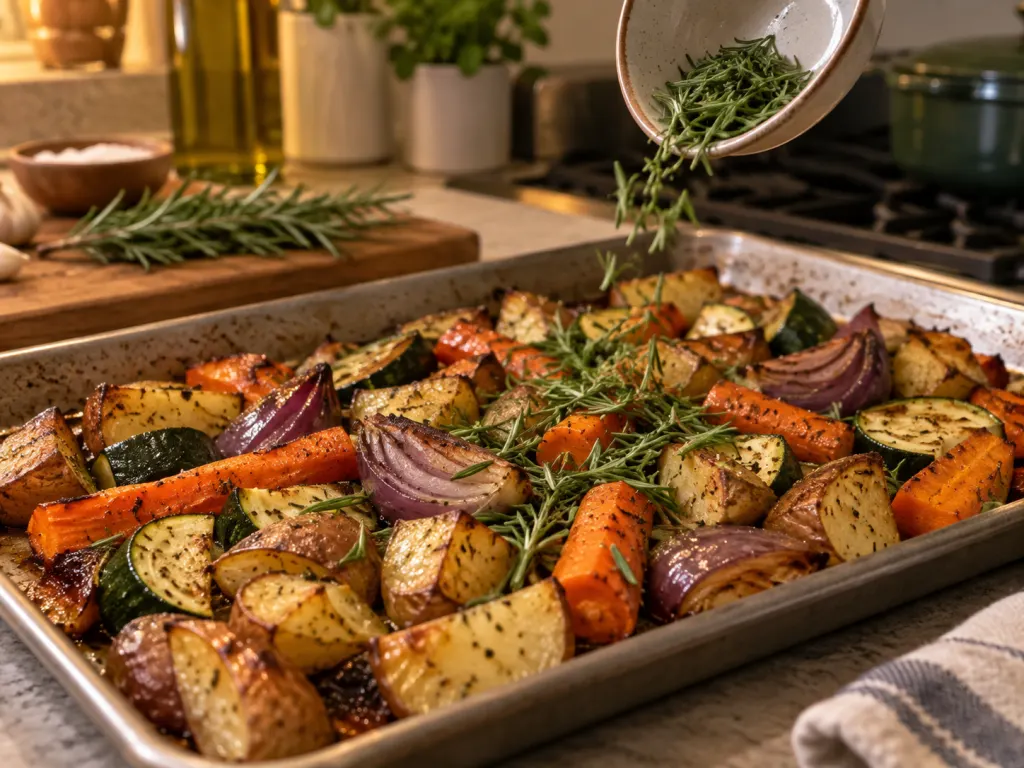
For most households, rosemary's best everyday role is culinary. Cooking with it can make beans, potatoes, roasted squash, soups, focaccia, and grilled foods more aromatic, which can support an enjoyable eating pattern without asking the herb to do clinical work. Food use also keeps the context clear: the herb is part of a meal, not a health product with a promise attached. That difference matters because people often move from "this herb is traditional" to "this product must be safe" without noticing how much the form has changed.
Safety questions matter more with oils and supplements
Concentration changes the conversation. Essential oils are not the same as chopped leaves, and supplements are not the same as dinner. NCCIH's safety guidance for complementary health products stresses that safety depends on the specific product or practice, and that manufacturers generally do not have to prove a dietary supplement's safety and effectiveness before it reaches consumers https://www.nccih.nih.gov/health/safety. FDA's consumer guide also explains that dietary supplements can involve risks, may have strong effects in the body, and are regulated differently from conventional foods and drugs https://www.fda.gov/consumers/consumer-updates/fda-101-dietary-supplements.
Quality is another practical issue. FDA maintains notices about pain and arthritis products found to contain hidden ingredients, warning that some products promoted online or in stores may pose serious health risks https://www.fda.gov/drugs/medication-health-fraud-notifications/pain-and-arthritis-products-containing-hidden-ingredients. That does not mean every rosemary product is suspect. It means pain-related marketing deserves a higher standard of skepticism, especially when a label promises broad results, uses dramatic language, or avoids clear information about ingredients and manufacturer contact details.
How to read rosemary research without overreading it
A useful way to read rosemary research is to ask four questions. Is the study in people or in cells or animals? Is rosemary the only active component, or is it part of a blend? Is the product standardized, meaning researchers know what is in it? Is the outcome a measurable change in pain, function, sleep, movement, or quality of life? When the answer is unclear, the result should be treated as a clue, not a conclusion. This is especially important for essential oils, where scent, massage, touch, expectation, and relaxation may all shape how a participant reports discomfort.
It is also worth noticing that many rosemary papers focus on mechanisms rather than household use. A review of rosemary's phytochemistry and biological activity summarized anti-inflammatory and analgesic findings across experimental models, while also noting that more research is needed before firm recommendations can be made for people https://pmc.ncbi.nlm.nih.gov/articles/PMC5905578/. Mechanistic research is valuable, but it sits earlier in the evidence chain than large, well-controlled human studies.
When pain should not be handled as a kitchen question
Some pain situations should be treated as urgent. Get immediate medical help for chest pain that does not go away, crushing pressure, pain with shortness of breath, sweating, nausea, dizziness, fainting, sudden weakness, severe headache unlike your usual pattern, major injury, fever with severe pain, or sudden abdominal pain. Pain that persists, keeps returning, disrupts sleep, limits ordinary movement, or comes with swelling, numbness, weight loss, or unexplained fatigue also deserves a qualified evaluation. The point is not alarm; it is respect for what pain can represent.
A balanced place for rosemary in everyday life
The most reasonable place for rosemary is still the kitchen. Add it to meals because it tastes good, because it carries cultural meaning, and because herbs can make home cooking more satisfying. If rosemary tea, scent, or a warm bath is part of a personal comfort ritual, keep the claims modest and the form gentle. The moment a product is concentrated, swallowed as a supplement, rubbed on skin for pain, or used because a symptom is worrying you, the question moves from folklore into health decision-making.
Wrap-Up
Rosemary's reputation around pain comes from a real mix of tradition, aroma, plant chemistry, and early scientific interest. The herb contains compounds that researchers study in inflammation-related pathways, and a few human studies have included rosemary in blends. That is enough to make rosemary scientifically interesting, but not enough to support sweeping promises. For everyday readers, the safest interpretation is simple: enjoy rosemary as a flavorful culinary herb, be cautious with concentrated products, and treat persistent or concerning pain as a health question rather than a pantry problem. Evidence-based curiosity leaves room for tradition without asking it to carry more certainty than it has.
Frequently Asked Questions
- → Is rosemary mainly a food herb or a health product?
For most homes, rosemary is best viewed first as a food herb. Using fresh or dried leaves in cooking is very different from using concentrated oils, capsules, or extracts. The more concentrated the form, the more important it is to ask a qualified health professional about fit and safety.
- → Why do people connect rosemary with aches and soreness?
Rosemary has a long traditional history, a strong aroma, and plant compounds that researchers study in inflammation-related pathways. Those facts explain why the herb attracts interest, but they do not prove that a particular rosemary product will change a person's pain experience.
- → Are rosemary essential oils the same as fresh rosemary?
No. Essential oils are concentrated aromatic products, while fresh rosemary is a culinary herb. They differ in strength, use, and risk. A sprig in soup and an oil applied to skin should not be treated as interchangeable.
- → What should I look for when reading rosemary claims online?
Look for calm wording, clear ingredient information, a named manufacturer, and references to human evidence. Be cautious with broad promises, dramatic labels, before-and-after language, or products that claim to address many kinds of pain at once.
- → When should pain be discussed with a clinician?
Discuss pain with a clinician when it is severe, sudden, unexplained, persistent, keeps returning, limits movement, disrupts sleep, or comes with symptoms such as chest pressure, shortness of breath, swelling, numbness, fever, weakness, dizziness, or fainting.
References
This content was developed and refined using reliable sources.
- https://pubchem.ncbi.nlm.nih.gov/taxonomy/39367
- https://pubmed.ncbi.nlm.nih.gov/30287195
- https://pubmed.ncbi.nlm.nih.gov/33285594
- https://pubmed.ncbi.nlm.nih.gov/31144450
- https://www.medlineplus.gov/pain.html
- https://www.nccih.nih.gov/health/chronic-pain-and-complementary-health-approaches-usefulness-and-safety
- https://www.nccih.nih.gov/health/safety
- https://www.fda.gov/consumers/consumer-updates/fda-101-dietary-supplements
- https://www.fda.gov/drugs/medication-health-fraud-notifications/pain-and-arthritis-products-containing-hidden-ingredients
- https://pmc.ncbi.nlm.nih.gov/articles/PMC5905578