 Save
Dull spots on eyeglasses can come from skin oils, soap residue, dust, or mineral film left behind as water dries. The safest fix is a gentle cleaning routine that removes residue without scratching lenses or damaging coatings. This guide explains how to clean the spots, what to avoid, and when the cloudiness may need help from an eye care professional.
Step 1: Check the lenses before you scrub
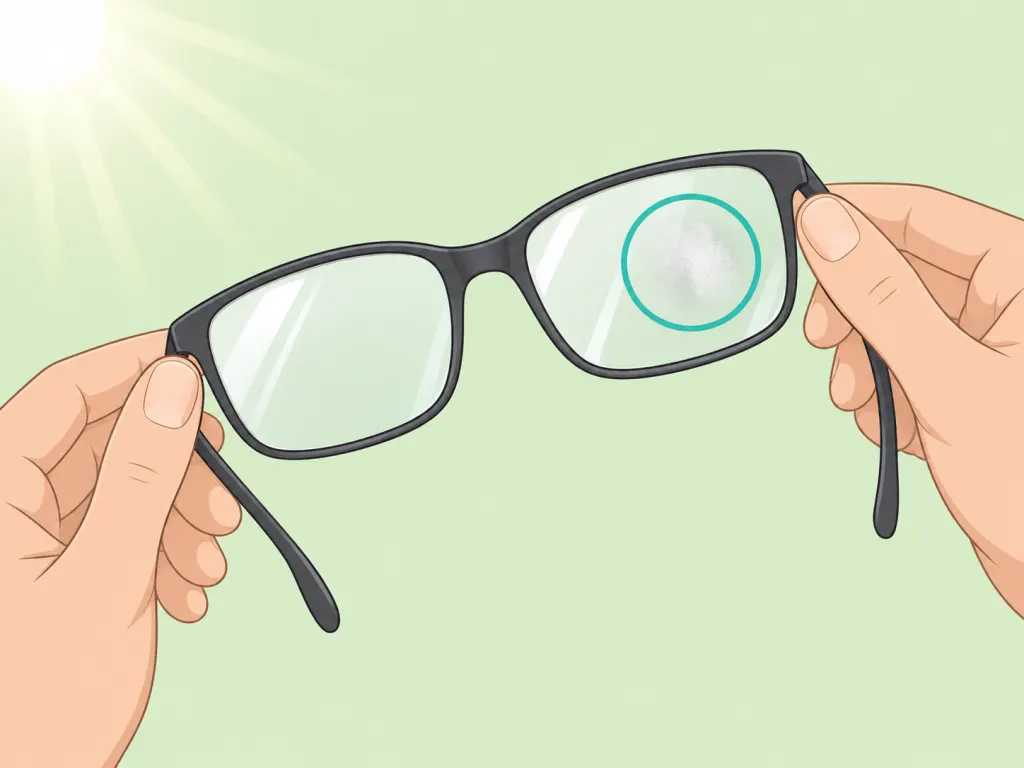
Hold the glasses under bright light and tilt them so you can see whether the dull area moves like surface residue or stays fixed like a scratch. Eyeglasses can have protective coatings, and Cleveland Clinic notes that paper products and rough fabrics can scratch lenses or harm coatings. If the cloudy patch looks cracked, peeling, or rainbow-like, clean gently and plan to ask an optician about coating damage.
Step 2: Wash your hands first

Clean hands keep lotion, skin oil, and grit from moving straight back onto the lenses. Use plain soap, rinse well, and dry your hands on a lint-free towel before touching the frames. Hold the glasses by the bridge or frame edges so you do not add fingerprints to the lens surface.
Step 3: Rinse the glasses with lukewarm water
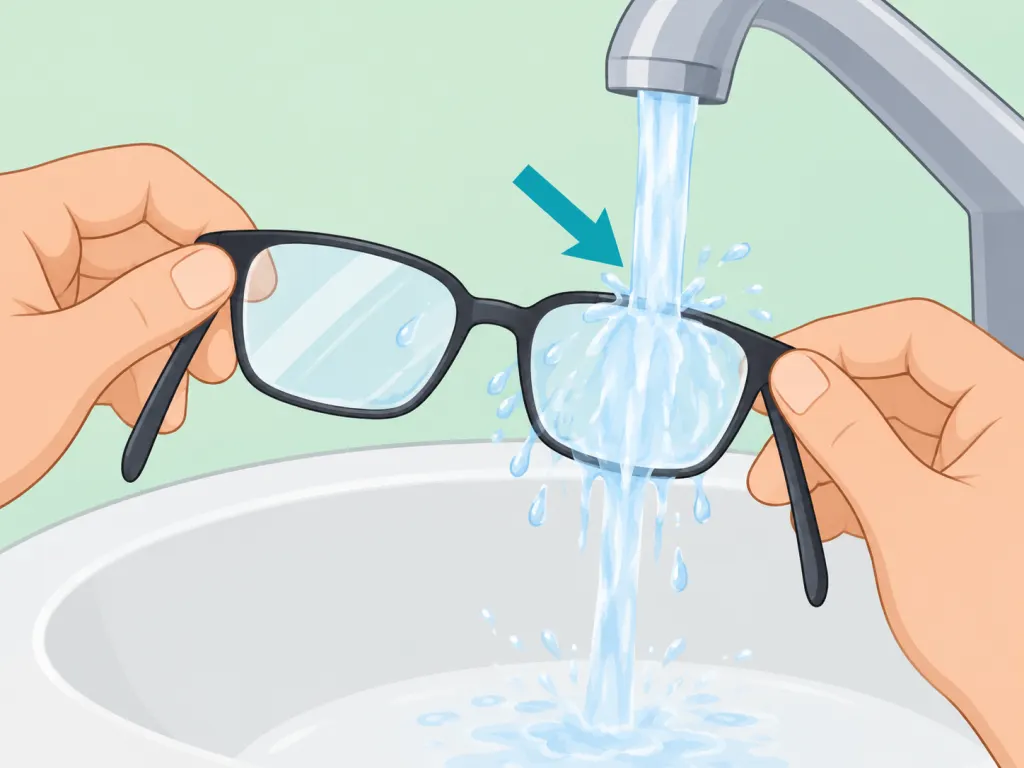
Run a gentle stream of lukewarm water over both sides of each lens before wiping. The John A. Moran Eye Center advises rinsing debris off lenses before drying and using a clean microfiber cloth rather than a towel or shirt for lens care. Avoid hot water because heat can be hard on some lens materials and coatings.
Step 4: Wash the spots with mild dish soap
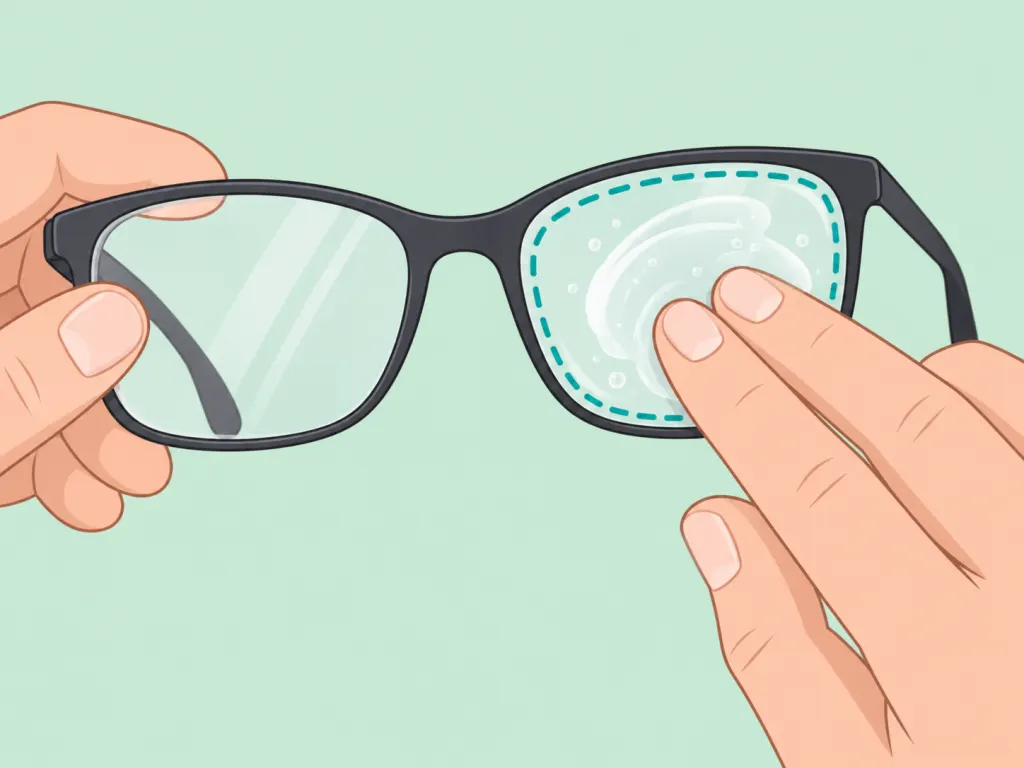
Put a tiny drop of mild, lotion-free dish soap on your clean fingertips and spread it lightly over both sides of each lens. Cleveland Clinic says mild dish soap and water or a mild cleaning spray can be used for glasses, while an optician can confirm what is safe for special coatings. Use light pressure so you lift oils without grinding dust into the lens.
Work the same soapy water along the frame edges, hinges, and nose pads, where oils and cosmetic residue often collect. Use your fingertips or the edge of a damp microfiber cloth rather than a brush on the lenses. The University of Florida IFAS Extension lists mild dish detergent and soft cloths as basic cleaning tools, but anything with buttons, zippers, or rough texture should stay away from lenses.
Step 6: Rinse thoroughly and dry right away
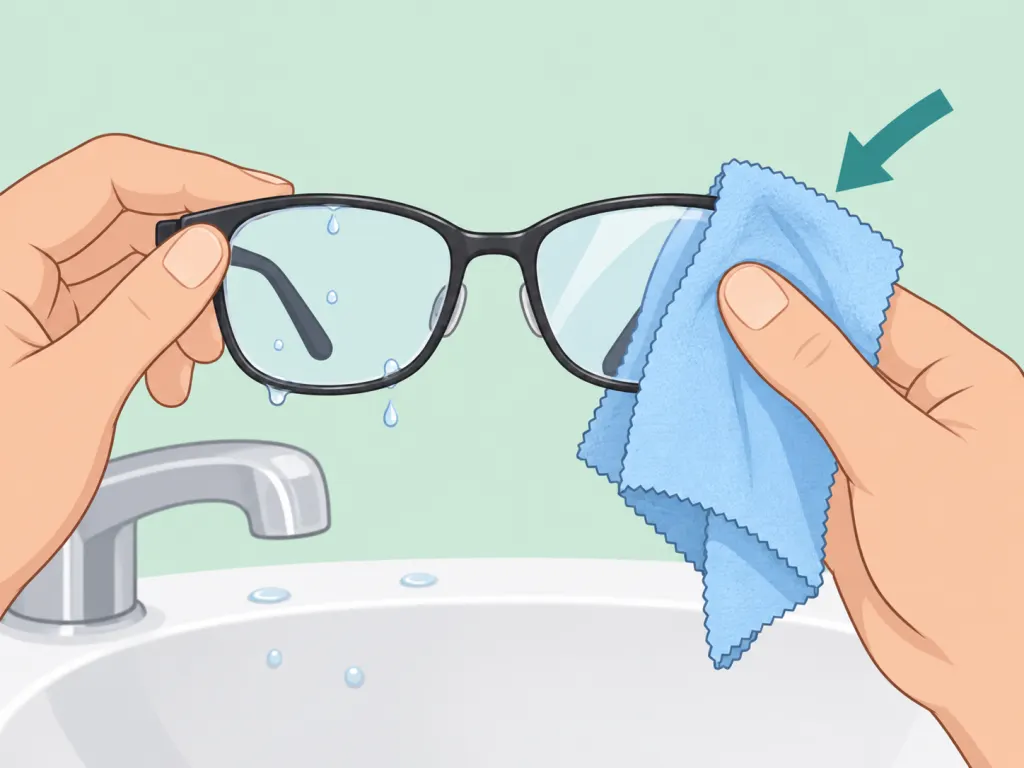
Rinse until the lenses feel slick instead of soapy, then shake off excess water over the sink. Dry both sides with a clean microfiber cloth, using light strokes and turning the cloth as it picks up moisture. This matters in hard-water homes because North Dakota State University explains that hard water minerals can leave spots and films on glass when residue dries on the surface.
Step 7: Treat stubborn dullness cautiously
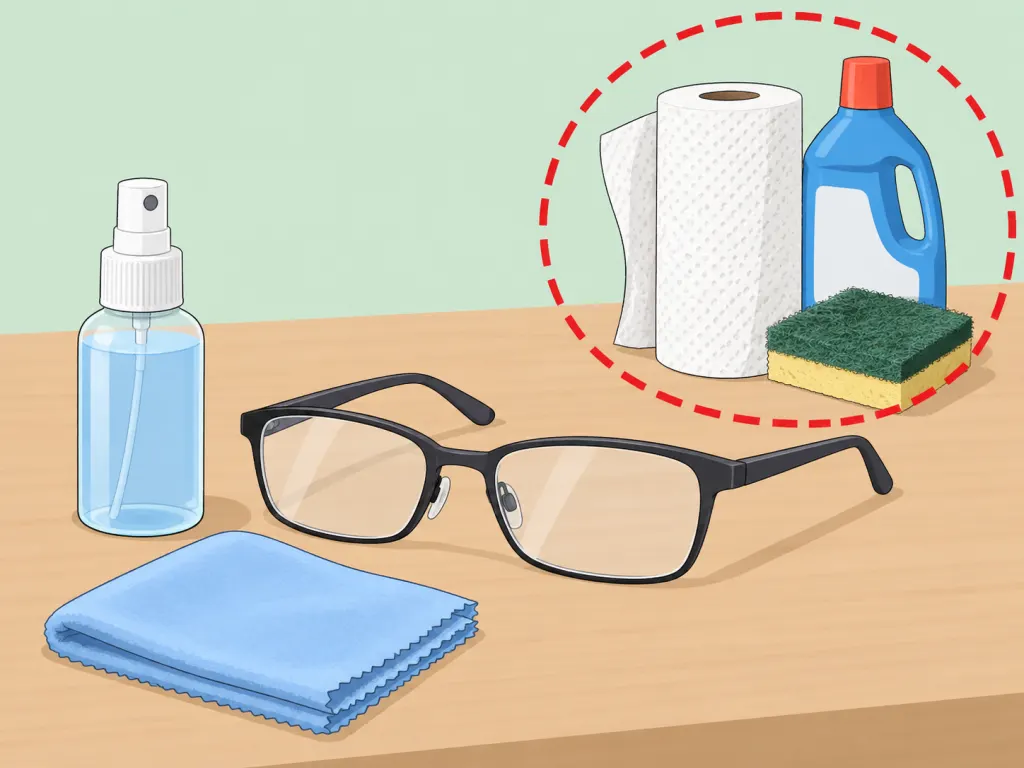
If a spot remains, repeat the rinse, soap, rinse, and microfiber-dry routine once more before trying anything stronger. Vinegar and lemon juice are acidic cleaners that can remove hard-water scale on ordinary surfaces, according to Utah State University Extension, but coated eyeglass lenses are not the same as windows or drinking glasses. Skip vinegar, baking soda, toothpaste, alcohol, ammonia, and household glass cleaner unless an optician or the lens maker says they are safe for your pair.
Step 8: See an eye care professional if clarity does not return

If the glasses still look cloudy after careful cleaning, the issue may be scratched lenses, damaged coating, a frame fit problem, or a prescription that needs review. Cleveland Clinic advises contacting an eye doctor when you notice vision changes or symptoms that affect your eyes or sight. Bring the glasses with you so the office can inspect the lenses as well as your vision needs.
Step 9: Store the glasses to prevent new dull spots
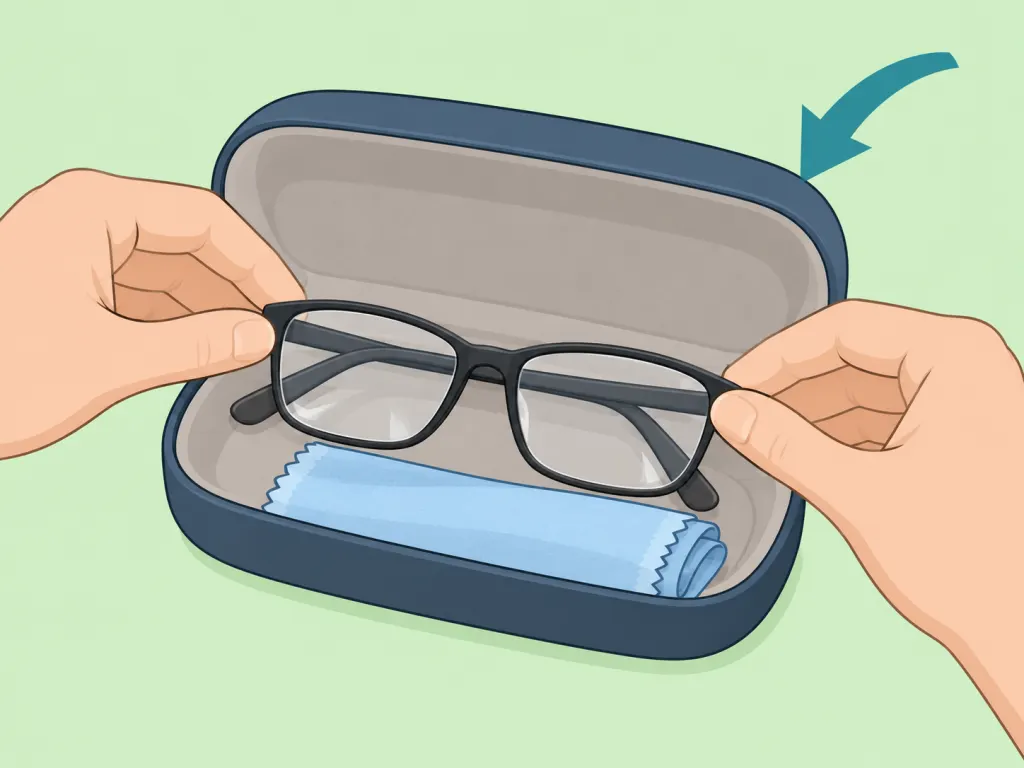
After the lenses are clean and dry, place the glasses in a hard case with the lenses facing up. Cleveland Clinic recommends storing glasses in a hard-shell case or a clean dry place away from scratching hazards. Keep a clean microfiber cloth in the case so you are not tempted to wipe lenses with a shirt or napkin.
Wrap-Up
The bottom line: treat dull spots as residue first, not something to scrub away. Rinse, wash lightly with mild dish soap, dry with clean microfiber, and get help if the cloudy area remains after a careful cleaning.
Frequently Asked Questions
- → Are dull spots on eyeglasses always removable?
- No. If the spot sits on top of the lens, careful cleaning may remove it. If the lens coating is worn, peeling, or scratched, cleaning will not restore the surface.
- → Can I use vinegar to clean eyeglasses?
- It is better not to use vinegar on coated eyeglass lenses unless your optician says it is safe for your exact pair. Vinegar can help with mineral scale on ordinary household surfaces, but eyeglasses often have coatings that need gentler care.
- → Why do spots come back after I clean my glasses?
- Soap left behind, oily fingers, or water drying on the lens can leave new marks. Rinse thoroughly and dry right away with a clean microfiber cloth.
- → Can paper towels scratch glasses?
- Yes. Paper towels, tissues, toilet paper, and clothing fibers can scratch lenses or damage protective coatings, especially when dust is rubbed across a dry lens.
- → Does this method work for sunglasses?
- Usually, yes, if the sunglasses have standard coated lenses. If they have mirrored, polarized, or specialty coatings, follow the maker's care directions or ask an optician before using any cleaner.
- → How often should I clean my eyeglasses?
- Clean them whenever smudges or dull spots affect clarity. A quick rinse-and-microfiber routine is usually enough for daily residue, while a mild soap wash helps with oily buildup.