 Save
The warning signs of excess vitamin D are usually signs of too much calcium building up in the blood: ongoing nausea or vomiting, constipation, loss of appetite, unusual thirst, frequent urination, dehydration, muscle weakness, fatigue, drowsiness, confusion, abdominal pain, bone pain, or kidney stones. Excess vitamin D is most often linked to supplements or prescription-strength vitamin D, not ordinary sunlight exposure or typical foods. The safest next step is not to guess from symptoms alone, because many common problems can look similar. A clinician can review your supplement routine and order appropriate lab work if needed. The National Institutes of Health explains that vitamin D supports calcium absorption, but excessive intake can lead to hypercalcemia and related symptoms (NIH Office of Dietary Supplements).
Why Excess Vitamin D Can Cause Symptoms
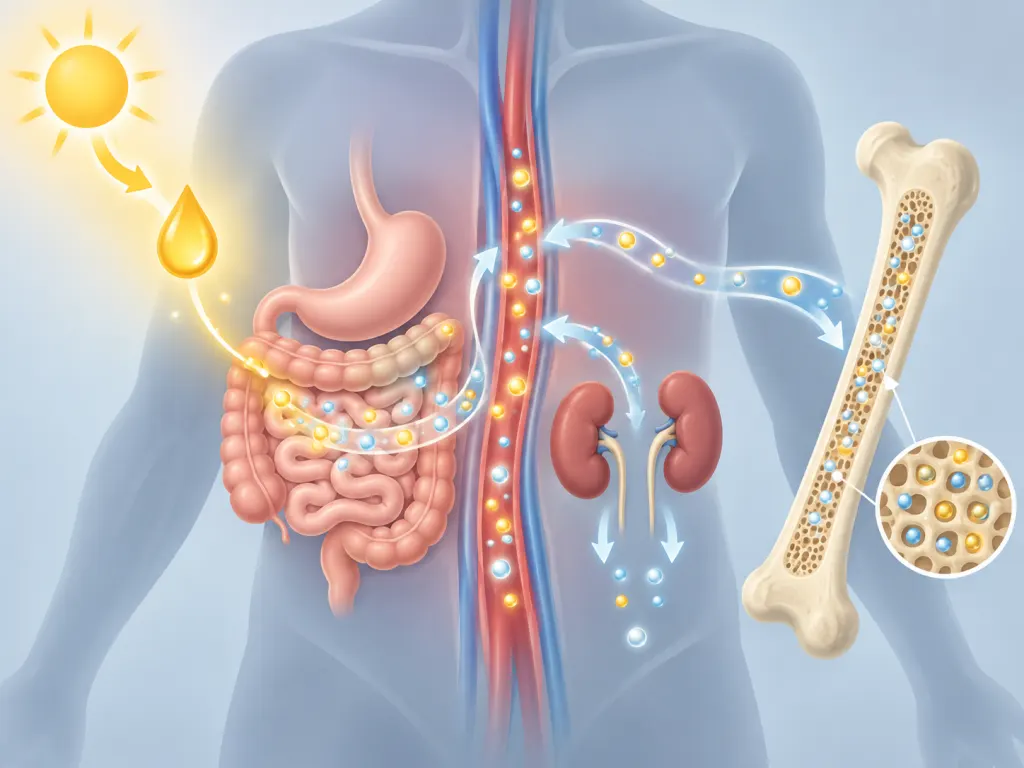
Vitamin D is fat soluble, which means the body handles it differently from a water-soluble vitamin that is readily lost in urine. It helps the digestive tract absorb calcium and supports normal bone mineralization, muscle function, and other body processes. Trouble can begin when the total vitamin D burden becomes too high for a person’s situation. According to the NIH Office of Dietary Supplements, vitamin D toxicity is almost always tied to excessive intake from supplements and can raise calcium in the blood and urine (NIH Office of Dietary Supplements).
This calcium connection is the reason the symptoms may seem scattered across the body. The digestive tract, kidneys, muscles, nerves, and heart all depend on carefully regulated mineral balance. Mayo Clinic notes that hypercalcemia can affect the kidneys, digestive system, bones, muscles, brain, and, in more serious situations, heart rhythm (Mayo Clinic). That does not mean every upset stomach or tired week points to vitamin D. It means persistent or unusual symptoms deserve context, especially when a person is taking more than one supplement that may contain vitamin D.
The Main Warning Signs To Notice
Vitamin D excess is not usually identified by one symptom in isolation. A more useful pattern is a cluster of new or persistent symptoms in someone who is taking vitamin D regularly, using a high-strength product, or combining multivitamins, bone-health formulas, fortified drinks, gummies, drops, and other products. MedlinePlus lists constipation, decreased appetite, dehydration, fatigue, confusion, frequent urination, irritability, muscle weakness, vomiting, excessive thirst, and passing large amounts of urine among possible features of hypervitaminosis D (MedlinePlus).
- Digestive changes: nausea, vomiting, constipation, poor appetite, or abdominal discomfort that is new, persistent, or hard to explain.
- Fluid-related changes: unusual thirst, frequent urination, larger urine volume, dry mouth, dizziness, or signs that you are not keeping fluids well.
- Energy and muscle changes: muscle weakness, unusual fatigue, drowsiness, difficulty walking normally, or feeling less steady than usual.
- Thinking or mood changes: confusion, trouble focusing, irritability, or marked sleepiness, especially if these arrive with thirst or vomiting.
- Kidney-related clues: kidney stones, flank discomfort, or lab findings a clinician says are related to high calcium.
Digestive Signs May Be The First Clue
Nausea, vomiting, constipation, poor appetite, and abdominal pain are among the most practical signs for readers to recognize because they affect meals and daily routines. Cleveland Clinic describes vitamin D toxicity as a rare complication that can occur when a person takes too much supplemental or prescription vitamin D, with symptoms mainly due to hypercalcemia (Cleveland Clinic). Digestive symptoms still have many possible causes, including infections, constipation unrelated to supplements, food intolerance, gallbladder problems, stress, and many other conditions. The vitamin D connection becomes more plausible when symptoms occur together with unusual thirst, frequent urination, weakness, or a recent change in supplement use.

Thirst And Frequent Urination Matter
High calcium can make the kidneys work harder to filter blood. Mayo Clinic specifically lists serious thirst and frequent urination among kidney-related symptoms of hypercalcemia (Mayo Clinic). Readers often notice this pattern as a cycle: drinking more than usual, waking at night to urinate, feeling dry or lightheaded, and then feeling more tired the next day. That cycle can occur for many reasons, but it is a reason to ask for medical guidance if it is new, persistent, or paired with supplement use.
Dehydration can also make symptoms feel worse. Vomiting, poor intake, and frequent urination can reduce fluid balance at the same time. If someone cannot keep fluids down, is fainting, has severe confusion, has chest pain, or seems dangerously dehydrated, urgent care is appropriate. For less dramatic but persistent symptoms, the practical step is to contact a doctor, pharmacist, or qualified health professional and bring a complete list of supplements, fortified products used daily, and relevant health history.
Weakness, Fatigue, Confusion, And Balance Changes
Muscle weakness and fatigue are easy to dismiss because they are common in busy households, after poor sleep, or during stressful weeks. In the context of excess vitamin D, they matter because calcium imbalance can affect muscles and the nervous system. MedlinePlus includes fatigue, confusion, irritability, and muscle weakness in its description of hypervitaminosis D (MedlinePlus). Cleveland Clinic also notes confusion, lethargy, fatigue, muscle weakness, and difficulty walking among possible symptoms (Cleveland Clinic).
These changes deserve special attention when they are new for the person, interfere with normal tasks, or appear with digestive and urinary symptoms. A person who suddenly feels unsteady, unusually sleepy, or confused should not wait for an online checklist to settle the question. Vitamin D excess is only one possibility, but it is a medically checkable possibility. Clear information about supplement brands, strengths, frequency, and timing can help a professional decide what to evaluate.

Why Sunshine And Food Are Usually Different From Supplement Excess
Many people hear “vitamin D” and immediately think of sunlight. The body can make vitamin D when ultraviolet rays reach the skin, but excess vitamin D from sun exposure is not the usual concern described by health authorities. Cleveland Clinic states that vitamin D toxicity typically happens from too much vitamin D supplement or prescription medication, while too much vitamin D from diet alone is very rare (Cleveland Clinic). The NIH also explains that few foods naturally contain vitamin D, while fortified foods and supplements contribute to intake (NIH Office of Dietary Supplements).
The practical issue is stacking. A person may take a multivitamin, a separate vitamin D capsule, a calcium-plus-D product, a sleep or immune blend, and fortified foods without realizing the total. Gummies and liquid drops can also be easy to use casually. The FDA says dietary supplements come in many forms and that Supplement Facts labels list dietary ingredients and the amount per serving (U.S. Food and Drug Administration). Reading every label together, rather than one bottle at a time, is a simple way to understand the whole picture before a health visit.
Who Should Be Extra Careful With Vitamin D Supplements
Anyone can overdo a supplement, but extra caution makes sense when vitamin D is being taken in a high-strength form, when multiple products overlap, or when a clinician is already monitoring calcium, kidneys, bones, or parathyroid-related concerns. Mayo Clinic lists taking too much calcium and vitamin D supplements over time among possible causes of hypercalcemia (Mayo Clinic). Some people may also have medical conditions that affect calcium or vitamin D handling, which is why individual guidance matters more than copying someone else’s routine.
Older adults, people with limited sun exposure, and people with certain diets may be told they need vitamin D, but need is not the same as “more is always better.” A supplement can be useful in the right context and excessive in another. The calm middle ground is to avoid self-escalating, avoid combining products without checking labels, and ask whether monitoring is appropriate for your situation.
What To Bring To A Health Professional
If you are concerned about excess vitamin D, arrive with specifics. Vague phrases such as “I take vitamins” are less helpful than the name, form, strength, serving size, and how often each product is used. Include multivitamins, bone-health blends, fortified shakes, drops, gummies, powders, and any prescription-strength vitamin D. The FDA advises consumers to talk with a health care professional before taking supplements and to be alert to unwanted reactions while using them (U.S. Food and Drug Administration).
A clinician may consider blood calcium, vitamin D status, kidney function, urine calcium, or other tests depending on the situation. MedlinePlus describes exams and tests that may be ordered for hypervitaminosis D, including blood calcium, urine calcium, vitamin D-related blood tests, phosphorus, and imaging in some circumstances (MedlinePlus). The exact workup depends on symptoms, health history, exam findings, and the products being used.
How To Reduce Confusion Around Labels
Supplement labels are useful, but they can be confusing when several products are involved. Look for the Supplement Facts panel, serving size, vitamin D amount, and whether the product also contains calcium. Check whether the label lists vitamin D as D2 or D3; both can contribute to total intake. The FDA explains that dietary supplement labels are required to include a Supplement Facts panel with dietary ingredients and amounts per serving (U.S. Food and Drug Administration).
Do this review on a counter with every bottle present. People often forget occasional products: a chewable kept in a purse, a powdered drink, a fortified nutrition shake, or a seasonal immune blend. Write the list down or take clear photos of the front label and Supplement Facts panel. If a clinician changes your plan, keep the updated list in your phone so future appointments begin with accurate information.
When Symptoms Are More Urgent
Some symptoms deserve faster attention. Seek urgent medical care for severe confusion, fainting, chest pain, severe weakness, signs of serious dehydration, inability to keep fluids down, or a sudden change in alertness. Mayo Clinic advises contacting a healthcare professional if symptoms of hypercalcemia occur, including extreme thirst, frequent urination, and stomach-area pain (Mayo Clinic). This article cannot tell whether vitamin D is the cause, but it can help you recognize when the pattern is important enough to discuss promptly.
Wrap-Up
Excess vitamin D is uncommon, but it is worth taking seriously because it can raise calcium levels and create symptoms that affect digestion, thirst, urination, muscles, energy, thinking, and kidney comfort. The most useful reader action is to look for patterns rather than isolated symptoms: digestive upset plus unusual thirst, frequent urination, weakness, fatigue, confusion, or a recent increase in supplements should prompt a conversation with a qualified professional. Bring all supplement labels, avoid guessing from symptoms alone, and seek urgent care for severe confusion, fainting, chest pain, severe dehydration, or inability to keep fluids down.
Frequently Asked Questions
- → Can excess vitamin D happen from sunlight?
Health authorities generally connect vitamin D excess to supplements or prescription-strength vitamin D rather than ordinary sunlight exposure. Sun exposure has its own skin-safety concerns, but it is not the usual source of vitamin D toxicity described by Cleveland Clinic and the NIH.
- → What symptoms are most typical when vitamin D intake is too high?
The most commonly listed warning signs include nausea, vomiting, constipation, poor appetite, unusual thirst, frequent urination, dehydration, fatigue, confusion, muscle weakness, and kidney stones. These symptoms can have many causes, so a health professional should evaluate the pattern.
- → Should I rely on symptoms alone to know my vitamin D level?
No. Symptoms are clues, not a reliable measurement. MedlinePlus describes lab tests that may be used in evaluation, including blood calcium and vitamin D-related tests, depending on the person’s situation.
- → Why do calcium symptoms show up in an article about vitamin D?
Vitamin D helps the body absorb calcium. When vitamin D intake becomes excessive, calcium can rise too high in the blood, and that high calcium is what drives many symptoms involving digestion, thirst, urination, muscles, and thinking.
- → What should I bring to an appointment if I am worried?
Bring every supplement bottle or clear photos of each label, including multivitamins, gummies, drops, bone-health blends, fortified drinks, and prescription-strength products. Include how often you use each one so the professional can review the total intake picture.
References
This content was developed and refined using reliable sources.
- https://ods.od.nih.gov/factsheets/VITAMIND/HealthProfessional
- https://www.medlineplus.gov/ency/article/001594.htm
- https://www.mayoclinic.org/diseases-conditions/hypercalcemia/symptoms-causes/syc-20355523
- https://my.clevelandclinic.org/health/diseases/24750-vitamin-d-toxicity-hypervitaminosis-d
- https://www.fda.gov/consumers/consumer-updates/fda-101-dietary-supplements