 Save
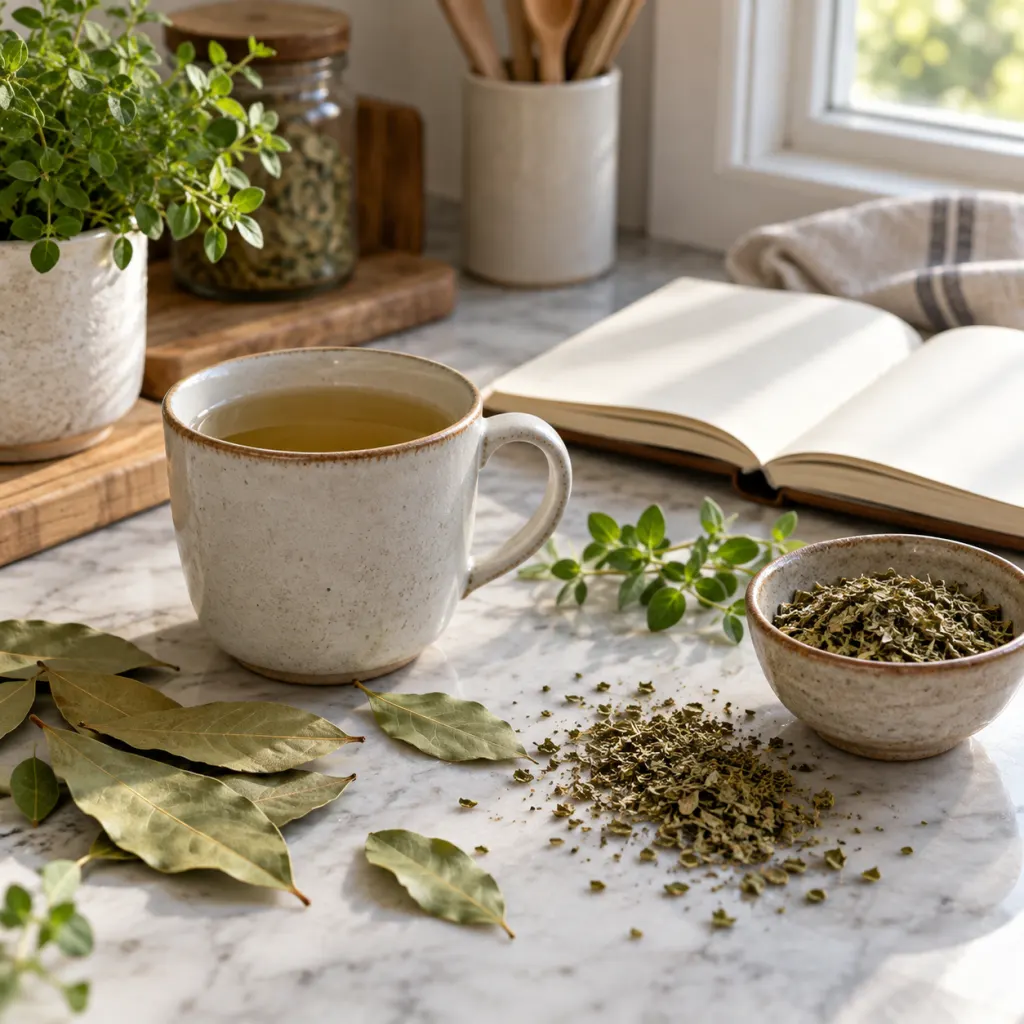
Online posts about homemade herbal drinks often pair comforting family stories with sweeping health promises. The direct answer is this: a tea made with leaves or kitchen herbs may be a soothing drink, but it is not a reliable way to judge circulation problems, leg swelling, diabetes, or other chronic health concerns. Diabetes involves how the body handles glucose and energy, while leg swelling can come from many causes, including vein problems, infection, long sitting, or heart, kidney, or liver issues. Those are not questions a social caption can sort out. A careful reader can still learn something useful from the moment: enjoy food traditions as food traditions, check health claims against authoritative sources, and take persistent or sudden symptoms seriously.
Why the Story Sounds So Persuasive
Stories about an older relative feeling better after a homemade drink are easy to share because they feel personal, hopeful, and familiar. They also blur several different ideas. A person may drink more fluids, rest more, change meals, walk more, elevate swollen feet, or receive professional care at the same time a new tea enters the routine. If several things change together, the tea can look more powerful than the evidence allows. That does not mean every family story is dishonest. It means a story cannot tell whether a beverage caused the improvement, whether the symptom would have changed anyway, or whether a hidden problem still needs attention.
The most useful question is not whether a plant is natural. Many plants are natural, flavorful, and culturally meaningful. The useful question is whether the specific use is well supported, safe for the person, and realistic about what it can and cannot tell you. The FDA explains that dietary supplements, including botanicals sold in many forms, are not reviewed in the same premarket way as approved health products, and that consumers should discuss supplement decisions with a health care professional: FDA 101: Dietary Supplements.

Diabetes Is More Than a Single Number
The CDC describes diabetes as a chronic condition that affects how the body turns food into energy. In simple terms, the body breaks down much of the food we eat into glucose, insulin helps glucose move into cells, and diabetes involves problems with making or using insulin effectively. This is why diabetes care usually includes a broader plan: food choices, activity, monitoring when recommended, sleep, stress support, and regular appointments. No single drink can show whether that plan is working for a specific person.
NCCIH reviewed dietary supplements in relation to diabetes and found a mixed picture: some substances have limited signals in studies, many studies are small or varied, and reliable evidence for herbal supplements as a group remains limited. That matters because online posts often make a leap from “this plant contains compounds” to “this drink changes a serious condition.” Those are very different claims. A plant can contain antioxidants or aromatic compounds and still lack strong human evidence for the outcome people are hoping for.
Swollen Feet Need Context
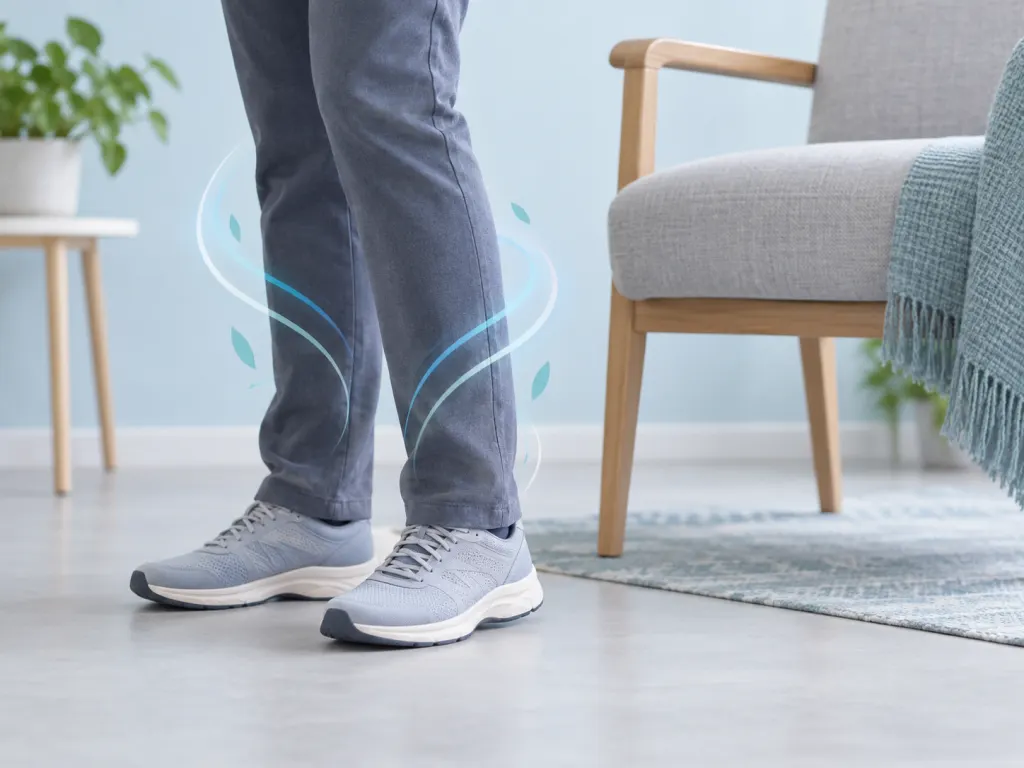
Foot, ankle, and leg swelling is common, especially in older adults, but common does not mean simple. MedlinePlus explains that swelling can happen when fluid builds up in the tissues, and it lists several possible contributors, including older age, being overweight, infection, vein problems, standing for long periods, long travel, and some health conditions: MedlinePlus on foot, leg, and ankle swelling. Swelling that improves after rest or elevation still deserves attention if it returns often, worsens, appears mainly on one side, or comes with redness, warmth, fever, chest pain, or shortness of breath.
Circulation complaints also vary. Some people mean cold feet, some mean cramps while walking, some mean visible swelling, and some mean numbness or color change. Peripheral artery disease is one possible circulation-related condition in which narrowed arteries reduce blood flow to the limbs. The National Heart, Lung, and Blood Institute notes that symptoms can include leg pain with walking that eases after rest, one foot feeling colder than the other, leg weakness or numbness, color changes, or slow-healing sores: NHLBI on peripheral artery disease symptoms. These details are important because a beverage story cannot distinguish mild swelling after travel from a vascular, heart, kidney, or infection-related concern.
How to Read an Herbal Tea Claim
A sensible way to evaluate a homemade herbal tea claim is to slow down and identify what is actually being promised. Is the post saying the drink is tasty? That is a culinary claim. Is it saying a person felt comforted by a warm routine? That is a personal experience. Is it saying the drink changes diabetes, circulation, swelling, liver health, or body fat? That is a health claim and needs much stronger evidence than a caption, anecdote, or short video can provide.
Use this quick checklist when a post makes a health promise about a kitchen ingredient or herbal drink:
- Look for the exact outcome. “Supports wellness” is vague; claims about diabetes, swelling, circulation, or organs are specific and need stronger support.
- Check whether human evidence is discussed. Cell studies, animal studies, and traditional use are not the same as reliable evidence in people.
- Notice whether risk is acknowledged. A responsible source discusses uncertainty, side effects, and who should ask a professional first.
- Separate food from concentrated use. A bay leaf in soup is different from using large amounts of leaves frequently as a health routine.
- Be cautious with testimonials. A before-and-after story may leave out other changes, other care, or the natural ups and downs of symptoms.
What About Soursop, Bay Leaf, and Oregano?
The online blend that inspired this topic usually centers on leaves such as soursop, bay, and oregano. Bay and oregano are familiar culinary herbs. Soursop, also called graviola in many places, is less common in ordinary U.S. kitchens and is often discussed in wellness spaces. The important point is that familiar flavor does not automatically establish safety for frequent, concentrated, or medicinal-style use. Leaves can contain many compounds, and the amount that ends up in a tea varies with plant identity, freshness, water temperature, steeping time, and how much a person drinks.
NCCIH’s general supplement guidance is useful here because herbal products can vary in quality and composition. The agency notes that evidence differs widely by product, that labels may not always match what is inside, and that some products can carry safety concerns: NCCIH on using dietary supplements wisely. Even when a drink is made at home rather than bought in a bottle, the same practical questions remain: What plant is it? Was it grown and stored safely? Is the person using it occasionally as a beverage or making it a daily health practice? Does the person have symptoms that should be checked?
Everyday Habits With Better Support
For people living with diabetes, NIDDK emphasizes a pattern of healthy living that includes meal planning, physical activity, sleep, tobacco avoidance, and support from health professionals: NIDDK healthy living with diabetes. That does not mean life has to become rigid or joyless. It means the foundations are bigger than one ingredient. A person can still enjoy tea, herbs, soups, and family recipes while keeping the focus on habits that can be discussed, measured, and adjusted with qualified guidance.
For leg circulation concerns, the basics are similarly practical: pay attention to walking symptoms, foot temperature changes, color changes, sores, numbness, and whether swelling is improving or worsening. Gentle activity, leg elevation when appropriate, comfortable footwear, and not sitting still for long stretches can be reasonable comfort habits for many people, but the right plan depends on the cause. Someone with shortness of breath, chest pressure, a hot swollen leg, or sudden one-sided swelling needs more than a kitchen routine.
A Better Way to Use Traditional Kitchen Knowledge
Traditional kitchen knowledge has value. It can preserve family memory, make plain foods more enjoyable, and help people build calming routines. Warm tea after dinner, herbs in a pot of beans, a shared cup with a parent, or a familiar smell from childhood can all support comfort and consistency. The problem begins when a comforting tradition is packaged as a shortcut for serious symptoms. Respect for tradition and respect for evidence can sit at the same table.
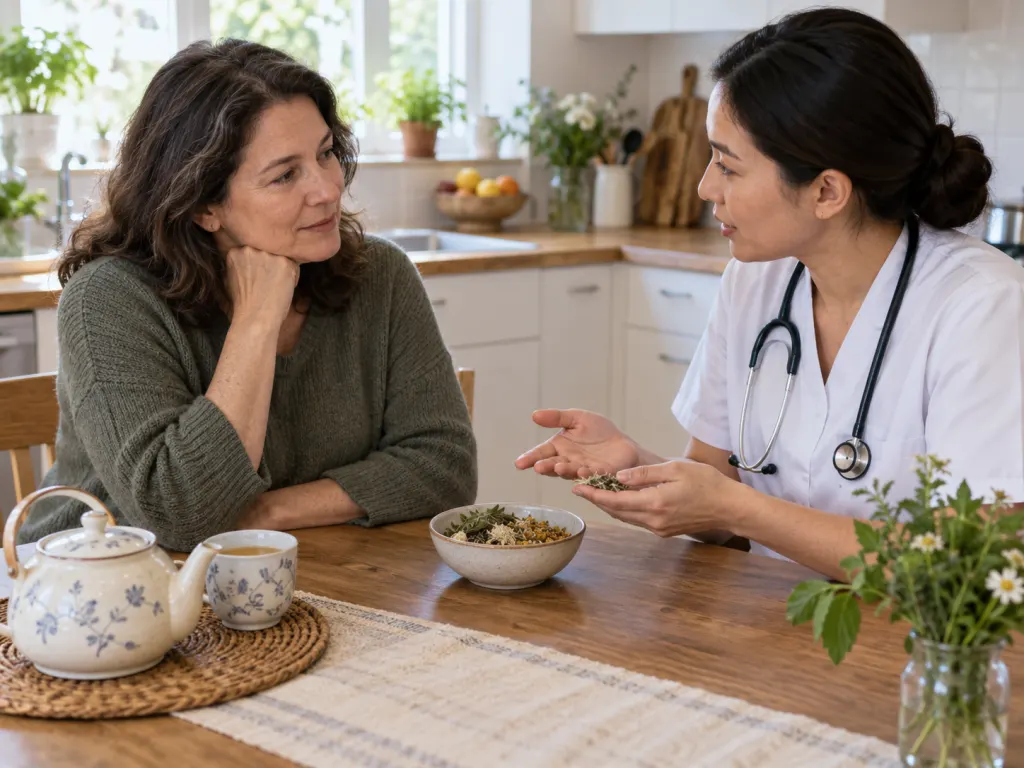
If you like herbal tea, keep the framing modest. Think of it as a beverage. Use food-grade ingredients from a source you trust. Avoid unidentified leaves, moldy dried herbs, and extreme concentration. Pay attention to how you feel, and be especially cautious if you have ongoing health conditions, upcoming procedures, allergies, or a complex care plan. Bring the ingredient list to a pharmacist, dietitian, doctor, nurse practitioner, or physician assistant if you want to use it regularly. That conversation is not an overreaction; it is simply a way to match a personal habit with personal health realities.
Wrap-Up
The safest conclusion is balanced: homemade herbal tea may be pleasant, but it should be judged as a drink, not as evidence that a chronic condition or swelling problem has been addressed. Diabetes involves complex glucose and insulin biology, leg swelling has many possible causes, and circulation symptoms can point to several different issues. Online stories usually leave out the details that matter most: the person’s health history, professional assessment, other habits, and what else changed at the same time. Enjoy kitchen traditions when they fit your life, but keep big health promises in their proper place: they need strong evidence, careful context, and qualified guidance.
Frequently Asked Questions
- → Can I drink herbal tea if I have diabetes?
Many people with diabetes enjoy tea, but regular use of concentrated herbs should be discussed with a qualified health professional. The key is to treat the tea as part of your overall food and beverage pattern, not as a way to assess or change your condition on your own.
- → Is leg swelling always a circulation problem?
No. Swelling can be related to fluid buildup, long standing, long travel, vein problems, infection, and several health conditions. New, worsening, painful, one-sided, red, warm, or fever-related swelling should be checked promptly.
- → Are bay leaf and oregano safe because they are kitchen herbs?
Food amounts used for flavor are different from frequent concentrated use. Kitchen herbs can be part of normal cooking, but a strong tea used regularly for health reasons deserves more caution, especially for people with chronic conditions or complex care needs.
- → What is the biggest warning sign in an online herbal tea post?
Be cautious when a post promises a major health change from one ingredient or one drink, especially when it relies on a dramatic testimonial and does not discuss limits, safety, or professional guidance.
- → What should I bring to a health appointment if I use herbal products?
Bring the product label if there is one, or write down the exact ingredients, how often you use them, where they came from, and any symptoms you noticed. That makes the conversation more specific and useful.
References
This content was developed and refined using reliable sources.
- https://www.cdc.gov/diabetes/about/index.html
- https://www.nccih.nih.gov/health/diabetes-and-dietary-supplements-what-you-need-to-know
- https://www.fda.gov/consumers/consumer-updates/fda-101-dietary-supplements
- https://www.nccih.nih.gov/health/using-dietary-supplements-wisely
- https://www.medlineplus.gov/ency/article/003104.htm
- https://www.nhlbi.nih.gov/health/peripheral-artery-disease/symptoms
- https://www.niddk.nih.gov/health-information/diabetes/overview/healthy-living-with-diabetes