 Save
If someone is bitten or stung by an insect at home, the first move is simple: get to a safe spot, check for signs of a severe allergic reaction, clean the area, cool it, and watch how the skin and the person feel. Mayo Clinic notes that most insect bites and stings are mild and can be cared for at home, while some stings and bites can cause serious reactions or carry germs https://www.mayoclinic.org/first-aid/first-aid-insect-bites/basics/art-20056593. The goal is not to identify every insect with certainty. The goal is to respond to the person in front of you: reduce irritation, avoid making the skin worse, remove any attached tick correctly, and know when home care is no longer enough.
Start With A Quick Safety Check
Before focusing on the bite mark, look at the whole person. Move away from the area where the bite or sting happened so there are no repeat stings. Ask what they feel: itching, pain, burning, dizziness, nausea, tightness in the throat, or trouble breathing. A small itchy bump is very different from symptoms that involve the airway, circulation, or the whole body. MedlinePlus explains that reactions can include pain, redness, swelling, itching, burning, numbness, or tingling, and that some people can have severe whole-body allergic reactions after insect bites or stings https://www.medlineplus.gov/ency/article/000033.htm. Remove tight rings, bracelets, or shoes near a swollen hand, finger, foot, or ankle because swelling can make them hard to take off later. If the person is feeling faint, keep them seated or lying down while help is arranged.
Clean And Cool The Area
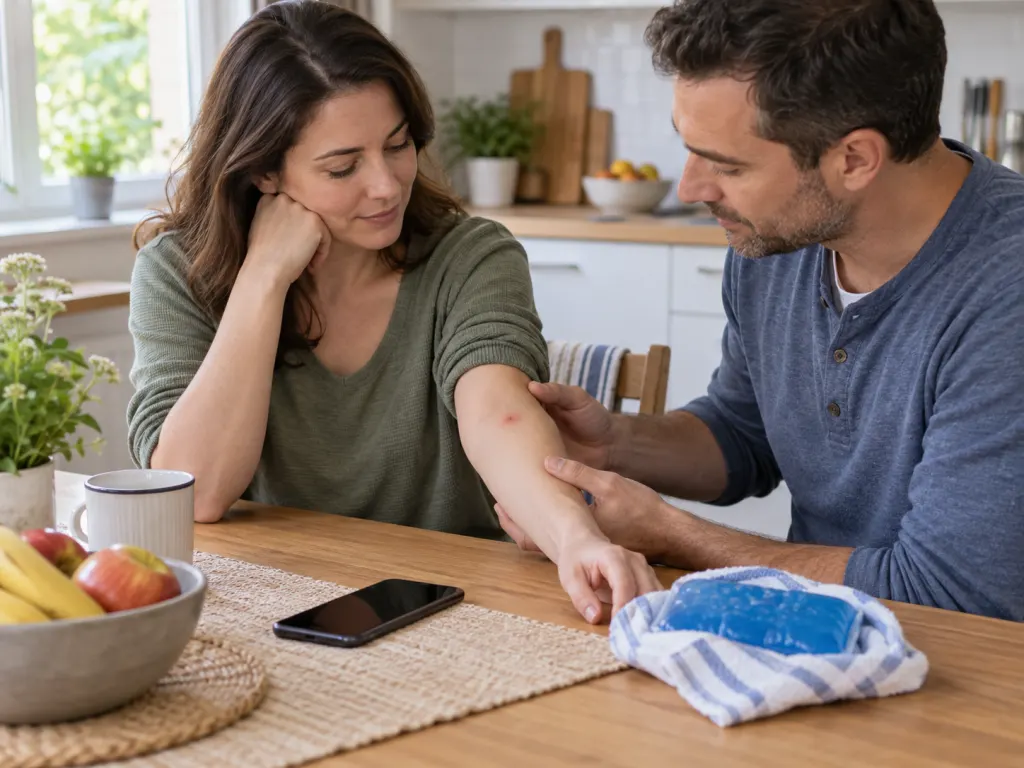
For a mild bite or sting, wash the bite and nearby skin with soap and water. This clears away dirt, sweat, and anything transferred from fingers or clothing. Pat dry with a clean towel. Then apply a cold, damp cloth or a wrapped cold pack for short intervals. Mayo Clinic advises a cold cloth or ice-filled cloth for 10 to 20 minutes to help with pain and swelling after a mild insect bite or sting https://www.mayoclinic.org/first-aid/first-aid-insect-bites/basics/art-20056593. Avoid putting ice directly on bare skin. If the bite is on an arm or leg, elevating that limb can make swelling feel less tight. Keep the care gentle. Scrubbing, squeezing, cutting the skin, or applying harsh household substances can irritate the area and make it harder to judge whether the bite itself is changing.
Handle A Visible Stinger, Tick, Or Unknown Bug Carefully
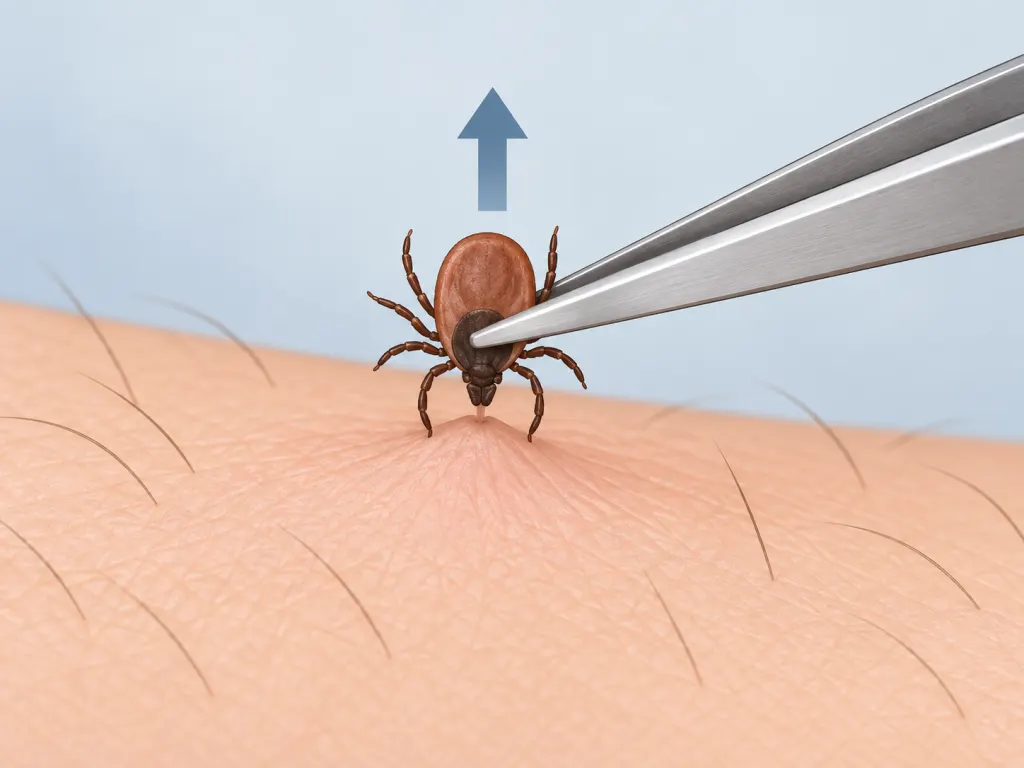
If there is a visible stinger, remove it promptly with a gentle scraping motion or another clean method that does not dig into the skin. If a tick is attached, do not cover it with petroleum jelly, nail polish, heat, or chemicals. The CDC advises removing an attached tick as soon as possible by grasping it close to the skin with clean fine-tipped tweezers and pulling upward with steady, even pressure https://www.cdc.gov/ticks/after-a-tick-bite/index.html. After removal, clean the bite area and hands with soap and water, rubbing alcohol, or hand sanitizer. If tiny mouthparts remain and do not come out easily, the CDC says to leave them alone and let the skin heal. Save your energy for useful details: when the bite happened, where it happened, and whether the person was indoors, in grass, near stored firewood, around pets, or traveling. Those details are more useful to a clinician than panic over naming the exact insect from a blurry photo.
Watch The Bite Over The Next Few Days
Many bites change in the first day. Mosquito bites, for example, may appear as a puffy reddish bump within minutes or as a hard itchy bump later, and people react differently to mosquito saliva https://www.cdc.gov/mosquitoes/about/about-mosquito-bites.html. A small area of redness, itching, tenderness, or swelling can be expected with many mild bites. What matters is the direction of change. Is the swelling spreading quickly? Is the skin becoming warmer and more painful? Is a red streak moving outward? Is there fever, increasing tiredness, headache, swollen lymph nodes, or a rash away from the bite? CDC guidance for tick bites says to see a doctor if a rash or fever develops within several days to weeks after removing a tick, and to tell the doctor when and where the bite likely happened https://www.cdc.gov/ticks/after-a-tick-bite/index.html. Taking a simple phone photo once a day beside a coin or ruler can help track size without repeatedly touching the skin.
Make Itching Less Likely To Become A Bigger Problem
Itching is often the hardest part because scratching gives brief relief and then keeps the skin irritated. The CDC warns that mosquito bites can become infected when scratched and says an infected bite may become red, warm, or develop a red streak outward https://www.cdc.gov/mosquitoes/about/about-mosquito-bites.html. Keep fingernails short, cover the bite with a clean bandage if the person keeps picking at it, and use cool compresses when the urge to scratch peaks. For over-the-counter anti-itch creams or oral antihistamines, follow the product label and avoid combining products casually. A simple home plan can look like this:
- Wash the area once or twice daily with soap and water.
- Use a wrapped cold pack for short periods when swelling or itching flares.
- Keep the bite uncovered when it is not being scratched, or cover it lightly if clothing rubs.
- Avoid scratching, squeezing, cutting, or applying strong household cleaners.
- Write down new symptoms and the time they appear.

Reduce The Chance Of Repeat Bites Indoors And Outside
Once the person is comfortable, look at the setting. Indoors, check window screens, pet bedding, houseplants, stored cardboard, drains, and cluttered corners. Outdoors, consider standing water, tall grass, brush, leaf litter, and areas where pets rest. The EPA lists active ingredients found in EPA-registered skin-applied insect repellents, including DEET, picaridin, IR3535, oil of lemon eucalyptus, PMD, and 2-undecanone https://www.epa.gov/insect-repellents/skin-applied-repellent-ingredients. CDC travel guidance also recommends EPA-registered repellents, long sleeves and long pants, and treating clothing or gear with 0.5% permethrin while following product directions and not applying permethrin directly to skin https://wwwnc.cdc.gov/travel/page/avoid-bug-bites. At home, the most practical changes are usually modest: repair screens, empty standing water, keep grass trimmed near seating areas, check pets for fleas or ticks as advised by a veterinarian, and store firewood away from living spaces.
What To Keep In A Simple Bite Kit
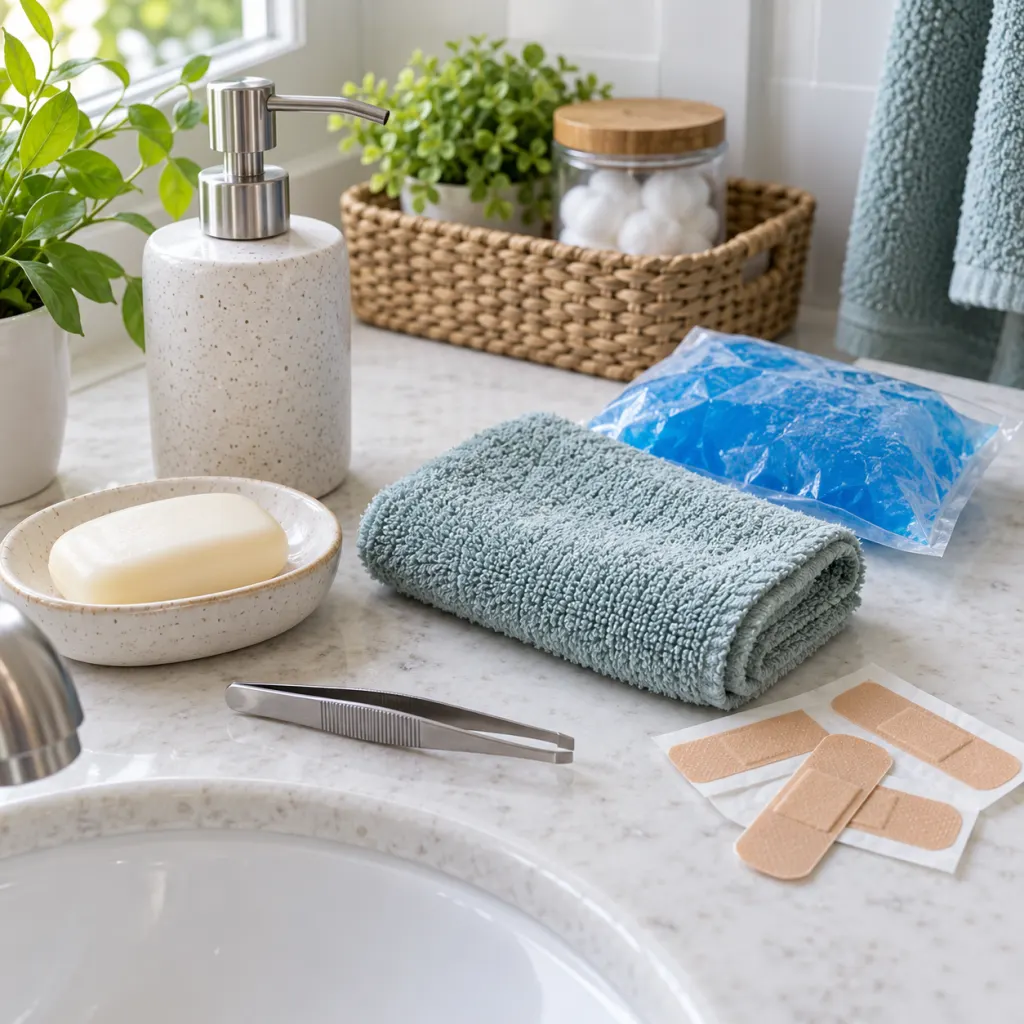
A bite kit does not need to be elaborate. Keep clean tweezers, soap, a small towel, adhesive bandages, a cold pack, and any personal emergency allergy supplies already prescribed for someone in the household. Add a small card with emergency numbers, known allergies, and the name of the person’s regular clinician. If your household includes children, older adults, outdoor workers, gardeners, or frequent hikers, make the kit easy to find rather than buried in a cabinet. The kit is there to support calm action: clean, cool, observe, and document. It is also a reminder to use products as labeled. More products do not mean better care, and strong substances from the garage, laundry room, or cleaning shelf do not belong on irritated skin.
The Practical Bottom Line
Most mild insect bites at home are handled with the same steady sequence: get away from the insect, check for urgent signs, wash the skin, remove a visible stinger or attached tick correctly, cool the area, reduce scratching, and watch for change. The bite mark alone rarely tells the whole story. The person’s breathing, alertness, swelling pattern, fever, rash, and overall condition matter more. When symptoms remain local and mild, careful home care is usually enough. When symptoms spread beyond the skin, worsen over time, or follow a tick bite with fever or rash, involve a qualified professional promptly.
Wrap-Up
An insect bite at home calls for calm triage rather than guesswork. Check first for severe allergic reaction signs, then clean and cool the area. Remove ticks with steady upward pressure using tweezers, and avoid heat, petroleum jelly, or nail polish. Keep scratching under control, watch for spreading redness, warmth, fever, rash, or feeling unwell, and share timing and location details with a clinician if care is needed.
Frequently Asked Questions
- → How soon should swelling from an insect bite improve?
Mild swelling and itching often change over the first day or two. The more important question is whether the area is improving, staying stable, or getting worse. Seek professional guidance if swelling spreads quickly, the skin becomes increasingly warm or painful, a red streak appears, fever develops, or the person feels unwell.
- → Should I try to identify the insect before doing anything?
No. Start with the person’s symptoms and basic care: move to safety, check for urgent reaction signs, wash the area, cool it, and remove any visible stinger or attached tick correctly. If medical care is needed, details such as where and when the bite happened are often more useful than a guess from a photo.
- → What should I do if I find a tick attached to the skin?
Use clean tweezers to grasp the tick close to the skin and pull upward with steady, even pressure. Clean the skin and your hands afterward. Do not use heat, nail polish, petroleum jelly, or chemicals to make the tick detach. Watch for fever or rash in the following days to weeks and contact a doctor if those occur.
- → Is scratching an insect bite really a problem?
Scratching can break the skin and make irritation worse. Keep nails short, use a cool compress, and cover the bite lightly if the person keeps picking at it. Watch for increasing redness, warmth, pain, or a red streak moving outward, because those changes need professional attention.
- → When should I call emergency services after a bite or sting?
Call emergency services for trouble breathing, swelling of the lips, face, eyelids, tongue, or throat, fainting, marked dizziness, weak rapid pulse, widespread hives, repeated vomiting, or severe whole-body symptoms. Do not wait to see whether these signs settle on their own.
References
This content was developed and refined using reliable sources.
- https://www.mayoclinic.org/first-aid/first-aid-insect-bites/basics/art-20056593
- https://www.medlineplus.gov/ency/article/000033.htm
- https://www.cdc.gov/ticks/after-a-tick-bite/index.html
- https://www.cdc.gov/mosquitoes/about/about-mosquito-bites.html
- https://www.epa.gov/insect-repellents/skin-applied-repellent-ingredients
- https://wwwnc.cdc.gov/travel/page/avoid-bug-bites