 Save
Sweet potatoes can be a smart everyday food because they combine satisfying complex carbohydrate, dietary fiber, potassium, and orange or purple plant pigments in one affordable root. The biggest takeaway is simple: they are most useful when eaten as a whole vegetable, prepared with modest added sugar and salt, and paired with protein, legumes, greens, or healthy fats. Orange sweet potatoes are especially known for beta-carotene, which the body can convert into vitamin A, a nutrient involved in normal vision and immune function according to the NIH Office of Dietary Supplements at ods.od.nih.gov. They are not a special shortcut or a substitute for a balanced diet, but they are a practical ingredient that can make meals more colorful, filling, and nourishing.
What Makes Sweet Potatoes Different
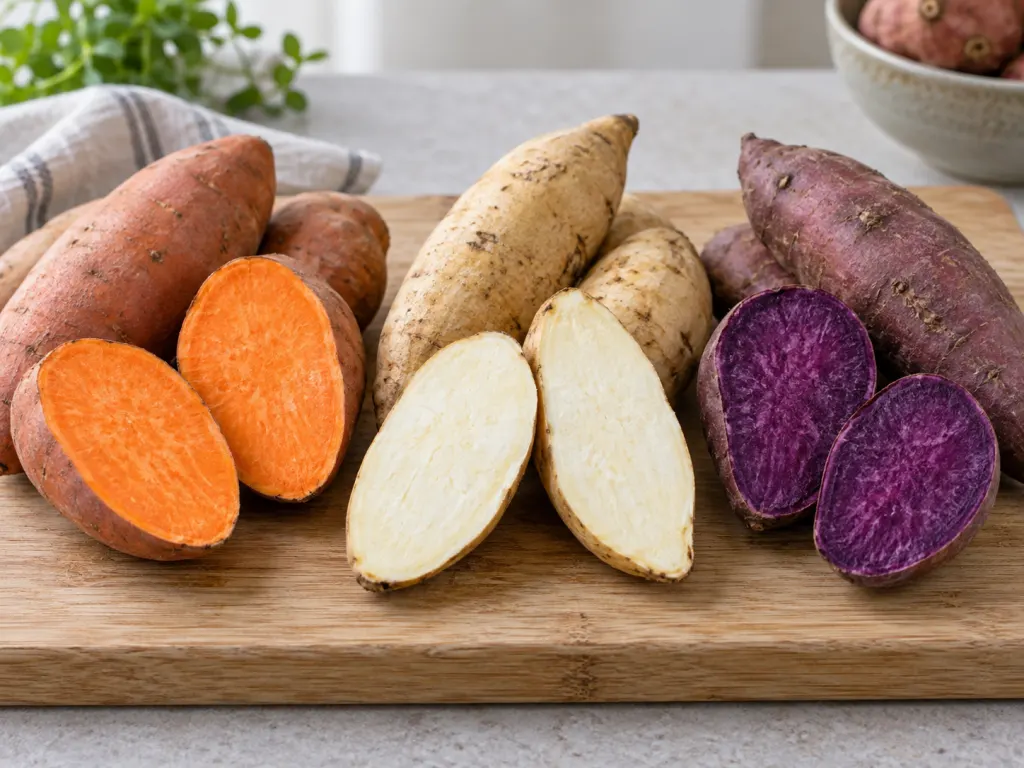
Sweet potatoes are often grouped with white potatoes in everyday conversation, yet they come from a different plant family and have their own flavor, color, and nutrient profile. Harvard T.H. Chan School of Public Health describes sweet potatoes as edible roots in the morning glory family and notes that varieties can be white, cream, yellow, orange, reddish-purple, or deep purple at nutritionsource.hsph.harvard.edu. That range of color matters because it reflects different plant compounds. Orange-fleshed types are especially associated with beta-carotene, while purple varieties are known for anthocyanin pigments. For a home cook, this means sweet potatoes can do more than add sweetness. They can add color variety, texture, and nutrients to grain bowls, soups, salads, breakfast plates, and simple side dishes.
The Main Nutrients To Know
The strongest nutrition case for sweet potatoes starts with their whole-food package. They are a source of vitamin A in the form of beta-carotene, vitamin C, vitamin B6, potassium, and fiber, according to Harvard's Nutrition Source at nutritionsource.hsph.harvard.edu. The NIH explains that carotenoids are pigments in yellow, orange, and red fruits and vegetables, and that the body can convert some of them into vitamin A at ods.od.nih.gov. This does not mean a sweet potato turns a meal into a complete diet. It means the vegetable earns its place because it contributes several useful nutrients at once.
- Beta-carotene: linked to the orange color and converted by the body into vitamin A as needed.
- Fiber: part of the plant structure that supports fullness and normal digestion.
- Potassium: a mineral used for normal muscle contraction and nerve transmission.
- Natural sweetness: useful for reducing the need for heavy sweet toppings in everyday cooking.
Why Fiber Changes The Meal
Fiber is one reason sweet potatoes feel more substantial than many refined carbohydrate foods. MedlinePlus explains that dietary fiber is found in plant foods, including fruits and vegetables, and that it adds bulk to the diet, supports digestion, and helps people feel full sooner at medlineplus.gov. In practical terms, a sweet potato with its skin, served beside beans, yogurt, eggs, tofu, fish, poultry, or leafy greens, can make a plate feel complete without needing a large amount of rich sauce. The skin is not magic, but it is edible when scrubbed well, and keeping it can preserve more of the vegetable's natural structure.
It also helps to think of fiber as a pattern rather than a single ingredient. One sweet potato will not make a low-fiber day suddenly balanced. The better approach is to let sweet potatoes join other fiber-containing foods across the week: oats at breakfast, beans in soups, fruit as a snack, vegetables at lunch, and whole grains at dinner. That pattern is more useful than asking one food to do too much. If someone is increasing fiber after eating very little of it, MedlinePlus advises adding it gradually because a sudden jump can cause gas, bloating, or cramps at medlineplus.gov.
Potassium, Color, And Everyday Variety
Sweet potatoes also fit into the wider advice to eat a variety of vegetables and fruits. The CDC notes that vegetables and fruits provide vitamins, minerals, fiber, and other substances important for good health at cdc.gov. That is where sweet potatoes are most valuable: not as a special food eaten in isolation, but as one colorful option among many. A week that includes orange sweet potatoes, leafy greens, beans, tomatoes, berries, carrots, and whole grains gives the body a broader mix than a week built around one repeated vegetable.
Potassium is another reason sweet potatoes are often discussed in nutrition guides. The NIH Office of Dietary Supplements explains that potassium is needed for normal kidney and heart function, muscle contraction, and nerve transmission at ods.od.nih.gov. Sweet potatoes are not the only potassium-containing food; many fruits, vegetables, legumes, dairy foods, seafood, and nuts contribute it. Still, they are a comfortable way to bring potassium-rich plant food into a home menu, especially when prepared without heavy salt or very sweet toppings.
Cooking Choices Matter
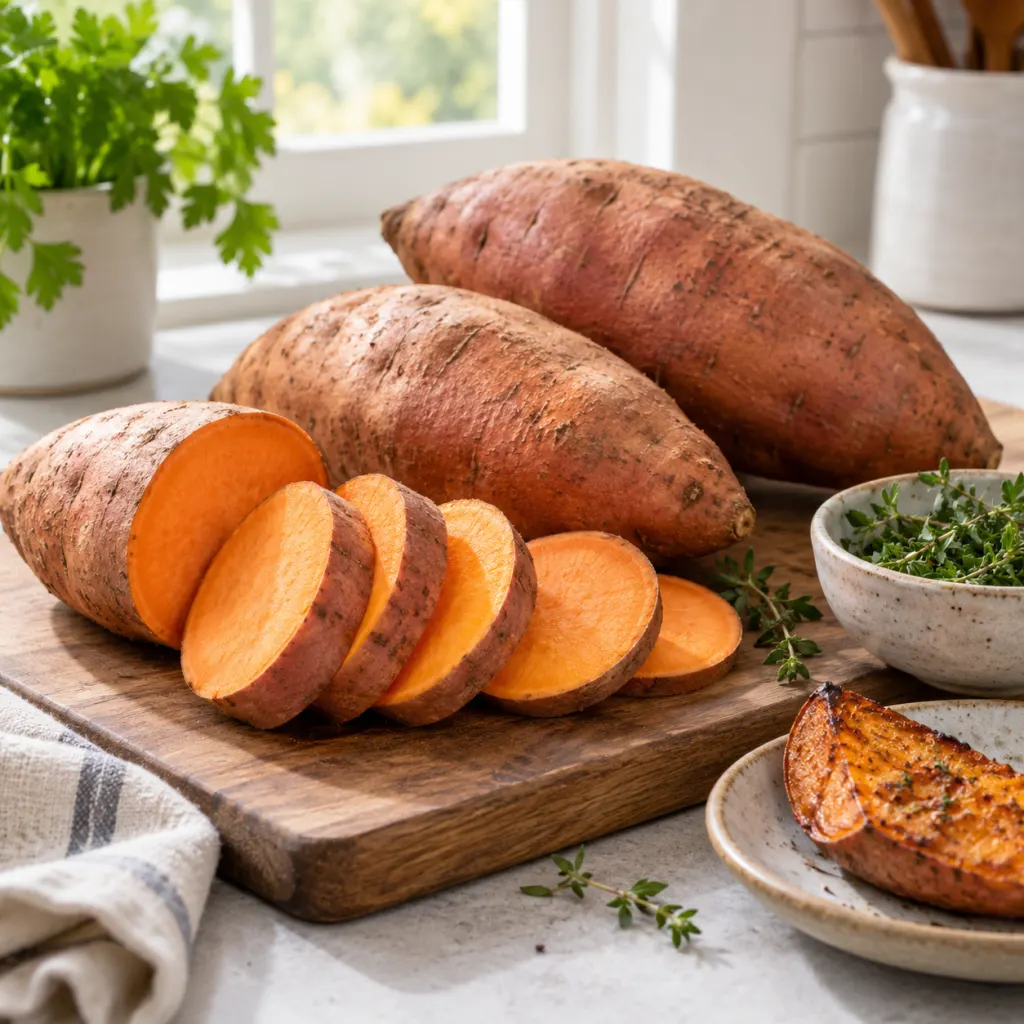
The preparation can change the character of the dish. A plain baked or roasted sweet potato is very different from one covered with marshmallows, deep-fried as fries, or served under a large amount of syrup. The CDC advises choosing fruits and vegetables without added salt, sugar, or syrup and notes that steaming or air frying can be better everyday choices than breading and frying at cdc.gov. This is not about removing pleasure from food. It is about letting the sweet potato itself do more of the work.
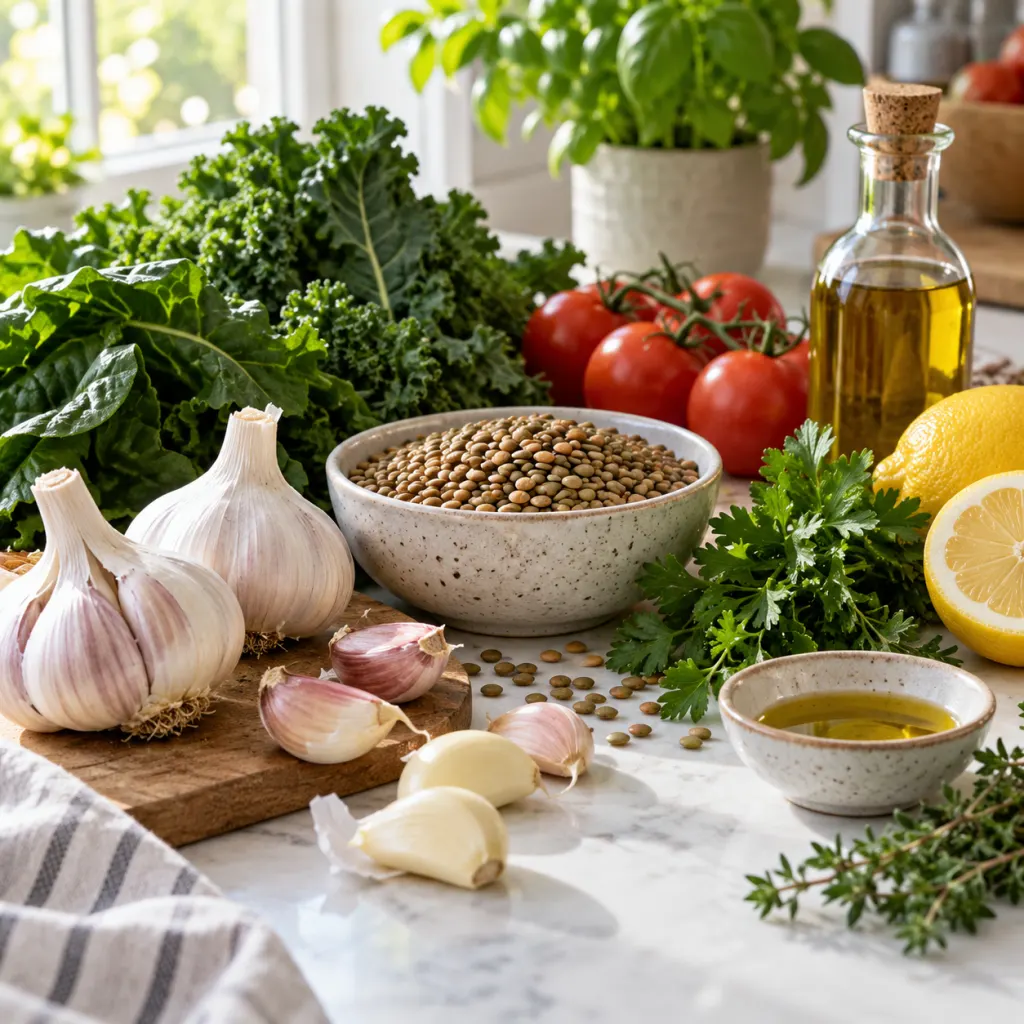
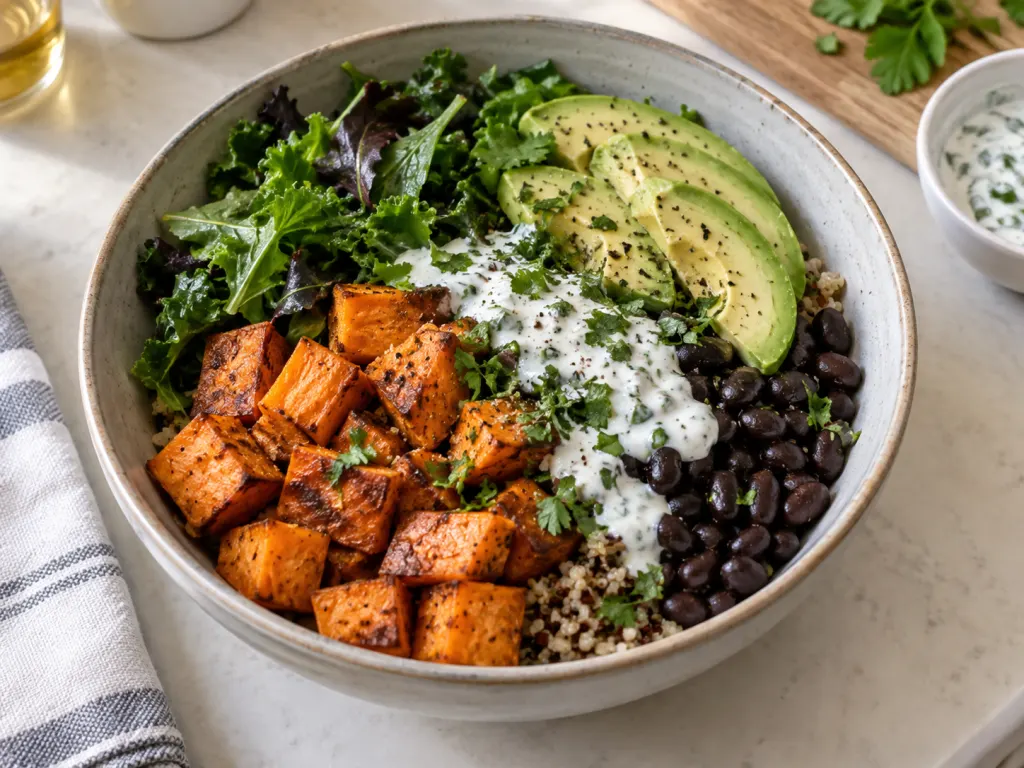
For weeknight cooking, try simple preparations that respect the vegetable's natural flavor: bake until soft, roast cubes with olive oil and spices, steam slices for bowls, mash with plain yogurt and herbs, or add cooked cubes to chili or lentil soup. Harvard's Nutrition Source also notes that boiling can retain beta-carotene well when cooking time is limited and the pot is covered at nutritionsource.hsph.harvard.edu. The best method is often the one that helps you eat more whole vegetables consistently.

Portions And Pairings
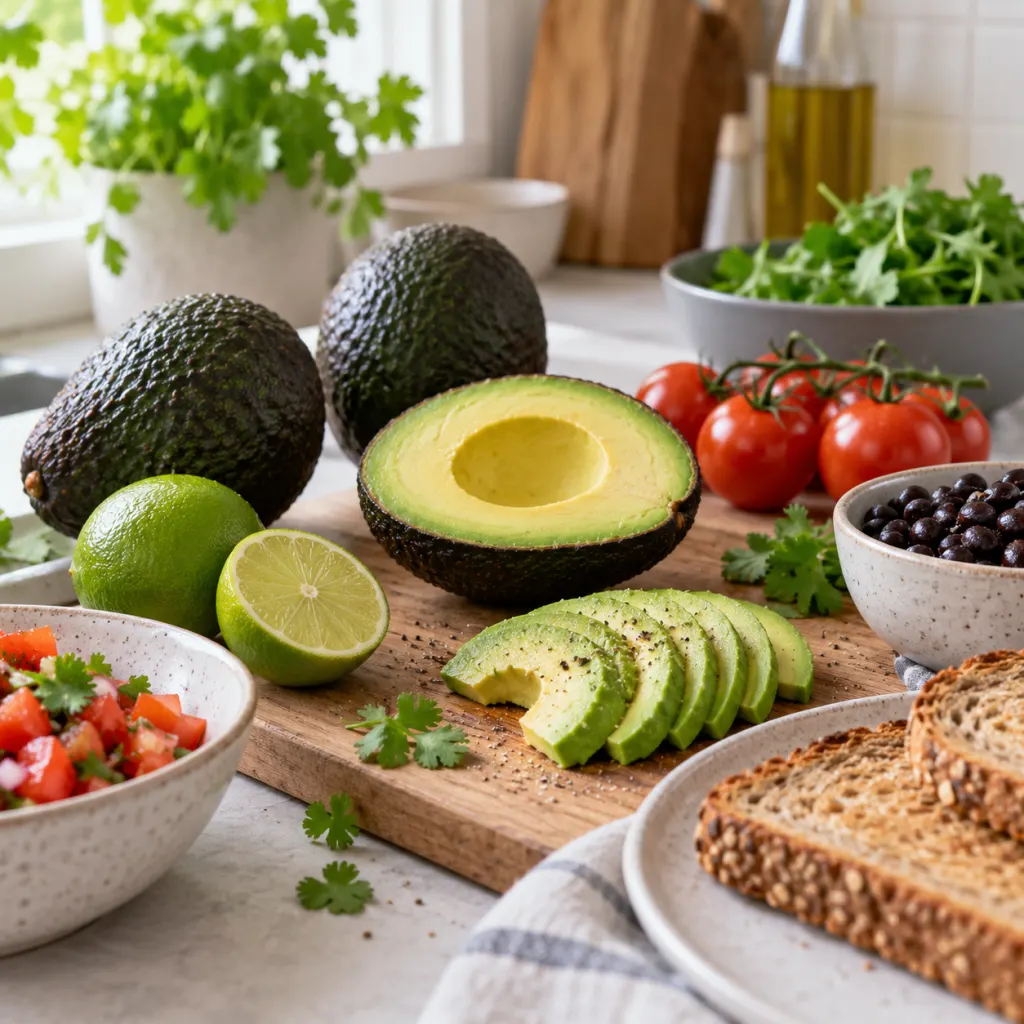
Sweet potatoes are still a carbohydrate-rich food, so meal balance matters. A large sweet potato eaten alone is not the same experience as a moderate portion served with protein, vegetables, and fat. Pairing can make the meal more satisfying and more nutritionally rounded: black beans and salsa, lentils and greens, eggs and avocado, grilled fish and cabbage slaw, or plain Greek yogurt with herbs. These combinations add protein, more fiber, and contrasting textures. They also move sweet potatoes out of the dessert-like corner where they are often placed during holidays.
There is no single perfect serving for everyone. Appetite, activity level, overall eating pattern, culture, budget, and medical nutrition needs all matter. For many home meals, using sweet potato as one part of the plate works better than making it the whole plate. If the rest of the meal is already heavy in refined grains or sweet sauces, choose a smaller portion and add non-starchy vegetables. If the meal is based around greens and lean protein, a roasted sweet potato can provide welcome substance and comfort.
When To Personalize Intake
Most healthy adults can enjoy sweet potatoes as part of normal meals, but personalization matters for anyone who has been told to follow a potassium-restricted eating plan. The NIH notes that people at risk of high potassium should talk with health care providers about how much potassium they can safely get from food, beverages, and supplements at ods.od.nih.gov. That kind of guidance is individual. It depends on lab work, overall diet, and the plan set by a qualified professional. The main point for a general reader is not to fear sweet potatoes, but to match portions to personal needs.
A Practical Bottom Line
Sweet potatoes deserve their healthy reputation when the claim stays realistic. They bring beta-carotene, fiber, potassium, color, and satisfying texture to everyday cooking. They work in savory meals, breakfast plates, soups, salads, and simple sides. Their benefits are strongest when they are treated as a whole vegetable rather than as a base for lots of sugar, salt, or frying. Think of them as a reliable kitchen ingredient: affordable, flexible, naturally sweet, and easy to pair with other nourishing foods.
Wrap-Up
Sweet potatoes are a useful addition to a balanced kitchen routine because they offer beta-carotene, fiber, potassium, and appealing natural sweetness. The evidence supports using them as part of a varied pattern of vegetables, fruits, legumes, whole grains, and protein foods. For the best everyday approach, keep the skin when practical, choose baking, boiling, steaming, roasting, or air frying more often than deep frying, and pair sweet potatoes with savory foods that round out the plate.
Frequently Asked Questions
- → Are sweet potatoes healthier than regular potatoes?
They are different rather than automatically better. Sweet potatoes are especially known for beta-carotene in orange varieties, while regular potatoes also provide useful nutrients. The healthier choice depends on preparation, portion, and the rest of the meal.
- → Is the skin of a sweet potato worth eating?
Yes, when it is scrubbed well and cooked until tender, the skin is edible and adds texture. Keeping the skin can also help preserve more of the vegetable's fiber-rich structure.
- → What is the best everyday way to cook sweet potatoes?
Baking, roasting, steaming, boiling, and air frying are all practical options. For regular meals, use modest added salt and sugar, then pair the sweet potato with protein, beans, greens, or other vegetables.
- → Do purple sweet potatoes have the same benefits as orange ones?
They overlap, but their pigments differ. Orange varieties are especially associated with beta-carotene, while purple varieties are known for anthocyanin pigments. Eating different colors can add variety to meals.
- → Can I eat sweet potatoes every day?
Many people can include them often, but variety still matters. Rotate sweet potatoes with other vegetables, legumes, whole grains, and fruits so your meals provide a broader mix of nutrients and textures.