 Save
The main takeaway: do not wait for dramatic chest pain before paying attention to your heart. Heart-related problems can also show up as new fatigue, easier breathlessness, swelling in the lower body, discomfort outside the chest, or changes in the legs and feet. These symptoms can come from many causes, so they are not a diagnosis. They are a reason to pause, track what is changing, and contact a qualified health professional, especially when symptoms are new, persistent, worsening, or clustered. The CDC notes that heart disease may be unnoticed until symptoms of a heart attack, heart failure, or an arrhythmia appear, including fatigue, shortness of breath, swelling, dizziness, nausea, and upper-body discomfort: CDC heart disease overview.
Why subtle clues matter
People often imagine heart trouble as a sudden, unmistakable event. That can happen, but it is not the only pattern. Some heart attacks begin slowly, and heart failure symptoms can build gradually enough that a person quietly adapts by walking less, climbing stairs more slowly, sleeping propped up, or avoiding errands that used to feel ordinary. The American Heart Association says some heart attacks start with mild pain or discomfort and lists shortness of breath, unusual tiredness, nausea, lightheadedness, and discomfort in the arms, back, neck, jaw, or stomach among possible warning signs: AHA heart attack warning signs.
The goal is not to make every ache feel alarming. It is to notice patterns. A single tired day after poor sleep is different from several weeks of exhaustion that makes grocery shopping difficult. Mild ankle swelling after a long flight is different from swelling that appears most evenings and leaves sock marks. Occasional indigestion after a heavy meal is different from pressure-like upper-body discomfort that returns with activity or comes with breathlessness. Context, change over time, and combinations of symptoms are what make a quiet clue worth a medical conversation.

1. Unusual fatigue that changes your normal routine
Fatigue is common, and most of the time it has ordinary explanations: a busy week, poor sleep, stress, travel, a viral illness, caregiving, or a schedule that has become too full. The kind worth discussing is fatigue that feels out of proportion to the task, lasts despite rest, or steadily narrows what you can do. If walking to the mailbox, carrying laundry, cooking dinner, or climbing one flight of stairs suddenly takes planning, that is a meaningful change.
Fatigue can appear in heart failure because the heart may not pump enough blood to meet the needs of body tissues. The American Heart Association lists tiredness and difficulty with everyday activities such as shopping, climbing stairs, carrying groceries, or walking among heart failure symptoms: AHA heart failure signs and symptoms. Fatigue can also be part of a heart attack symptom pattern, particularly when it is unusual for the person. This does not mean fatigue alone proves a heart problem. It means unexplained, persistent fatigue deserves more attention than a shrug.
How to describe fatigue clearly
When you contact a clinician, concrete details help more than a vague statement such as “I feel tired.” Try to describe when it began, whether it came on suddenly or gradually, what activities now feel harder, whether rest helps, and whether it comes with breathlessness, dizziness, nausea, swelling, palpitations, chest discomfort, or discomfort in the jaw, neck, back, shoulder, arm, or stomach. A simple symptom note on your phone can make the appointment more useful because it shows pattern and timing rather than relying on memory.
2. Breathlessness during light activity
Shortness of breath is expected after intense exercise, rushing uphill, or carrying something heavy. It becomes more concerning when it appears during light activity that used to feel easy, such as walking across a room, getting dressed, bringing in groceries, or climbing a few stairs. It also matters if breathlessness wakes you from sleep, gets worse when lying flat, or appears with swelling, fatigue, chest pressure, lightheadedness, or nausea.
In heart failure, breathlessness may happen during activity or at rest because fluid can back up toward the lungs when the heart cannot keep up with the body’s needs, according to the American Heart Association: heart failure symptoms. In a possible heart attack, shortness of breath can occur with or without chest discomfort, which is why it should not be dismissed just because the chest does not hurt.
Breathlessness has many possible causes, including lung conditions, anemia, infection, anxiety, deconditioning, medication effects, and other medical issues. The practical question is whether the breathlessness is new, unexplained, worsening, or paired with other heart-related clues. If it is sudden, severe, or occurs with chest discomfort, fainting, cold sweat, or upper-body discomfort, treat it as urgent.

3. Swelling in the feet, ankles, legs, or abdomen
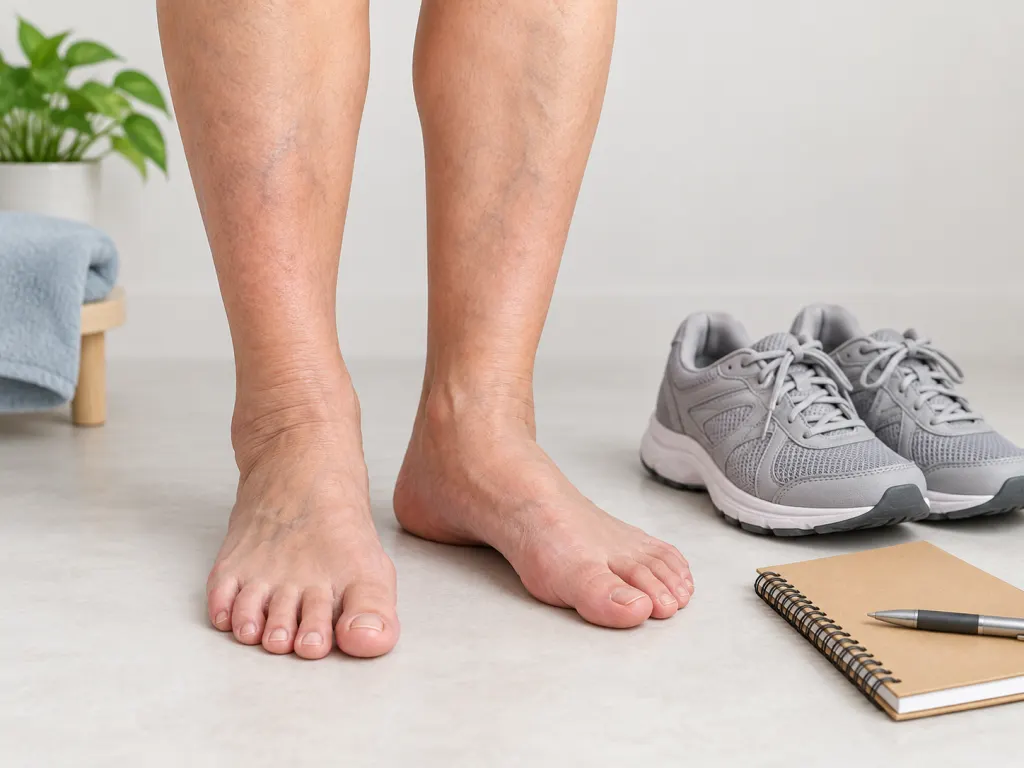
Lower-body swelling can happen for reasons that are not primarily heart-related, such as standing for a long time, hot weather, certain medicines, vein problems, kidney or liver conditions, injury, or high salt intake. Still, persistent swelling is one of the classic clues doctors ask about because it can reflect fluid buildup. The American Heart Association lists swelling in the feet, ankles, legs, fingers, stomach, and other tissues as a possible heart failure symptom when fluid collects in body tissues: AHA heart failure signs and symptoms.
Pay attention to swelling that appears most days, worsens over time, affects both legs, leaves a dent after gentle pressure, causes shoes or rings to feel tight, or comes with sudden weight change, breathlessness, fatigue, or trouble lying flat. If one leg becomes suddenly much more swollen, painful, warm, or red than the other, that pattern can have other urgent explanations and should be assessed promptly. For more context on lower-body swelling, readers may also find Signs Your Swollen Legs May Signal a Health Problem useful.
4. Discomfort outside the chest
Chest pressure, squeezing, fullness, or pain is a well-known heart attack warning sign, but discomfort does not always stay in the chest. The American Heart Association lists discomfort in one or both arms, the back, neck, jaw, or stomach as possible heart attack symptoms, and also notes shortness of breath, cold sweat, nausea, rapid or irregular heartbeat, unusual tiredness, and lightheadedness: AHA warning signs. That is why recurring jaw, neck, shoulder, upper-back, arm, or upper-stomach discomfort deserves careful attention when it is new or hard to explain.
One reason these clues get missed is that they may resemble common problems. Upper-stomach discomfort may feel like indigestion. Jaw or neck discomfort may feel like dental or muscle strain. Back pressure may be blamed on posture. The safest framing is not “this is definitely the heart,” but “this pattern needs a real assessment.” Discomfort that comes on with activity and eases with rest, returns in episodes, or appears with breathlessness, sweating, nausea, faintness, or unusual fatigue should be taken seriously. For a related emergency-focused comparison, see 10 Early Warning Signs of a Stroke, which covers a different but equally time-sensitive vascular emergency.
5. Circulation changes in the legs or feet
Heart and blood vessel health are connected throughout the body. Peripheral artery disease, or PAD, happens when narrowed arteries reduce blood flow to the legs and feet. MedlinePlus explains that PAD can cause pain, achiness, fatigue, burning, or discomfort in the feet, calves, or thighs during walking or exercise, often easing after rest. It also notes that legs or feet may feel cool, skin may look pale, and more severe findings can include decreased hair growth, shiny tight skin, thick toenails, and slow-healing sores: MedlinePlus peripheral artery disease.
These signs are not the same thing as a heart attack symptom, but they can point to circulation trouble that deserves care. A useful clue is exertional pattern: discomfort that starts while walking and improves after several minutes of rest is different from a random muscle cramp. Another clue is asymmetry: one foot or leg that is consistently colder, paler, or weaker than the other should not be ignored. Readers concerned about leg clot symptoms can compare patterns in 10 Warning Signs of a Blood Clot in the Leg.
When it is an emergency
Call emergency services right away for possible heart attack symptoms. Do not drive yourself if emergency help is available. Warning signs include chest discomfort that lasts more than a few minutes or comes and goes, discomfort in the arm, back, neck, jaw, or stomach, shortness of breath, cold sweat, nausea, rapid or irregular heartbeat, unusual tiredness, or lightheadedness. The American Heart Association emphasizes calling 911 for heart attack warning signs and not waiting to see whether they pass: AHA heart attack warning signs.
Urgent care is also appropriate for sudden severe breathlessness, fainting, new confusion, blue or gray lips, severe weakness, or sudden symptoms that feel unlike anything you have experienced before. If symptoms are milder but new or persistent, contact a clinician soon rather than saving the issue for an appointment months away. A symptom that is not dramatic can still matter when it represents a clear change from your baseline.
What to track before an appointment
A short record can help a clinician understand whether a symptom pattern suggests a heart-related issue or another cause. Keep it simple and factual. Include:
- When the symptom started and whether it is improving, stable, or worsening.
- What you were doing when it appeared, such as resting, walking, climbing stairs, eating, or lying down.
- How long it lasted and what helped it ease.
- Whether it came with breathlessness, swelling, nausea, lightheadedness, sweating, palpitations, fatigue, or upper-body discomfort.
- Any recent changes in medicines, sleep, stress, illness, travel, activity level, or weight.
- Your recent blood pressure readings if you already monitor them at home.
This information is not meant to make you self-diagnose. It helps move the conversation from “something feels off” to a clearer picture. NHLBI notes that understanding heart disease risk involves both changeable and non-changeable factors, including blood pressure, cholesterol, diabetes, smoking, activity level, family history, eating patterns, age, and sex: NHLBI heart disease risk factors.
Lowering risk while you seek answers
Symptom awareness works best alongside routine risk checks. Blood pressure, cholesterol, blood sugar, smoking history, family history, physical activity, sleep, and eating patterns all help shape heart risk. The CDC identifies high blood pressure, high blood cholesterol, and smoking as key risk factors and notes that diabetes, physical inactivity, unhealthy diet, and excessive alcohol use can also raise risk: CDC heart disease overview. These factors are worth discussing even when you feel well, because some do not cause obvious symptoms.
Small steady habits can support cardiovascular health: keep regular checkups, take prescribed medicines as directed, ask what blood pressure and cholesterol goals apply to you, avoid tobacco smoke, build activity gradually if it is safe for you, and choose meals that make it easier to manage sodium, saturated fat, and overall balance. NHLBI describes DASH as one part of a heart-healthy lifestyle and pairs it with physical activity, weight management, limiting alcohol, stress management, quitting smoking, and sleep: NHLBI DASH lifestyle guidance.
How to decide whether a clue is worth a call
A practical rule is to ask three questions: Is this new for me? Is it persistent or getting worse? Does it appear with other symptoms? A “yes” to any of those questions is enough reason to contact a qualified health professional. A “yes” plus chest discomfort, severe breathlessness, fainting, cold sweat, or upper-body discomfort is a reason to seek emergency help. If you are unsure, it is better to ask for guidance than to spend days trying to explain away a pattern that keeps returning.
A calm way to take symptoms seriously
Taking heart health seriously does not mean living in fear of every body sensation. It means knowing your baseline, noticing meaningful changes, and acting early when a pattern is unusual. Quiet clues are often easiest to explain away: “I’m just tired,” “I’m getting older,” “I probably ate too fast,” or “my shoes are tight because I stood all day.” Sometimes those explanations are right. Sometimes they are incomplete. The difference is often found through careful history, examination, and appropriate testing.
If you remember only one point, make it this: symptoms deserve attention when they change what you can do. Fatigue that shrinks your day, breathlessness with ordinary tasks, swelling that keeps returning, unexplained upper-body discomfort, or leg and foot circulation changes should not be ignored. Bring the pattern to a clinician, seek urgent help for emergency signs, and use routine checkups to understand your personal risk before a crisis forces the conversation.
Wrap-Up
Subtle heart health clues are easy to miss because they can resemble everyday fatigue, aging, indigestion, swelling from standing, or ordinary aches. The most useful signal is change: symptoms that are new, persistent, worsening, activity-related, or clustered together deserve attention. Call emergency services for possible heart attack symptoms, and talk with a qualified health professional about ongoing changes such as unusual fatigue, breathlessness, swelling, upper-body discomfort, or circulation changes in the legs and feet.
Frequently Asked Questions
- → Can heart problems happen without chest pain?
Yes. Chest discomfort is a common warning sign, but heart-related problems may also involve shortness of breath, unusual fatigue, nausea, lightheadedness, swelling, or discomfort in the jaw, neck, back, stomach, shoulder, or arm. New or worsening symptoms should be discussed with a qualified health professional.
- → When should I call emergency services for possible heart symptoms?
Call emergency services for chest discomfort that lasts more than a few minutes or comes and goes, shortness of breath with or without chest discomfort, cold sweat, nausea, lightheadedness, rapid or irregular heartbeat, or discomfort in the arm, back, neck, jaw, or stomach. Do not wait to see if severe symptoms pass.
- → Is ankle swelling always related to the heart?
No. Swelling can have many causes, including long standing, heat, medicines, vein problems, injuries, and kidney or liver conditions. It is worth medical attention when it is persistent, worsening, leaves dents, affects daily life, or appears with breathlessness, fatigue, sudden weight change, or trouble lying flat.
- → What details should I track before I see a clinician?
Track when symptoms started, what triggers them, how long they last, what helps, and whether they come with breathlessness, fatigue, swelling, nausea, sweating, lightheadedness, palpitations, or upper-body discomfort. Include recent changes in medicines, sleep, illness, travel, activity, weight, and blood pressure readings if you have them.
- → Can leg or foot changes be related to cardiovascular health?
They can be. Reduced blood flow in the legs, such as peripheral artery disease, may cause leg discomfort with walking that eases after rest, coolness, pale skin, decreased hair growth, shiny skin, or slow-healing sores. These signs need medical assessment, especially if one side is clearly different from the other.
References
This content was developed and refined using reliable sources.
- https://www.heart.org/en/health-topics/heart-attack/warning-signs-of-a-heart-attack
- https://www.heart.org/en/health-topics/heart-failure/warning-signs-of-heart-failure
- https://www.medlineplus.gov/ency/article/000170.htm
- https://www.cdc.gov/heart-disease/about/index.html
- https://www.nhlbi.nih.gov/health/heart-healthy-living/risks
- https://www.nhlbi.nih.gov/health/dash/living-with-dash