 Save
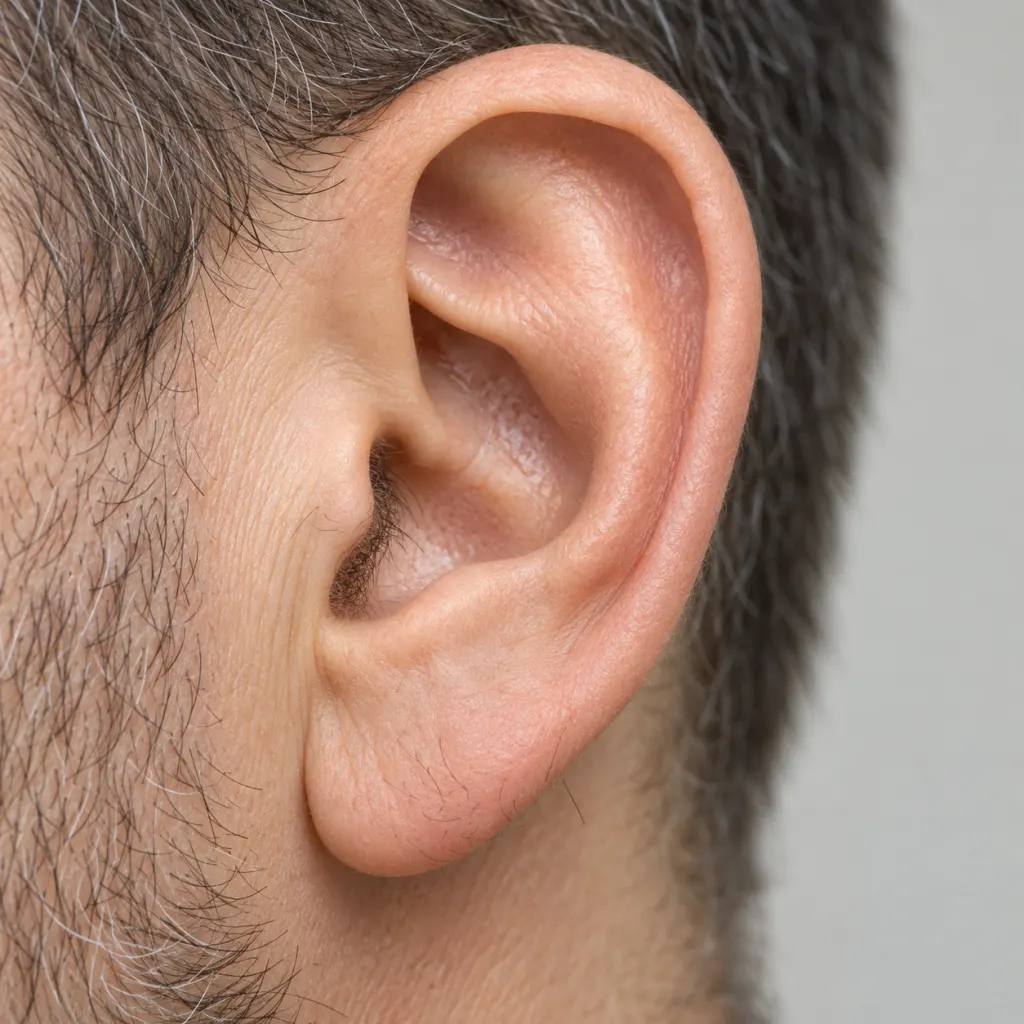
Ear hair growth is usually not a sign that something is wrong. Fine hair around the ear and in the outer ear canal is part of normal skin, and thicker visible hairs can become more noticeable with age, genetics, and individual hormone sensitivity. The main practical issue is comfort: lots of hair in the ear canal may make earwax more likely to build up for some people. The meaning changes when growth is sudden, widespread, linked with other body changes, or paired with blocked hearing, drainage, fever, or significant ear discomfort. In those situations, the hair itself may be less important than the pattern around it.
The Short Answer: Usually Normal, Sometimes Useful Context
Most ear hair is simply body hair in a place people notice because it is close to the face. Cleveland Clinic explains that body hair changes over time with age, hormones, and health, and that ear hair helps keep germs and foreign objects out of the ear area https://my.clevelandclinic.org/health/body/body-hair. Earwax also has a protective role: it helps hydrate the ear canal and keeps dirt, dust, and germs away from the eardrum https://my.clevelandclinic.org/health/body/24624-earwax. So the first takeaway is reassuring: a few visible hairs on the outer ear, earlobe, or near the ear canal usually mean normal anatomy, not poor hygiene or a hidden problem.
Where Ear Hair Comes From
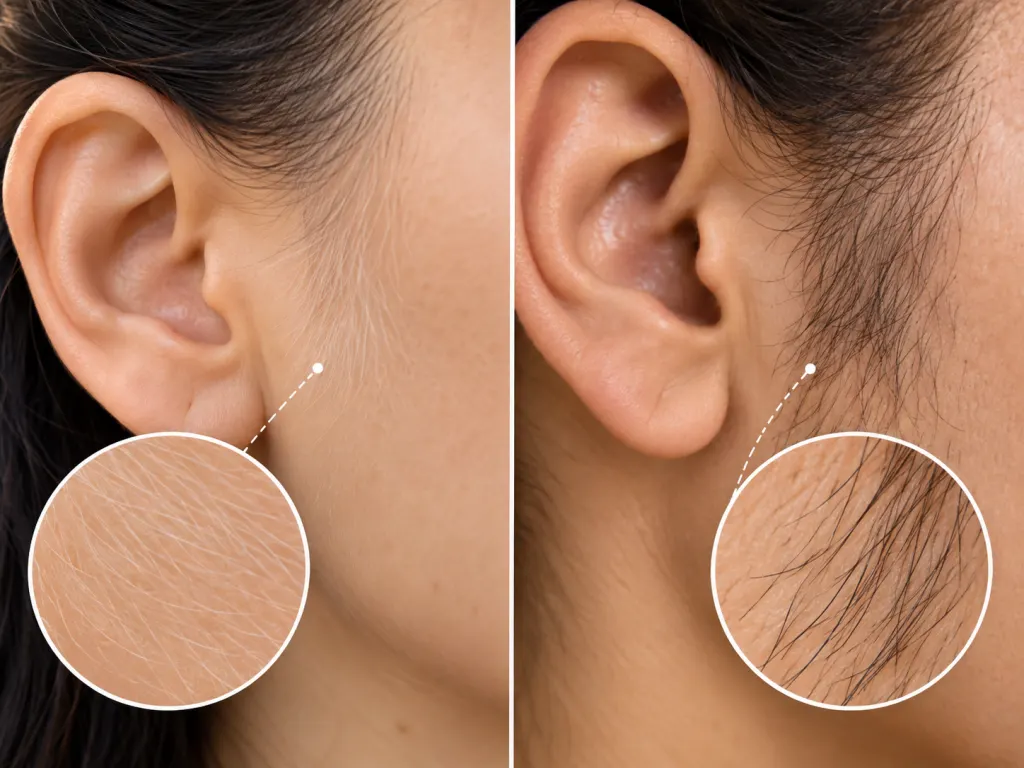
Hair grows from follicles in the skin. Some hairs are fine and light, while others are thicker, darker, and easier to see. Cleveland Clinic describes vellus hair as fine hair found on most of the body, including the face and earlobes; it also notes that terminal hair is thicker and coarser than vellus hair https://my.clevelandclinic.org/health/body/23098-vellus-hair-peach-fuzz. Around the ear, that distinction matters because a person may have had fine hair there for years before it became visible in a bathroom mirror or phone camera. Lighting, skin tone, hair color, and grooming habits can make a normal change feel sudden even when it has developed gradually.
Why It Often Becomes More Noticeable With Age
Age does not make every hair grow faster, and it does not affect everyone the same way. What changes is the mix of follicle behavior, hair color, grooming routines, and visibility. Some people notice longer hairs on the outer ear, in the concha, or at the canal opening in midlife or later. Others never develop much visible ear hair at all. Cleveland Clinic notes that body hair patterns depend on genes, age, sex, and ethnicity, and that different body areas have different hair-growth phases https://my.clevelandclinic.org/health/body/body-hair. That is why two people of the same age can have very different ear, eyebrow, beard, or nose-hair patterns without either pattern being unusual.
Hormones can influence hair, but ear hair is not a home hormone test. It is tempting to treat a few coarse hairs as proof that one hormone is high or low, but visible hair depends on follicle sensitivity as much as hormone level. Some follicles respond strongly; others barely respond. That is also why family patterns matter. If several relatives have prominent ear, eyebrow, or facial hair, a similar pattern can appear without pointing to a new condition. The better question is not, 'What single thing caused this hair?' but, 'Is this a stable, familiar pattern, or is it a new change with other clues?'
How Ear Hair Can Affect Earwax
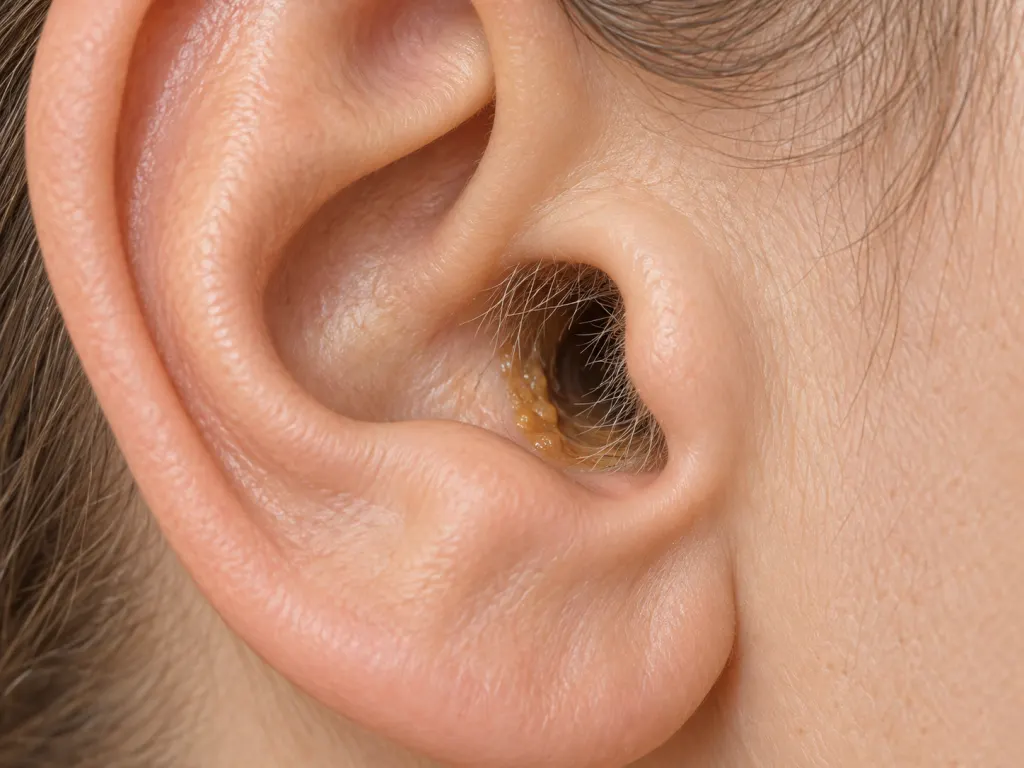
Ear hair and earwax often get discussed together because they share the same small space. Cleveland Clinic says earwax comes from glands in the ear canal and includes dead skin cells and hair, among other substances https://my.clevelandclinic.org/health/body/24624-earwax. The NHS lists lots of hair in the ear canals among the factors that can contribute to earwax buildup, along with narrow or damaged ear canals, skin conditions around the ear, and inflammation of the ear canal https://www.nhs.uk/conditions/earwax-build-up/. That does not mean ear hair is bad. It means that, for some people, dense canal hair may slow the normal outward movement of wax and debris.
Signs that the issue may be wax rather than the hair itself include a blocked feeling, reduced hearing, ringing or buzzing, dizziness, or earache, all of which the NHS lists as possible symptoms of earwax buildup https://www.nhs.uk/conditions/earwax-build-up/. If you are reading because your ear feels muffled after using drops, the related guide Ear Drops and Muffled Hearing: What to Know may help you sort out common possibilities. For a broader look at that question, see Can Ear Drops Help Muffled Hearing?.
A Quick Way to Read the Pattern
Because ear hair is usually harmless, the most useful approach is to look at the pattern rather than one strand. A calm check can include:
- Location: hair on the outer ear or earlobe is usually different from dense hair deep in the canal that traps wax.
- Timing: gradual change over years is more reassuring than sudden, fast growth over weeks or months.
- Symmetry: similar growth on both ears often fits normal variation, while one-sided irritation, swelling, or discharge needs more attention.
- Other changes: new widespread coarse hair, acne, menstrual changes, scalp hair changes, or a new medicine can shift the question from grooming to health context.
- Ear symptoms: blocked hearing, fever, drainage, severe discomfort, or blood-streaked discharge should not be blamed on hair without assessment.

Hormones, Sex Differences, and New Coarse Growth
Coarse new hair growth is more meaningful when it appears beyond the ears or follows a male-pattern distribution in someone who does not usually grow that type of hair. MedlinePlus explains that hirsutism is coarse, dark hair in areas sensitive to male hormones, and that unwanted hair growth in women can be linked with androgens, family tendency, PCOS, some medicines, and other causes https://medlineplus.gov/ency/article/007622.htm. Mayo Clinic similarly notes that extra coarse hair on the face or body can be related to androgens and recommends a health check when heavy or rapid growth develops over a few months or appears with other signs such as acne, voice deepening, or scalp hair loss https://www.mayoclinic.org/diseases-conditions/hirsutism/symptoms-causes/syc-20354935?aa69e157_page=1&p=1.
Hypertrichosis is a different term. Cleveland Clinic describes it as excessive hair growth that can appear all over the body or in patches and can affect anyone. It may involve fine or coarse hair, can start at birth or later, and may be linked with medicines, localized irritation, family history, or certain health conditions https://my.clevelandclinic.org/health/diseases/hypertrichosis. Ordinary ear hair in an older adult is not the same as hypertrichosis. The distinction is scale and context: a few ear hairs are common; sudden, unusual, or widespread growth deserves a closer look.
Grooming Without Irritating the Ear
If ear hair bothers you cosmetically, trimming is usually the gentlest approach. Use a clean electric trimmer designed for facial hair or small scissors with care on the visible outer ear only. Avoid pushing tools deep into the ear canal. The NHS warns not to use fingers or objects such as cotton buds to remove earwax because they can push wax in and make blockage worse https://www.nhs.uk/conditions/earwax-build-up/. Cleveland Clinic also notes that cotton swabs or small objects inside the ear can damage the ear and are not needed for routine wax removal https://my.clevelandclinic.org/health/body/24624-earwax. If you regularly use hearing aids or earbuds, clean those devices as directed, because they can also trap wax near the canal opening.
When to Ask for Professional Guidance
Ask a qualified health professional about ear hair or related symptoms when the change is sudden, unexplained, one-sided with irritation, associated with blocked hearing, or part of broader new hair growth. Also ask if the change began after starting a new medicine or if attempts to remove hair or wax leave the skin sore, swollen, or bleeding. For women and people assigned female at birth, new rapid growth of coarse facial or body hair, especially with acne, menstrual changes, or scalp hair thinning, deserves a conversation rather than repeated self-removal. That does not mean the cause is serious; it means the pattern is worth sorting out with someone trained to evaluate it.
Putting Ear Hair in Perspective
Ear hair can feel embarrassing because it is visible, but it is usually just one more example of normal human variation. It may reflect age, genetics, hormone sensitivity, hair color, or the way light catches a few coarse strands. It can also make practical issues, such as earwax buildup, more noticeable. The most sensible response is proportionate: trim visible hair if you dislike it, avoid putting tools deep into the canal, watch for blocked hearing or irritation, and take sudden or widespread changes seriously enough to ask questions. Ear hair rarely tells a whole health story on its own, but the pattern around it can help you decide what, if anything, needs attention.
Wrap-Up
Ear hair growth most often means normal skin and hair variation. Fine hairs help protect the ear area, and visible coarse hairs can become more noticeable with age, genes, and individual hormone sensitivity. Dense hair in the ear canal can sometimes contribute to wax buildup, especially if hearing feels blocked or the ear feels full. Sudden, widespread, or rapidly changing hair growth is different and should be discussed with a qualified professional, particularly when it comes with other body changes or ear symptoms.
Frequently Asked Questions
- → Is ear hair a sign of aging?
It can be. Visible ear hair often becomes more noticeable with age, but genes, hair color, sex, and individual follicle sensitivity also matter. A gradual change over years is usually more reassuring than sudden, rapid, or widespread growth.
- → Does ear hair mean my ears are dirty?
No. Ear hair and earwax are part of normal ear anatomy. Earwax helps protect and hydrate the ear canal. The issue is not cleanliness; it is whether hair and wax are causing blockage, irritation, or hearing changes.
- → Can ear hair cause muffled hearing?
Hair alone is not usually the cause, but lots of hair in the canal can contribute to earwax buildup in some people. If hearing feels blocked, avoid digging in the ear and ask a pharmacist or qualified professional about safe next steps.
- → Should I pluck ear hair?
Trimming visible outer-ear hair is usually gentler than plucking. Plucking can irritate skin, and tools should not be pushed deep into the ear canal. If hair or wax is deep enough that you cannot see it clearly, leave it alone and get guidance.
- → When is new ear hair worth checking?
Ask for professional guidance if growth is sudden, unexplained, widespread, linked with a new medicine, or paired with blocked hearing, drainage, fever, swelling, bleeding, or significant discomfort. Also ask if new coarse hair appears on the face or body along with other changes.
References
This content was developed and refined using reliable sources.
- https://my.clevelandclinic.org/health/body/body-hair
- https://my.clevelandclinic.org/health/body/24624-earwax
- https://my.clevelandclinic.org/health/body/23098-vellus-hair-peach-fuzz
- https://www.nhs.uk/conditions/earwax-build-up
- https://medlineplus.gov/ency/article/007622.htm
- https://www.mayoclinic.org/diseases-conditions/hirsutism/symptoms-causes/syc-20354935?aa69e157_page=1&p=1
- https://my.clevelandclinic.org/health/diseases/hypertrichosis