 Save
Wearing a short skirt at 50 usually means one thing first: the wearer wants to wear a short skirt. It does not automatically mean trying to look younger, ignoring taste, or making a statement for everyone else to decode. A short skirt can be elegant, casual, playful, restrained, or bold depending on cut, fabric, styling, and setting. The better question is not whether 50 is an acceptable age for a shorter hemline; it is whether the outfit looks deliberate, feels like the wearer, and fits the occasion.
The miniskirt has carried debate since the 1960s, when rising hemlines became associated with youth culture, London street style, and a broader move away from formal social codes. The Victoria and Albert Museum describes the mini as a gradual fashion shift rather than the single invention of one designer, with Mary Quant, André Courrèges, and young women on the street all shaping the look according to its fashion history essay. That history matters because it shows that short skirts have never had one fixed meaning. At 50, the meaning can be simpler and more personal: confidence, taste, practicality, and the freedom to choose.
The Short Answer: It Means Style, Not Permission-Seeking
A short skirt after 50 does not need a defense. It can mean the wearer enjoys proportion, likes showing a favorite pair of boots, wants an outfit that feels lighter in warm weather, or prefers a shape that works well with jackets and knits. Age may influence how someone styles a piece, but it does not have to decide whether the piece is allowed. The key difference between a look that feels effortless and one that feels unresolved is often intention. A short skirt worn with a considered top, useful layer, and shoes that match the setting reads as an outfit. A short skirt chosen only because it is short may feel less finished.
For many women, 50 is also a point when style becomes more edited. That can work in favor of a short skirt. Instead of chasing every trend, the focus shifts to line, fabric, color, and personal rhythm. A black ponte mini with opaque tights and loafers communicates something very different from a frayed denim mini with sandals, and both can be valid in the right setting. The question is not, “Can I still wear this?” A better question is, “What version of this makes sense for how I live now?”
- Choose a clear silhouette: A-line, wrap, straight, pleated, or softly tailored skirts are easier to style than vague shapes.
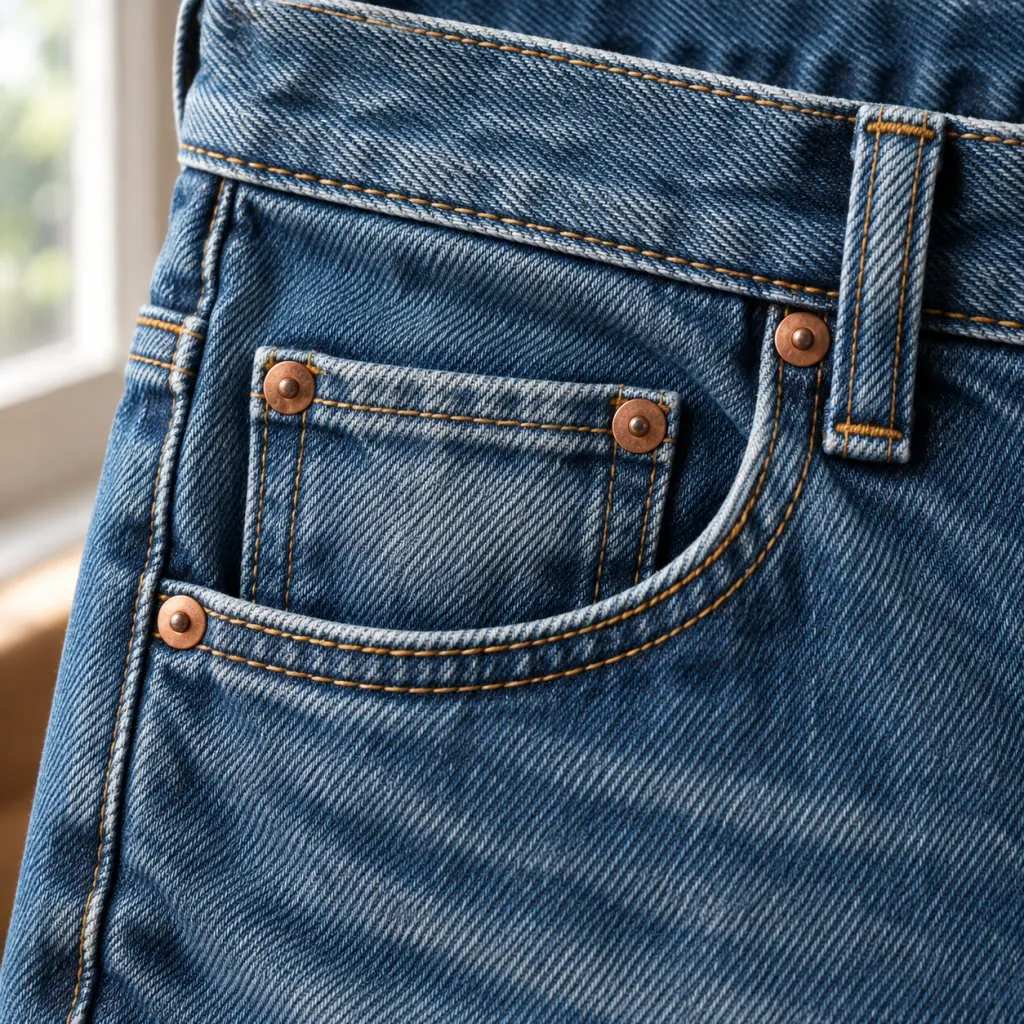
- Use fabric to set the tone: Wool, denim, ponte, cotton twill, leather, and suiting fabrics each create a different message.
- Balance the outfit: If the hemline is short, try a relaxed shirt, fine knit, blazer, trench, or simple jacket above it.
- Let the setting decide the finish: Weekend, dinner, travel, and office-adjacent outfits call for different shoes and layers.
Why the Miniskirt Was Never Only About Youth
The idea that short skirts “belong” to younger women is partly a cultural memory from the 1960s, not a timeless rule. The Fashion History Timeline from the Fashion Institute of Technology describes 1960s fashion as becoming more casual across genders and ages, while womenswear moved through several trends including youthful London styles and more relaxed ways of dressing in its decade overview. In that era, the short skirt became attached to youth culture because youth culture had new visibility, money, music, boutiques, and media attention. That association was powerful, but it was not a permanent ownership claim.
The V&A notes that above-the-knee skirts developed gradually and that the very short mini became most recognizable around 1966. It also points out that the mini later became accepted beside midi and maxi lengths. This is useful perspective for anyone dressing at 50: fashion arguments often sound permanent while they are happening, then become ordinary later. A hemline that once looked shocking can eventually become one option among many. The same is true in an individual wardrobe. A short skirt may feel daring the first time it returns after years away, then become just another piece once it is styled in a grounded way.
How to Pick a Short Skirt That Looks Considered
The most wearable short skirt at 50 is rarely the one copied straight from a trend image. It is the one that matches the wearer’s preferred level of polish. Length is only one variable. A skirt that sits a little above the knee may feel short enough for the look while still being easy for stairs, seats, and everyday movement. A mid-thigh skirt may work beautifully with tights, tall boots, or a longer coat. A micro length may be best saved for people who genuinely enjoy a high-impact fashion choice and have a clear styling plan for it.
Fabric does a lot of the work. Ponte and suiting cloth feel neat and hold their line. Denim feels casual and familiar. Leather or faux leather feels sharper, especially in dark brown, oxblood, black, or deep green. Tweed can look classic, but it often needs modern shoes or a simple top so it does not drift into costume. Pleats create movement; straight skirts create a cleaner column; A-line shapes are forgiving in the styling sense because they pair well with tucked shirts, cropped jackets, and knits. Color matters too. Neutrals are easy, but a short skirt in red, cobalt, olive, or cream can look grown-up when the rest of the outfit is calm.
The Styling Formula That Usually Works
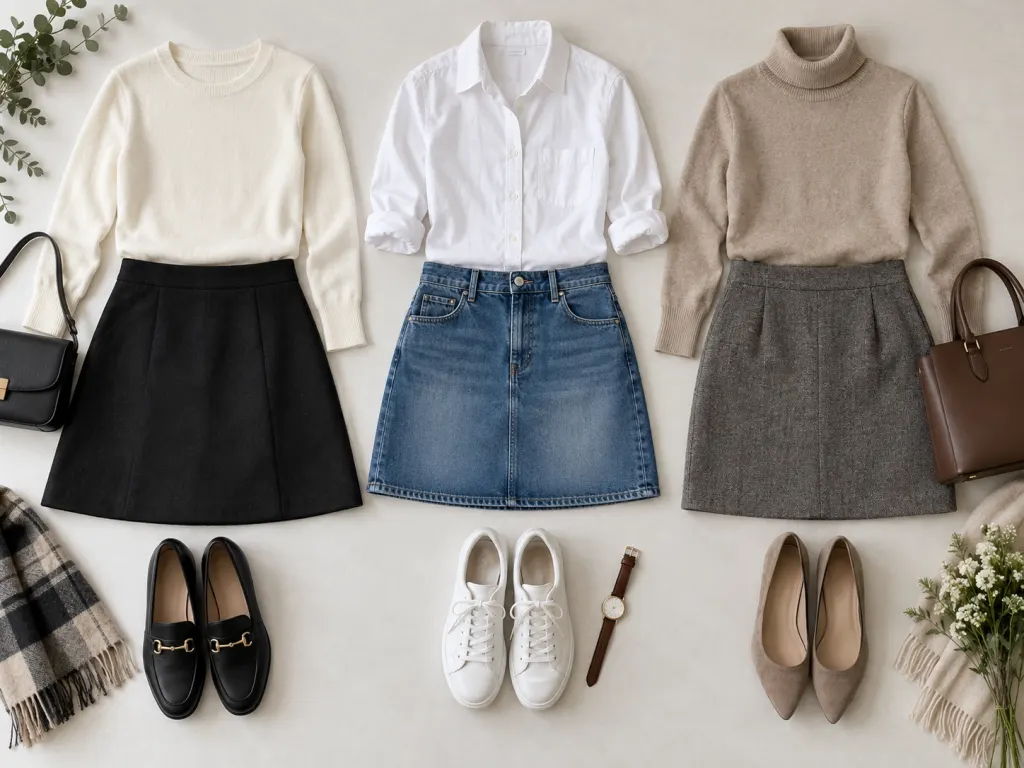
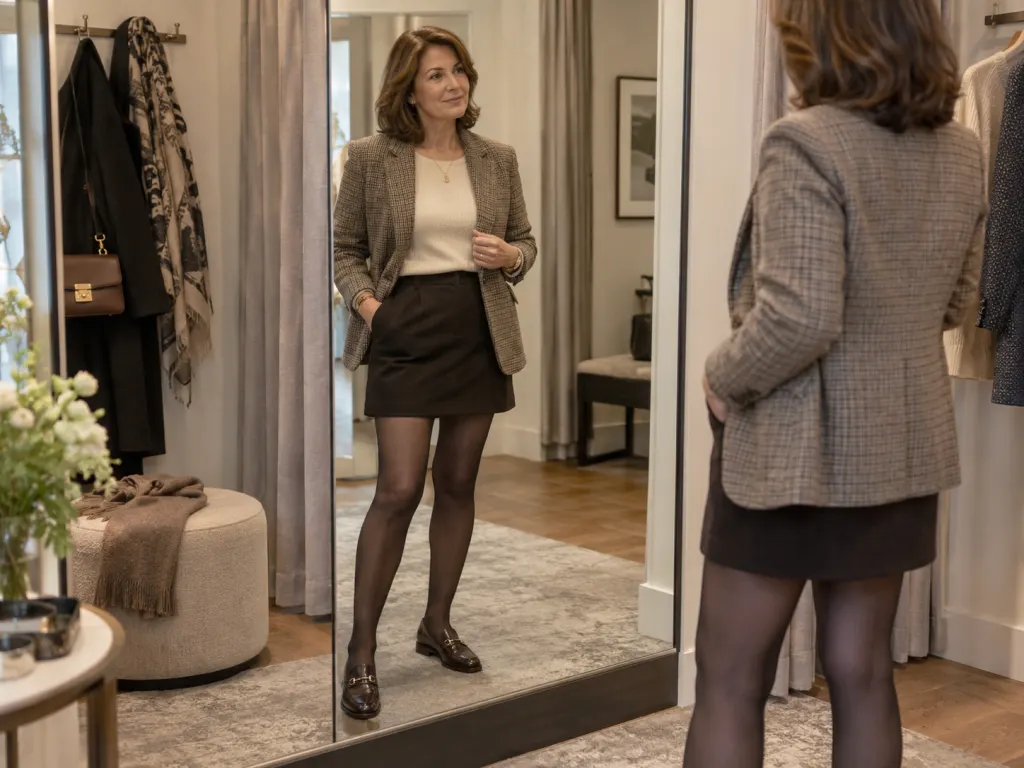
A practical formula is short plus structured plus relaxed. Let the skirt be the shorter element, then bring in one piece with structure and one piece with ease. For example: a dark A-line skirt, a fine crewneck sweater, and loafers. Or a denim mini, a crisp white shirt, and ankle boots. Or a tailored short skirt, a soft blouse, and a longline blazer. The structure keeps the look intentional; the relaxed element keeps it from seeming overworked.
Shoes change the whole message. Flat loafers, ballet flats, low boots, knee-high boots, sleek sneakers, block-heel sandals, and simple pumps can all work. Very high heels with a very short skirt can be dramatic, which may be exactly right for some evenings, but it is not the only way to make the outfit attractive. Tights also change the mood. Sheer black tights feel dressier; opaque tights feel practical and graphic; patterned tights can be playful if the rest of the outfit stays quiet. In warm weather, bare legs with flat sandals and a linen shirt can look relaxed rather than revealing.
Where Context Still Matters
Freedom of style does not erase context. A short skirt for brunch, errands, travel, dinner, or a concert can be judged by taste and ease. A short skirt for work, a ceremony, a school event, or a conservative venue may need a different level of coverage, tailoring, or formality. That is not an age rule; it is a setting rule. The U.S. Equal Employment Opportunity Commission explains that employers may generally set dress codes for employees or job categories, though such rules have legal limits and exceptions in its employment policy guidance. In plain style terms, this means a skirt can be appropriate in one room and distracting in another, even when the wearer looks great.
It is also worth separating personal taste from unfair stereotyping. Federal rules for certain contractors state that employment decisions must not be based on sex-based stereotypes about how people are expected to look, speak, or act under 41 CFR 60-20.7. That does not turn every outfit dispute into a legal issue, and this article is not a legal guide. It does underline a broader point: assumptions about what a woman “should” look like at a certain age are not the same as thoughtful standards for a particular setting. A dress code can be real; a stranger’s discomfort with women aging visibly is not a style rule.

Handling Comments Without Letting Them Set the Rules
Short skirts after 50 can attract comments because some people still treat women’s clothing as public property. A useful response does not have to be long. “I like it,” “This works for me,” or “I’m dressed for the occasion” is enough. You do not have to explain your hemline, prove your confidence, or turn a casual outfit into a debate. If the comment comes from someone whose taste you value, you can ask what feels off: the length, the shoe, the top, or the occasion. Specific feedback can help. Vague age policing rarely does.
The most effective way to avoid being thrown by comments is to decide your own criteria before you leave the house. Can you sit, walk, and move with ease? Does the outfit match the event? Do the proportions look intentional in a mirror from more than one angle? Does the skirt pair with at least three things you own? If the answer is yes, the outfit has earned its place. If the answer is no, the fix may be simple: change the shoes, add a longer layer, swap the top, or choose a skirt one inch longer.
What Wearing One Can Signal at 50
At 50, a short skirt can signal confidence, but confidence is not the only story. It can signal continuity: maybe you have always loved minis and see no reason to stop. It can signal discovery: maybe you avoided them for years and now enjoy experimenting. It can signal practicality: a shorter skirt with tights and boots can be easier than a long hem on a rainy day. It can signal style fluency: you know how to make an old fashion argument feel current. The meaning belongs first to the wearer, not to the passerby.
There is also a quiet pleasure in refusing a wardrobe timeline. Many old style rules assume a woman should gradually disappear into safer shapes and duller colors with every decade. A short skirt resists that script, but it does not have to do so loudly. It can be as simple as a navy mini, a striped knit, and flat boots. It can be a tailored black skirt under a camel coat. It can be a denim skirt with a cotton shirt on a Saturday morning. The power is not in the inches alone. It is in choosing the version that feels honest.
A Simple Outfit Checklist
Before buying or wearing a short skirt, run through a practical checklist. First, decide the role: casual, polished, evening, vacation, or creative workwear. Second, pick the anchor shoe, because footwear decides much of the tone. Third, choose the top layer: blazer, cardigan, denim jacket, trench, leather jacket, or coat. Fourth, check the length while sitting and moving, not only standing still. Fifth, confirm that the skirt works with the season. A skirt that is perfect with tights may not feel right in July; a linen mini that shines in summer may look thin under a winter coat.
Finally, think in outfits rather than single items. A short skirt that requires a completely new wardrobe may be less useful than one that immediately works with what is already in the closet. The goal is not to prove that short skirts are universally flattering or universally appropriate. The goal is to make one short skirt, on one real person, look like a confident choice. That is a more useful standard than any age rule.
Wrap-Up
Wearing a short skirt at 50 is not a coded message that needs to be defended. It can be stylish, practical, expressive, or simply enjoyable. The strongest versions usually come from balance: a clear silhouette, a fabric that suits the occasion, shoes that set the tone, and a top layer that makes the outfit feel complete. The history of the miniskirt shows that hemlines have always carried cultural debate, but debate is not destiny. At 50, the question is not whether a short skirt is “allowed.” The question is whether the outfit works for the wearer, the setting, and the life being lived now.
Frequently Asked Questions
- → Is 50 too old to wear a short skirt?
No. Age alone is not a useful dress code. A short skirt can look polished at 50 when the cut, fabric, shoes, and setting work together. If the outfit feels intentional and suits the occasion, the number is not the deciding factor.
- → What length is easiest to wear after 50?
Many people find that a skirt slightly above the knee or a few inches above it is the easiest starting point. Mid-thigh can also work well, especially with tights, tall boots, or a longer coat. The best length is the one that lets you move easily and feel like yourself.
- → How can I make a short skirt look more polished?
Choose a defined silhouette, such as A-line, straight, wrap, or softly tailored. Pair it with a simple knit, crisp shirt, blazer, trench, or clean jacket. Shoes matter: loafers, low boots, tall boots, flats, and simple block heels often make the look feel finished.
- → Can a short skirt work for daytime?
Yes. For daytime, keep the rest of the outfit relaxed and clear: a denim or twill skirt with a cotton shirt, a ponte skirt with a sweater, or a tailored mini with flats and a jacket. Daytime styling usually works best when the outfit has ease rather than heavy glamour.
- → What should I do if someone says I am too old for it?
You do not owe a long explanation. A calm answer such as “I like it” or “This works for me” is enough. If the person is offering useful style feedback, ask what specifically feels off. If the only issue is age, it is not very useful feedback.