 Save
Going gray can make others uncomfortable because it challenges a quiet social bargain: many people are expected to manage visible signs of age so others do not have to think about aging, beauty standards, or their own future. Gray hair itself is ordinary. MedlinePlus explains that hair color changes as follicles produce less melanin over time, and graying is strongly shaped by genes. The reaction around it, however, is social. When someone stops coloring, other people may read that choice as a statement about age, femininity, professionalism, attractiveness, or self-acceptance, even when it is simply a personal style decision.
Gray hair is natural, but it is not treated neutrally
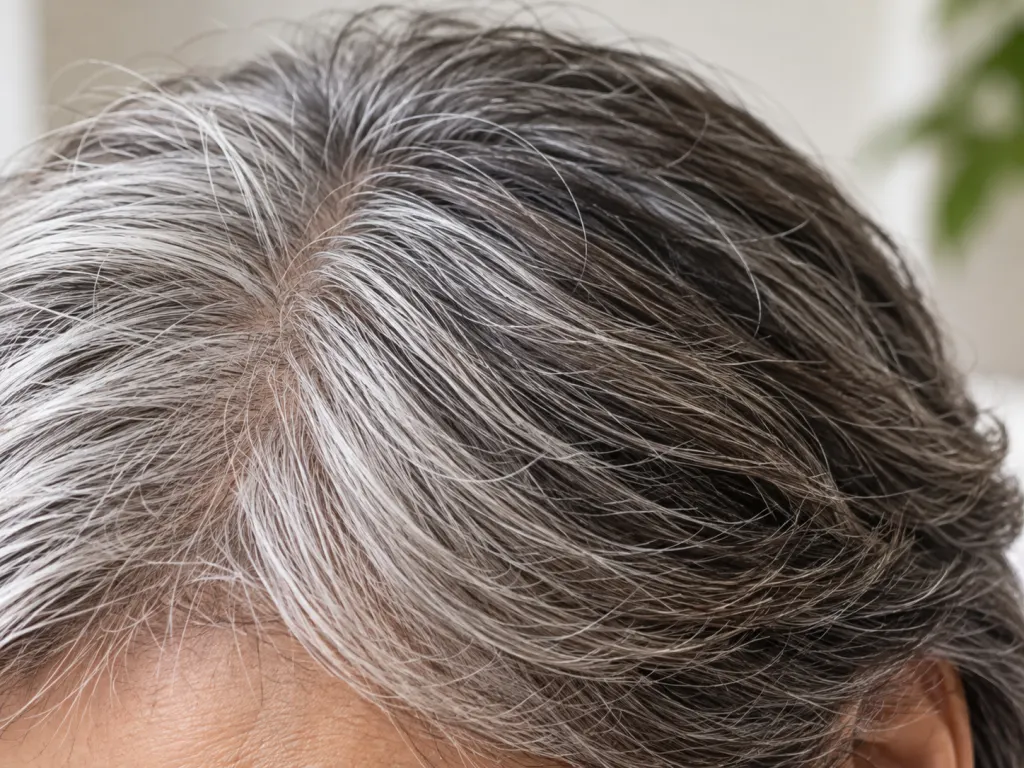
Hair becomes gray when pigment production changes in the follicle. MedlinePlus notes that hair color comes from melanin, and that with aging the follicles make less of it. That simple biology can become emotionally loaded because hair is one of the most visible parts of self-presentation. A new haircut, a dye choice, or a decision to stop dyeing is not hidden under clothing. It frames the face, appears in photographs, and becomes part of how strangers quickly categorize a person.
The discomfort often begins with age cues
People sort one another quickly, and age is one of the categories that tends to appear early in perception. The World Health Organization describes ageism as stereotypes, prejudice, and discrimination tied to age, and notes that it can show up in institutions, interactions, and even the way people think about themselves. Gray hair can become a shortcut in that process. It gives observers a cue they may use, fairly or unfairly, to make assumptions about energy, relevance, authority, desirability, or competence.
Why a personal choice can feel like a public challenge
Letting gray hair show is not automatically political, rebellious, or symbolic. Still, it can feel challenging to others because it refuses a familiar script. Many social environments reward signs of effort that suggest youthfulness: regular coloring appointments, smooth transitions between shades, and the idea that visible gray must be corrected. When someone steps outside that script, observers may feel as though their own routines have been questioned. That is why comments about gray hair often arrive disguised as concern: a person is told they look tired, older, brave, natural, or changed, when no comment was necessary.
Common reactions and what they may really mean
Discomfort around gray hair can take many forms. Some reactions are warm but intrusive; others are dismissive. The pattern matters more than any single sentence. Common reactions include:
- Projection: someone worries aloud about your age because they are uneasy about their own.
- Gender policing: a woman is treated as though visible gray needs an explanation, while a man may be praised as distinguished.
- Professional stereotyping: coworkers assume gray hair changes competence, energy, or ambition.
- Family discomfort: relatives react as if your appearance reflects on them or on a shared image of the family.
- Backhanded praise: compliments frame gray hair as something unusually daring instead of a normal style choice.

Gender expectations make the reaction sharper for many women
The pressure to conceal gray hair is often uneven. A PubMed-indexed study on gendered ageism and gray hair found themes of competence and authenticity in women's experiences: participants wanted to feel authentic, but also recognized that gray hair could trigger assumptions about being older and less competent. This tension helps explain why some people react strongly. A woman's gray hair may be read not just as color, but as a refusal to keep performing a version of youth that others have learned to expect.
Perception studies show how fast assumptions can form
Research on appearance perception also helps explain the instant reaction. A 2025 PubMed-indexed study, Gray hair influences perceived age and social perceptions, examined how gray hair affected ratings of faces. The authors reported that gray hair increased perceived age and influenced some social judgments in the study setting. That does not mean every observer sees gray hair the same way, and it does not make those judgments fair. It does show how quickly a visual cue can become attached to broader assumptions.
Workplaces can turn appearance bias into real consequences
In casual life, age-based assumptions can be irritating. In work settings, they can become more serious. The U.S. Equal Employment Opportunity Commission explains that federal age discrimination law protects people age 40 or older in employment and covers areas such as hiring, firing, pay, assignments, promotions, training, and benefits. Gray hair is not the same thing as age, but it can become one visible cue people use when making assumptions. That is why jokes about looking old, comments about being past one's prime, or pressure to look younger deserve attention in professional contexts.

Why observers may feel personally confronted
Gray hair can unsettle people because it makes time visible without asking permission. Someone else's gray may remind an observer that change is not optional, that beauty rules are inconsistent, or that a person can stop seeking approval and still look composed. That reminder can be liberating for some viewers and irritating for others. The irritation is often misdirected. Instead of saying, "This makes me think about aging," a person may say, "Are you sure you want to keep it that way?" The question sounds practical, but it may come from discomfort with what the choice represents.
Going gray is not giving up
One of the least helpful assumptions is that gray hair means a person has stopped caring. Caring and coloring are not the same thing. Some people love dye and feel most themselves with a chosen shade. Others feel more themselves when the silver, white, charcoal, or mixed pattern grows in. Both choices can be attentive and deliberate. The better question is not whether gray hair is attractive in some universal sense. It is whether the person wearing it gets to decide what maintenance, beauty, and self-respect look like for them.
How to respond to comments without turning every moment into a debate
Not every remark deserves a lecture. A short, steady response can protect the boundary while keeping the moment calm. Try answers such as, "I like it this way," "I'm letting it grow in," "I'm not looking for feedback on my hair," or "It feels like me." If the comment happens at work and is repeated or tied to your role, document the pattern and consider using the appropriate workplace process. The goal is not to make gray hair untouchable as a topic among friends; it is to keep personal appearance from becoming open season for evaluation.
How to talk about someone else's gray hair respectfully
If someone in your life is going gray, the safest approach is simple: do not treat it as a problem to solve. If they bring it up, follow their lead. If you want to compliment them, make the compliment about the present person rather than the shock of change. "That color looks beautiful on you" lands differently from "You are so brave for not covering it." Avoid asking whether they are worried about looking older, whether their partner likes it, or whether they will dye it again. Those questions make their body into a group project.
Wrap-Up
Gray hair can make others uncomfortable because it exposes assumptions that are usually hidden: that age should be softened, that beauty requires continuous correction, and that competence or attractiveness should be read from youth cues. The most useful response is not to overexplain. Gray hair is a normal variation in appearance, and choosing to show it can be as thoughtful as choosing to color it.
Frequently Asked Questions
- → Why do people comment so much when someone goes gray?
Gray hair is highly visible, so people may treat it as an invitation to react even when it is not. Their comments often reflect age expectations, beauty habits, or surprise at a change in appearance rather than anything that needs fixing.
- → Is going gray mainly about aging?
Gray hair is commonly associated with aging because pigment production changes over time, but the meaning people attach to it is cultural. For some, it is a practical decision. For others, it is about style, cost, time, comfort, or wanting their appearance to feel more honest.
- → Why are women often judged more harshly for gray hair?
Many beauty norms expect women to maintain signs of youth more carefully and continuously. Because of that double standard, gray hair on women may be judged as neglect, while gray hair on men may be described as distinguished or authoritative.
- → How can I respond when someone says gray hair makes me look old?
A brief response is usually enough: "I like it," "This is how I wear my hair now," or "I'm not looking for feedback on my appearance." If comments are repeated in a work setting or tied to your opportunities, treat the pattern more seriously.
- → Should I go gray if I am worried about other people's reactions?
That depends on what feels sustainable and authentic to you. You can transition slowly, keep coloring, stop coloring, blend shades, or change your mind later. The important point is that the choice belongs to you, not to the comfort level of observers.