 Save
The short answer: 1955 marked a generation because it was the year rock and roll, R&B crossover records, doo-wop ballads, country-pop stories, and moodier vocal hits all crowded into the same cultural conversation. Teen listeners had more access to 45 rpm singles and radio, and artists who had once been sorted into separate markets began reaching wider audiences. Ohio State University’s open course on 1950s rock and roll describes this new music as a convergence of rhythm and blues, country, technology, and a youth market that wanted its own sound https://aaep1600.osu.edu/book/06_Intro.php.
Why 1955 Became a Listening Breakpoint
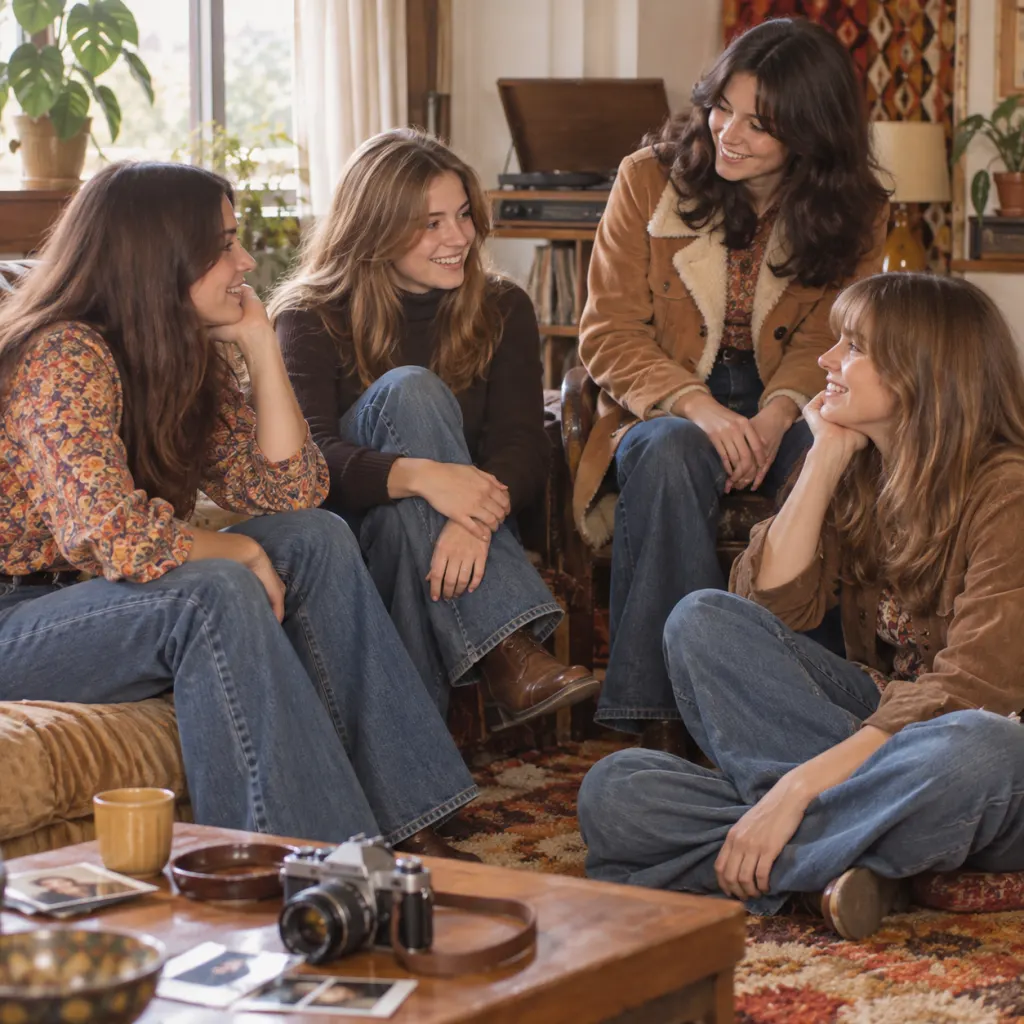
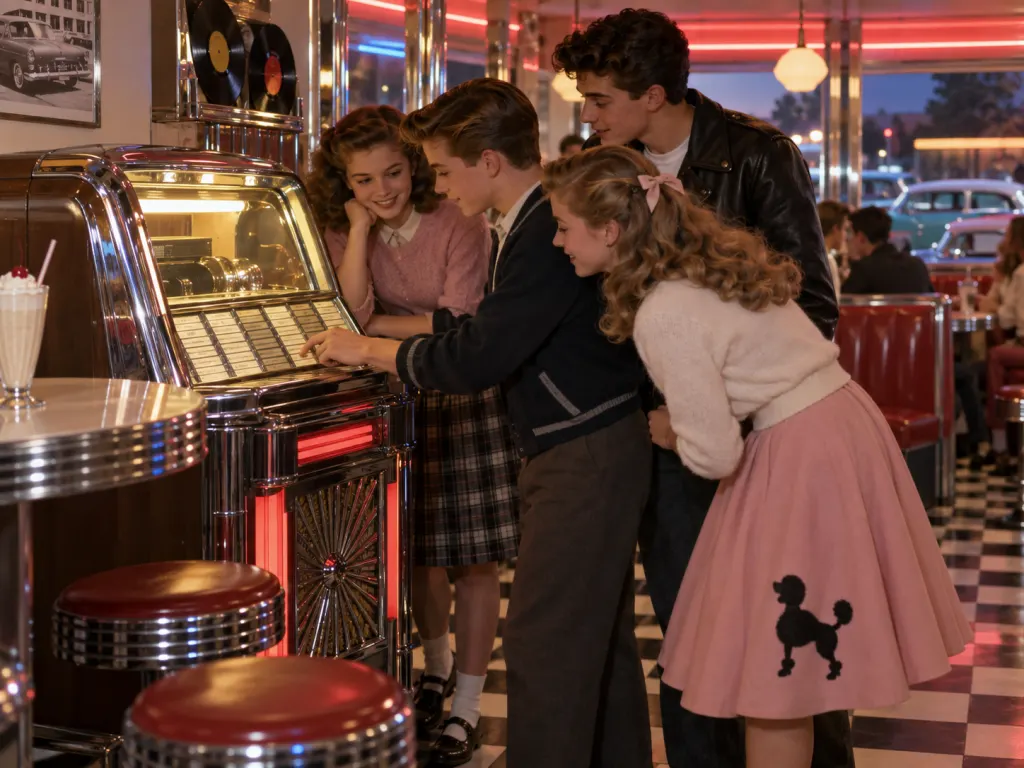
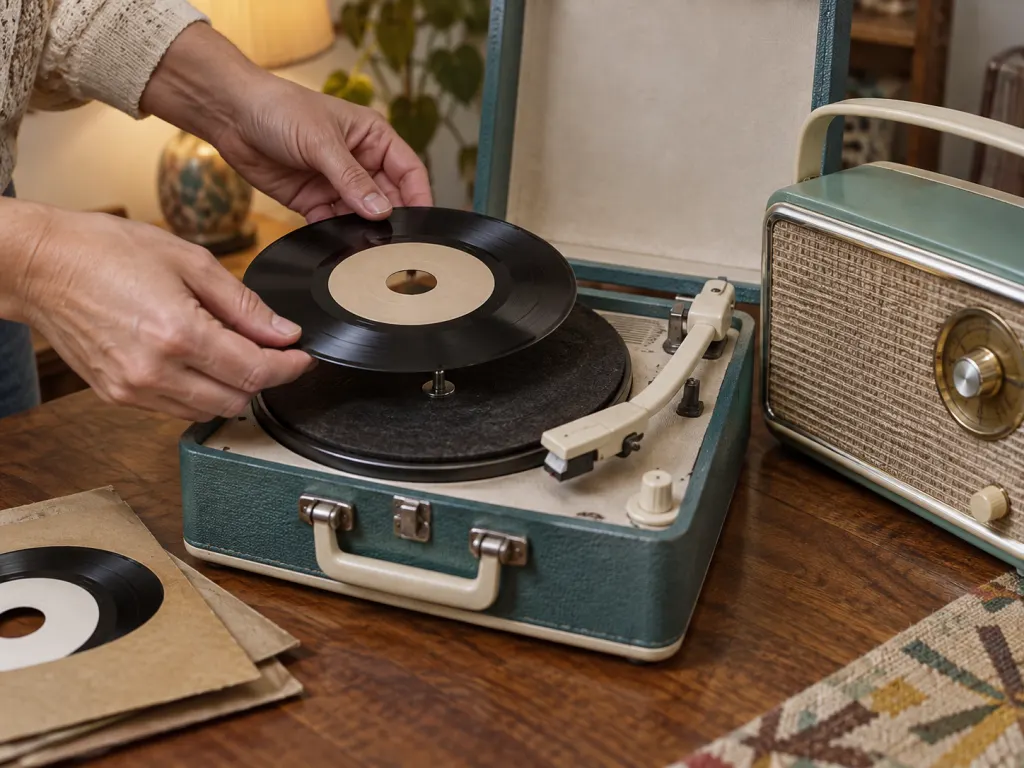
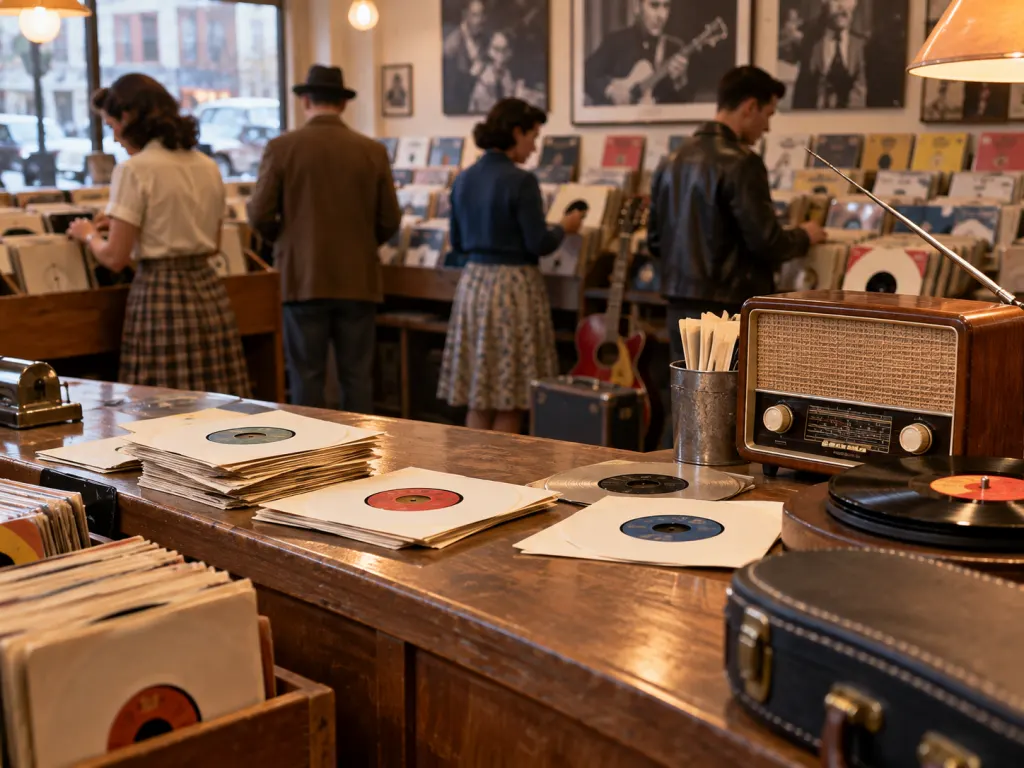
To understand these 14 hits, it helps to picture how people were listening. The 45 rpm single was smaller and cheaper than older 78 rpm records, and young listeners could play singles in their own rooms instead of waiting for the family console. Portable radios and car radios also widened the places where music could travel. That technical shift mattered because it let a song feel personal, repeatable, and social all at once. A teenager could hear a record on the radio, buy it as a single, play it for friends, and carry the attitude of that sound into school dances, diners, cars, and weekend routines.
Ohio State’s course material also notes that rock and roll grew from R&B and country rather than appearing from nowhere, with radio and record labels adjusting to a younger audience https://aaep1600.osu.edu/book/chap03_RockAndRoll.php. That is why a list of 1955 hits should not be limited to one style. The year’s most enduring records include loud jump rhythms, clipped guitar figures, polished harmony singing, intimate torch singing, and story songs. Together, they show a market in motion.
1. “Rock Around the Clock” by Bill Haley and His Comets
Recorded earlier but culturally explosive in 1955, “Rock Around the Clock” became a shorthand for the new teenage sound. Bill Haley and His Comets had roots in country and western swing before leaning into rock and roll, and Ohio State’s biography of Haley describes the record as his first major hit and a massive rock and roll breakthrough https://aaep1600.osu.edu/book/06_Haley.php. Its drive was simple, bright, and public-facing: a record made for dancing, shouting, and claiming time after dark.
2. “Maybellene” by Chuck Berry
Chuck Berry’s “Maybellene” belongs near the center of any 1955 conversation because it joined a fast narrative, guitar-centered energy, and car-era imagery. Ohio State’s Chuck Berry biography explains that Berry reworked “Ida Red” into “Maybellene,” recorded it in 1955, and saw it become a major R&B and pop success https://aaep1600.osu.edu/book/06_Berry.php. The record helped define Berry’s gift: he made teenage motion sound witty, compressed, and urgent.
3. “Tutti Frutti” by Little Richard
“Tutti Frutti” sounded like a door being kicked open. Little Richard’s vocal attack, pounding piano, and comic exuberance created a record that felt both disciplined and uncontrolled. Ohio State’s Little Richard biography places the New Orleans recording session in 1955 and describes how the song became the start of his Specialty Records run https://aaep1600.osu.edu/book/06_LittleRichard.php. Its importance is not just volume; it is the way performance became personality.
4. “Ain’t That a Shame” by Fats Domino
Fats Domino brought New Orleans warmth into the year’s louder story. “Ain’t That a Shame” crossed from R&B into wider pop awareness, and the University of Maryland’s Fats Domino exhibition describes it as one of Domino’s early crossover hits https://exhibitions.lib.umd.edu/fatsdomino/music/crossovers. The Ohio State Domino profile also notes the 1955 success of the song and Pat Boone’s cover https://aaep1600.osu.edu/book/06_Domino.php. Domino’s touch was lighter than many rock records, but the swing was unmistakable.
5. “Bo Diddley” by Bo Diddley
“Bo Diddley” made rhythm itself feel like a signature. The title doubled as a name, a declaration, and a beat pattern listeners could recognize almost instantly. It stood apart from smoother pop because it leaned into repetition, guitar texture, and a chant-like delivery. In the larger 1955 picture, it showed how a record could be memorable without behaving like a traditional pop ballad. It also gave later musicians a rhythmic vocabulary they could borrow, echo, and rebuild.
6. “I’m a Man” by Bo Diddley
The flip side, “I’m a Man,” belongs in the same conversation because it offered a slower, bluesier counterweight to “Bo Diddley.” Where the A-side announced a new rhythmic identity, this side leaned into swagger, space, and tension. Together, the two sides showed how much could fit on a single: dance-floor propulsion on one face, blues-derived authority on the other. That two-sided identity is part of why Bo Diddley’s 1955 arrival still feels larger than one song.
7. “Only You” by The Platters
Not every defining 1955 hit shouted. “Only You” helped make vocal-group romance feel polished, spacious, and intimate. The Platters’ sound was smooth enough for pop radio but still rooted in the close-harmony world that had shaped doo-wop and R&B vocal groups. In a year often remembered for speed and disruption, this record reminds us that young listeners also wanted drama, tenderness, and a slow-dance soundtrack. Its gentleness is part of the generation’s memory, not a break from it.
8. “The Great Pretender” by The Platters
“The Great Pretender” gave The Platters another kind of emotional role: elegant heartbreak staged with control. The record’s arrangement leaves room for the lead vocal to sound theatrical without becoming overblown. That balance made it adaptable across audiences. It could sit beside teen ballads, adult pop, and R&B playlists without belonging completely to only one. This is one of the year’s great lessons: crossover was not only about loud guitars; it was also about voices that could move between rooms.
9. “Sixteen Tons” by Tennessee Ernie Ford
“Sixteen Tons” cut a different path through 1955. Tennessee Ernie Ford’s bass-baritone delivery, finger snaps, and stark workingman imagery made the song feel spare and unforgettable. It was not rock and roll, but it mattered to the same generation because it proved that a single could become a shared cultural object through character, mood, and a phrase people remembered after one listen. In a year of youthful noise, this record sounded like a shadowed doorway.
10. “Folsom Prison Blues” by Johnny Cash
Johnny Cash’s early Sun Records sound was lean, percussive, and instantly recognizable. “Folsom Prison Blues” used train rhythm, clipped guitar, and a plainspoken vocal stance to create a miniature world. It did not need orchestral sweep or vocal polish. Its power came from economy. Cash’s record belongs in this list because 1955 was not only about rock and roll’s arrival; it was also about stripped-down regional sounds becoming national language.
11. “Cry! Cry! Cry!” by Johnny Cash and the Tennessee Two
“Cry! Cry! Cry!” introduced another side of Cash’s early style: brisk, direct, and built around the snap of Luther Perkins’s guitar. The record shows how country, rockabilly, and pop single-making were beginning to overlap. It was concise enough for radio, distinctive enough to stand out, and plain enough to feel close to ordinary speech. That plainness was a feature. In a crowded year, Cash sounded like no one else by refusing to decorate the song too much.
What These Records Shared
The 1955 generation did not hear these songs as museum pieces. They heard them as new signals. Several traits kept returning across the year:
- Short singles with immediate hooks: most records made their case quickly.
- Danceable rhythm: even many vocal records carried a clear beat.
- Regional sounds becoming national: Memphis, New Orleans, Chicago, and other scenes reached wider listeners.
- Teen identity: records helped young people distinguish their taste from adult pop.
- Crossover pressure: R&B, country, pop, and rock and roll markets increasingly overlapped.
12. “Blue Suede Shoes” by Carl Perkins
“Blue Suede Shoes” sits at the hinge between late 1955 creation and 1956 explosion, but it belongs to the 1955 story because Carl Perkins’s rockabilly vocabulary came directly from the Sun Records world that was reshaping popular music. The song turned a fashion detail into a whole attitude: pride, movement, and personal style wrapped in a danceable warning. It also shows why rockabilly mattered. The music could sound rural and urban, country and R&B, comic and serious, all in under three minutes.
13. “Mystery Train” by Elvis Presley
Elvis Presley’s Sun Records sides are essential to the 1955 shift. Ohio State’s Presley biography explains that his Sun singles blended rhythm and blues with country western elements and helped form rockabilly https://aaep1600.osu.edu/book/06_Presley.php. “Mystery Train” is one of the strongest examples: spare, rolling, and atmospheric. It does not sound like a polite audition for mainstream approval. It sounds like a regional style finding a bigger road.
14. “Cry Me a River” by Julie London
Julie London’s “Cry Me a River” reminds us that 1955 was not a single-lane highway to rock and roll. Its cool vocal intimacy and jazz-pop mood gave listeners a different kind of modern sound: quiet, close, and cinematic. Placed beside Haley, Berry, Richard, Domino, Cash, and The Platters, it widens the picture. The year’s generation was shaped not only by speed and rebellion, but also by records that made private feeling feel stylish and adult without losing popular reach.
Why the Generation Kept These Songs
These records lasted because they solved different listening needs. Some gave teenagers a beat their parents did not fully recognize. Some turned romance into group harmony. Some carried regional accents into national circulation. Some offered working-class storytelling, while others made the nightclub whisper feel like a pop event. Their shared importance is not that every one sounded alike. It is that, together, they made popular music feel newly plural. A listener could move from “Tutti Frutti” to “Only You,” from “Maybellene” to “Sixteen Tons,” and still be inside the same cultural year.
That variety also explains why the phrase “marked a generation” is more than nostalgia. A generation is not marked only by one anthem. It is marked by repeated experiences: first dances, borrowed records, local radio countdowns, jukebox choices, television appearances, and arguments at home about what counted as acceptable music. By 1955, records were becoming portable tokens of identity. The single you bought, carried, lent, or played again was a small declaration of taste.
A Careful Note on Dates and Memory
Some famous records associated with 1955 have release, recording, chart, or cultural-impact dates that do not line up neatly. “Rock Around the Clock,” for example, was recorded before 1955 but became inseparable from the year’s youth-culture surge. “Blue Suede Shoes” belongs to the late-1955 Sun Records moment while its broad chart life continued afterward. That is why this article treats “1955 hits” as records tied to the year’s listening culture, not as a strict week-by-week chart table.
That distinction matters because memory often rounds music history into neat lists. The real story is messier and more interesting. Radio programmers, cover versions, regional labels, movie placement, touring, jukeboxes, and teen buying habits all shaped which records traveled. The 1955 generation did not live inside a tidy database. It lived inside rooms where a song came on and changed the air.
Wrap-Up
1955 stands out because popular music became younger, more portable, more rhythm-driven, and more stylistically mixed. These 14 hits show the year’s range: Bill Haley’s public rock and roll blast, Chuck Berry’s guitar storytelling, Little Richard’s explosive performance style, Fats Domino’s New Orleans crossover warmth, The Platters’ polished doo-wop romance, Bo Diddley’s rhythmic identity, Johnny Cash’s stripped-down Sun Records sound, Tennessee Ernie Ford’s stark country-pop drama, Carl Perkins’s rockabilly attitude, Elvis Presley’s regional-to-national spark, and Julie London’s intimate pop mood. Together, they did not just decorate 1955. They helped listeners hear themselves as part of a new generation.
Frequently Asked Questions
- → Were all 14 songs first released in 1955?
No. A few records have recording, release, chart, or cultural-impact dates that overlap 1954, late 1955, and 1956. This article focuses on records tied to the 1955 listening moment rather than a strict chart-only list.
- → Why is “Rock Around the Clock” included if it was recorded before 1955?
Because its major cultural force arrived with the 1955 youth-culture wave. Many listeners remember it as one of the year’s defining rock and roll records, even though its recording history began earlier.
- → Why include slower records like “Only You” and “Cry Me a River”?
They show that 1955 was not only about fast rock and roll. Vocal-group harmony, torch singing, and polished pop also shaped the year’s sound and gave listeners records for quieter moments.
- → What made 1955 different from earlier years in popular music?
Technology, radio programming, 45 rpm singles, teen buying power, and crossover between R&B, country, pop, and rock and roll all converged. The result was a more youth-centered music culture.
- → Is this list ranked from best to worst?
No. The order is editorial. The goal is to show range and influence, not to declare one record objectively greater than another.
References
This content was developed and refined using reliable sources.
- https://aaep1600.osu.edu/book/06_Intro.php
- https://aaep1600.osu.edu/book/chap03_RockAndRoll.php
- https://aaep1600.osu.edu/book/06_Haley.php
- https://aaep1600.osu.edu/book/06_Berry.php
- https://aaep1600.osu.edu/book/06_LittleRichard.php
- https://exhibitions.lib.umd.edu/fatsdomino/music/crossovers
- https://aaep1600.osu.edu/book/06_Domino.php
- https://aaep1600.osu.edu/book/06_Presley.php