 Save
Fatigue that lingers, ankles that swell by evening, urine that looks different than usual, these day-to-day changes are usually harmless, but a cluster of them can sometimes reflect how well the kidneys are filtering blood. The kidneys remove waste and extra fluid, help make red blood cells, and help balance minerals and fluid in the body, so when their function declines, effects can show up in the skin, sleep, energy, and appetite well before someone feels obviously unwell. According to the Centers for Disease Control and Prevention, roughly 1 in 7 U.S. adults has chronic kidney disease, and about 9 in 10 of them do not know it, because blood and urine tests, not symptoms alone, are the only reliable way to detect it. This guide walks through 19 patterns clinicians associate with declining kidney function, explains why each one happens, and outlines what a kidney checkup typically involves.
How the Kidneys Work, and Why Trouble Can Be Hard to Notice
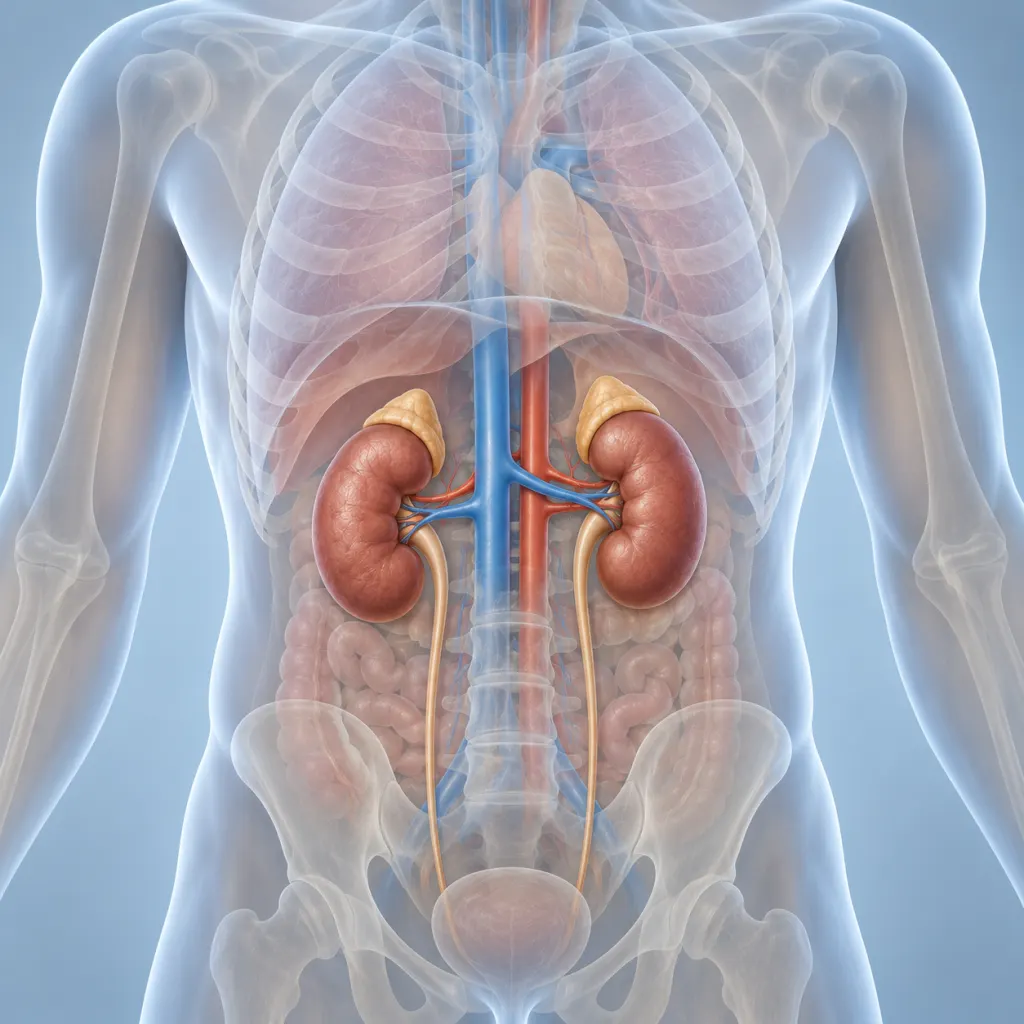
The two kidneys sit below the rib cage and filter blood continuously, removing waste products and extra fluid that leave the body as urine. They also help make red blood cells by releasing a hormone called erythropoietin, help keep bones healthy by activating vitamin D, and help balance minerals such as sodium and potassium. Because these jobs touch so many systems, a decline in kidney function can show up in unexpected places, from the skin to sleep patterns, rather than as an obvious "kidney" problem.
According to the National Institute of Diabetes and Digestive and Kidney Diseases (NIDDK), early chronic kidney disease usually causes few or no symptoms, and many of the signs that do appear are easy to attribute to stress, aging, or a busy week. That is precisely why a cluster of the patterns below, especially alongside a risk factor like diabetes or a family history of kidney disease, is worth mentioning to a clinician rather than waiting to see if it resolves on its own.
19 Unusual Signs Linked to Kidney Trouble
- Fatigue that persists despite rest. Reduced red blood cell production and waste buildup can leave the body feeling drained no matter how much sleep you get.
- General weakness and low energy. Often accompanies the same reduced oxygen delivery seen in kidney-related anemia.
- Shortness of breath. Can occur when fluid the kidneys would normally clear builds up, or when anemia limits oxygen delivery.
- Swelling in the feet, ankles, or hands. A well-recognized sign of fluid the kidneys are not clearing efficiently.
- Puffy or swollen eyelids, especially in the morning. Fluid can also collect around the eyes when the kidneys' filtering units are inflamed or damaged.
- Unexplained weight gain from fluid retention. The scale can move up quickly when the body holds onto extra fluid.
- Persistently foamy urine. Excess protein leaking into urine can create foam that lingers, unlike the brief bubbles from a fast stream.
- Urinating more often than usual, including at night. Reflects a change in how the kidneys concentrate urine.
- Itchy skin. Waste products that healthy kidneys would filter out can build up and irritate the skin.
- Reduced appetite. A common but nonspecific sign that can accompany declining kidney function.
- Trouble concentrating or a foggy feeling. Listed among the effects tied to kidney-related anemia.
- Unusually pale skin. A visible sign of the anemia that often develops alongside declining kidney function.
- Headaches. Included among the recognized symptoms of kidney-related anemia.
- Trouble sleeping. Sleep disturbances are a recognized symptom of kidney-related anemia.
- Muscle weakness and body aches. Another symptom pattern linked to kidney-related anemia.
- Chest discomfort. Can accompany kidney-related anemia; sudden or severe chest pain always needs urgent evaluation.
- Dizziness. Listed as a symptom that can accompany kidney-related anemia.
- Blood pressure readings that are newly elevated or harder to predict. The kidneys help balance the fluid and hormones that influence blood vessels.
- No noticeable symptoms at all. Many people with early kidney function decline feel completely normal, which is why testing matters more than symptom-watching.

Signs Tied to Fluid Buildup
When the kidneys are not clearing fluid efficiently, that fluid has to go somewhere. It commonly collects in the lower legs, ankles, and feet, producing the swelling many people notice first when shoes feel tight by the end of the day. The National Institute of Diabetes and Digestive and Kidney Diseases notes that fluid can also collect around the eyes, producing puffy eyelids, and that unexplained weight gain can happen quickly when the body retains excess fluid rather than storing fat.
Signs Tied to Anemia and Reduced Oxygen Delivery
The kidneys release a hormone called erythropoietin that signals bone marrow to produce red blood cells. When kidney function declines, erythropoietin production drops, and fewer red blood cells are made, a condition clinicians call anemia of chronic kidney disease. The NIDDK lists fatigue, shortness of breath, unusually pale skin, weakness and body aches, chest discomfort, dizziness, headaches, sleep disturbances, and trouble concentrating among the recognized symptoms of this type of anemia, which helps explain why kidney-related fatigue often comes bundled with several of these other signs rather than appearing alone.

Signs Tied to Waste and Toxin Buildup
Healthy kidneys filter waste products out of the bloodstream before they can accumulate. When that filtering slows down, those waste products can irritate the skin, contributing to the itching that Cleveland Clinic lists among common CKD symptoms, and can dull appetite. Changes in urine itself are also a direct signal: persistently foamy urine can mean protein is leaking through damaged filtering units, a pattern measured directly by the urine albumin-to-creatinine ratio test described by the NIDDK, while needing to urinate more often, including overnight, reflects a change in how concentrated the kidneys are able to make urine.
Kidney Signs Versus Everyday Explanations

Who Is Most Likely to Notice These Signs
Some people are more likely to develop the changes described above. According to the CDC and Cleveland Clinic, risk is higher for people with diabetes, people with a history of elevated blood pressure readings, people with heart disease, and people with a close family member who has had kidney disease. Age over 60, long-term use of nonsteroidal anti-inflammatory drugs (NSAIDs) such as ibuprofen or naproxen, smoking, and obesity are also associated with higher risk. The CDC notes that diabetes and elevated blood pressure together account for about two-thirds of new kidney failure diagnoses in the United States, which is why people in these groups are typically advised to test regularly even without symptoms.
Getting Tested: What the Numbers Mean
Because early kidney function decline so often causes no symptoms, testing is the only reliable way to know how the kidneys are working. The NIDDK describes two main tests: a blood test that estimates glomerular filtration rate (GFR), where a result of 60 or higher is generally in the normal range and a result below 60 can indicate kidney disease, and a urine test called the albumin-to-creatinine ratio (UACR), where a result of 30 milligrams per gram or less is considered normal. A clinician typically orders both together, along with a routine blood pressure reading, and can explain what a specific result means for an individual's situation.
When to Seek Care Promptly
Most of the signs on this list develop gradually and are worth discussing at a routine appointment. Some changes deserve prompt medical attention rather than a wait-and-see approach: passing very little or no urine, sudden or severe shortness of breath, chest pain, confusion or new difficulty staying alert, or swelling that develops very quickly over a day or two. Anyone experiencing these should contact a clinician promptly or seek emergency care.
Wrap-Up
Most of the signs described here, fatigue, swelling, itching, changes in urine, have everyday explanations that have nothing to do with the kidneys. What sets kidney-related patterns apart is that they tend to persist, cluster together, and show up alongside risk factors such as diabetes, elevated blood pressure readings, or a family history of kidney disease. Because early kidney disease so often produces no noticeable symptoms, the only reliable way to know how the kidneys are functioning is a simple blood test for glomerular filtration rate (GFR) and a urine test for albumin. Anyone noticing several of these signs together, or who falls into a higher-risk group, can raise it with a clinician, who can order the right tests and explain what the results mean for their personal situation.
Frequently Asked Questions
- → Can these signs come from something other than kidney trouble?
- Yes. Nearly every sign on this list, including fatigue, swelling, and itching, has common, harmless explanations, from a poor night's sleep to a salty meal. That overlap is exactly why a blood and urine test, not symptom-watching alone, is the reliable way to check kidney function.
- → What tests actually check kidney function?
- The two main tests are a blood test for glomerular filtration rate (GFR), which estimates how well the kidneys filter blood, and a urine test called the albumin-to-creatinine ratio (UACR), which checks for protein leaking into urine. A clinician may also record a blood pressure reading during the same visit.
- → At what age should routine kidney testing start?
- People with diabetes, a history of elevated blood pressure readings, heart disease, or a family history of kidney disease are generally advised to get tested regularly regardless of age. For others, a clinician can advise on timing based on individual health history.
- → Is early kidney function decline permanent?
- Not necessarily. The earlier a change in kidney function is identified through testing, the more options a clinician typically has to help protect the kidney function that remains. Personal treatment decisions should always be made with a qualified health professional.
- → Why does declining kidney function cause itching and skin changes?
- Healthy kidneys filter waste products out of the blood. When filtering declines, those waste products can build up and irritate nerve endings in the skin, which clinicians recognize as a symptom of reduced kidney function.
References
This content was developed and refined using reliable sources.
- https://www.niddk.nih.gov/health-information/kidney-disease/chronic-kidney-disease-ckd
- https://www.niddk.nih.gov/health-information/kidney-disease/anemia
- https://www.niddk.nih.gov/health-information/kidney-disease/chronic-kidney-disease-ckd/tests-diagnosis
- https://www.niddk.nih.gov/health-information/kidney-disease/nephrotic-syndrome-adults
- https://www.cdc.gov/kidney-disease/about/index.html
- https://my.clevelandclinic.org/health/diseases/15096-chronic-kidney-disease
- https://medlineplus.gov/chronickidneydisease.html