 Save
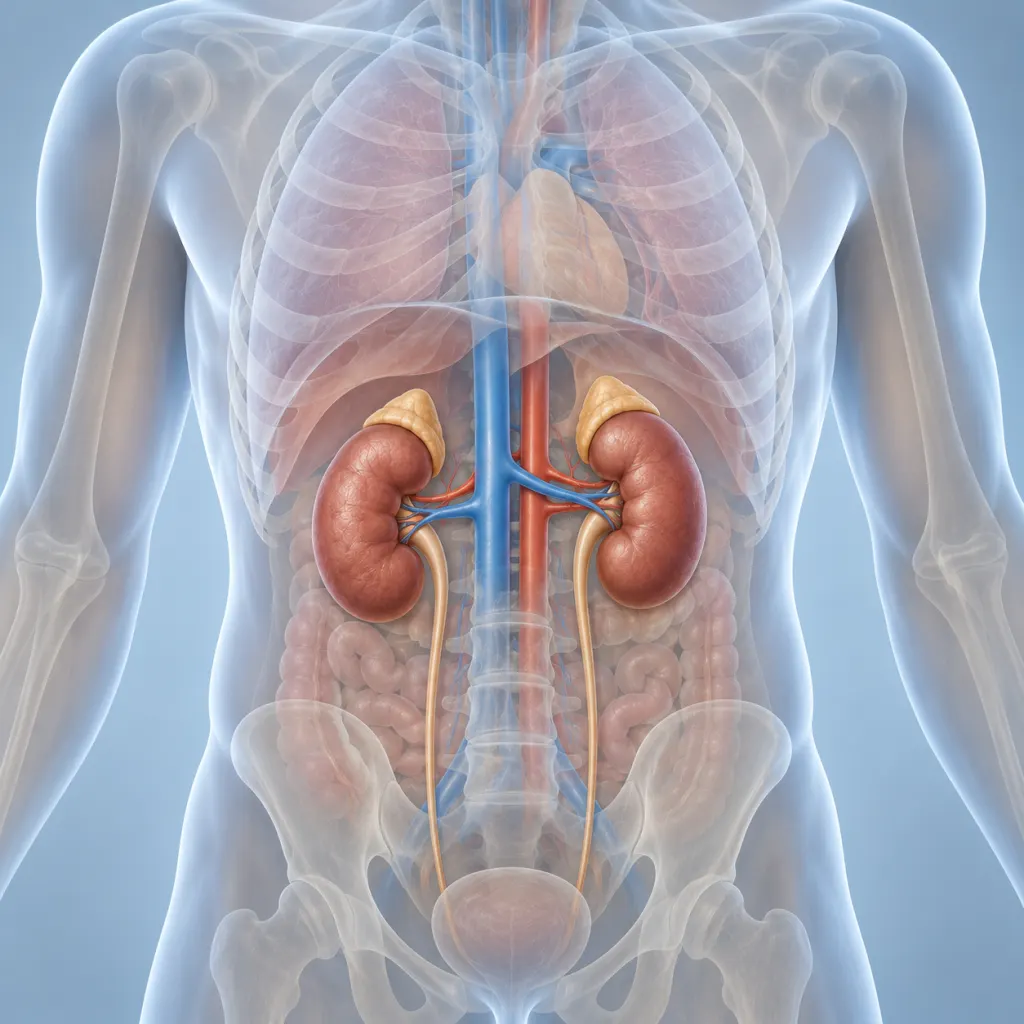
Feeling bloated or sluggish is often blamed on a backed-up digestive system, and it is tempting to look for a fast fix that promises results overnight. There is no medical evidence that the body needs an extreme, rapid program to work properly. What is well supported is a set of gradual, everyday habits, enough fiber, enough fluids, regular movement, and a consistent bathroom routine, that help keep digestion comfortable and regular over time.
Step 1: Add more fiber to your meals, gradually
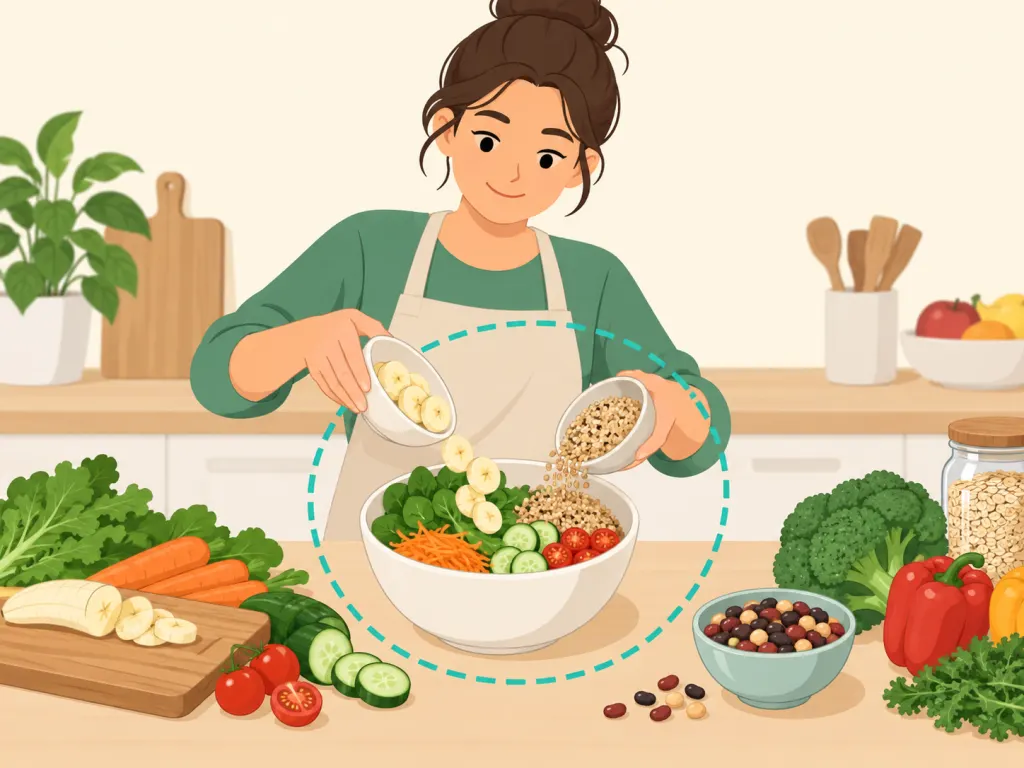
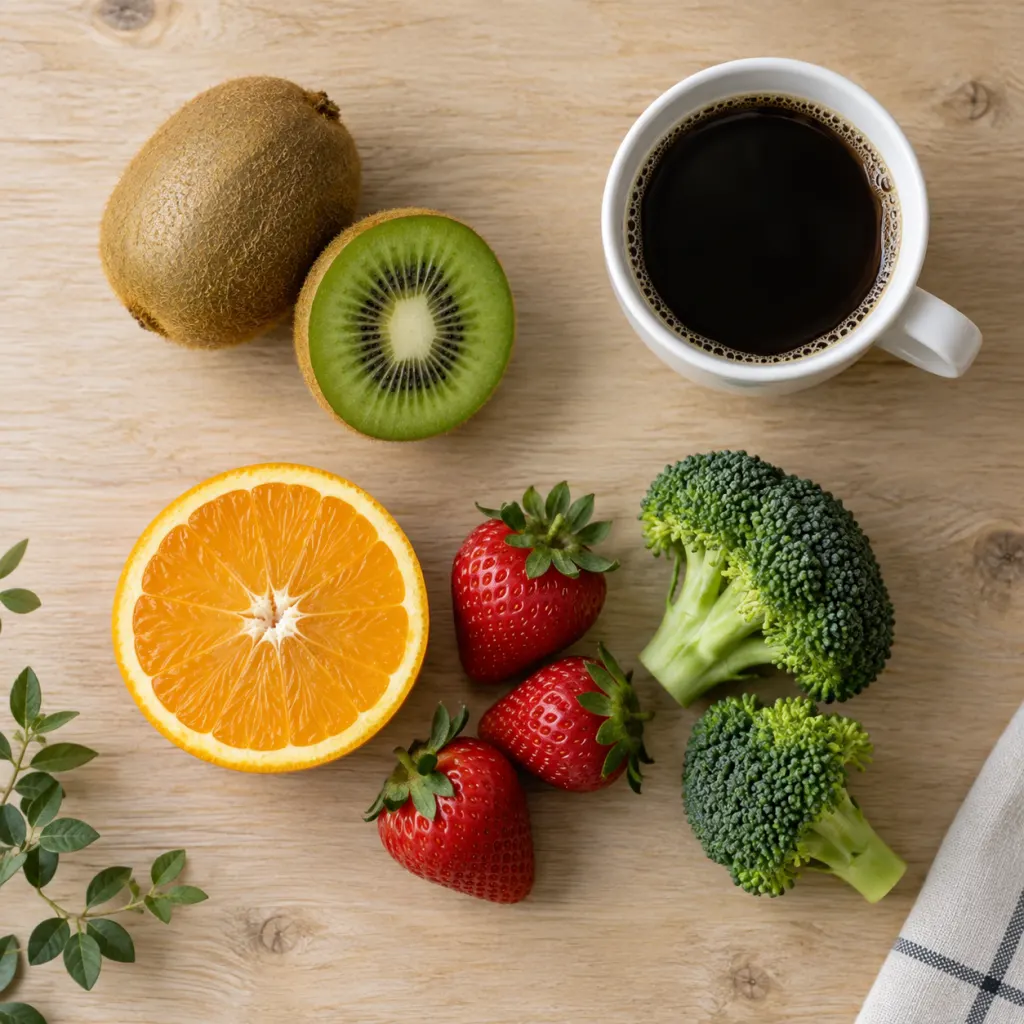
Fruits, vegetables, whole grains, and legumes all add dietary fiber that bulks and softens stool, making it easier to pass. Build up your intake over several days rather than all at once, foods like berries, oats, broccoli, and beans are good places to start.
Step 2: Drink enough fluids throughout the day

Fiber needs water to do its job, and dehydration on its own can make stool harder to pass. Self-care guidance from medical sources points to roughly 8 to 10 cups of fluid a day, mainly water, with more needed in hot weather or after exercise.
Step 3: Move your body most days

Physical activity helps stimulate the muscles that move stool through the bowel. A brisk daily walk can help, and the general activity guideline for adults is about 150 minutes of moderate-intensity movement spread across the week.
Step 4: Build a consistent bathroom routine

Give yourself unhurried time to use the bathroom, ideally around the same time each day, such as shortly after a meal. Respond to the urge when it happens rather than delaying it, and avoid sitting for a long time straining.
Resting your feet on a low stool so your knees sit higher than your hips can straighten the angle of the lower bowel and make it easier to pass stool, a tip noted by gastroenterology guidance. It costs nothing to try alongside your other habits.
Step 6: Include probiotic-rich foods
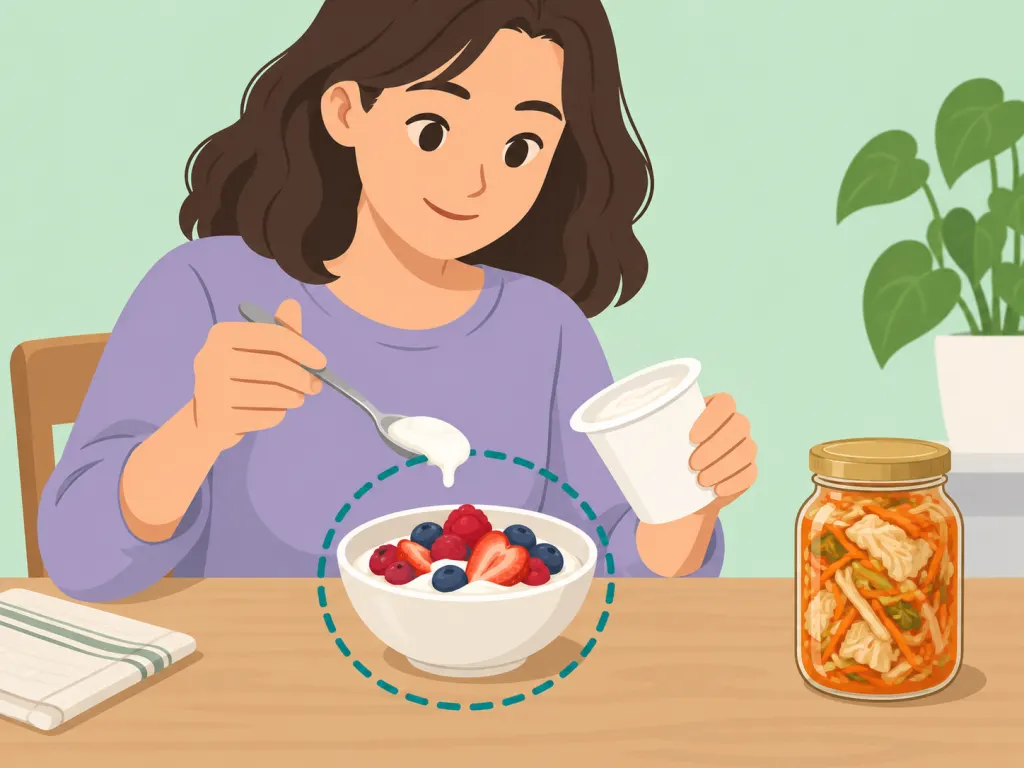
Low-fat yogurt and other fermented foods contain live cultures that some research links to more regular digestion. They are a reasonable addition to a fiber- and fluid-rich diet, though they are not a substitute for the basics.
Step 7: Cut back on ultra-processed and fried foods
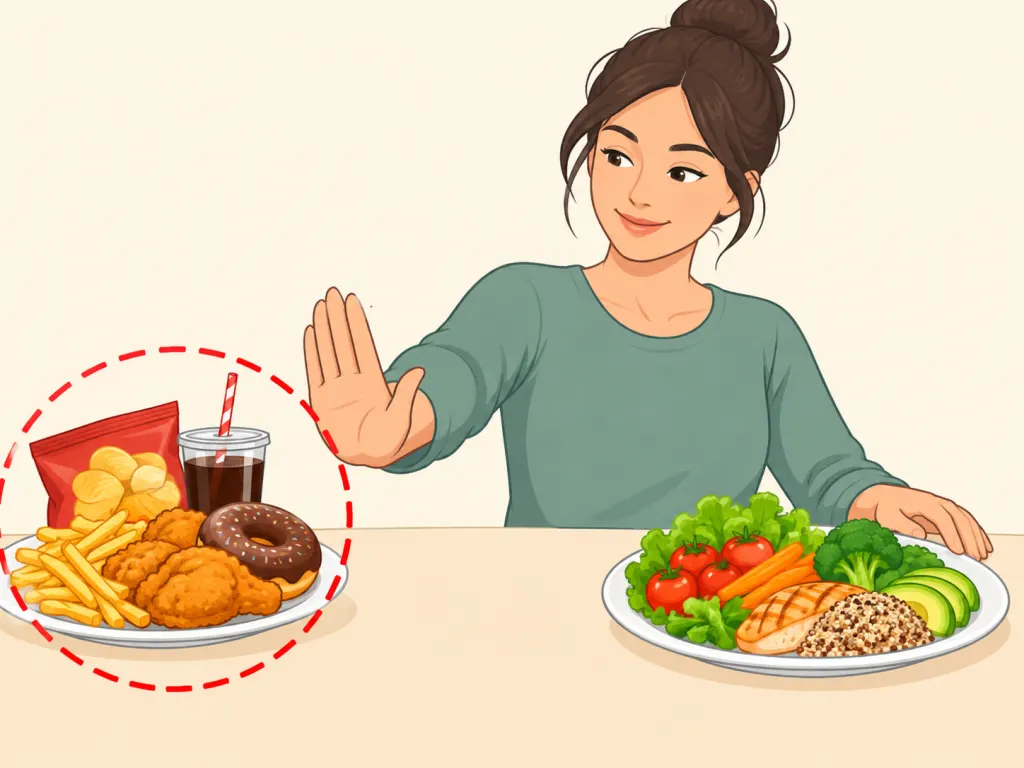
Highly processed, high-fat, and fried foods tend to be low in fiber and are commonly associated with harder, less frequent stools. Swapping some of these for whole foods and limiting alcohol supports the changes above.
Step 8: Know when to see a doctor

Most occasional constipation improves within days to a couple of weeks of these habits. According to NHS guidance, contact a doctor if constipation does not respond to self-care, lasts longer than three weeks, or comes with blood in the stool, unexplained weight loss, severe pain, or a sudden change in bowel habits.
Wrap-Up
The bottom line: regular, comfortable digestion comes from steady daily habits, not a single overnight fix. Add fiber slowly, drink enough fluids, stay active, and give your body a consistent bathroom routine. If constipation does not improve or comes with pain, bleeding, or weight loss, talk to a doctor.
Frequently Asked Questions
- → How much fiber should adults eat each day to support digestion?
- General guidance from UK health authorities points to about 30 grams of fiber a day for adults, from foods such as whole grains, fruits, vegetables, and legumes. Increase your intake gradually, since a sudden jump can cause bloating or gas. Ask a healthcare provider for a target suited to you.
- → How much water do I need to drink to help with regularity?
- Medical self-care guidance suggests roughly 8 to 10 cups (about 2 to 2.5 liters) of fluids a day, mostly water, especially as you increase fiber intake. Individual needs vary with activity level, climate, and health conditions.
- → Can exercise really make a difference for bowel regularity?
- Yes. Physical activity, even a short daily walk, is associated with more regular bowel movements, and national guidelines recommend adults get about 150 minutes of moderate-intensity activity a week for overall health.
- → Do probiotic foods like yogurt help with digestion?
- Some evidence suggests that fermented, probiotic-rich foods such as low-fat yogurt may support regularity as part of a balanced diet, though research on specific probiotic supplements is more limited.
- → What foods make constipation worse?
- Highly processed foods, fried foods, and diets low in fiber and fluids are commonly linked with harder, less regular stools. Cutting back on these while increasing fiber and water can help.
- → When should I see a doctor about constipation?
- See a doctor if constipation lasts more than a few days despite home changes, or if it comes with blood in the stool, unexplained weight loss, severe abdominal pain, or if it started after beginning a new medication.
- → Is it safe to use over-the-counter laxatives?
- Occasional use of stool softeners or laxatives is generally considered safe for short-term relief, but they should be used as directed and alongside adequate fluids. Talk to a healthcare provider before relying on them regularly.