 Save
There is no universal medical rule that says you must shower once a day, and there is no rule that says a few times a week is automatically wrong either. For most healthy adults with a typical daily routine, showering once a day is common practice, but dermatologists agree that daily bathing is not medically required and is not automatically better for skin. How often you actually need to shower depends on how much you sweat, how oily or dry your skin runs, your climate, your age, and whether you have a diagnosed skin condition such as eczema. This guide walks through what dermatology and public-health sources say about shower frequency, a practical range for common situations, and how to shower in a way that protects your skin barrier instead of stripping it.
Why There Is No Single Right Shower Schedule
Cleveland Clinic dermatologist Shilpi Khetarpal, MD, puts it plainly: “There's not just one 'right' answer. It really depends on the person and their situation.” Someone who works outdoors in summer heat, trains daily, or has naturally oily skin will generally need to rinse off more often than someone with a low-activity indoor routine and dry or sensitive skin. Shower frequency is a personal-care decision shaped by lifestyle and skin biology, not a fixed hygiene law.
Showering does have a real job to do. It removes sweat, shed skin cells, oil, and the dirt, pollen, and pollutants skin picks up during the day, and it helps limit body odor and the bacteria that can contribute to breakouts or skin irritation. That is why people who sweat heavily, work in dusty or dirty environments, or have close physical contact through activities like contact sports usually benefit from showering daily or right after the activity, even if a daily shower is not universally necessary.
What Happens to Skin When You Shower Too Often
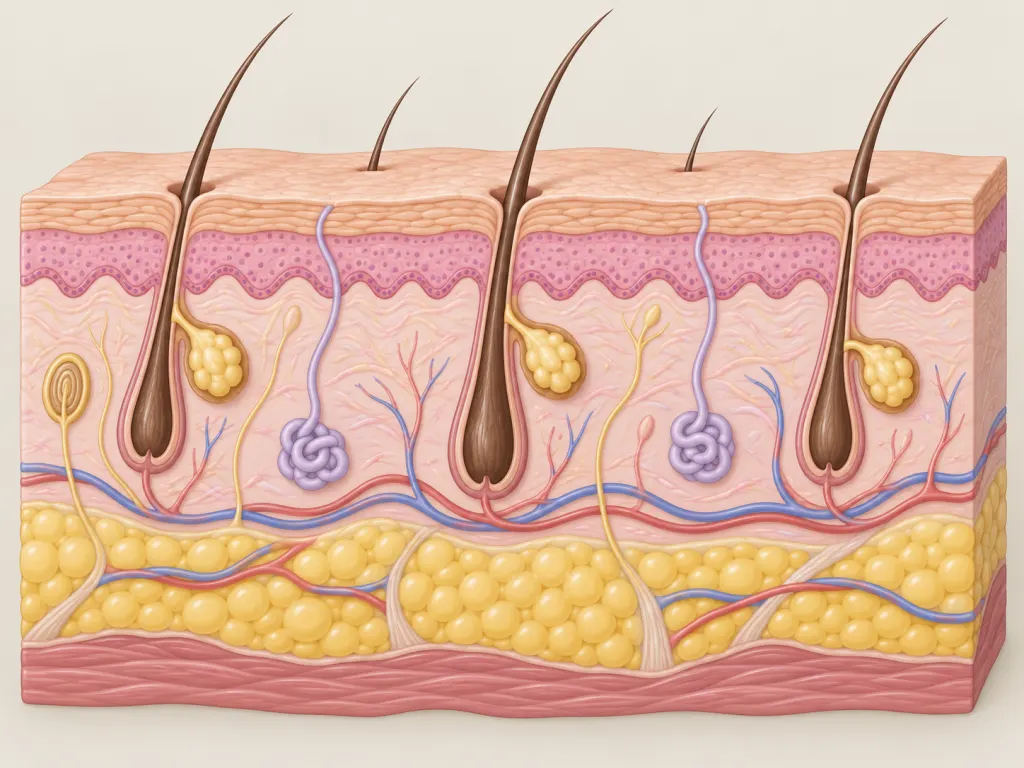
Skin protects itself with a thin layer of natural oils and a barrier of lipids that hold moisture in and irritants out. Long or frequent showers, especially in hot water, can strip that oily layer faster than skin can rebuild it. The American Academy of Dermatology recommends limiting baths and showers to about five to ten minutes using warm, not hot, water to help prevent this kind of damage. MedlinePlus similarly lists bathing too often or too long as a direct cause of dry, scaly, itchy skin, alongside harsh soaps and cold, dry air. Once the skin barrier is compromised, tightness, flaking, redness, and itching commonly follow, and existing conditions such as eczema can flare.
A Practical Frequency Guide by Life Stage and Activity
There is no single number that fits everyone, but the following ranges reflect common dermatology guidance with reasonable adjustments for activity, skin type, and age:
- Most healthy adults with a typical daily routine: once a day is a common habit, though showering every other day is generally enough to stay clean if activity level is low and skin runs dry.
- People who exercise, sweat heavily, or work physically demanding jobs: a shower during or after activity helps clear sweat and reduce odor, body acne, and bacterial or fungal skin irritation.
- Dry, sensitive, or eczema-prone skin: showering less often, with lukewarm water and a gentle cleanser, gives natural oils more time to rebuild the skin barrier.
- Older adults: skin naturally thins and produces less oil with age, so a full shower every two to three days, with daily cleansing of the face, underarms, and groin, is often enough and gentler on skin.
- Babies and young children: two to three baths a week is generally sufficient unless a child is visibly dirty, sweaty, or has been swimming, since young skin dries out easily.
- Tweens, teens, and anyone managing body odor or acne: daily showers along with regular face washing are usually recommended once puberty increases oil and sweat production.

How to Shower Without Drying Out Your Skin
If you prefer or need to shower daily, you can do it in a way that protects your skin barrier. Guidance from the American Academy of Dermatology and MedlinePlus converges on the same core habits:
- Keep showers to about five to ten minutes.
- Use warm, not hot, water, since hot water speeds up oil loss.
- Choose a gentle, fragrance-free cleanser instead of harsh deodorant soap, and skip rough loofahs or scrub brushes on already-dry skin.
- Limit soap to areas that actually need it, such as the face, underarms, groin, and feet, rather than lathering the entire body every time.
- Pat skin dry with a towel instead of rubbing it.
- Apply a fragrance-free moisturizer within a few minutes of stepping out, while skin is still slightly damp.
These are the same steps dermatologists recommend specifically for preventing and managing dry skin, so they are useful whether you shower daily or only a few times a week.
Signs You Are Overdoing It, or Not Doing Enough
Skin usually signals when a routine is not working. Consider showering less often, shortening showers, or lowering the water temperature if you notice persistent dryness, flaking, tightness right after bathing, redness, or an eczema flare. On the other hand, consider showering more often if you are dealing with ongoing body odor, visible sweat buildup, body acne, greasy hair or skin, or itching in skin folds such as the underarms or groin, since these usually point to a need for more frequent cleansing rather than less.

Children, Older Adults, and Diagnosed Skin Conditions
Some groups need more tailored guidance than a general rule can offer. Infants and toddlers have thinner, more delicate skin that loses moisture faster than adult skin, which is why a few baths a week is usually favored over daily bathing for children who are not yet very active or sweaty. At the other end of life, skin naturally produces less oil and becomes thinner, so mild soap, warm rather than hot water, and daily moisturizing tend to matter more than shower frequency for older adults managing dry or itchy skin. People with a diagnosed skin condition such as eczema, psoriasis, or rosacea often have a bathing plan from their dermatologist that is more specific than general population advice, and that individualized plan should take priority over the general ranges described here.
When to Talk to a Doctor or Dermatologist About Your Skin
Most changes in shower frequency are a matter of comfort and trial and error, but a few signs call for professional input rather than self-adjustment. See a doctor or dermatologist if dry skin cracks, bleeds, or does not improve within a few weeks of gentler bathing and regular moisturizing, if a rash spreads or oozes, if you suspect a fungal or bacterial skin infection, or if a change in body odor appears alongside other symptoms such as fatigue or unexplained weight change. A clinician can help determine whether a skin condition, rather than your shower habits, is driving symptoms like itching or flaking, and can recommend a bathing routine suited to your specific skin.
Wrap-Up
How often you should shower depends on activity level, skin type, age, and climate rather than a single fixed rule. Most healthy adults do fine showering once a day or every other day, people who sweat heavily or work physically demanding jobs benefit from showering after activity, and people with dry, sensitive, or aging skin often do better with fewer, shorter, cooler showers plus regular moisturizing. Whatever schedule you choose, keeping showers brief, using warm rather than hot water, and moisturizing afterward protects your skin barrier and helps you avoid both the discomfort of dry skin and the problems that come from under-washing.
Frequently Asked Questions
- → Is it bad to shower every day?
Not necessarily. Daily showers are fine for most people as long as they are kept short, use warm rather than hot water, and are followed by moisturizer. Daily showers become more likely to cause dryness or irritation mainly when they are long, very hot, or paired with harsh soap.
- → Can I skip showering for a few days without it being unhygienic?
For many adults with lower sweat levels and typical daily activity, going a day or two between showers is generally fine for hygiene, as long as the face, underarms, and groin are still washed daily. People who sweat heavily, work physically demanding jobs, or have skin conditions requiring more frequent washing may need a different routine.
- → How often should babies and young children be bathed?
Most babies and young children only need a bath two to three times a week unless they are visibly dirty, sweaty, or have just been swimming. Their skin is thinner and more prone to drying out than adult skin, so frequent full baths are not usually necessary.
- → Does showering less often help with dry skin or eczema?
It can. Showering less often, using lukewarm rather than hot water, choosing a gentle cleanser, and moisturizing right after bathing all give the skin barrier more time to hold onto natural oils. Anyone with a diagnosed skin condition should still follow their dermatologist's specific bathing plan.
- → What water temperature and shower length are best for skin health?
Dermatology sources generally recommend warm, not hot, water and showers of about five to ten minutes. Hot water and longer showers strip protective oils faster than skin can replace them, increasing the risk of dryness and irritation over time.
- → Should older adults shower less often than younger adults?
Often, yes. Skin naturally thins and produces less oil with age, so many older adults are more comfortable with a full shower every two to three days, combined with daily washing of the face, underarms, and groin, plus regular moisturizing.