 Save
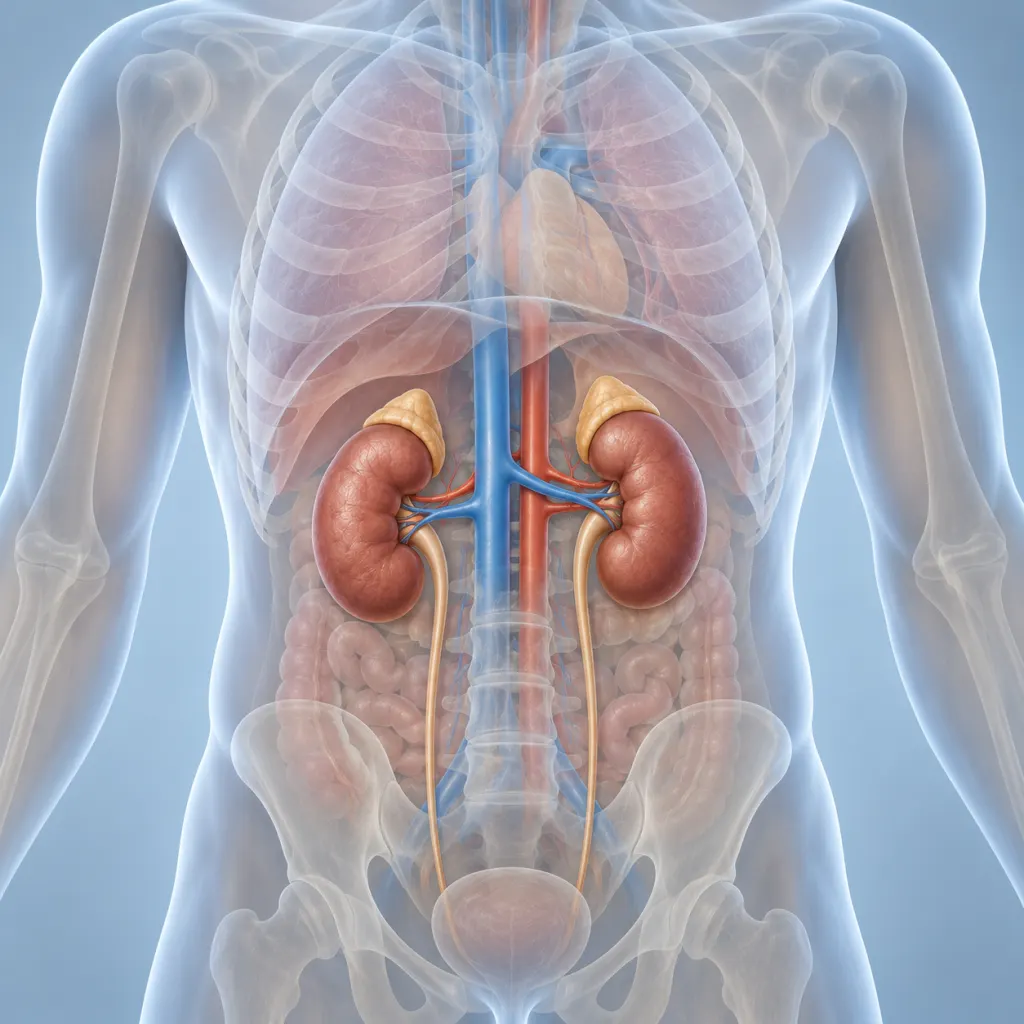
Metoprolol is a beta blocker that doctors prescribe for high blood pressure, chest pain, irregular heart rhythms, and after a heart attack. As the body adjusts to the medication, many people notice new sensations like tiredness or dizziness, and it can be reassuring to know which effects are commonly reported and which ones need a call to the doctor. This guide walks through the effects people mention most often, using information from established health organizations, so you know what to watch for and how to respond.
Step 1: Watch for unusual tiredness or weakness
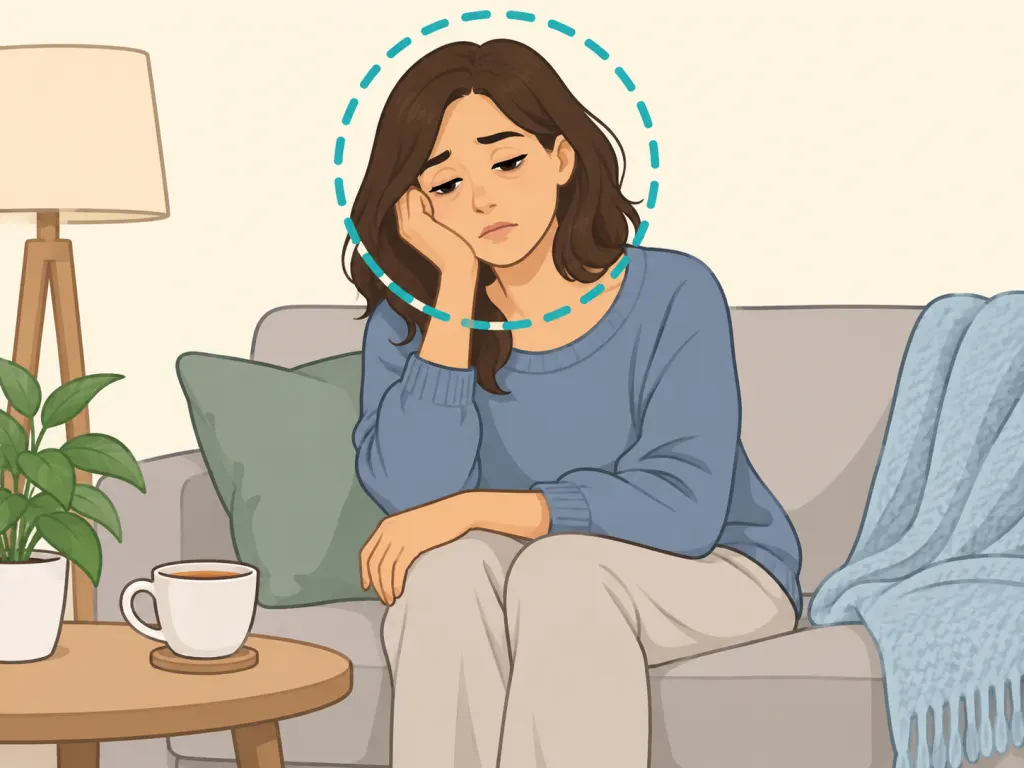
Fatigue is one of the effects people mention most often with metoprolol, according to MedlinePlus. It happens because the medication slows the heart rate, which can make the quick energy boost you're used to during activity feel less available. Many people find it improves over the first few weeks, and staying consistent with light activity such as short walks can help you feel steadier.
Step 2: Notice dizziness or lightheadedness when you stand up
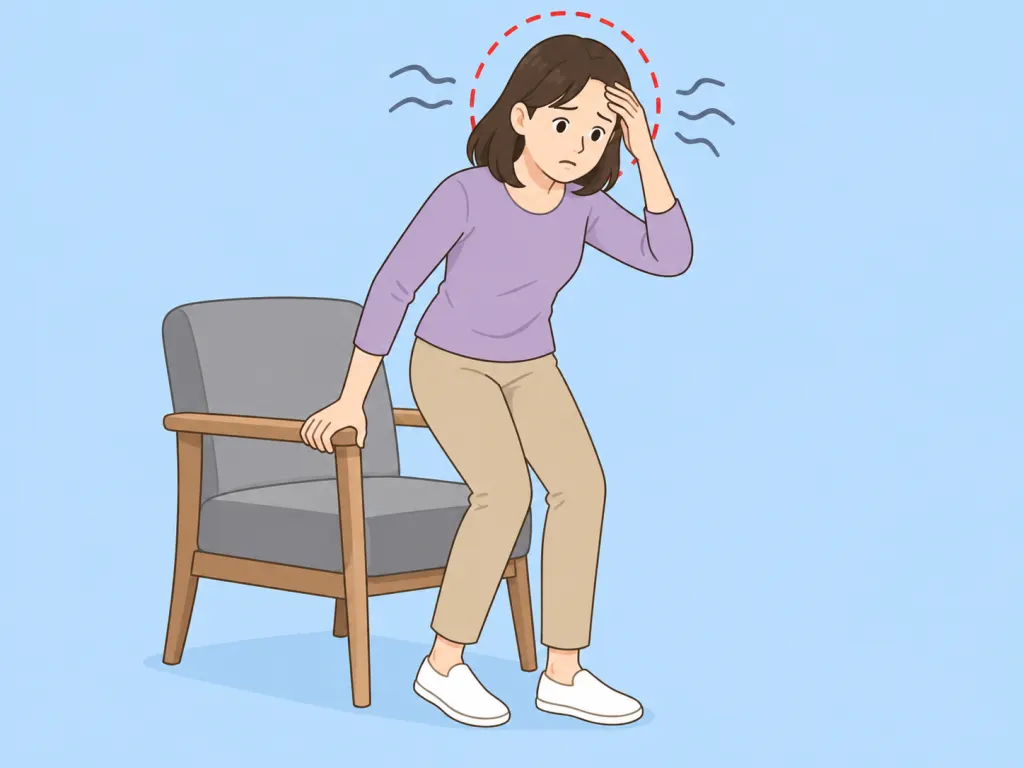
Some people feel dizzy or lightheaded, especially when rising from sitting or lying down. The NHS lists this among the common effects and advises avoiding driving or operating machinery if you feel this way.
Step 3: Pay attention to your heartbeat

Metoprolol is meant to slow the heart rate as part of how it works, but a heartbeat that feels unusually slow, fast, pounding, or irregular is a sign to contact your doctor. MedlinePlus lists a rapid, pounding, or irregular heartbeat among the effects that need prompt medical attention.
Step 4: Track headaches
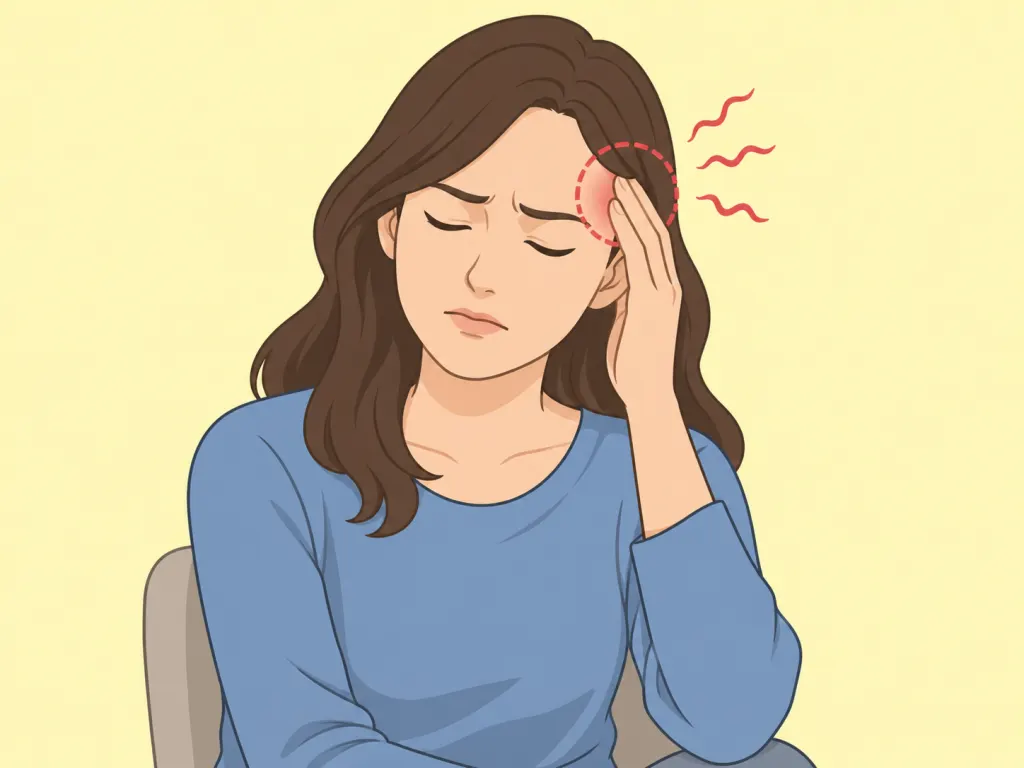
Headaches are reported by more than 1 in 100 people taking metoprolol, according to the NHS. Resting, staying hydrated, and appropriate over-the-counter pain relief may help, but let your doctor know if headaches are frequent or severe.
A number of people notice shifts in mood, including feelings of depression, while taking metoprolol. Cleveland Clinic lists worsening mood as an effect to report to your care team so they can review whether any adjustment to your treatment plan is needed.
Step 6: Watch for digestive symptoms like nausea or diarrhea

Nausea, stomach discomfort, vomiting, and diarrhea are commonly reported with metoprolol. The NHS suggests eating smaller, simpler meals and drinking enough water to avoid dehydration if these symptoms occur.
Step 7: Check for cold hands and feet, and changes in skin or vision

Cold hands and feet are a frequently reported effect, linked to reduced blood flow to the extremities, according to the NHS, which recommends keeping warm and avoiding smoking or excess caffeine. Less often, people notice itching, a mild rash, or blurred vision, which are worth mentioning at your next appointment.
Step 8: Know the signs that need urgent medical attention
Seek prompt medical care for shortness of breath, swelling in the hands, feet, ankles, or lower legs, sudden weight gain, fainting, new or worsening chest pain, or wheezing. Call emergency services right away for signs of a severe allergic reaction, such as swelling of the lips or throat or trouble breathing, as described by NHS and MedlinePlus.
Step 9: Never stop metoprolol without talking to your doctor first

Even if side effects are bothersome, do not stop taking metoprolol on your own. Both the NHS and MedlinePlus warn that stopping suddenly can make an underlying heart condition worse. Your doctor can adjust the dose gradually or consider other options if a side effect is hard to manage.
Wrap-Up
The bottom line: mild fatigue, dizziness, cold hands, headaches, and stomach upset are the effects most people report with metoprolol, and many ease within a few weeks. Keep an eye on your heartbeat, mood, and circulation, seek prompt care for warning signs like fainting or swelling, and always talk to your doctor before changing or stopping the dose.
Frequently Asked Questions
- → Does every side effect mean I should stop taking metoprolol?
- No. Many mild effects, like tiredness or a dry mouth, tend to ease as your body adjusts over the first few weeks. Still, mention anything that bothers you to your doctor rather than deciding to stop or change the dose yourself.
- → How soon after starting metoprolol do side effects usually show up?
- According to MedlinePlus, effects such as tiredness and dizziness are most often noticed in the early weeks of treatment and frequently settle down as your system adjusts.
- → Is it normal for my hands and feet to feel cold on metoprolol?
- Cold hands and feet are a commonly reported effect because the medication can reduce blood flow to the extremities, according to the NHS. Keeping warm and avoiding smoking or excess caffeine can help.
- → Can metoprolol affect my mood?
- Some people notice mood changes or feelings of depression while taking metoprolol. Cleveland Clinic lists worsening mood as an effect worth reporting to your care provider so they can review your treatment plan.
- → What should I do if I miss a dose?
- The NHS advises taking a missed dose as soon as you remember, unless your next dose is nearly due, in which case you skip the missed one. Never take a double dose to make up for it.
- → When should I seek emergency care while taking metoprolol?
- Get urgent help for a very slow, irregular, or pounding heartbeat, fainting, shortness of breath, sudden swelling or weight gain, chest pain, or signs of a severe allergic reaction such as a swollen throat.
- → Can I just stop taking metoprolol if the side effects bother me?
- No. Both MedlinePlus and the NHS warn that stopping metoprolol suddenly can make your underlying heart condition worse. Always talk to your doctor first so they can adjust your treatment safely.