 Save
A sudden, tight cramp in the calf, foot, or thigh that jolts you awake is almost always a nocturnal leg cramp: a brief, involuntary muscle contraction that is common and usually harmless. According to the Cleveland Clinic, as many as 60% of adults experience leg cramps at night at some point, and the calf is the muscle most often affected. Most nighttime cramps ease within a few minutes and respond well to gentle stretching, hydration, and simple prevention habits such as regular stretching and supportive footwear. Less often, cramps that happen very frequently are linked to conditions such as poor leg circulation, diabetes-related nerve changes, kidney disease, or certain medications, which is why cramps that keep recurring are worth discussing with a doctor. This guide explains what triggers nighttime leg cramps, how to relieve one safely while it is happening, prevention steps supported by health authorities, and the signs that call for medical evaluation.
What a Nighttime Leg Cramp Actually Is
A muscle cramp differs from an ordinary contraction because the muscle tightens suddenly and does not release right away, producing the sharp, knotted sensation felt in the back of the calf or the arch of the foot. MedlinePlus, from the National Library of Medicine, describes cramps as sudden, involuntary muscle spasms that are common and usually resolve on their own within a few minutes.
Nighttime leg cramps specifically happen during rest or sleep rather than during exercise, and they most often involve the calf, though the foot or thigh can cramp as well. The Cleveland Clinic notes that up to 60% of adults and up to 40% of children and teenagers experience these cramps, and that they become more common with age because tendons naturally shorten over time. A cramp at night can wake you from sleep, make it harder to fall back asleep, and leave the muscle feeling sore the next day.
Common Causes of Leg Cramps at Night
Most nighttime leg cramps have no single identifiable cause and are thought to result from a combination of muscle fatigue, nerve signaling changes during sleep, and long periods of inactivity. MedlinePlus and the Cleveland Clinic point to several everyday factors that make cramps more likely:
- Sitting or standing for long periods, including work on hard or concrete floors
- Muscle overuse or unaccustomed exercise earlier in the day
- Dehydration or reduced fluid intake
- Low levels of magnesium, potassium, or calcium in the diet
- Pregnancy, particularly in the second and third trimesters
- Certain medications, including some diuretics and blood pressure drugs
- Age-related shortening of tendons, which makes cramps more common in older adults
In a smaller number of cases, recurring cramps are associated with an underlying medical condition rather than everyday habits alone, which is covered later in this article.

Immediate Relief: Steps for an Active Cramp
When a cramp wakes you up, the instinct to stay still usually prolongs the discomfort. MedlinePlus and the Cleveland Clinic both recommend gently stretching and massaging the muscle rather than waiting for it to pass on its own.
For a calf cramp, sit up, straighten the affected leg, and use your hand or a towel to pull the top of your foot toward your knee until the stretch eases the tightness. Standing up and putting gentle weight on the leg, or walking a few steps, can also help the muscle release. Massaging the area in slow, firm circles encourages relaxation, and a warm compress can loosen a tight muscle, while a cold pack afterward may ease lingering soreness. Over-the-counter pain relief can help if the area stays sore once the cramp has passed. Most cramps ease within a few minutes; if a cramp does not improve, becomes unbearably painful, or lasts longer than about ten minutes, the Cleveland Clinic advises seeking medical care rather than waiting it out.
Prevention Habits Backed by Research
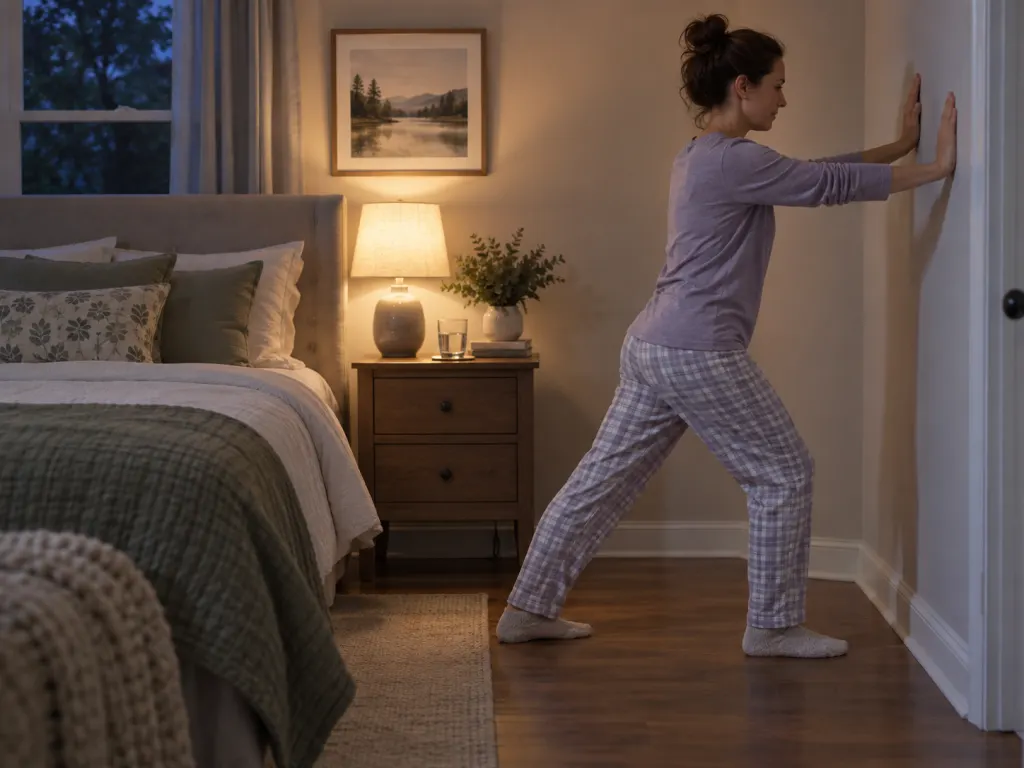
Because most nighttime cramps are tied to everyday habits, small routine changes can meaningfully reduce how often they occur. Gentle stretching of the calves and the front of the thighs before bed is one of the most consistently recommended steps, since a relaxed, warmed-up muscle is less likely to seize during sleep.
Staying hydrated throughout the day, rather than only when thirsty, supports normal muscle contraction and relaxation. Light activity in the evening, such as a short walk or a few minutes on a stationary bike, helps some people. Supportive, well-fitted shoes reduce strain on the calf and foot muscles during the day, and loosening tightly tucked-in blankets that force the foot into a pointed position overnight may reduce nighttime triggers for some people. None of these habits guarantee that cramps will stop entirely, but they address the most common everyday contributors identified by MedlinePlus and the Cleveland Clinic.
Diet and Minerals: What the Evidence Shows
Magnesium, potassium, and calcium all play roles in how muscles contract and relax, and MedlinePlus lists low levels of these minerals among the recognized causes of muscle cramps. A varied diet that includes leafy green vegetables, nuts, seeds, beans, dairy products, and fruits such as bananas provides these minerals for most healthy adults without needing a supplement.
Evidence on whether mineral supplements reliably prevent nighttime leg cramps in people who are not deficient is mixed. Anyone considering a supplement, especially at a higher dose, should check with a doctor or pharmacist first, particularly if they take other medications or have kidney disease, since excess intake of some minerals can be harmful.
- Magnesium: leafy greens, nuts, seeds, whole grains
- Potassium: bananas, potatoes, beans, dairy products
- Calcium: dairy products, fortified plant milks, leafy greens
When Leg Cramps May Signal Something More
Occasional nighttime cramps are rarely a sign of a serious problem, but cramps that happen very often, are unusually severe, or come with other symptoms are sometimes linked to an underlying condition. MedlinePlus lists nerve compression, thyroid disorders, vitamin D deficiency, kidney disease, and neurological conditions such as Parkinson's disease or multiple sclerosis among the possible contributors to recurrent spasms in the hands or feet.
Circulation problems are one condition doctors consider when cramps are frequent. The Centers for Disease Control and Prevention explains that peripheral artery disease (PAD) causes leg pain or cramping, often in the calf, thigh, hip, or buttock, because narrowed arteries limit blood flow to working muscles; this pain classically appears during walking and eases with rest, though the CDC notes that up to four in ten people with PAD have no leg pain at all.
Diabetes is another factor to consider. The National Institute of Diabetes and Digestive and Kidney Diseases explains that high blood glucose can damage nerves over time, a condition called peripheral neuropathy, which most often affects the feet and legs and causes burning, tingling, numbness, or pain that frequently worsens at night. Because these conditions are managed very differently from an ordinary muscle cramp, a doctor's evaluation is the most reliable way to tell them apart.

When to See a Doctor
Most nighttime leg cramps do not need medical attention, but the Cleveland Clinic recommends contacting a doctor if cramps happen very frequently, are severe enough to regularly disrupt sleep, or do not improve with stretching and hydration. MedlinePlus adds that spasms accompanied by swelling, redness, muscle weakness, or skin changes deserve prompt evaluation rather than home treatment alone.
Seek care sooner if a cramp lasts longer than about ten minutes, if leg pain occurs specifically during walking and eases with rest, or if you also notice cool or numb feet, sores that will not heal, or a known condition such as diabetes or kidney disease. A doctor can review medications, order blood tests to check electrolyte, kidney, and thyroid levels, and decide whether further testing is needed.
Keeping a brief log of when cramps happen, how long they last, and how intense they feel can make the first appointment more productive and help a clinician narrow down potential causes more quickly.
Wrap-Up
Nighttime leg cramps are common, sudden muscle contractions that usually affect the calf and are rarely a sign of serious illness. Everyday triggers include prolonged sitting, muscle overuse, dehydration, low intake of magnesium, potassium, or calcium, pregnancy, and certain medications. During a cramp, gently stretching and massaging the muscle, along with standing and walking briefly, typically brings relief within minutes. Stretching before bed, staying hydrated throughout the day, eating a mineral-rich diet, wearing supportive shoes, and adjusting a sleeping position can all reduce how often cramps occur. Cramps that are frequent, severe, long-lasting, or paired with symptoms such as walking-related leg pain, numbness, swelling, or muscle weakness are worth discussing with a doctor, since they can sometimes point to circulation problems, diabetes-related nerve changes, or another condition that benefits from targeted care.
Frequently Asked Questions
- → Why do leg cramps happen at night specifically, rather than during the day?
Cramps are more likely at night because muscles are inactive for hours, tendons are shortened after a day of sitting or standing, and shifts in nerve signaling during sleep can make muscles more prone to sudden contraction. Being still for a long stretch, rather than nighttime itself, appears to be the main factor.
- → Can drinking more water really stop nighttime leg cramps?
Staying well hydrated throughout the day supports normal muscle function and is one of the prevention steps recommended by MedlinePlus and the Cleveland Clinic, but hydration alone will not resolve cramps caused by an underlying medical condition or medication. It works best combined with stretching and other habits.
- → Do magnesium or potassium supplements prevent leg cramps?
These minerals are needed for normal muscle contraction, and low levels are one recognized cause of cramps. Evidence that supplements prevent cramps in people who already get enough of these minerals from food is inconsistent, so it is worth talking with a doctor or pharmacist before starting one.
- → Is it normal to get leg cramps during pregnancy?
Leg cramps, especially at night, are a commonly reported symptom later in pregnancy. Gentle calf stretching, staying hydrated, and supportive shoes are reasonable first steps, but any new or unusual leg pain or swelling during pregnancy should be mentioned to an obstetric care provider promptly.
- → How long is too long for a single leg cramp to last?
Most cramps ease within a few minutes with gentle stretching or massage. The Cleveland Clinic advises seeking medical care if a cramp lasts longer than about ten minutes, is unbearably painful, or does not respond to the usual relief steps.
- → Can certain medications cause nighttime leg cramps?
Yes. MedlinePlus lists some diuretics and other medications among recognized causes of muscle cramps. If cramps began or worsened after starting a new prescription, it is reasonable to ask the prescribing doctor or pharmacist whether the medication could be a contributing factor.
References
This content was developed and refined using reliable sources.
- https://my.clevelandclinic.org/health/diseases/14170-leg-cramps
- https://medlineplus.gov/musclecramps.html
- https://medlineplus.gov/ency/article/003194.htm
- https://www.cdc.gov/heart-disease/about/peripheral-arterial-disease.html
- https://www.niddk.nih.gov/health-information/diabetes/overview/preventing-problems/nerve-damage-diabetic-neuropathies/peripheral-neuropathy