 Save
A sudden, tightening pain in the calf, foot, or thigh that wakes you from sleep is a nighttime leg cramp, also called a nocturnal leg cramp. These involuntary muscle contractions usually last from a few seconds to about ten minutes, and up to 60% of adults experience them at some point, according to the Cleveland Clinic. Most nighttime cramps come from a mix of ordinary factors: muscles that are fatigued from a day of standing or sitting, an unusual sleep position, mild dehydration, or shifting levels of minerals such as potassium and magnesium. Less often, nighttime cramps are connected to reduced blood flow in the legs, nerve changes linked to diabetes, pregnancy, or certain medications. This article looks at what current medical sources say about why these cramps happen, who is more likely to get them, and when frequent cramps are worth mentioning to a doctor.
What Happens in the Body During a Nighttime Leg Cramp
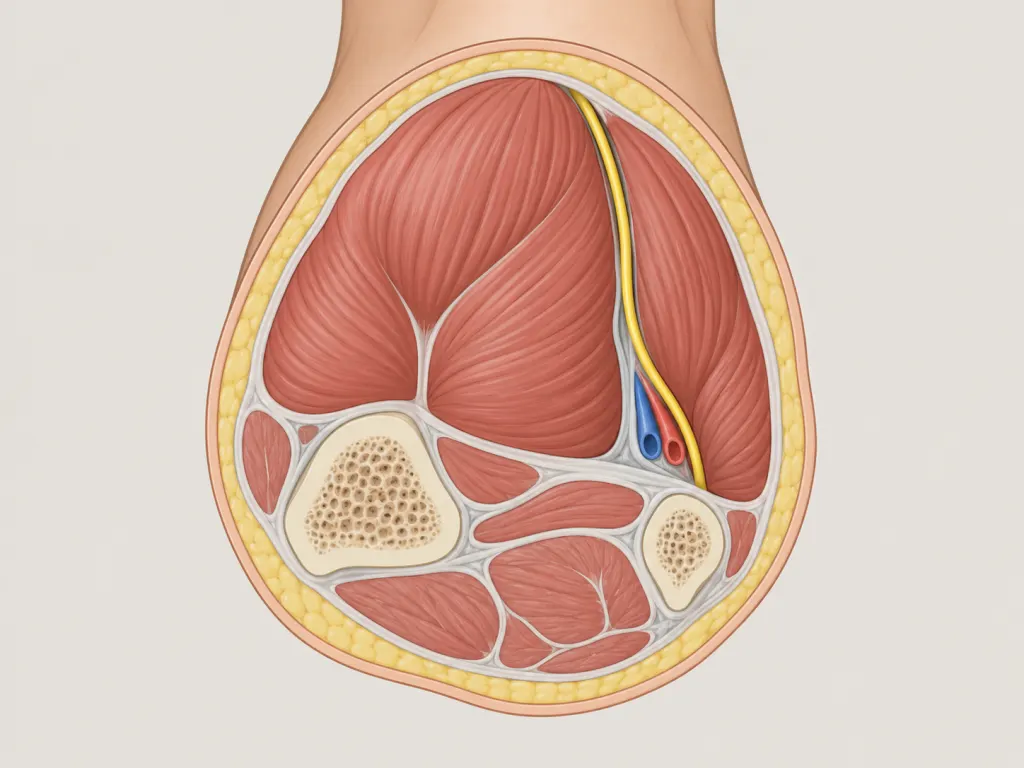
A muscle cramp happens when a muscle, most often the calf but sometimes the foot or the back of the thigh, suddenly tightens on its own and does not relax. According to the MedlinePlus medical encyclopedia from the National Library of Medicine, this involuntary contraction can last from a few seconds to several minutes and often leaves the muscle feeling sore afterward. Cramps that occur specifically at night or while lying still are called nocturnal leg cramps. A clinical review of the condition notes that the exact trigger is still not fully understood, but tired muscles and altered nerve signaling during periods of rest appear to play a central role, according to a peer-reviewed article hosted by the National Institutes of Health.
Dehydration and Fluid Shifts
Fluid balance affects how easily a muscle fires and relaxes. When the body does not have enough fluid, whether from not drinking enough during the day, sweating heavily, or spending time in a hot environment, muscle fibers can become more excitable and more prone to spasm. This is one reason nighttime cramps sometimes become more frequent after a day of exercise or in warm weather. Staying consistently hydrated throughout the day, rather than drinking only right before bed, is one of the simple habits associated with fewer nighttime cramps, according to the Cleveland Clinic.
Mineral and Electrolyte Levels
Minerals such as potassium, calcium, magnesium, and sodium help regulate how nerves signal muscles to contract and relax. When levels of these minerals drop, whether from a limited diet, heavy sweating, certain medications, or an underlying condition, muscles can become more prone to cramping. The MedlinePlus encyclopedia lists several factors that can affect mineral balance and contribute to muscle cramps, including:
- Low potassium, calcium, or sodium levels
- Alcohol use
- Thyroid conditions that affect metabolism
- Kidney failure
- Certain diuretic and blood pressure medications
- Menstruation and pregnancy
Eating a varied diet that includes potassium-rich foods, such as bananas or citrus fruit, is one strategy mentioned by MedlinePlus for people whose cramps may be linked to mineral intake. A healthcare provider can check actual mineral levels with blood tests if cramps are frequent or severe.

Circulation and Nerve-Related Causes
Reduced blood flow to the legs can also contribute to nighttime cramping. When the arteries supplying the legs narrow, a condition called peripheral arterial disease, muscles may not receive enough oxygen-rich blood, especially during rest or after activity. The MedlinePlus encyclopedia describes peripheral arterial disease as a narrowing of the leg arteries, most often caused by fatty buildup along artery walls, that can produce aching, burning, or cramping sensations in the calves, thighs, or feet. In more advanced cases, this discomfort can occur even without activity, including at night.
Nerve changes are another possible contributor. People with diabetes can develop diabetic peripheral neuropathy, in which sustained high blood sugar damages the small blood vessels that supply nerves in the legs and feet. The Cleveland Clinic explains that this nerve damage can cause numbness, tingling, and other abnormal sensations, and that keeping blood sugar within a target range is the most important step for slowing its progression. Because nerve signaling helps control how and when a muscle contracts, conditions that affect the nerves supplying the legs are one reason frequent nighttime cramps are sometimes connected to an underlying condition rather than ordinary muscle fatigue.
Who Is More Likely to Get Nighttime Leg Cramps
Nighttime leg cramps become more common with age. The Cleveland Clinic reports that about a third of adults over 60 experience a nighttime leg cramp at least once every two months, though cramps can also occur in younger adults and children. Pregnancy is another well-documented risk factor: roughly 40% of pregnant people experience leg cramps, which clinicians attribute in part to the added weight pregnancy places on the legs along with circulatory changes. Certain medications are also associated with a higher risk of cramping, including some diuretics, statins, asthma inhalers, and medications used for blood pressure, mood, or nerve pain. Long hours of standing, sitting with the legs in one position, or intense exercise earlier in the day can make cramps more likely once the muscles are finally at rest.

What Helps During and Between Cramps
When a cramp strikes, gently stretching the affected muscle is usually the fastest way to ease it. For a calf cramp, straightening the leg and pulling the top of the foot toward the shin, or standing and putting weight on the leg, can help the muscle release. Massaging the area, applying a warm compress before stretching, and switching to a cold pack once the sharp pain eases are additional steps described by the Cleveland Clinic. Between episodes, regular daytime stretching, staying hydrated throughout the day rather than only in the evening, wearing supportive footwear, and adjusting sleep position can reduce how often cramps occur for some people. There is no single approach that eliminates nighttime cramps entirely, and what helps tends to vary from person to person.
When to Talk with a Doctor
Occasional nighttime leg cramps are common and usually not a sign of a serious problem. Still, it is worth discussing cramps with a doctor if they happen frequently, are severe or unusually long, disrupt sleep on a regular basis, or occur alongside muscle weakness, numbness, swelling, or changes in the skin color or temperature of the leg. Because cramps can sometimes be linked to kidney function, thyroid activity, nerve changes, or blood flow, a healthcare provider may check mineral levels, review current medications, or examine circulation to look for a treatable cause. Cramps that last longer than ten minutes or that come with sudden, severe pain warrant prompt medical attention rather than waiting to see if they pass on their own.
Wrap-Up
Nighttime leg cramps are usually the result of ordinary factors, such as tired muscles, mild dehydration, a long day of sitting or standing, or shifts in mineral levels, rather than one single dramatic cause. Age, pregnancy, certain medications, and conditions that affect circulation or nerve function can raise the likelihood of cramps, which is part of why they become more frequent later in life. Simple habits such as steady hydration, daytime stretching, and supportive footwear help some people, while gentle stretching and massage typically ease a cramp once it starts. Cramps that are frequent, severe, or paired with other symptoms are worth bringing up with a doctor, since they can sometimes point to an underlying condition that benefits from evaluation.
Frequently Asked Questions
- → Are nighttime leg cramps dangerous?
Most nighttime leg cramps are uncomfortable but not dangerous, and they typically pass within a few minutes. They become worth discussing with a doctor if they happen often, last longer than ten minutes, or occur along with muscle weakness, numbness, or swelling, since these can sometimes point to a circulation or nerve issue.
- → Can drinking more water stop nighttime leg cramps?
Staying hydrated throughout the day may help reduce cramp frequency for some people, since fluid balance affects how muscles contract and relax. However, dehydration is only one of several possible contributors, so extra water alone will not resolve cramps linked to mineral levels, circulation, or nerve function.
- → Why do leg cramps happen more often during pregnancy?
Leg cramps affect roughly 40% of pregnant people, and clinicians link this in part to the added weight pregnancy places on leg muscles along with circulatory changes. Anyone who is pregnant and experiencing frequent or painful cramps should mention this to their prenatal care provider.
- → Is a nighttime leg cramp the same as restless legs syndrome?
No. A leg cramp is a sudden, painful muscle contraction that resolves once the muscle is stretched or relaxed. Restless legs syndrome instead causes an uncomfortable urge to move the legs, usually without the sharp, tightening pain of a true cramp, and it has a different underlying mechanism.
- → Which minerals are linked to muscle cramps?
Potassium, calcium, magnesium, and sodium all help regulate how nerves signal muscles to contract and relax, so low levels of any of these can make cramping more likely. A doctor can order blood tests to check mineral levels if cramps are frequent and the cause is not clear.
- → When should frequent leg cramps prompt a doctor visit?
It is worth scheduling an appointment if cramps happen several times a week, disrupt sleep regularly, are unusually painful or long-lasting, or occur along with leg swelling, numbness, weakness, or skin color changes, since these patterns can sometimes signal an underlying circulation or nerve-related condition.