 Save
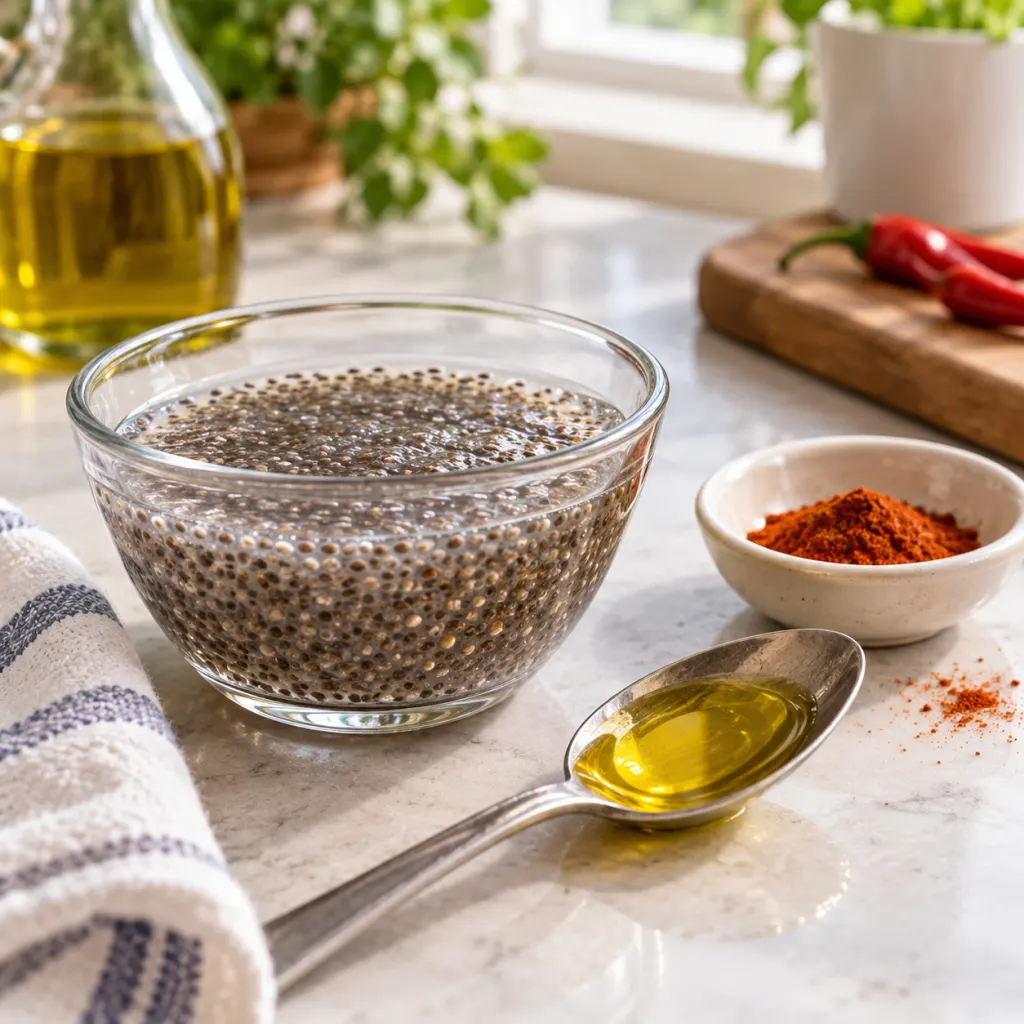
The direct answer: an olive oil, chia seed and cayenne drink is not an instant heart fix, but its ingredients can belong in a thoughtful eating pattern. Olive oil is one of the nontropical plant oils the American Heart Association lists among healthier cooking oils, chia seeds are rich in fiber and essential fatty acids, and cayenne contains capsaicin, the compound that gives chili peppers their heat. The useful question is not whether a tiny kitchen drink changes everything at once. It is whether the idea helps you make steadier choices across the day. In that calmer frame, the drink can be a prompt to think about fat quality, fiber, flavor, and habits you can actually repeat.
Why This Trend Needs a Calmer Frame
Short videos often turn ordinary ingredients into dramatic claims. That is where readers can get tripped up: olive oil, chia and cayenne are real foods, but a single swallow does not carry the same meaning as a consistent dietary pattern. The American Heart Association describes a Mediterranean-style pattern as one that typically includes vegetables, fruits, grains, beans, nuts, seeds and olive oil as a primary fat source. That framing matters because it places olive oil beside many other foods instead of isolating it as a quick solution.
It is also worth separating culinary use from supplement-style thinking. A splash of olive oil in a salad dressing, a spoonful of hydrated chia in yogurt, or a pinch of cayenne in soup is different from treating a concentrated drink as a health intervention. The most useful version of this trend is modest: use the ingredients to make meals more satisfying, replace some higher-saturated-fat choices with unsaturated oils when that fits the dish, and add more plant foods without turning the routine into a test of endurance.
What Olive Oil Contributes
Olive oil is mostly useful in this conversation because of fat quality and cooking practicality. MedlinePlus explains that fat is a nutrient the body needs, while also noting that not all fats are the same and that replacing saturated fats with oils such as olive, canola, safflower, sesame or sunflower is a common recommendation in healthy eating guidance. The MedlinePlus dietary fats overview is a good reminder that oil still contains calories, so the benefit is not in adding unlimited oil to everything. The point is choosing the type and amount thoughtfully.
How to Use Olive Oil Without Overdoing It
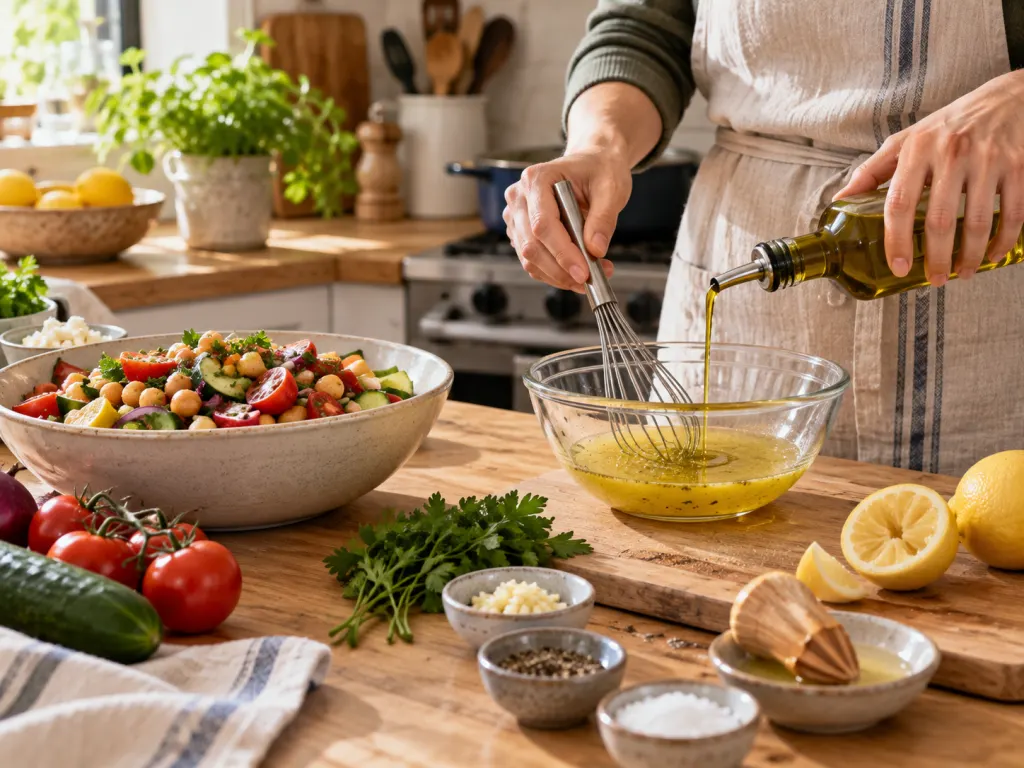
The American Heart Association guide to healthy cooking oils lists olive oil among oils with more unsaturated fats and less saturated fat than solid fats. It also gives practical uses: salad dressings, marinades, dips, sauces, roasting, grilling and light drizzling for flavor. Those uses are often more sustainable than taking oil straight. A vinaigrette over beans and vegetables, for example, brings olive oil into a meal that also contains fiber, texture and volume. That is a stronger habit than relying on one small glass before breakfast.
Storage and cooking method matter too. The same AHA guide advises storing oils in a cool, dark place, discarding oil that smells off, and avoiding oil that smokes or catches fire. Those details may sound less exciting than a viral claim, but they are the details that make an ingredient useful in a real kitchen. Fresh oil used with vegetables, legumes, grains or fish is different from old oil, overheated oil, or oil added on top of an already heavy meal.
What Chia Seeds Add
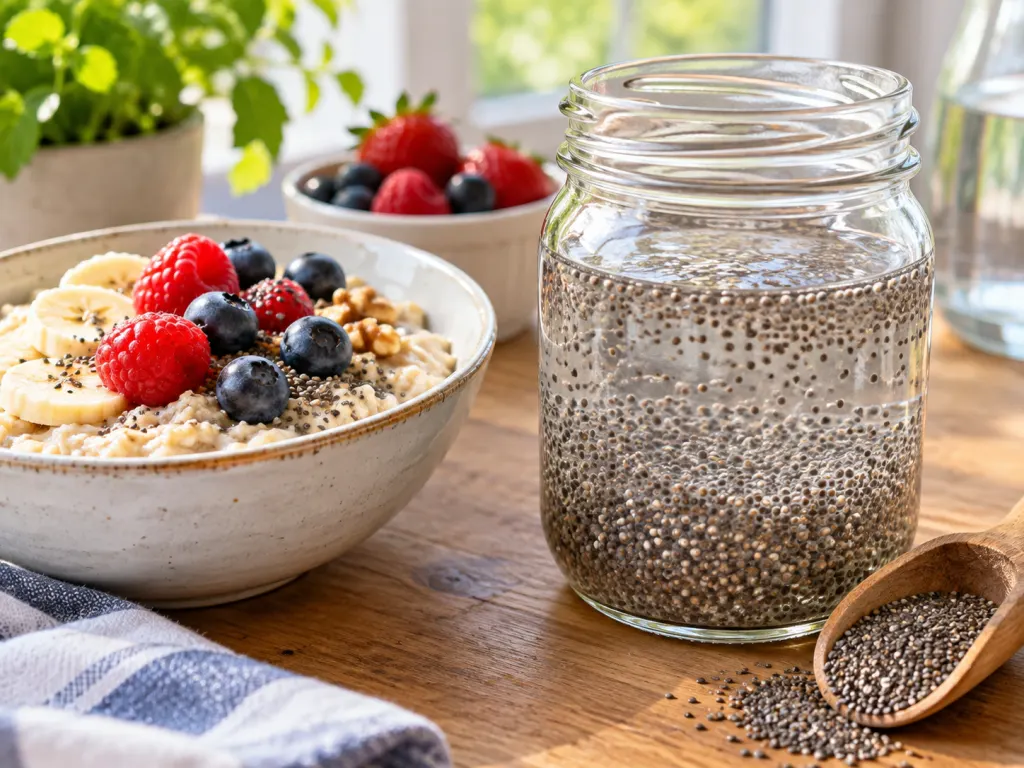
Chia seeds bring a different strength: fiber and texture. MedlinePlus notes that chia seeds are rich in fiber, healthy fats and antioxidants, and that they form a gel when mixed with liquid. That gel-like quality is why chia can thicken puddings, smoothies, oatmeal and sauces. It also means dry chia should be used with enough liquid and given time to hydrate when the preparation calls for a drinkable texture.
Dietary fiber is one reason seeds are worth keeping in the pantry. The MedlinePlus dietary fiber page describes whole grains, nuts and seeds, fruits, and vegetables as good sources of fiber and advises adding fiber gradually because a quick jump can cause gas, bloating or cramps. That gradual approach is especially relevant here. A trendy drink may encourage someone to add a large amount of chia all at once, but the body usually handles fiber better when it is increased slowly and spread across meals.
A Better Way to Think About the Combination
Instead of treating olive oil, chia and cayenne as a required shot, think of them as three kitchen tools with different jobs:
- Olive oil adds unsaturated fat and helps carry flavor in dressings, cooked vegetables and grain bowls.
- Chia seeds add fiber, mild nuttiness and a thickened texture when hydrated.
- Cayenne adds heat, aroma and the capsaicin that gives chili peppers their characteristic bite.
- The surrounding meal still matters most, because ingredients work best inside a balanced pattern rather than as an isolated ritual.
Where Cayenne Fits
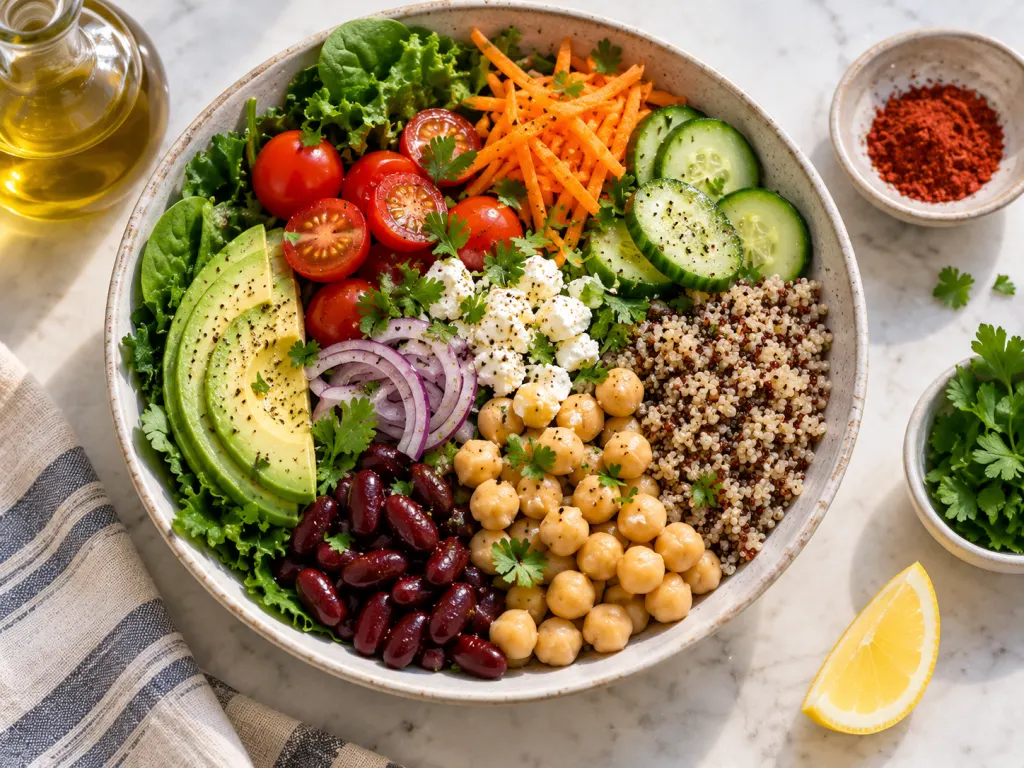
Cayenne pepper belongs in the conversation mostly as a flavor ingredient. Cleveland Clinic explains that capsaicin is the naturally occurring compound that gives chili peppers their heat, and it appears in foods such as cayenne peppers, jalapenos and habaneros. Cleveland Clinic also notes that research on capsaicin depends on how it is used, that more research is needed for several food-related effects, and that large amounts of spicy foods or capsaicin supplements may irritate the digestive tract. In plain kitchen terms: a pinch in food is very different from pushing past your tolerance.
When a Shot Is Less Useful Than a Meal
The drink format has one advantage: it is simple. But it also has drawbacks. Oil can feel harsh when swallowed alone, chia can become unpleasantly thick if it is not hydrated well, and cayenne can irritate people who are sensitive to spicy foods. A meal format is usually easier to adjust. You can make a lemon-olive oil dressing with a little cayenne, stir hydrated chia into oatmeal, or sprinkle cayenne into a bean soup. Those choices keep the same ingredients in view while giving you fiber, protein, vegetables and satisfaction.
There is also a psychology piece. A dramatic daily ritual can make people feel they have checked the heart-health box, even when the rest of the day is unchanged. A quieter routine is less flashy but more useful: cooking with mostly unsaturated oils, adding beans or lentils more often, including nuts and seeds in normal portions, choosing more vegetables, and using spices to make lower-salt food taste better. The FDA's updated discussion of the healthy claim on food labels also emphasizes dietary patterns, food groups, and limits for added sugars, saturated fat and sodium rather than one isolated ingredient.
Safety and Common-Sense Boundaries
If you enjoy the drink, keep it modest and culinary. Use chia that has had time to soften in liquid, use olive oil in an amount that fits your meal plan, and keep cayenne at a level that feels comfortable. If spicy foods reliably cause heartburn, nausea, diarrhea or abdominal discomfort, forcing cayenne is not a virtue. Cleveland Clinic advises caution with excessive capsaicin supplement use because of digestive irritation, and the same common-sense idea applies to very spicy homemade mixtures.
Urgent symptoms deserve urgent help, not kitchen experimentation. Chest pressure, trouble breathing, fainting, sudden weakness, confusion, or heavy sweating with a frightening sense that something is wrong should be treated as an emergency. Cleveland Clinic's emergency guidance is clear that home measures should not delay calling emergency services when serious chest symptoms may be present; the safest action is to seek immediate help through local emergency services.
A Practical Bottom Line
The olive oil, chia and cayenne trend is best understood as a food idea, not a promise. Olive oil can be a smart kitchen fat when it replaces some solid fats. Chia seeds can help add fiber and texture. Cayenne can make food more flavorful and may help some people enjoy meals with less reliance on salt. But the heart-aware value comes from the broader pattern: mostly minimally processed plant foods, sensible fats, enough fiber, enjoyable flavor, and medical guidance when personal health questions are involved.
Wrap-Up
A small olive oil, chia and cayenne drink can be part of a healthy kitchen routine if you enjoy it and tolerate it, but it is not the main event. The better takeaway is to use olive oil, seeds and spices in ordinary meals that also include vegetables, beans, whole grains, nuts, fruit, fish or other nourishing proteins. That approach is more flexible, more satisfying, and better aligned with authoritative nutrition guidance than relying on a single daily shot.
Frequently Asked Questions
- → Is the olive oil, chia and cayenne drink worth trying?
It can be worth trying if you like the flavor and tolerate the texture, but it is best treated as a small food choice. The larger pattern of meals matters more than one drink.
- → Do chia seeds need to be ground?
MedlinePlus notes that chia seeds do not need to be ground for maximal benefit. Many people prefer to hydrate them first because they form a gel when mixed with liquid.
- → Is olive oil better used in food than taken straight?
For most people, yes. Olive oil is easier to portion and enjoy in salad dressings, cooked vegetables, marinades, sauces and grain bowls. That also places it in a fuller meal instead of making it a stand-alone ritual.
- → Can cayenne be too much?
Yes. Cayenne contains capsaicin, and Cleveland Clinic notes that large amounts of spicy foods or capsaicin supplements can cause digestive upset or irritation. Use an amount that feels comfortable.
- → What is the most useful habit to take from this trend?
Use the trend as a reminder to build flavorful meals with unsaturated oils, nuts or seeds, vegetables, beans, whole grains and spices. A repeatable eating pattern is more useful than chasing a dramatic single ingredient.
References
This content was developed and refined using reliable sources.
- https://www.heart.org/en/healthy-living/healthy-eating/eat-smart/fats/healthy-cooking-oils
- https://www.heart.org/en/healthy-living/healthy-eating/eat-smart/nutrition-basics/mediterranean-diet
- https://medlineplus.gov/dietaryfats.html
- https://medlineplus.gov/dietaryfiber.html
- https://medlineplus.gov/ency/patientinstructions/000727.htm
- https://health.clevelandclinic.org/capsaicin
- https://health.clevelandclinic.org/stopping-a-heart-attack
- https://www.fda.gov/food/nutrition-food-labeling-and-critical-foods/use-healthy-claim-food-labeling