 Save
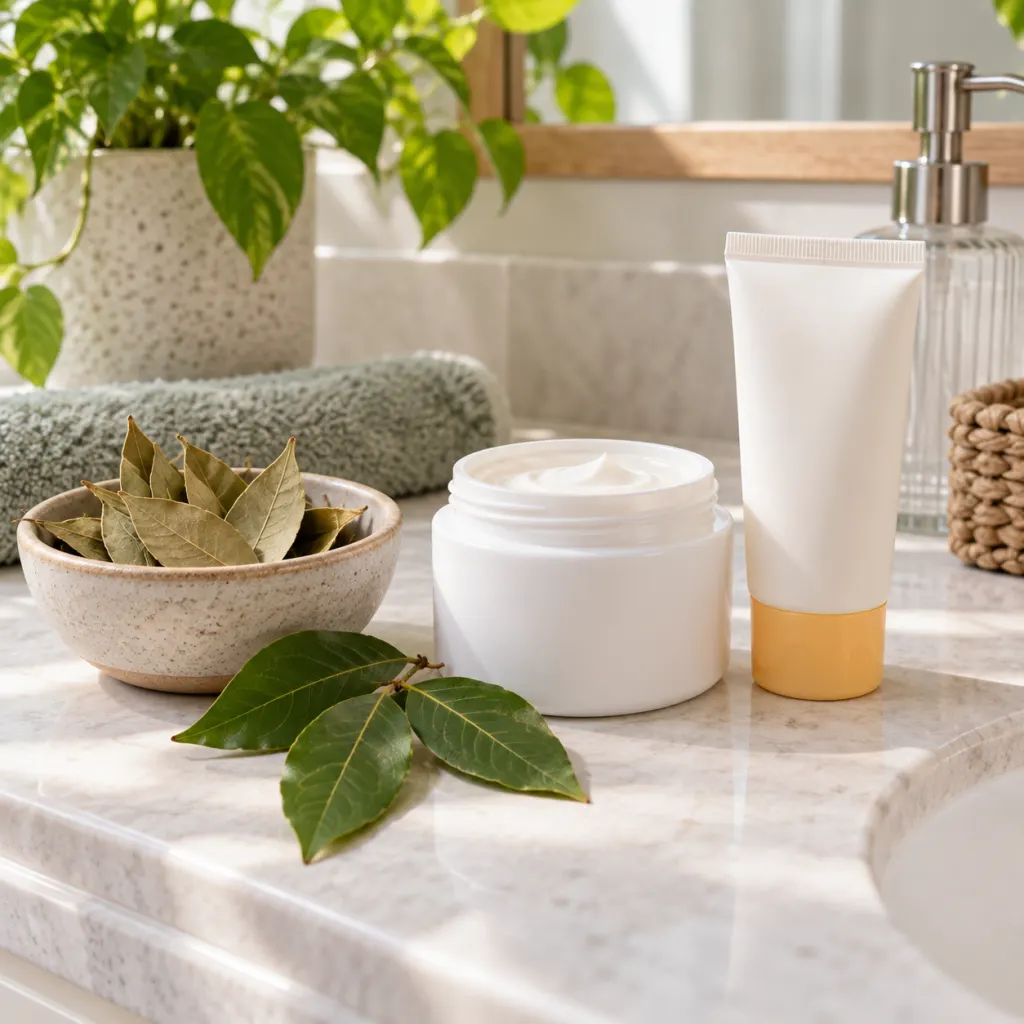
Bay leaves may make a soup or stew taste deeper, but there is not good clinical evidence that bay leaf water, oil, or homemade face mixtures can meaningfully change wrinkles. Wrinkles are shaped by natural skin aging, sun exposure, smoking, genetics, dryness, and facial movement. The practical takeaway is simple: treat bay leaf skin claims as unproven, protect your skin barrier, and put more trust in boring habits that dermatology sources consistently support. Bay leaf is still an interesting plant, and it can have a place in a thoughtful conversation about kitchen ingredients, but it should not be framed as a substitute for evidence-based skin care or a personalized conversation with a qualified clinician.
What Bay Leaves Are, And Why The Claims Spread
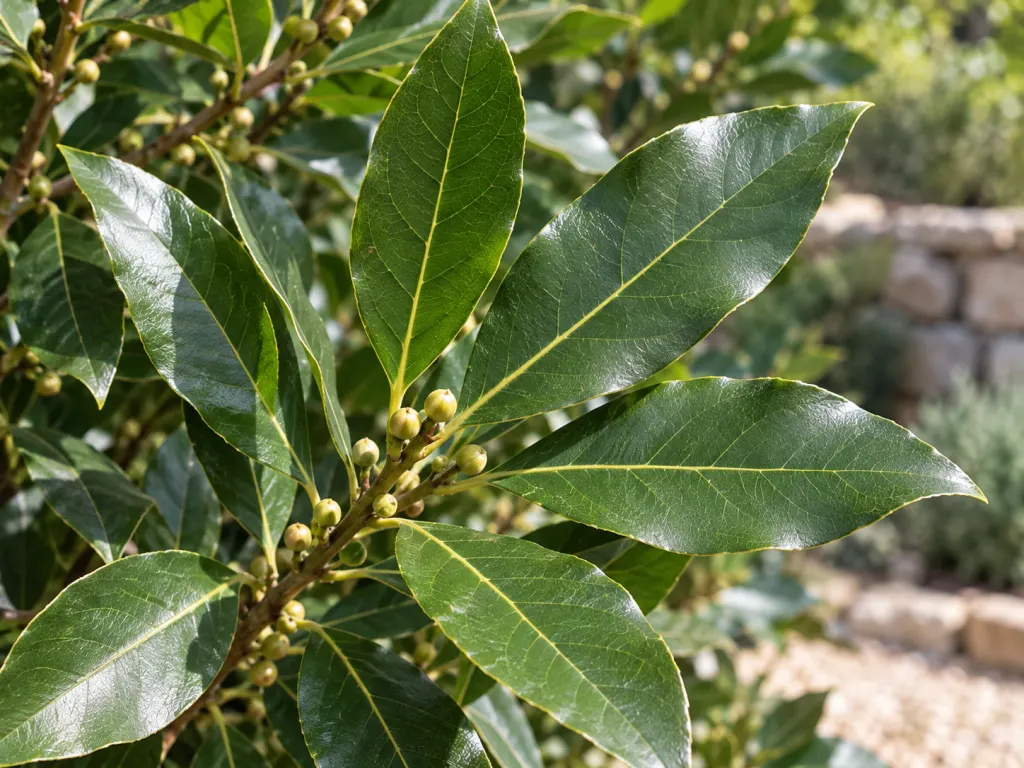
The bay leaf used in home cooking usually comes from Laurus nobilis, also called bay laurel, sweet bay, Grecian laurel, or true laurel. Oregon State University describes it as a broadleaf evergreen in the laurel family with leathery, aromatic leaves, and notes that those leaves are the bay leaves used in cooking: https://landscapeplants.oregonstate.edu/plants/laurus-nobilis. Illinois Extension similarly describes bay laurel as an evergreen shrub or tree whose leaves bring subtle flavor to meat, fish, poultry, soups, and stews: https://extension.illinois.edu/herbs/bay-laurel.
That culinary identity matters because many online skin-care claims borrow credibility from familiar kitchen ingredients. A leaf that smells clean, herbal, and old-fashioned can feel safer than a cosmetic product with a long ingredient label. But familiarity is not proof of facial-skin benefit. Food use, fragrance use, and skin use are different contexts. A leaf can be safe as a flavoring in a pot of soup and still be irritating, drying, or simply ineffective when concentrated, boiled, mixed with acids, or applied repeatedly to delicate facial skin.
Why Wrinkles Form In The First Place
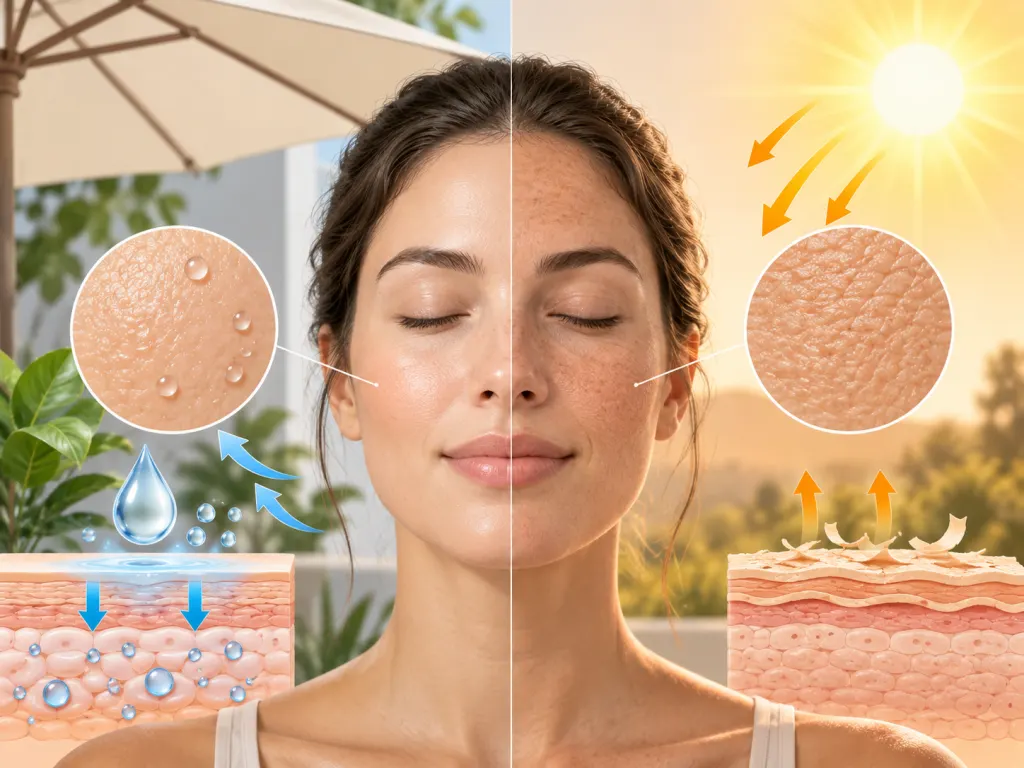
Wrinkles are creases in the skin. MedlinePlus lists common contributors including normal aging changes, genetic factors, smoking, and sun exposure: https://medlineplus.gov/ency/article/003252.htm. Another MedlinePlus page explains that aging skin changes involve several layers of skin, including connective tissue with collagen fibers for support and elastin fibers for flexibility: https://medlineplus.gov/ency/article/004014.htm. In plain language, wrinkles are not one surface problem with one surface fix. They reflect years of structural change, environmental exposure, skin dryness, and the way a face naturally moves.
This is why dramatic kitchen-herb claims are hard to square with skin biology. A light topical liquid may briefly make skin look fresher if it adds moisture or leaves the surface feeling cool. It may also make skin look worse if it causes irritation, tightness, or peeling. Neither result proves that a plant has changed the deeper structure of a wrinkle. A fair standard is not whether a homemade mixture feels pleasant for an hour; it is whether good human evidence shows a reliable, meaningful change compared with doing nothing or using a basic moisturizer. For bay leaf preparations and wrinkles, that evidence is not established in the authoritative sources reviewed for this draft.
What Evidence-Based Skin Care Emphasizes Instead
The American Academy of Dermatology gives practical wrinkle-focused advice that starts with daily broad-spectrum sunscreen of at least SPF 30, avoiding tanning, moisturizing, testing products before facial use, using products as directed, stopping products that sting or burn unless they were prescribed, limiting the number of active products, and allowing enough time to judge results: https://www.aad.org/public/everyday-care/skin-care-secrets/anti-aging/wrinkle-remedies. Those suggestions are not flashy, but they match how skin actually behaves. Sun exposure and dryness can make lines look more pronounced, while irritation can make skin texture look rougher.
A Sensible Way To Read Bay Leaf Skin Claims
A useful question is not “Is bay leaf good or bad?” but “What exactly is being claimed?” A culinary herb can be pleasant, aromatic, and culturally meaningful without being a reliable cosmetic active. The most cautious reading is that bay leaf preparations may offer a sensory ritual, not a documented wrinkle strategy. If a post promises fast visible transformation, uses unusually absolute language, or compares a homemade kitchen mixture with in-office cosmetic procedures, it is moving beyond the evidence a reader can reasonably verify.
Use this checklist when you see bay leaf skin content online:
- Look for human evidence, not just ingredient excitement. A plant’s aroma or traditional use does not show that it changes wrinkles on facial skin.
- Separate moisture from structure. Skin can look temporarily smoother when hydrated, even when deeper lines have not changed.
- Notice irritation language. Burning, stinging, tightness, or peeling should not be presented as proof that something is working.
- Be wary of exact timelines. Claims that a homemade mixture changes the face in a precise number of days need stronger support than an anecdote.
- Check whether the source sells attention. A dramatic video caption is often designed for engagement, not careful skin-care guidance.
Bay Leaf Water, Oils, And Facial Skin Are Not The Same Thing
A weak tea-like bay leaf infusion, a concentrated essential oil, a paste of crushed leaves, and a commercial fragrance product are very different exposures. The FDA notes that plant-derived fragrance materials and essential oils are not automatically safe just because they are natural or organic; some plant materials can be irritating or likely to cause skin reactions when applied to skin: https://www.fda.gov/cosmetics/cosmetic-products/aromatherapy. This is especially relevant around the eyes, lips, and cheeks, where many people are more reactive than they expect.
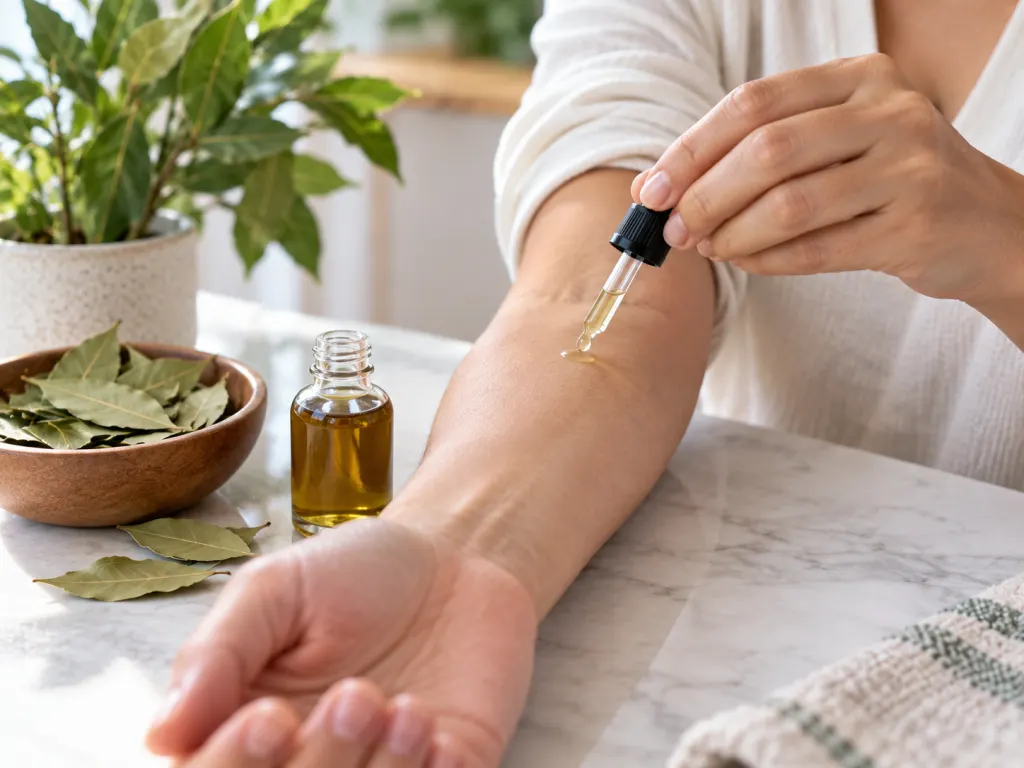
If someone still chooses to experiment with a homemade bay leaf preparation, the conservative approach is to keep it simple, avoid essential oils on the face, avoid mixing it with harsh acids or exfoliants, and test a tiny amount on a less visible area first. The point of testing is not to prove benefit; it is to reduce the chance of putting an irritating mixture across the face. The AAD also advises testing even products labeled “hypoallergenic” on the inner forearm before applying them to the face, which is a useful reminder that skin tolerance is personal.
Where Bay Leaves Fit In A Better Skin-Care Routine
For most readers, bay leaves fit best in the kitchen rather than as the centerpiece of a facial routine. Illinois Extension notes that larger, older bay leaves tend to have the strongest flavor and that dried leaves can be stored for cooking. That is a solid, evidence-aligned use: flavoring food. For skin, the more useful routine is usually less romantic but more reliable: gentle cleansing, moisturizer, daily sun protection, and fewer experiments layered on top of each other. If you already use retinoids, exfoliating acids, fragrance-heavy products, or prescription skin products, adding a homemade herbal liquid can make it harder to identify what is helping and what is irritating.
A simple routine also makes expectations clearer. Moisturizer can make fine lines look softer by trapping water in the outer skin. Sunscreen helps reduce ongoing ultraviolet exposure, one of the major contributors to earlier visible skin aging. Avoiding tanning and limiting irritating products can help skin look calmer. None of these habits require turning bay leaves into a cosmetic preparation, and none depends on the idea that a single ingredient can override years of sun exposure, genetics, facial movement, or normal aging.
When To Be More Cautious
Be especially cautious if your skin is already dry, reactive, peeling, inflamed, recently exfoliated, or recovering from an in-office cosmetic procedure. Avoid putting homemade herbal preparations on broken skin or very close to the eyes. Stop using any mixture that stings, burns, causes persistent redness, or makes your skin feel unusually tight. Also be careful with advice that tells you to apply more often, leave it on longer, or combine it with multiple active ingredients. More contact is not automatically better contact.
The Bottom Line
Bay leaves are a respected culinary herb, but wrinkle claims about bay leaf face mixtures outrun the evidence. A calm, realistic view is kinder to your skin and your wallet: enjoy bay leaves in cooking, treat viral skin promises skeptically, and build facial care around sun protection, moisturizer, product tolerance, and professional guidance when you want cosmetic options. The best skin-care decision is rarely the most dramatic one. It is the one your skin can tolerate consistently, with expectations that match the evidence.
Wrap-Up
Bay leaf preparations should be viewed as unproven for wrinkles. The better-supported approach is daily sun protection, moisturizing, gentle product habits, and professional advice for cosmetic concerns. A homemade bay leaf mixture may feel pleasant to some people, but natural does not automatically mean suitable for facial skin, and irritation can make skin look worse.
Frequently Asked Questions
- → Can bay leaf water remove wrinkles?
There is not good authoritative clinical evidence that bay leaf water can meaningfully change wrinkles. It may feel refreshing, but a temporary fresh feeling is not the same as a documented change in skin structure.
- → Is bay leaf essential oil safer because it is natural?
No. The FDA explains that plant-derived fragrance materials and essential oils are not automatically safe for skin. Concentrated oils can irritate some people, especially on the face.
- → What should I use first if wrinkles bother me?
Start with the basics supported by dermatology guidance: daily broad-spectrum sunscreen, moisturizer, avoiding tanning, and limiting products that sting or burn. For personalized cosmetic options, speak with a qualified professional.
- → Can I patch test a homemade bay leaf mixture?
A small patch test on a less visible area is more cautious than applying a new mixture across the face. It cannot prove the mixture will improve wrinkles, but it may help reveal whether your skin reacts poorly.
- → Are bay leaves better kept for cooking?
For most households, yes. Bay leaves have a well-established culinary role as an aromatic flavoring for soups, stews, meats, poultry, and fish. Their role as a facial wrinkle product is not established by the sources reviewed here.
References
This content was developed and refined using reliable sources.
- https://landscapeplants.oregonstate.edu/plants/laurus-nobilis
- https://extension.illinois.edu/herbs/bay-laurel
- https://medlineplus.gov/ency/article/003252.htm
- https://medlineplus.gov/ency/article/004014.htm
- https://www.aad.org/public/everyday-care/skin-care-secrets/anti-aging/wrinkle-remedies
- https://www.fda.gov/cosmetics/cosmetic-products/aromatherapy