 Save
The most honest answer is simple: no single fruit can preserve strength on its own, but fruit can help older adults build a better daily pattern for staying active, eating enough, and supporting muscles. Strength depends most on regular movement, especially resistance training, plus enough protein and calories. The National Institute on Aging says strength training can help older adults maintain muscle mass and mobility as they age, and its eating guidance notes that fruit brings color, flavor, important nutrients, and fiber to meals (NIA strength training; NIA food groups). Think of fruit as a useful teammate, not the whole plan.
Why fruit belongs in a strength-focused routine
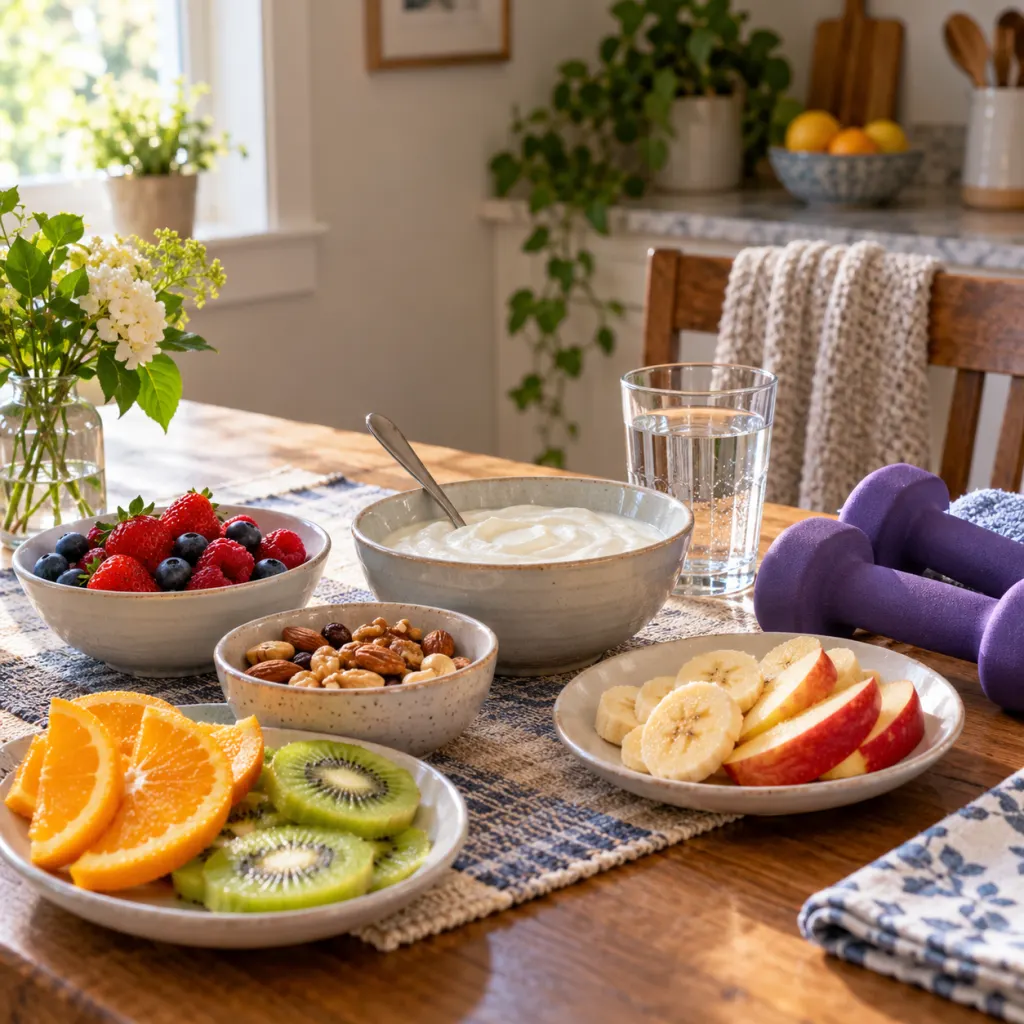
Strength in later life is not only about large muscles. It is also about standing from a chair, carrying groceries, climbing steps, steady walking, and recovering well after ordinary activity. The NIA describes age-related loss of muscle mass and function as a major reason everyday movement can become harder, and it emphasizes that active living and strength training can slow functional decline for many people. Fruit fits into that picture because it helps make meals more complete, appealing, and easier to repeat. A bowl of yogurt with berries, a banana with nut butter, or citrus beside eggs is not a magic formula; it is a practical way to make a nourishing meal more likely to happen.
Start with the pattern, not a ranked list
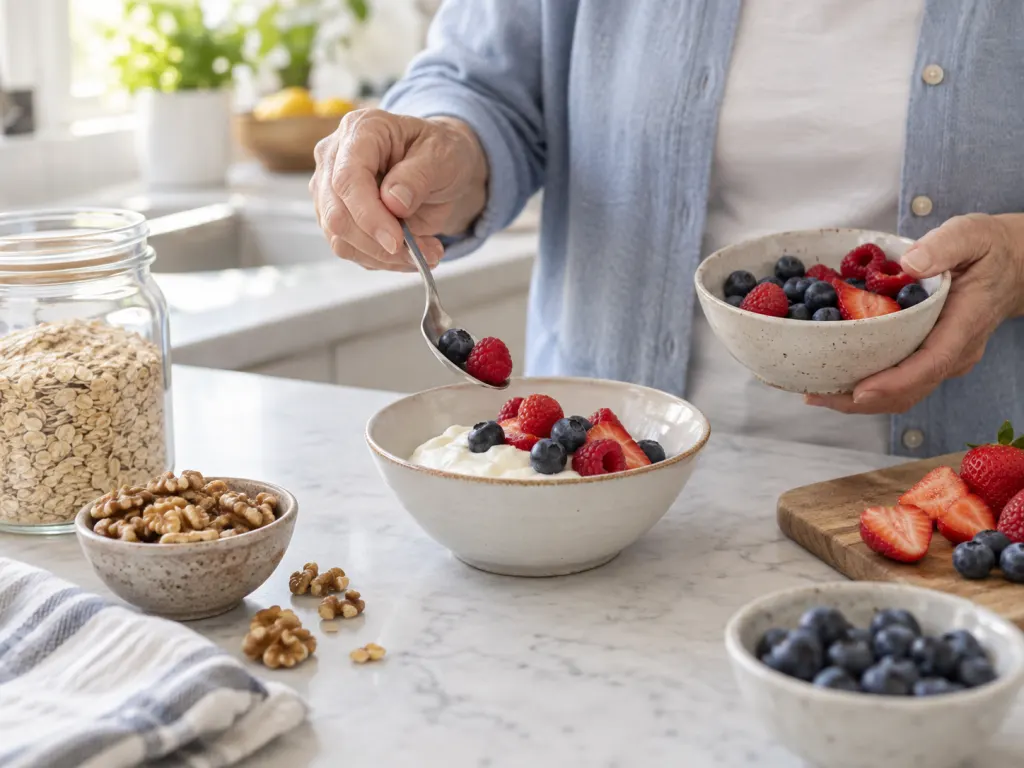
Articles often promise a perfect list of fruits, but older adults benefit more from variety than from chasing one champion food. The NIA's food-group guidance says older Americans generally do not eat enough fruit and encourages whole fruit, especially with the skin when appropriate and well washed, because it provides more fiber than juice (NIA food groups). A strength-supporting fruit habit is one that fits appetite, chewing ability, budget, blood sugar goals set with a clinician, and kitchen access. Fresh, frozen, canned in juice, and dried fruit can all have a place when chosen thoughtfully.
Fruits worth keeping in steady rotation
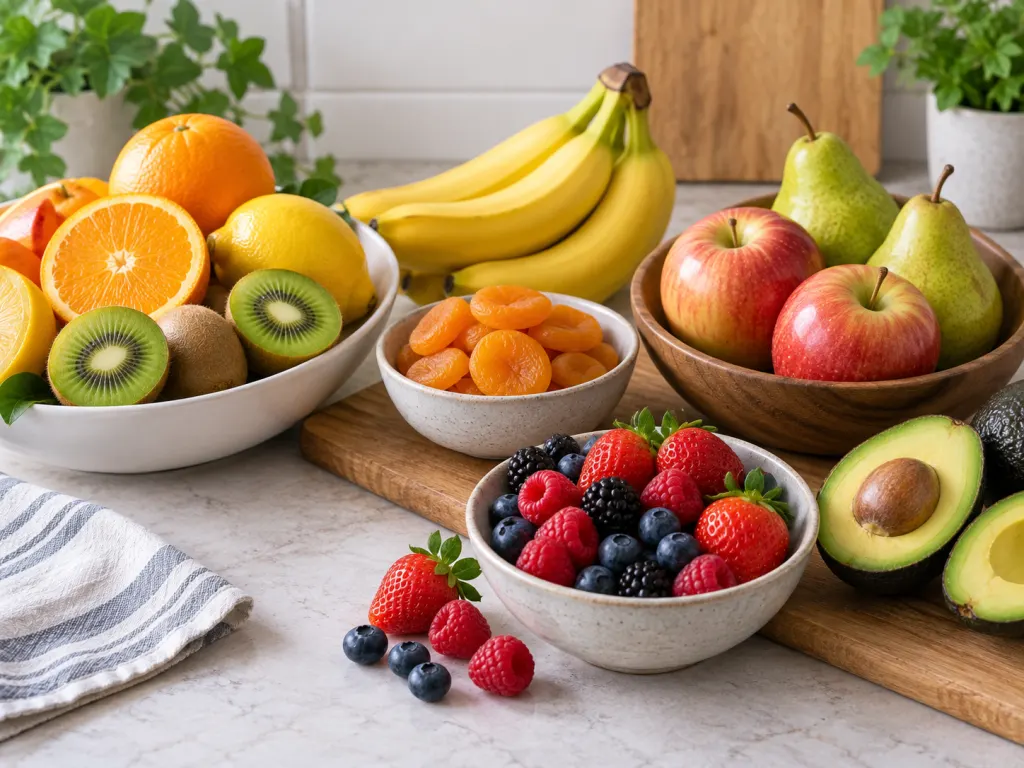
The best choices are familiar, flexible, and easy to pair with protein foods. Use this list as a rotation guide rather than a prescription:
- Berries: easy to add to yogurt, oatmeal, cottage cheese, or smoothies without much prep.
- Citrus and kiwi: useful vitamin C sources, especially when meals feel heavy or appetite is low.
- Bananas: portable, soft, and rich in potassium, which the body uses for muscle contraction and nerve transmission.
- Apples and pears: convenient whole-fruit options, especially when sliced thin or stewed for easier chewing.
- Prunes, raisins, and dried apricots: concentrated fruit choices that can be helpful in small portions, especially with nuts or plain yogurt.
- Grapes, melon, mango, and peaches: hydrating, colorful choices that can make meals more appealing.
- Avocado: technically a fruit, useful when an older adult needs a softer, energy-dense option.
Pair fruit with protein whenever possible
Fruit is mostly carbohydrate, water, fiber, and micronutrients. It is usually not a meaningful protein source, so fruit-only breakfasts or snacks may not be enough for someone trying to keep strength. NIA meal-planning guidance for older adults encourages adding protein foods such as seafood, dairy or fortified soy products, beans, peas, and lentils throughout the day to help maintain muscle (NIA meal planning). In practice, this can be as simple as berries with Greek-style yogurt, orange slices with eggs, apple with peanut butter, grapes with cheese, or banana blended with milk or fortified soy beverage.
Choose nutrients that match real food habits
Two nutrients often discussed with fruit and strength are potassium and vitamin C. Potassium is found in foods such as dried apricots, prunes, raisins, orange juice, and bananas; the NIH Office of Dietary Supplements explains that potassium is involved in muscle contraction and nerve transmission (NIH potassium fact sheet). Vitamin C is found in citrus fruit, kiwi, strawberries, cantaloupe, and other produce; NIH notes that vitamin C is needed for collagen production and is also involved in antioxidant function (NIH vitamin C fact sheet). These facts support variety, not megadoses.
Fiber matters too because it can make meals more satisfying and supports regular digestive function. MedlinePlus lists fruit and vegetables among good fiber sources and advises adding fiber gradually because a sudden large increase can cause gas, bloating, or cramps (MedlinePlus dietary fiber). For older adults with smaller appetites, that gradual approach is especially practical: add berries to breakfast one week, include a sliced pear with lunch the next, then try stewed prunes or a fruit-and-nut snack if it feels comfortable.
Whole fruit usually beats juice for daily use
Juice can count as fruit in some food-group systems, but it is easy to drink quickly and it lacks the same chewing, texture, and often fiber experience as whole fruit. NIA guidance says at least half of fruit intake should come from whole fruit and suggests choosing frozen, canned, or dried fruit options that are lowest in added sugars (NIA food groups). For a strength-supporting snack, compare a small glass of juice with a bowl of orange segments plus yogurt: the second option brings more texture, more staying power, and an easier path to protein.
Make fruit easier to eat, not harder
Many older adults know what they would like to eat but run into ordinary barriers: fatigue, sore hands, dental changes, limited transportation, cooking for one, or fruit spoiling before it is used. The solution is not a stricter list; it is a gentler setup. Keep frozen berries for no-waste breakfasts. Buy peeled citrus or pre-cut fruit if slicing is difficult. Choose unsweetened applesauce when chewing is tiring. Keep single-serve fruit cups packed in juice for backup. Wash and dry grapes or berries soon before eating, not days ahead, so texture stays appealing. A fruit habit that survives real life is more valuable than an ideal plan that sits untouched.
Food safety matters more after 65
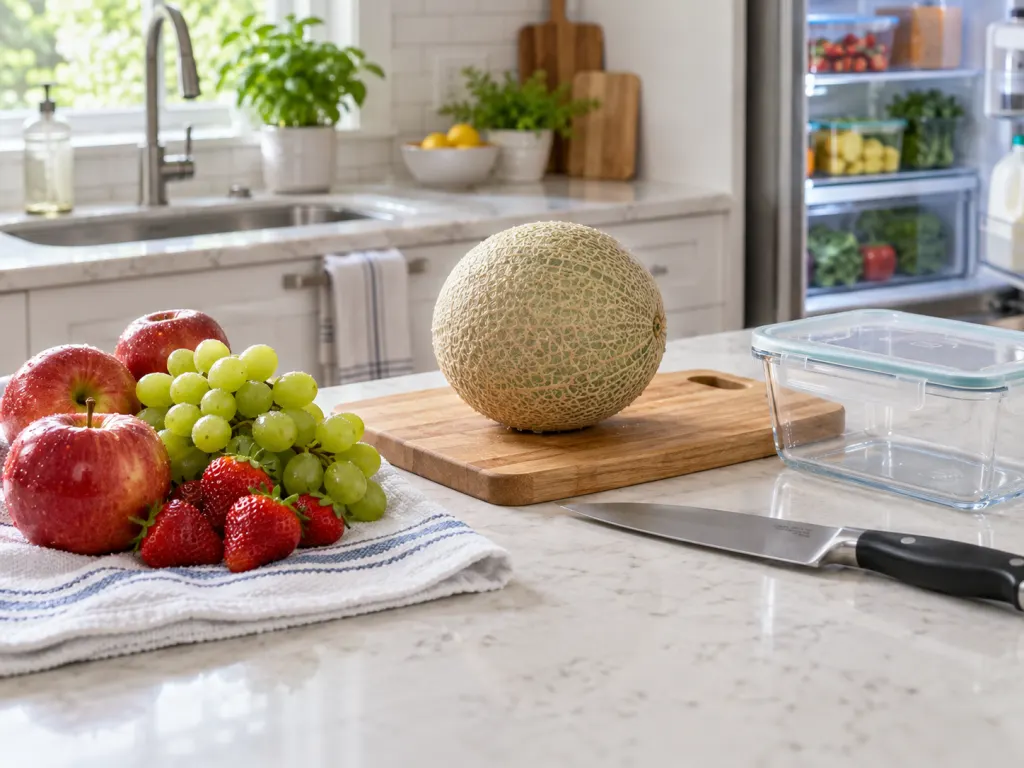
Because adults 65 and older have a higher risk of serious illness from foodborne germs, fruit safety deserves a place in the routine. CDC guidance for adults 65 and older lists unwashed fresh fruits and vegetables as riskier choices and washed fruits and vegetables as safer choices; it also advises keeping freshly cut melon refrigerated and avoiding cut melon left out too long (CDC food safety for adults 65 and older). The practical habit is straightforward: rinse whole fruit under running water before cutting or eating, use clean knives and boards, refrigerate cut fruit promptly, and choose pasteurized juice or cider.
A simple day of fruit-centered choices
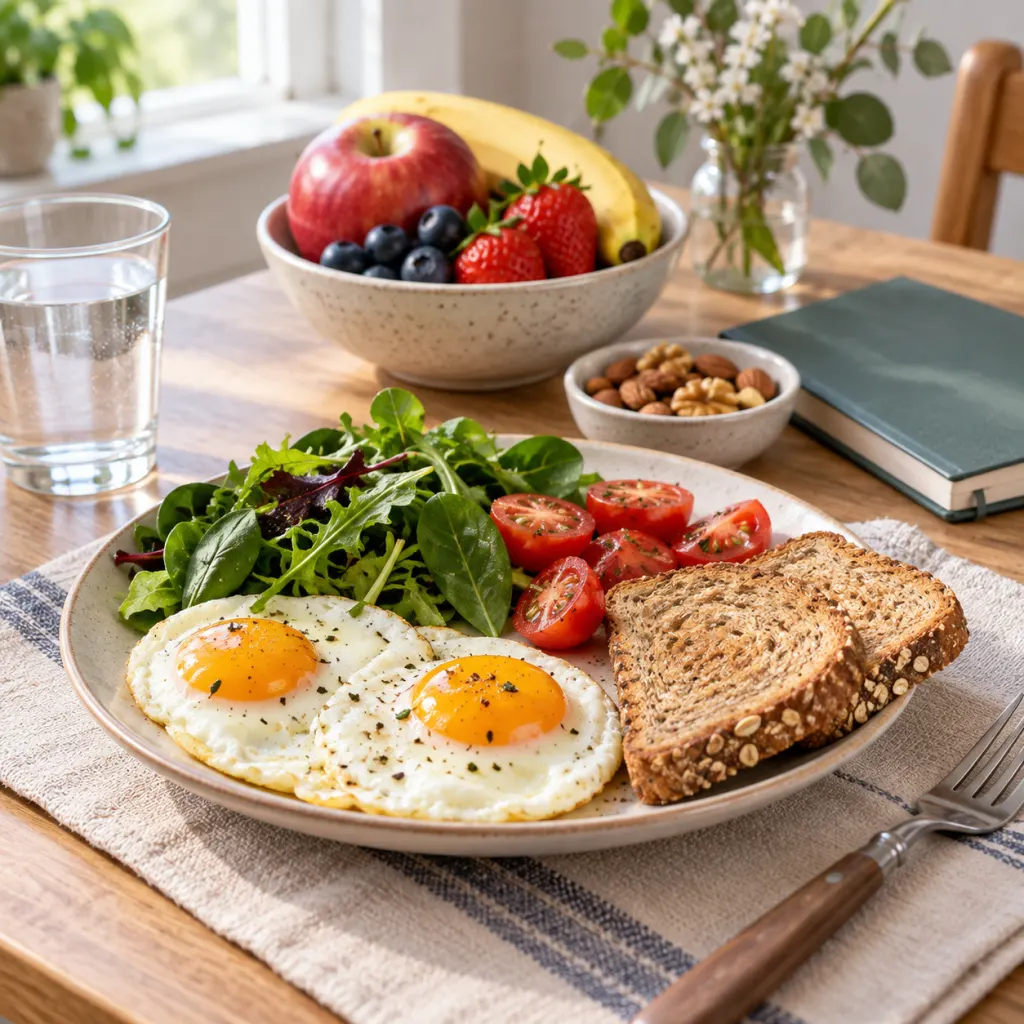
Here is what this can look like without turning the day into a complicated plan. Breakfast might be oatmeal with milk, walnuts, and blueberries. Lunch could include tuna, beans, eggs, tofu, or chicken with orange slices or grapes on the side. A snack might be apple slices with peanut butter or cottage cheese with peaches. Dinner could finish with kiwi, melon, or berries instead of a heavy dessert. If appetite is low, a smoothie made with fruit plus yogurt, milk, or fortified soy beverage may be easier than a large plate of food. The point is not perfection; it is repeated chances to combine fruit with protein and movement.
When to personalize the plan
Some people need individualized guidance. An older adult who has been told to follow a low-potassium eating plan, who has trouble swallowing, who is losing weight unintentionally, who has frequent stomach upset, or who is managing a condition with food rules should not rely on a general fruit list. A registered dietitian or clinician can help adapt texture, portions, meal timing, and food choices. That personal adjustment matters because the same banana, orange, or prune that is useful for one person may not be the right everyday choice for another.
Bottom line
The fruits most worth choosing are the ones an older adult can eat consistently, safely, and with enough protein across the day. Berries, citrus, kiwi, bananas, apples, pears, prunes, dried apricots, grapes, melon, mango, peaches, and avocado all bring something useful to the table. Still, strength is built by the whole routine: muscle-challenging activity, enough food, enough protein, hydration, sleep, and meals that are realistic. Fruit can make that routine brighter, easier, and more enjoyable, which is exactly why it belongs there.
Wrap-Up
Fruit can support strength-focused healthy aging when it is part of a wider pattern that includes muscle-strengthening activity, enough protein, varied meals, hydration, and safe food handling. Choose a rotation of whole fruits, pair them with protein foods, add fiber gradually, and personalize choices when medical or swallowing needs make a standard list unsuitable.
Frequently Asked Questions
- → Which fruit is best for strength in older adults?
There is no single best fruit. A better choice is a rotation of easy, enjoyable fruits such as berries, citrus, kiwi, bananas, apples, pears, prunes, grapes, melon, and avocado. Pair fruit with protein foods and regular strength-building activity.
- → Should older adults eat fruit before or after exercise?
Either can work. A banana, berries with yogurt, or apple with peanut butter can be useful before activity if a small snack is needed. After activity, fruit is best paired with protein, such as yogurt, milk, eggs, beans, tofu, nuts, or a meal that includes protein.
- → Is juice as useful as whole fruit?
Juice can count as fruit in limited amounts, but whole fruit is usually the better everyday choice because it offers texture and fiber. If juice is used, choose pasteurized juice and consider it one part of the day rather than the main fruit habit.
- → Are dried fruits a good choice for older adults?
Dried fruits such as prunes, raisins, and dried apricots can be useful in small portions because they are shelf-stable and nutrient-dense. They are concentrated, so pair them with nuts, yogurt, or a meal instead of eating large handfuls mindlessly.
- → What if chewing fresh fruit is difficult?
Try softer options such as ripe banana, peeled citrus segments, canned fruit packed in juice, unsweetened applesauce, ripe melon, stewed pears, or smoothies made with a protein source. If swallowing is difficult, get individualized guidance from a qualified health professional.
References
This content was developed and refined using reliable sources.
- https://www.nia.nih.gov/news/how-can-strength-training-build-healthier-bodies-we-age
- https://www.nia.nih.gov/health/healthy-eating-nutrition-and-diet/healthy-eating-you-age-know-your-food-groups
- https://www.nia.nih.gov/health/healthy-meal-planning-tips-older-adults?c=Homepage&navPos=0&pg=&pid=Web&shortlink=dc203038&winPos=0&wtime=seek_to_second_number
- https://ods.od.nih.gov/factsheets/Potassium-Consumer
- https://ods.od.nih.gov/factsheets/VitaminC-HealthProfessional
- https://medlineplus.gov/dietaryfiber.html
- https://www.cdc.gov/food-safety/foods/adults-65-older.html