 Save
A beet, ginger, and lemon drink is best viewed as a nutrient-rich kitchen habit, not a fast answer for cholesterol or arthritis. Beets can add color and plant compounds, lemon contributes bright flavor and vitamin C, and ginger gives warmth, but the evidence does not support treating the drink like a guaranteed result. For readers drawn to natural health drinks, the practical question is not whether one glass changes everything; it is whether the drink helps you build a steadier eating pattern that also includes fiber-rich foods, balanced meals, and joint-friendly movement. MedlinePlus describes cholesterol care as a combination of heart-healthy eating, weight management, regular physical activity, and individualized medical guidance when needed, while CDC emphasizes physical activity as a core arthritis self-care habit. This article explains what the ingredients can reasonably contribute, where the evidence is limited, and how to use the drink in a grounded way.
What This Drink Is Really For
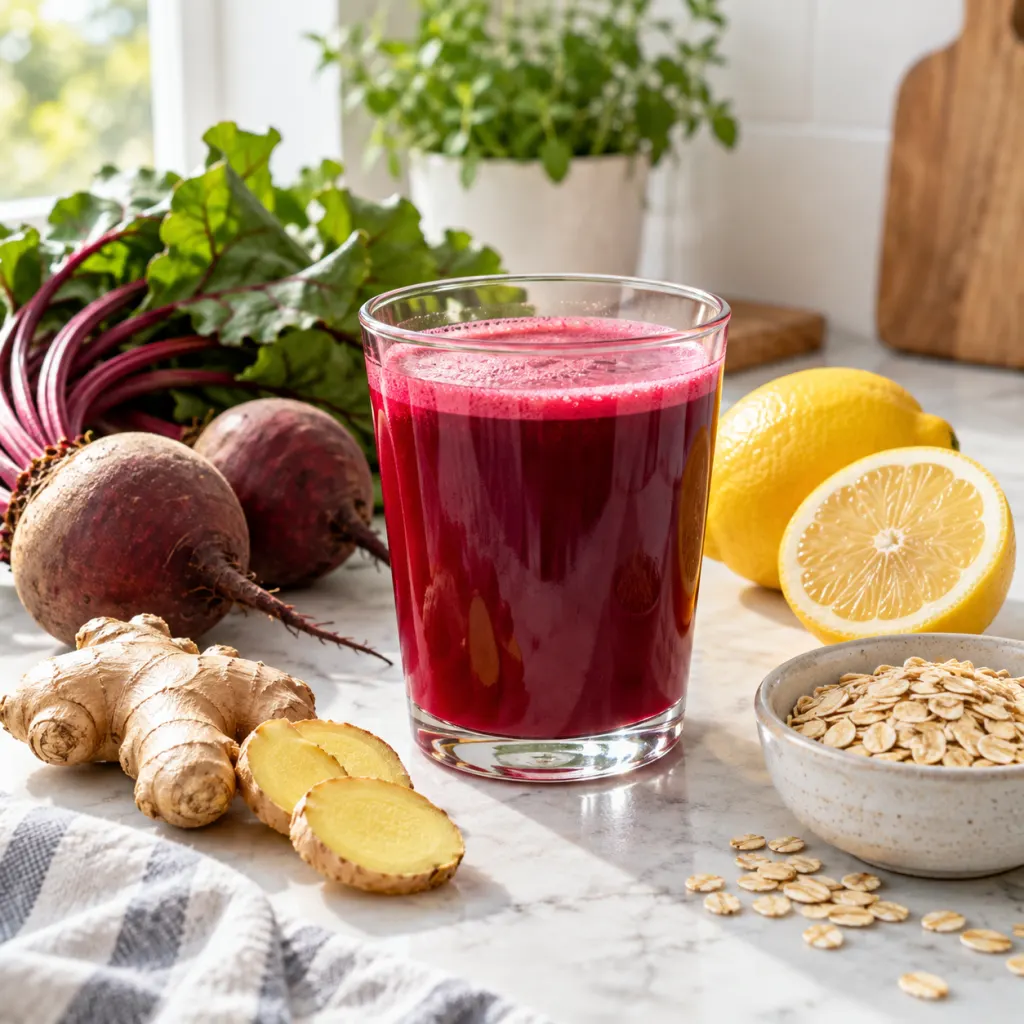
The usual version of this drink combines beetroot, fresh ginger, lemon juice, and water, sometimes blended with carrot, cucumber, celery, or orange. In culinary terms, it is a tart, earthy vegetable beverage. In health terms, it is one small way to increase plant variety. That distinction matters. A drink can make vegetables more convenient, especially for someone who dislikes salads in the morning, but it cannot carry the full work of a diet. The most useful role for this drink is habit formation: replacing a sugar-heavy beverage, adding a produce serving, or making breakfast feel more intentional.
A claim-safe way to think about the drink is this:
- It can add plant foods when it is blended from whole ingredients rather than strained into a clear juice.
- It can support routine if it helps you pair breakfast with oats, beans, whole grains, fruit, nuts, or other fiber-rich foods.
- It can add flavor without much added sugar when lemon and ginger do the brightening instead of syrup or large amounts of honey.
- It cannot tell you what is happening inside your body; lab results, symptoms, and personal risks belong in a conversation with a qualified health professional.
Ingredient Evidence, Without the Hype
Beetroot is the visual anchor. Its deep red-purple color comes from natural plant pigments, and beetroot juice has been studied mostly in relation to cardiovascular measures, especially because beets contain dietary nitrate. A 2024 systematic review and meta-analysis on beetroot juice in adults with hypertension reported cautious findings and noted low certainty of evidence for some outcomes, which is a reminder to keep expectations modest and context-specific: PubMed beetroot juice review. That kind of research does not mean a homemade kitchen drink has predictable effects for every person, especially when recipes vary widely in beet quantity, preparation, and serving size.
Ginger is another ingredient that attracts big promises, but the evidence is uneven. NCCIH notes that ginger is a rhizome used in food and for health purposes, and that many human studies of ginger have tested supplements rather than ordinary culinary amounts. NCCIH also states that research on ginger dietary supplements for knee osteoarthritis has limitations, with much of the evidence considered poor quality: NCCIH ginger overview. In a drink like this, ginger is most defensible as a flavor ingredient that may make a vegetable beverage easier to enjoy. Lemon adds acidity, aroma, and vitamin C; NIH Office of Dietary Supplements explains that vitamin C is needed for collagen biosynthesis and functions as an antioxidant in the body: NIH vitamin C fact sheet.
How It Fits Into Cholesterol-Conscious Eating
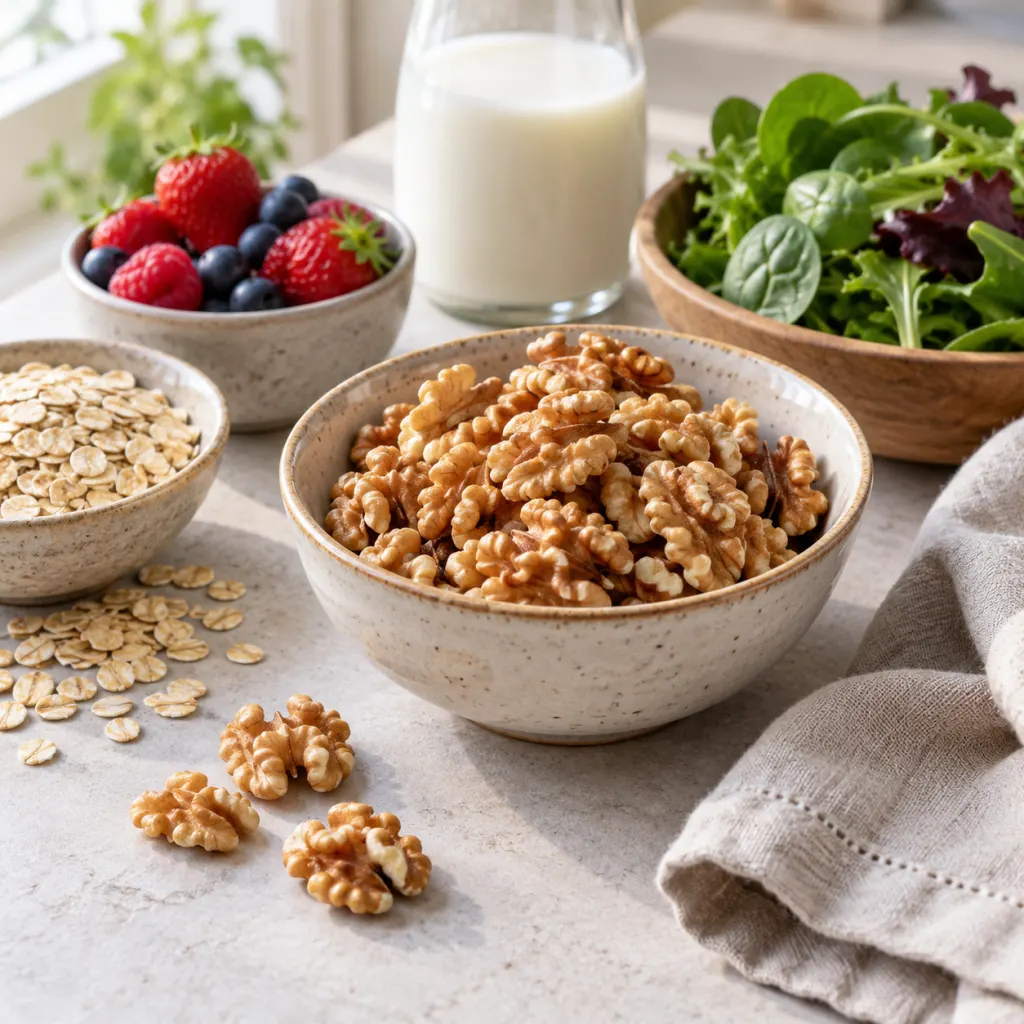
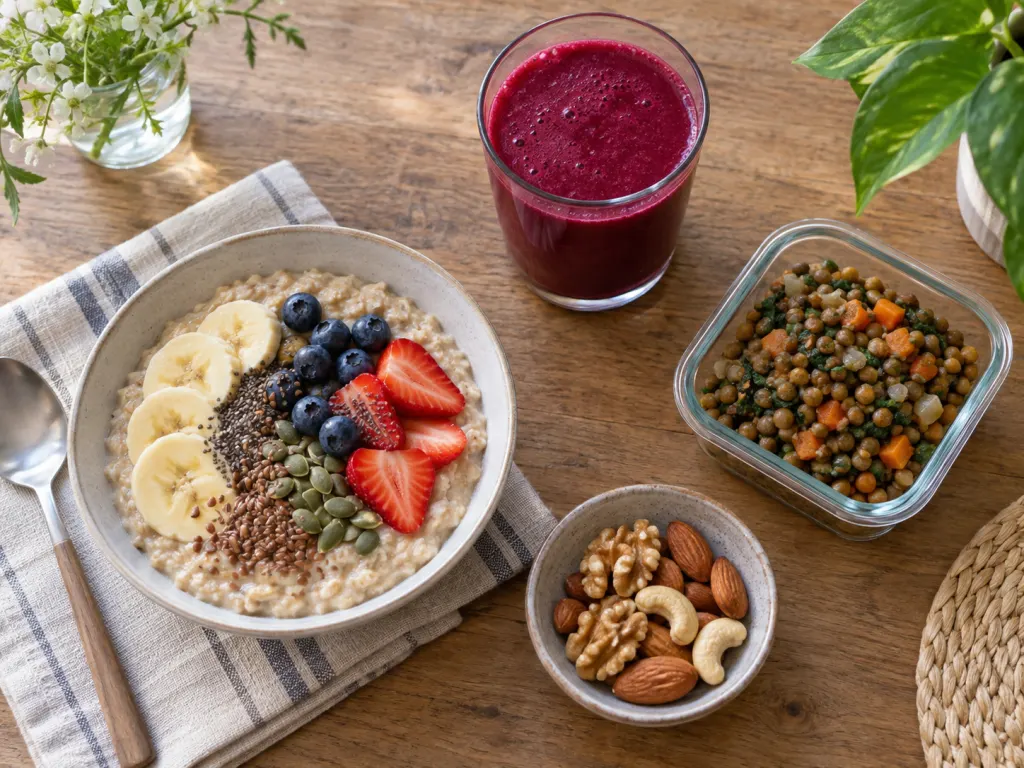
If cholesterol is the concern, the drink should sit beside better-supported dietary habits rather than distract from them. MedlinePlus describes heart-healthy eating patterns as emphasizing healthier fats, plenty of fruits and vegetables, and soluble fiber from foods such as oats, beans, lentils, apples, pears, and prunes: MedlinePlus cholesterol diet guidance. A beet drink can contribute produce, but it is not especially rich in the soluble fiber sources most often highlighted in cholesterol-focused eating. That is why pairing the drink with oatmeal, beans at lunch, lentil soup, or whole grains across the day is more meaningful than relying on the drink alone.
Blending rather than juicing is also important. MedlinePlus explains that dietary fiber is found in plant foods such as whole grains, nuts, seeds, fruits, and vegetables, and that increasing fiber too quickly can cause gas, bloating, or cramps for some people: MedlinePlus dietary fiber overview. A strained juice loses much of the pulp, while a blended drink keeps more of the whole-food texture. Even then, a glass is only one part of the day. For sweetness, go gently. FDA explains that added sugars include sugars from syrups and honey, and that the Nutrition Facts label helps people compare added sugar in foods and drinks: FDA added sugars guidance. If the drink tastes too earthy, more lemon, cold water, cucumber, or a small amount of orange can improve flavor without turning it into dessert.
How It Fits Around Arthritis Comfort
For arthritis, the evidence points more strongly toward movement and self-management than toward any one beverage. CDC says physical activity can help people with arthritis improve function and mood, and it lists joint-friendly activities such as walking, cycling, swimming, water exercises, tai chi, dancing, and light gardening: CDC physical activity and arthritis. A beet, ginger, and lemon drink may fit nicely after a morning walk or with breakfast before a gentle activity routine, but the routine is the bigger lever. People often stick with health habits better when they are pleasant, repeatable, and connected to something they already do.
NCCIH’s clinical digest on nutritional approaches for musculoskeletal pain and inflammation is also careful. It notes that, for many natural products marketed for inflammatory conditions, evidence is limited or insufficient, and it specifically says the evidence is unclear for ginger supplementation in rheumatoid arthritis, osteoarthritis, or joint and muscle pain: NCCIH nutritional approaches digest. That does not make ginger useless in the kitchen; it means the drink should be described as food, flavor, and routine support, not as a targeted arthritis strategy.

Who Should Be More Careful
Most people think of vegetable drinks as automatically gentle, but concentrated habits can still bother some bodies. Beetroot can tint urine or stool red or pink, which is usually harmless but can be startling. Ginger can cause abdominal discomfort, heartburn, diarrhea, or mouth and throat irritation in some people, according to NCCIH. People with ongoing health conditions, unusual symptoms, a history of kidney stones, very sensitive digestion, or a clinician-guided eating plan should ask for individualized advice before making this drink a frequent habit. Seek urgent medical help for chest pain, trouble breathing, weakness on one side, fainting, or sudden severe joint swelling with fever.
A Practical Way To Try It
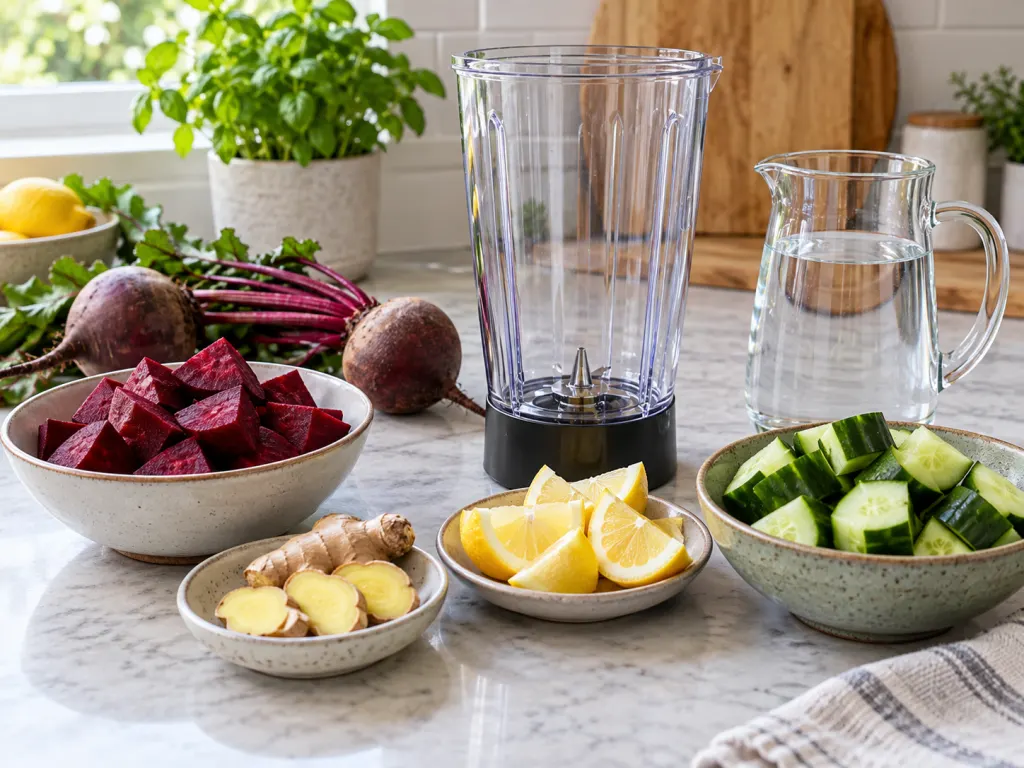
If you want to try the drink, keep the approach simple and moderate. Use a small cooked or raw beet, a modest slice of fresh ginger, fresh lemon juice, and enough cold water to blend smoothly. If the flavor is too strong, add cucumber or carrot rather than a large amount of sweetener. Drink it with food if an empty stomach makes ginger feel sharp. A thick blended drink may be more filling than a strained juice, but it is still a beverage, so let your meals do the main nutritional work: vegetables, fruit, beans, whole grains, nuts, lean proteins, and unsaturated fats across the week.
What To Watch Over Time
The most useful question is not whether you feel different after a few glasses. It is whether the drink helps you build a repeatable pattern you can keep. Are you drinking fewer sugar-heavy beverages? Are you eating more high-fiber foods overall? Are you moving in a joint-friendly way most days? Are you keeping scheduled health visits and reviewing your personal goals with someone qualified to interpret them? If the drink supports those behaviors, it may be a worthwhile kitchen habit. If it becomes a distraction from meals, movement, sleep, or professional guidance, scale it back and return attention to the basics.
Wrap-Up
A beet, ginger, and lemon drink can be a refreshing addition to a health-conscious kitchen, especially when it replaces a sweeter drink or helps you enjoy more vegetables. The strongest evidence still favors broader habits: fiber-rich meals for cholesterol-conscious eating, joint-friendly physical activity for arthritis, and individualized guidance for personal health decisions. Keep the drink modest, blend whole ingredients when possible, limit added sweeteners, and treat it as one supportive routine among many.
Frequently Asked Questions
- → Can a beet, ginger, and lemon drink be part of a cholesterol-conscious routine?
Yes, it can be part of the routine if it helps you eat more plant foods and choose fewer sugar-heavy beverages. The better-supported dietary pattern still includes soluble fiber foods such as oats, beans, lentils, and fruit, along with healthier fats and balanced meals.
- → Is ginger in a drink enough to address arthritis discomfort?
Evidence for ginger and arthritis is limited and mostly involves supplements rather than ordinary culinary amounts. In this drink, ginger is best understood as a warming flavor ingredient. For arthritis, CDC-supported habits such as joint-friendly physical activity deserve more attention.
- → Is blending better than juicing for this kind of drink?
Blending keeps more of the whole ingredient, including some pulp and fiber, while straining removes much of that texture. A blended drink is usually the more practical choice when the goal is to include more whole plant foods.
- → How sweet should the drink be?
Keep added sweeteners modest. Lemon, cucumber, carrot, or a small amount of orange can soften beetroot’s earthy flavor. FDA guidance treats honey and syrups as added sugars, so they should be used thoughtfully within the overall day.
- → When should someone ask a clinician before making this a frequent habit?
Ask a doctor or qualified health professional if you have ongoing health conditions, unusual symptoms, a history of kidney stones, very sensitive digestion, or a clinician-guided eating plan. Personal advice matters more than a general article when health concerns are already present.
References
This content was developed and refined using reliable sources.
- https://www.medlineplus.gov/howtolowercholesterolwithdiet.html
- https://www.cdc.gov/arthritis/prevention/index.html
- https://www.nccih.nih.gov/health/ginger
- https://ods.od.nih.gov/factsheets/VitaminC-HealthProfessional
- https://pubmed.ncbi.nlm.nih.gov/39069465
- https://www.medlineplus.gov/dietaryfiber.html
- https://www.fda.gov/food/nutrition-facts-label/added-sugars-nutrition-facts-label
- https://www.nccih.nih.gov/health/providers/digest/nutritional-approaches-for-musculoskeletal-pain-and-inflammation