 Save
The breakfast types most worth rethinking for kidney health are the ones that concentrate sodium, added sugars, phosphorus additives, potassium, or an oversized protein load in a single morning meal. This matters most for people with chronic kidney disease, diabetes, high blood pressure, dialysis-related limits, or lab results that require a personalized eating plan. It does not mean every egg, bowl of cereal, smoothie, or breakfast sandwich is dangerous. It means the details matter: what is packaged, how salty it is, how sweet it is, whether phosphorus additives are present, how much potassium is packed into the serving, and whether the meal fits your individual nutrition plan. Public health sources such as NIDDK explain that people with CKD may need different limits for sodium, potassium, phosphorus, protein, and fluids depending on their stage and care plan NIDDK.
Why Breakfast Can Matter More Than It Looks
Kidneys help filter waste and extra fluid, and they help keep minerals in balance. When kidney function is reduced, breakfast can become a surprisingly concentrated part of the day because many morning foods are packaged, salty, sweetened, or built around large portions of animal protein. NIDDK notes that CKD can change how the body handles sodium, potassium, phosphorus, liquids, fat, and protein, and that nutritional needs can shift as CKD advances NIDDK. The goal is not a rigid list of banned breakfasts. A more useful approach is to recognize breakfast patterns that make it harder to stay within a personal plan.
For someone without kidney disease, a single salty brunch is unlikely to define kidney health. For someone already watching sodium, potassium, phosphorus, protein, or fluid, the same brunch may crowd out safer choices for the rest of the day. The CDC gives similar practical guidance for people with both diabetes and CKD: eat less salt and sugar, limit packaged and restaurant foods, and adjust potassium, phosphorus, and protein according to kidney disease stage and professional guidance CDC.
Type 1: Salty Processed Breakfasts
The first breakfast type to rethink is the salty processed plate: bacon, sausage, cured ham, fast-food breakfast sandwiches, frozen breakfast burritos, biscuit sandwiches, packaged egg bowls, and heavily seasoned egg dishes. These foods may be convenient, but they often combine several sodium sources before the day has barely started. FDA guidance says 5% Daily Value or less of sodium per serving is considered low, while 20% or more is high; the same page notes that packaged and prepared foods supply most dietary sodium for many Americans FDA.
For kidney-conscious breakfast planning, the label is more reliable than taste. FDA points out that some foods can be high in sodium even when they do not taste especially salty, including cereals and pastries, and that serving size changes the real amount eaten FDA. A breakfast sandwich can also stack bread, cheese, processed meat, sauce, and a seasoned egg, each adding its own sodium. A practical morning check is:
- Compare sodium per serving across brands before buying frozen or packaged breakfasts.
- Watch the serving size when a package looks like one meal but lists more than one serving.
- Choose unprocessed proteins more often than cured or smoked breakfast meats.
- Use herbs, pepper, garlic, onion, lemon, or vinegar for flavor instead of adding more salt.
- Be cautious with salt substitutes if you have CKD, because some contain potassium.

Type 2: Sweet Cereals, Pastries, and Coffee Drinks
The second type is the sweet breakfast that looks light but behaves more like dessert: frosted cereals, toaster pastries, syrup-heavy pancakes, sweet muffins, sweetened instant oatmeal, flavored yogurts with candy-like toppings, bottled smoothies, and large sweet coffee drinks. The kidney link is often indirect but still important. Diabetes and high blood pressure are major kidney-health concerns, and CDC guidance for diabetes and kidney disease encourages eating less sugar and fewer refined carbs while tailoring carbohydrate goals to the person CDC.
Added sugar can also be hidden in foods that sound wholesome. CDC lists granola, instant oatmeal, breakfast cereals, protein bars, yogurts, flavored milks, creamers, and bottled drinks as foods that may contain added sugars CDC. This does not make oats, yogurt, fruit, or coffee off-limits. The better question is whether the morning meal is built mostly from whole or lightly processed foods, or whether sweetness is doing most of the work. Old-fashioned oats with fruit can be adapted many ways; on this site, a homemade option such as Easy Baked Banana Oatmeal Bars can be easier to adjust than a boxed pastry, while Breakfast Fruit Yogurt Bake may be a more flexible starting point than a heavily sweetened yogurt cup.
Type 3: Oversized Protein Breakfasts
The third breakfast type is the oversized protein meal: a large omelet with multiple meats and cheese, a protein shake alongside eggs and sausage, or a breakfast bowl that turns into a double or triple protein serving. Protein is essential, and too little can be a problem. The issue is excess for the individual person. NIDDK explains that as the body uses protein, it creates waste that healthy kidneys remove; some people with CKD may need moderate amounts, while people on dialysis may need more, so the right amount depends on the care plan NIDDK.
MedlinePlus also describes how protein needs can differ before and after dialysis, which is why generic high-protein breakfast advice can be misleading for people with CKD MedlinePlus. A kidney-conscious breakfast does not need to be protein-free. It can include an egg, unsalted seafood, poultry, yogurt, or plant foods when they fit the person. The riskier pattern is stacking protein sources without noticing: eggs plus processed meat plus cheese plus a shake plus a protein bar. That style can also bring sodium and phosphorus additives along for the ride.

Type 4: Large High-Potassium Smoothies and Juices
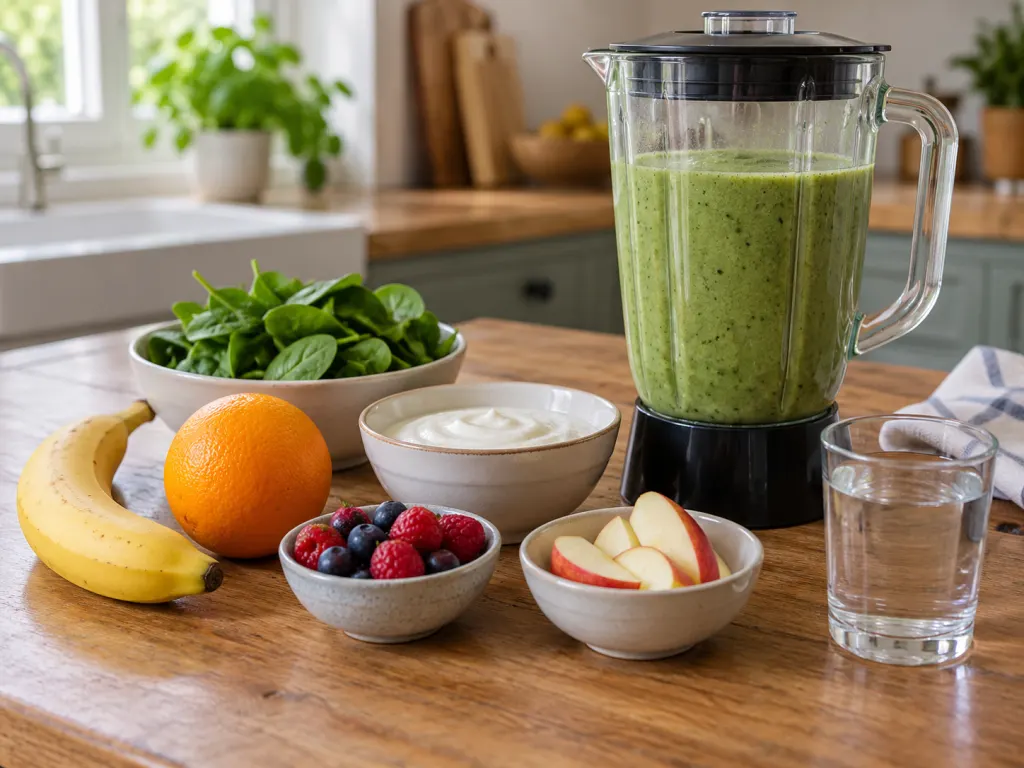
The fourth type is the very large fruit-and-vegetable smoothie, especially when it is built with banana, orange juice, dried fruit, avocado, spinach, yogurt, and a large serving size. For many people, these ingredients can be part of a nutritious diet. For someone who has been told to watch potassium, the concentrated format can be difficult. NIDDK explains that CKD can make it harder for kidneys to remove potassium, and potassium needs should be individualized with a dietitian or health care professional NIDDK.
MedlinePlus gives examples of fruits and vegetables that may be chosen or limited in a CKD diet, and it lists oranges, orange juice, bananas, cantaloupe, honeydew, prunes, potatoes, tomatoes, winter squash, pumpkin, and cooked spinach among foods that may need limits for some people MedlinePlus. The key word is personal. If potassium is not a concern for you, a smoothie may be fine. If potassium is being monitored, a whole-fruit breakfast with a measured portion may be easier to fit than a blender full of several servings at once.
Type 5: Packaged Foods With Phosphorus Additives
A fifth breakfast pattern is less obvious: packaged morning foods with phosphorus additives. This can include some processed meats, flavored drinks, packaged baked goods, pancake mixes, protein bars, bottled shakes, and some frozen breakfasts. Phosphorus occurs naturally in many foods, but NIDDK notes that phosphorus is also added to many processed foods and that phosphorus additives are a major source for many people with CKD NIDDK. Because additives vary by brand, two similar breakfast products can have different kidney-diet implications.
This is where home cooking becomes useful. A simple egg with toast, plain oatmeal with berries, a small yogurt bowl, or a homemade breakfast wrap gives you more control than a frozen meal with a long ingredient list. That does not mean every homemade breakfast is automatically kidney-friendly, and it does not mean every packaged food is unsuitable. It means labels deserve attention. If you enjoy savory breakfast wraps, compare the sodium and ingredient lists in store-bought options with a home version such as Easy Breakfast Roll-Ups, then adjust the meat, cheese, and portion to match your needs.
A More Kidney-Conscious Breakfast Pattern
A kidney-conscious breakfast starts with a calmer template: one main carbohydrate, one measured protein, a fruit or vegetable portion that fits your potassium needs, and flavor that does not rely heavily on salt. The details depend on the person. Someone with early CKD may have fewer restrictions than someone with advanced CKD. Someone on dialysis may need a different protein pattern. Someone with diabetes may need a carbohydrate plan that is specific to age, activity, and health care guidance, as CDC notes in its diabetes and kidney disease nutrition guidance CDC.
Examples of the pattern include plain oats with berries and cinnamon, toast with an egg and fruit, unsweetened yogurt with a modest topping, or a small homemade breakfast burrito built with lower-sodium ingredients. If your care team has given you potassium or phosphorus limits, choose fruits, vegetables, dairy, grains, and protein foods within that plan. If you have no diagnosed kidney condition, the same habits still make breakfast more balanced: fewer ultra-salty processed foods, less added sugar, more label awareness, and more meals prepared from basic ingredients.
Who Should Personalize Breakfast Most Carefully
Breakfast choices deserve extra care if you have CKD, diabetes, high blood pressure, heart disease, a family history of kidney failure, or dialysis-related nutrition guidance. NIDDK notes that many people in early CKD have no symptoms and that testing is often the only way to know how well kidneys are working NIDDK. Mayo Clinic also describes symptoms that can appear as kidney disease becomes more advanced, including changes in urination, swelling, fatigue, trouble concentrating, chest pain, and shortness of breath Mayo Clinic.
Wrap-Up
The breakfast types most likely to be a poor fit for kidney-conscious eating are not defined by one ingredient. They are defined by concentration: too much sodium from processed meats and fast food, too much added sugar from cereals and drinks, too much protein for the person, too much potassium in a large smoothie, or hidden phosphorus additives in packaged foods. The more kidney-related limits you have, the more breakfast should be individualized. Read labels, watch portions, cook from basic ingredients when possible, and treat online food lists as starting points rather than personal instructions.
Frequently Asked Questions
- → Are eggs bad for kidneys at breakfast?
Eggs are a protein food, and protein needs vary. Some people with CKD may need moderate protein, while people on dialysis may need more. An egg can fit many breakfast plans, but stacking eggs with processed meat, cheese, and a protein drink may be too much for some people. Ask a renal dietitian what portion fits your situation.
- → Is oatmeal a better breakfast for kidney health?
Plain oatmeal can be a flexible breakfast because it is easy to prepare without much sodium or added sugar. The toppings matter. Large portions of dried fruit, sweetened packets, sweet creamers, or salty add-ins can change the meal. People with CKD should also follow any potassium, phosphorus, fluid, or carbohydrate guidance they have been given.
- → Why are breakfast sandwiches often a concern?
Many breakfast sandwiches combine several sodium sources: bread, processed meat, cheese, sauces, and seasoned eggs. FDA guidance says 20% Daily Value or more of sodium per serving is high, and serving size can make the real amount higher than expected. Homemade versions allow more control over meat, cheese, sauces, and portion size.
- → Can a smoothie be kidney-friendly?
It can be, depending on the ingredients, portion, and the person's potassium needs. A large smoothie with banana, orange juice, avocado, dried fruit, spinach, and yogurt can concentrate potassium. If potassium is being monitored, ask which fruits, vegetables, and portions fit your plan. Whole fruit in a measured portion may be easier to manage than a large blended drink.
- → What should I look for on packaged breakfast labels?
Check sodium, added sugars, serving size, and the ingredient list. For kidney-conscious planning, also look for potassium chloride and ingredients containing PHOS, such as phosphoric acid or phosphate additives. Compare similar products because frozen breakfasts, cereals, bars, shakes, and mixes can differ widely by brand.
References
This content was developed and refined using reliable sources.
- https://www.niddk.nih.gov/health-information/kidney-disease/chronic-kidney-disease-ckd/healthy-eating-adults-chronic-kidney-disease?dkrd=nkdep.nih.gov/resources/eating-right.shtml
- https://www.cdc.gov/diabetes/healthy-eating/diabetes-and-kidney-disease-food.html
- https://www.fda.gov/food/nutrition-education-resources-materials/sodium-your-diet
- https://www.medlineplus.gov/ency/article/002442.htm
- https://www.cdc.gov/diabetes/healthy-eating/spotting-hidden-sugars-in-everyday-foods.html
- https://www.niddk.nih.gov/health-information/kidney-disease/chronic-kidney-disease-ckd/what-is-chronic-kidney-disease
- https://www.mayoclinic.org/diseases-conditions/end-stage-renal-disease/symptoms-causes/syc-20354532