 Save
The best fruits for a collagen-aware, joint-friendly kitchen are vitamin C-rich choices such as oranges, grapefruit, kiwi, strawberries, and cantaloupe, along with deeply colored berries for variety. Vitamin C matters because the body uses it in collagen formation, while whole fruit also supplies water, fiber, potassium, and diverse plant compounds. That does not mean fruit can fix joint problems or replace individualized care. It means fruit can be one practical part of an overall eating pattern that supports normal body maintenance. The useful approach is simple: eat a variety of whole fruits often, pair them with enough protein foods, and keep expectations grounded in nutrition rather than quick promises.
Why Collagen Comes Up in a Fruit Conversation
Collagen is the most abundant protein in the body and is a major part of connective tissue, including skin, bone, tendons, and cartilage, according to Harvard T.H. Chan School of Public Health's Nutrition Source collagen overview. Fruit does not contain collagen, because collagen is an animal protein. What fruit can do is provide nutrients the body uses while making and maintaining its own connective tissues. That distinction is important: the kitchen goal is not to chase a single food with an oversized promise, but to build a pattern that includes the raw materials and habits the body normally relies on.
The Vitamin C Link Is the Clearest Starting Point
The clearest reason to put fruit in a collagen-focused conversation is vitamin C. The NIH Office of Dietary Supplements states that vitamin C is required for collagen biosynthesis and is also involved in antioxidant function and protein metabolism in its professional fact sheet. MedlinePlus also describes vitamin C as important for skin, bones, and connective tissue, and notes that it comes from fruits and vegetables in its vitamin C summary. In plain kitchen terms, this makes vitamin C-rich fruit a sensible regular choice, especially when the rest of the plate includes enough protein foods, vegetables, whole grains, and other nutrient sources.
Fruits Worth Reaching for Most Often
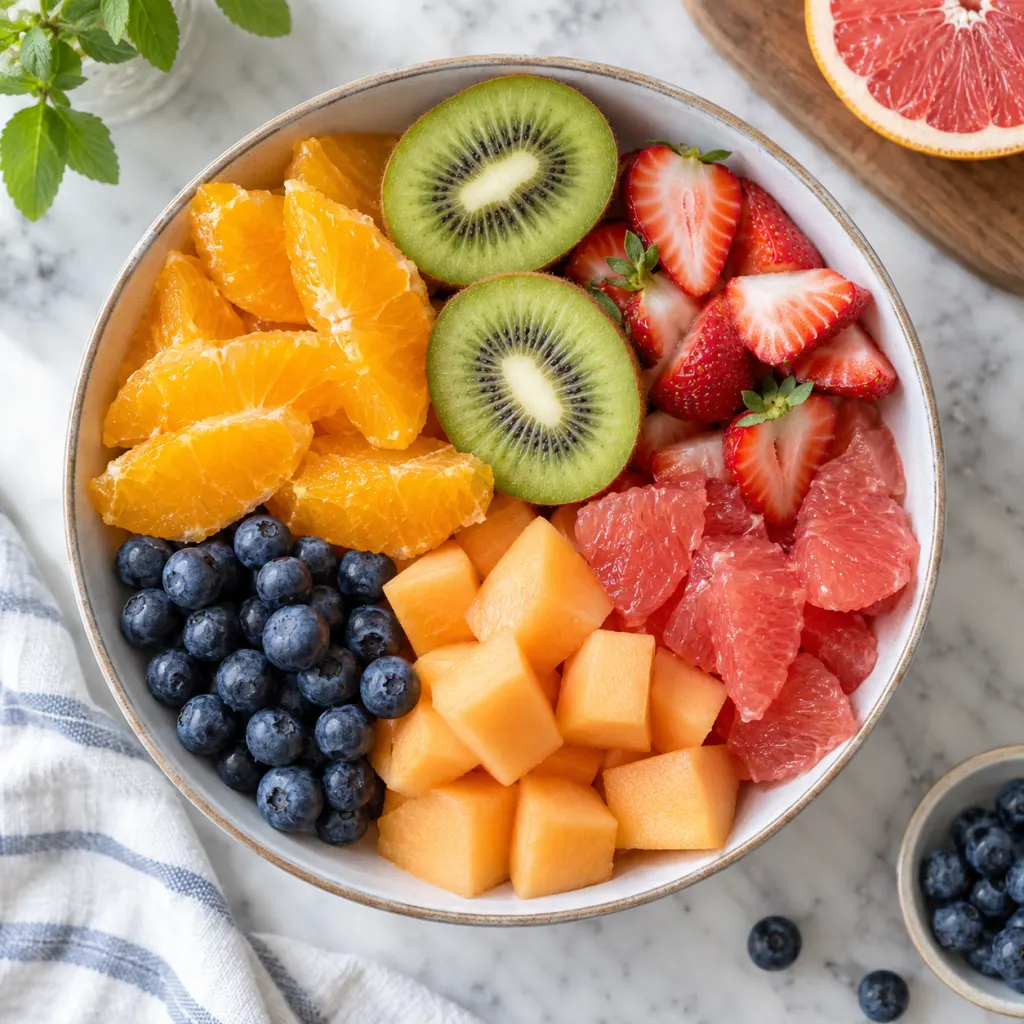
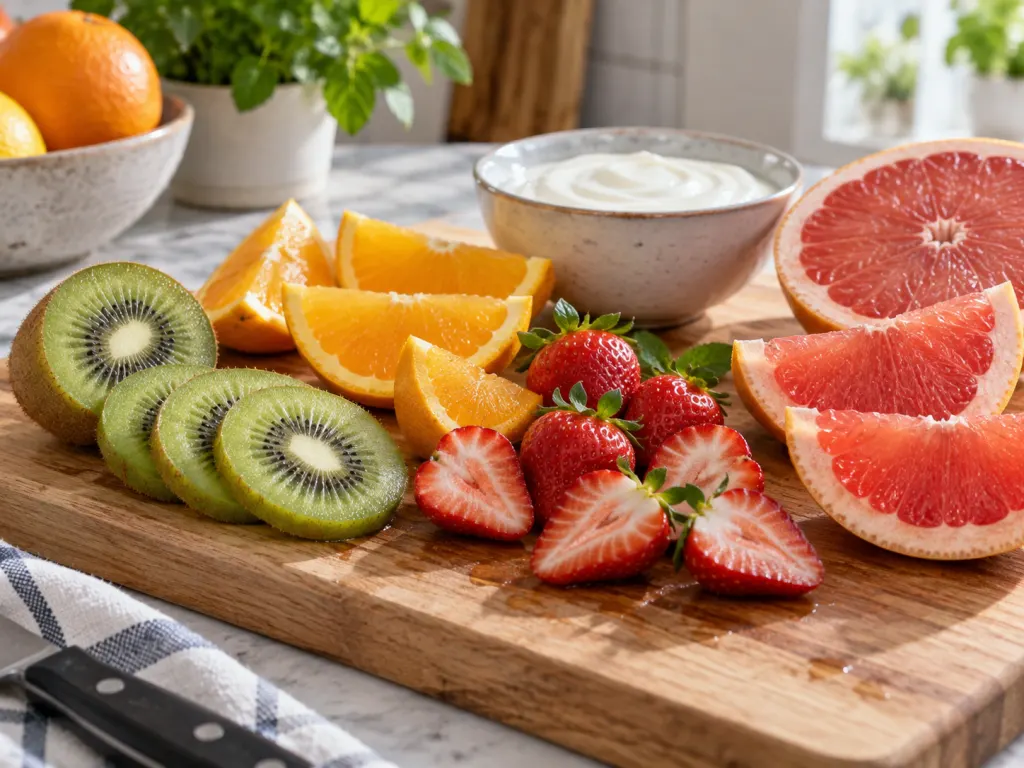
For everyday planning, the most useful fruits are the ones that are easy to buy, easy to eat, and naturally rich in vitamin C. The NIH list of selected vitamin C food sources includes orange, kiwifruit, strawberries, grapefruit, and cantaloupe among notable options in its food-source table. You do not need an exotic shopping list. A bowl of sliced kiwi, a grapefruit half, a cup of strawberries, or orange segments alongside breakfast can all fit the same basic purpose. Variety also helps keep the habit enjoyable, which matters more than forcing one fruit every day until you are tired of it.
- Citrus: oranges and grapefruit are familiar vitamin C sources and work well with breakfasts, salads, yogurt, or simple snacks.
- Kiwi: one small fruit can bring a concentrated vitamin C contribution in a compact serving.
- Strawberries: these add vitamin C plus fiber and can be used fresh or frozen.
- Cantaloupe: this is a gentle, hydrating fruit that fits well into warm-weather meals.
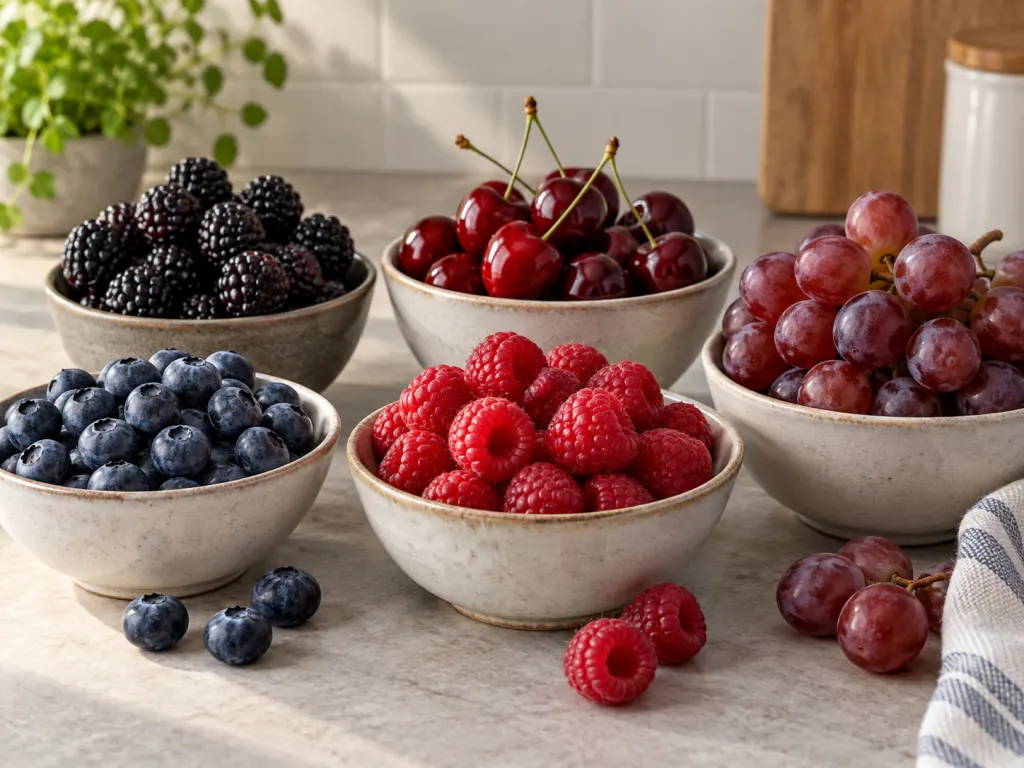
- Berries: blueberries, blackberries, raspberries, and similar fruits add color and a range of plant compounds, even when they are not the highest vitamin C choice in the bowl.
Whole Fruit Has Advantages Juice Does Not Fully Share
Whole fruit is usually the better everyday default because it keeps the fruit's fiber intact. The 2025-2030 Dietary Guidelines summary from MedlinePlus encourages fruits and vegetables throughout the day, mentions whole fruits in their original form, and suggests choosing dried, frozen, or canned fruit with little to no added sugar in its food-group guidance. Juice can contribute vitamin C, but it is easier to drink quickly and usually lacks the texture and fiber of whole fruit. If juice is part of your routine, treating it as one small part of the day rather than the main fruit habit keeps the pattern more balanced.
Colorful Fruit Adds More Than One Nutrient
Vitamin C gets most of the attention because its collagen connection is direct, but fruit is not a single-nutrient delivery system. Berries, cherries, grapes, citrus, and many tropical fruits contain varied phytochemicals, including pigments and phenolic compounds. The National Center for Complementary and Integrative Health explains that antioxidants come from foods such as fruits, vegetables, and grains, while also cautioning that concentrated antioxidant products do not behave the same way as foods in its antioxidant overview. That is a good reminder for kitchen decisions: choose colorful foods because they help build a varied pattern, not because any one color guarantees a specific joint outcome.
How This Relates to Joints Without Overstating It
Joints are more than bones meeting bones. MedlinePlus explains that joints include cartilage, tendons, ligaments, and other soft tissues in its joint disorders overview. Cartilage is described by MedlinePlus as tough but flexible tissue that covers the ends of bones at a joint and helps bones glide over each other in its cartilage summary. Because connective tissues have protein structures and nutrient needs, it is reasonable to care about overall nutrition. It is not reasonable to expect a fruit bowl to answer every source of stiffness, injury, soreness, or limited movement. Food is one lever among many, alongside movement, sleep, body mechanics, access to care, and individual health history.
A Collagen-Aware Plate Needs Protein Too
Fruit supplies vitamin C and other helpful compounds, but collagen itself is a protein structure built from amino acids. Harvard's collagen overview notes that plant and animal foods can provide materials the body uses for collagen production, and it specifically lists vitamin C from citrus fruits, berries, leafy greens, bell peppers, and tomatoes as one supporting nutrient in its food discussion. For a home cook, that means fruit works best beside meals that also include protein foods such as beans, lentils, eggs, dairy foods, poultry, fish, tofu, or other choices that fit your preferences. A strawberry bowl is useful; a strawberry bowl attached to an otherwise very limited diet is less useful.
Most People Benefit From Making Fruit Easier
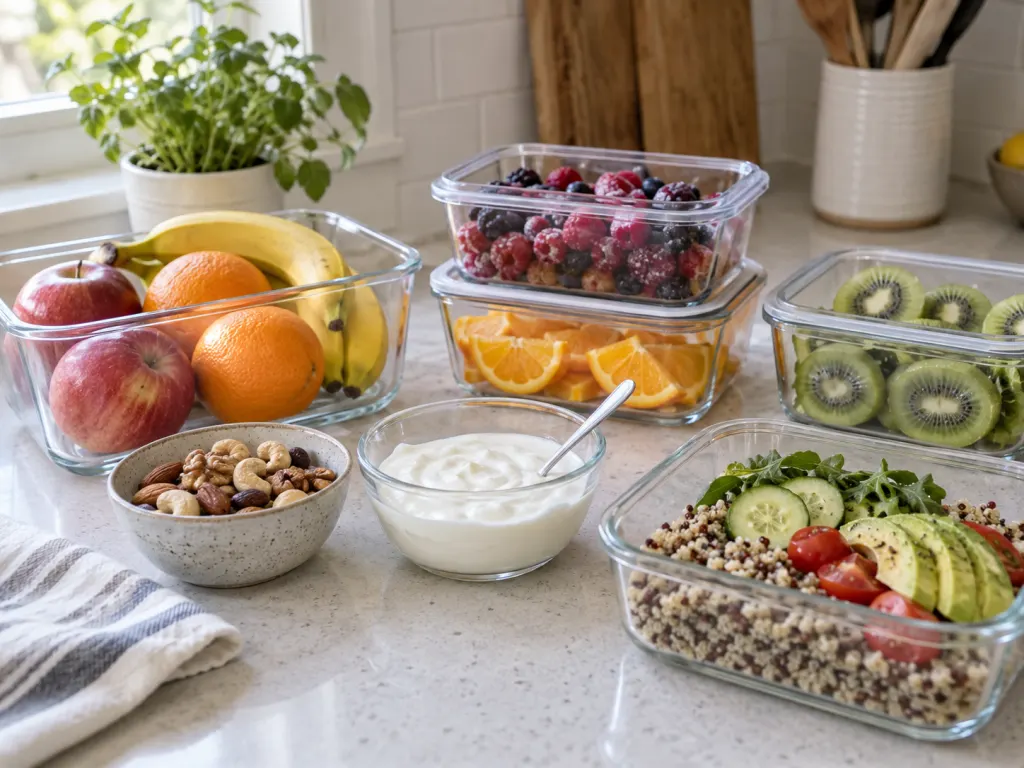
The practical barrier is often not knowledge; it is access, cost, prep, and habit. CDC analysis of 2019 U.S. survey data found that only 12.3% of adults met fruit intake recommendations, showing how common it is for fruit to be crowded out of daily routines in its MMWR report. A joint-friendly kitchen plan should therefore be ordinary enough to repeat: frozen berries for oatmeal, oranges in a visible bowl, kiwi next to yogurt, grapefruit segments in a salad, or canned fruit packed without heavy syrup when fresh options are not realistic. The best choice is often the fruit you will actually eat before it spoils.
Simple Ways to Build the Habit
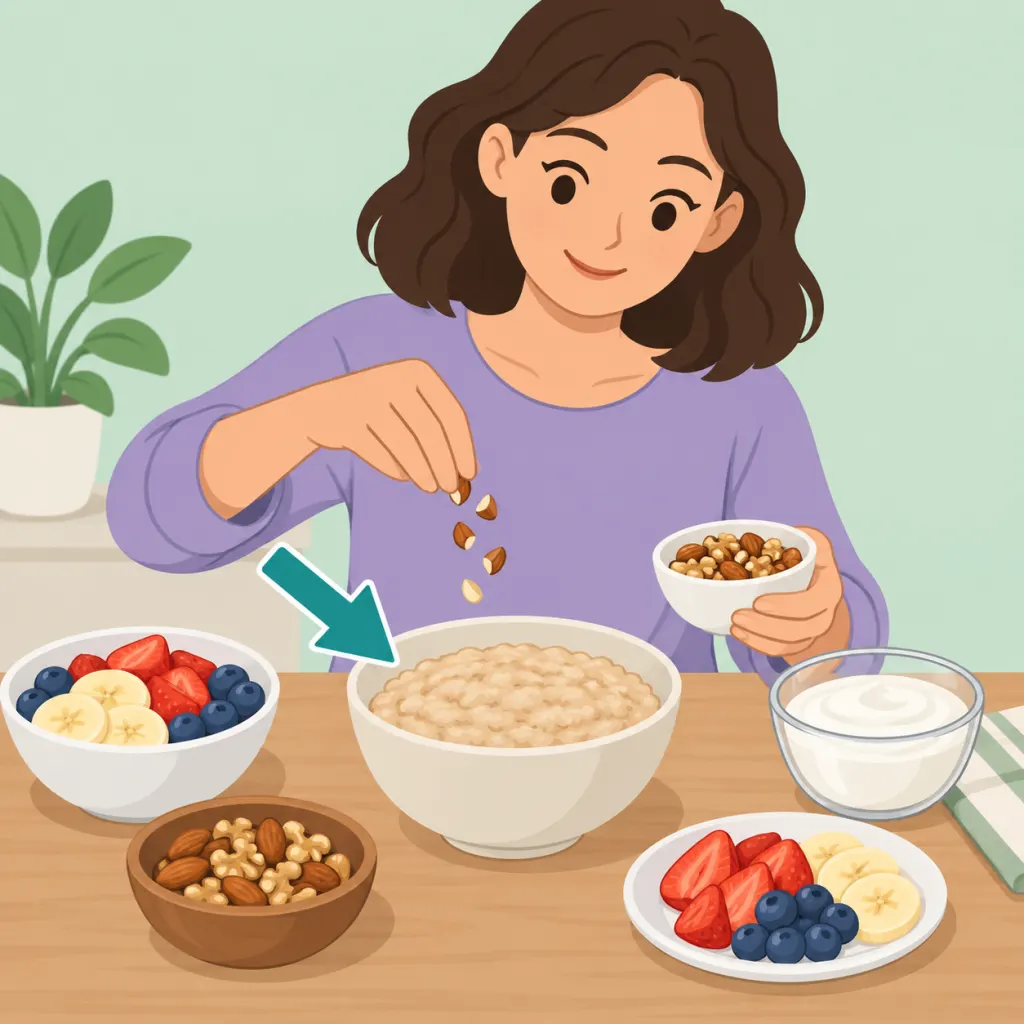
Think in repeatable pairings, not special routines. Add berries to plain yogurt, oatmeal, cottage cheese, or chia pudding. Serve orange slices next to eggs, beans on toast, or a grain bowl. Fold diced mango or pineapple into a cabbage slaw for a bright side dish. Keep frozen strawberries for smoothies made with plain yogurt or milk. Pack a kiwi and a handful of nuts for a snack with both fruit and protein. Use citrus juice and zest in dressings, then eat whole fruit elsewhere in the day for fiber. These are culinary choices first, which makes them easier to sustain than a strict wellness checklist.
When Fruit Is Not the Whole Answer
Joint discomfort, swelling, numbness, instability, and trouble bearing weight deserve more than a shopping-list response. MedlinePlus advises contacting a health care provider for significant joint pain, swelling or numbness, inability to put weight on a joint, or an old injury that has more swelling, instability, or an unusual appearance in its joint guidance. Food choices can support general nutrition, but they cannot sort out an injury, a chronic joint condition, or a sudden change in movement. If a joint concern is new, severe, worsening, or affecting daily life, it is better to have it evaluated than to keep experimenting in the kitchen.
The Bottom Line for a Fruit Bowl
If you want the most sensible fruit strategy for collagen and joint-friendly eating, start with vitamin C-rich fruit, keep whole fruit in the routine, and vary colors through the week. Oranges, grapefruit, kiwi, strawberries, cantaloupe, and berries are all reasonable choices. Pair them with enough protein and other whole foods, and keep the promise modest: fruit helps supply nutrients that belong in a supportive eating pattern. That is useful enough without turning breakfast into a medical claim.
Wrap-Up
Fruits can support connective-tissue nutrition mainly by contributing vitamin C, plus fiber, water, potassium, and varied plant compounds. The most practical choices are familiar ones: citrus, kiwi, strawberries, cantaloupe, and a rotation of berries. Whole fruit is usually the stronger everyday habit compared with relying on juice. For joint health, keep fruit in context: connective tissues also rely on adequate protein, overall diet quality, movement, sleep, and appropriate care when pain, swelling, numbness, instability, or movement limits appear.
Frequently Asked Questions
- → Which fruit is the best choice for collagen-related nutrition?
There is no single best fruit for everyone, but vitamin C-rich options are the most directly relevant. Oranges, grapefruit, kiwi, strawberries, and cantaloupe are practical choices because vitamin C is required for collagen formation. Rotate them based on season, budget, taste, and what you will actually eat.
- → Do fruits contain collagen?
No. Collagen is found in animal connective tissue, not fruit. Fruit matters because it can provide vitamin C and other nutrients that fit into the body's normal connective-tissue maintenance. For collagen-aware eating, pair fruit with enough protein foods across the day.
- → Are berries useful even when they are not the highest in vitamin C?
Yes, berries can still be useful because they add fiber, water, flavor, and colorful plant compounds. Strawberries also provide notable vitamin C. Blueberries, blackberries, and raspberries are good variety choices, especially when they help replace less nourishing snacks.
- → Is juice as helpful as whole fruit?
Juice can contribute vitamin C, but whole fruit is usually the better everyday default because it includes fiber and takes longer to eat. If you drink juice, keep it as a small part of the pattern and continue using whole, frozen, or canned fruit with little to no added sugar.
- → Can changing fruit choices solve joint pain?
Fruit can support general nutrition, but joint pain can have many causes. If pain is significant, a joint is swollen or numb, you cannot put weight on it, or an old injury changes, contact a health professional. Food choices are only one part of joint care.
References
This content was developed and refined using reliable sources.
- https://ods.od.nih.gov/factsheets/VitaminC-HealthProfessional
- https://www.medlineplus.gov/vitaminc.html
- https://nutritionsource.hsph.harvard.edu/collagen
- https://www.nccih.nih.gov/health/antioxidant-supplements-what-you-need-to-know
- https://www.medlineplus.gov/jointdisorders.html
- https://www.medlineplus.gov/cartilagedisorders.html
- https://odphp.health.gov/our-work/nutrition-physical-activity/dietary-guidelines/current-dietary-guidelines
- https://www.medlineplus.gov/ency/article/002093.htm
- https://www.cdc.gov/mmwr/volumes/71/wr/mm7101a1.htm