 Save
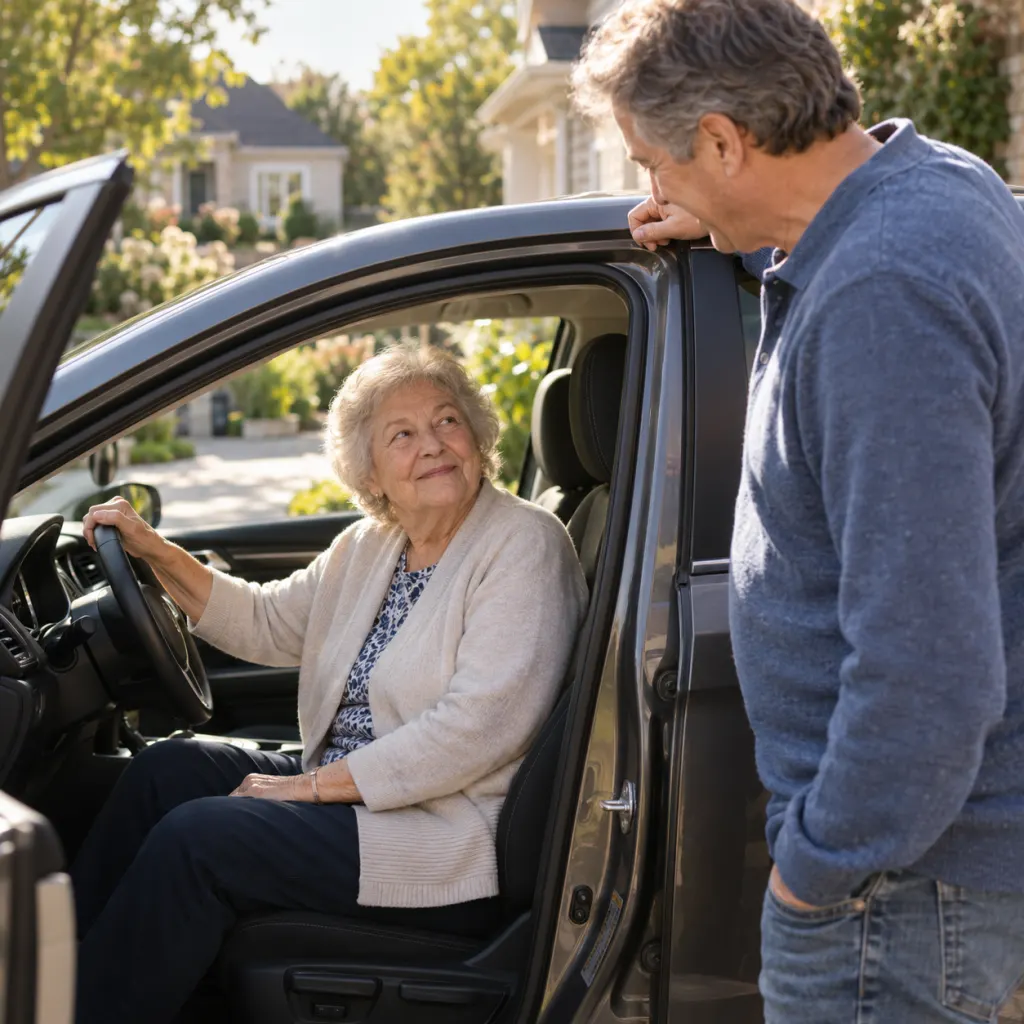
Seniors should stop driving when driving ability is no longer reliable enough to protect the driver, passengers, pedestrians, and other road users. There is no universal birthday when everyone should hand over the keys. The more useful test is functional: can the person see, hear, move, think, react, and make decisions consistently in real traffic? The National Highway Traffic Safety Administration says driving decisions should not be based on age alone, but on changes in vision, physical fitness, attention, and reaction time that may affect safety NHTSA. The National Institute on Aging gives a similar message: many older adults value driving, but health changes, medicines, injuries, and warning signs may mean it is time to limit or stop National Institute on Aging.
There Is No Single Age That Settles It
A person who is 82 may drive carefully on familiar daytime routes, while a person who is 68 may be unsafe after vision changes, memory problems, drowsiness, or slow reactions. That is why a blanket age rule is both too harsh and too weak. The CDC notes that driving helps older adults stay mobile and independent, while crash injury risk rises with age; in 2022, nearly 52 million licensed U.S. drivers were age 65 or older, and older adults experienced thousands of crash deaths and emergency department visits CDC. The goal is not to punish age. The goal is to notice the point where the practical risks of driving outweigh the independence it provides.
Warning Signs That Deserve Attention
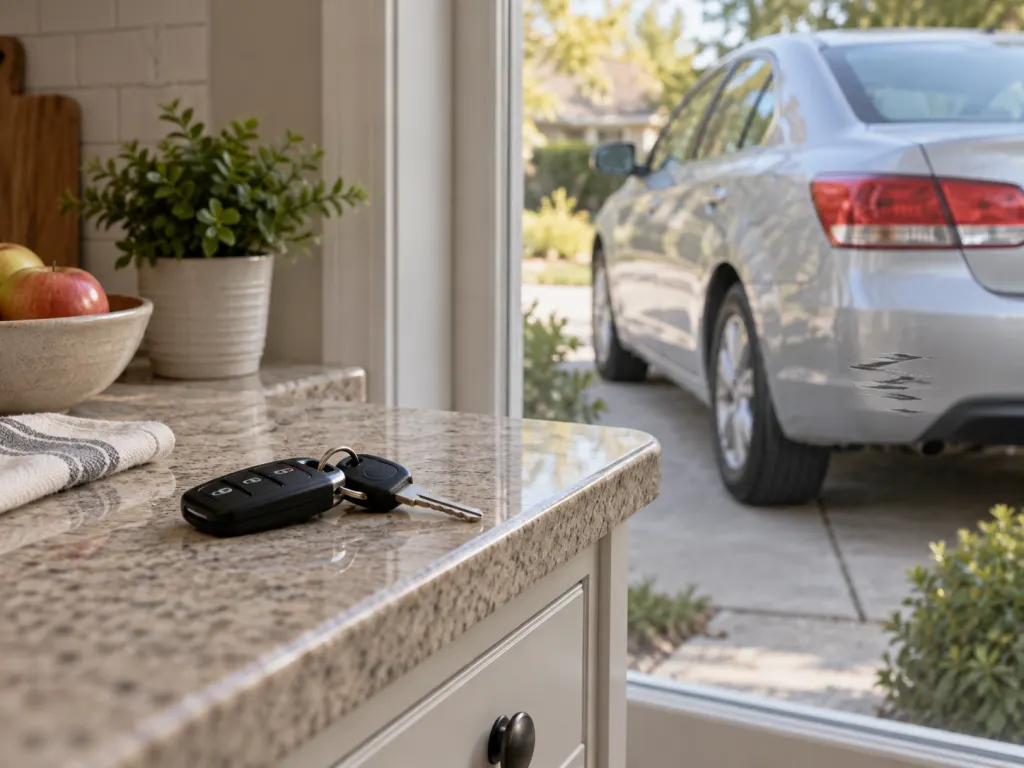
The strongest signs are patterns, not one embarrassing moment. Everyone can miss a turn or feel tense in a sudden downpour. Concern rises when problems repeat, become more serious, or happen in ordinary conditions. The National Institute on Aging lists several signs that a loved one may no longer be driving safely, including multiple crashes or near misses, new dents or scrapes on the car, two or more traffic tickets or warnings within two years, higher insurance costs linked to driving issues, comments from others about unsafe driving, anxiety about night driving, and health problems that affect vision, hearing, or movement National Institute on Aging.
- Repeated near misses, even when no crash occurs.
- Unexplained dents, scrapes, mailbox strikes, curb hits, or garage damage.
- Trouble staying in the lane, judging gaps, or making turns.
- Getting lost on familiar routes or arriving unusually late without a clear reason.
- Confusing pedals, missing signs, or reacting late to pedestrians and traffic signals.
- Honking, complaints, or worried comments from passengers, neighbors, police, or family.
- Avoiding more and more drives because the driver feels unsure, overwhelmed, or exhausted.
Health Changes That Matter Behind The Wheel
Driving asks the body and brain to work together quickly. MedlinePlus explains that joint stiffness can make steering and blind-spot checks harder, slower reflexes can delay braking, vision changes can make signs and night driving more difficult, hearing changes can make horns and sirens easier to miss, and some medicines can cause drowsiness or reduced alertness MedlinePlus. These changes do not automatically mean a person must stop forever. They do mean the driver should take the concern seriously, especially when the change is new, worsening, or showing up in actual driving.
When Limits May Be Enough For Now
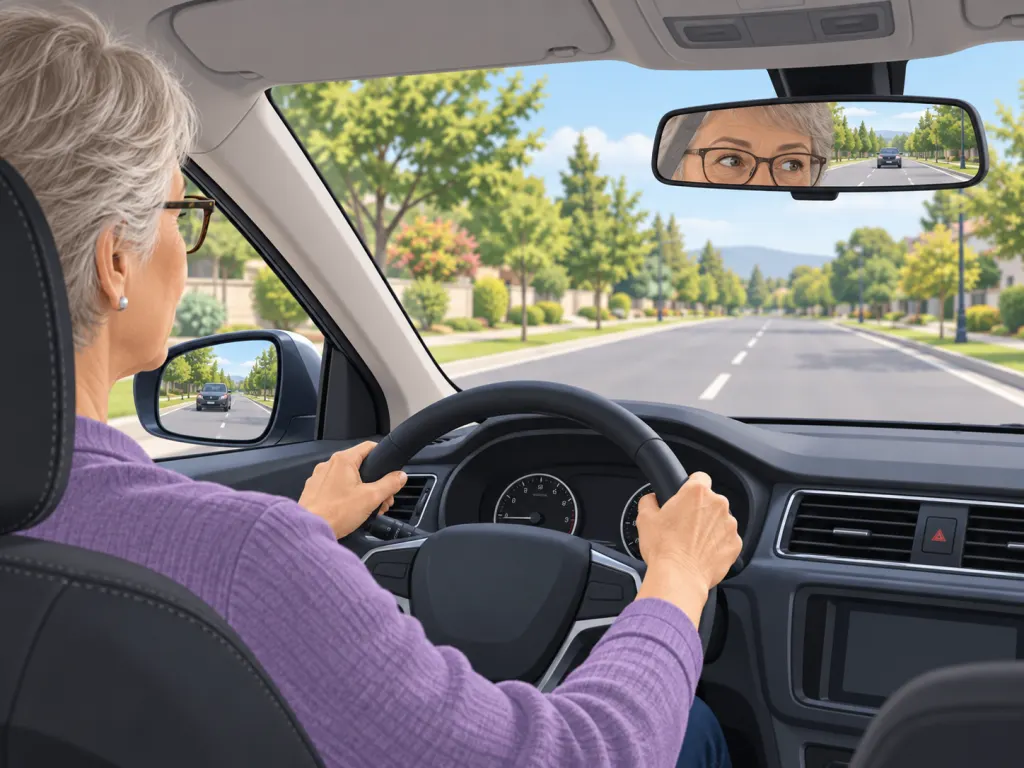
Some older adults do not need to stop all at once. They may need to narrow the driving they do. The CDC recommends safer driving conditions such as daylight, good weather, planned routes, well-lit roads, larger following distance, and avoiding distractions CDC. The National Institute on Aging also suggests avoiding night driving, rush hour, unfamiliar roads, high-speed roads, and poor weather when these conditions have become difficult National Institute on Aging. A limited-driving plan may work when there are no crashes, no serious close calls, no confusion on familiar roads, and the driver honestly follows the limits without being pushed.
When A Pause Is Wiser Than Pushing Through
A temporary pause can be the most respectful step after a new health event, a change in alertness, a concerning medicine effect, an injury, new vision trouble, or a frightening driving episode. Pausing does not have to mean a permanent loss of independence. It can create time for an eye exam, a medicine review, vehicle adjustments, a driving evaluation, or a family plan. If a driver has sudden confusion, fainting, severe chest pain, one-sided weakness, sudden vision loss, or a crash with possible injury, seek emergency help right away. Those situations are bigger than a driving conversation and need immediate safety attention.
Make The Car And Route Do Less Work
Before deciding that the only choices are full driving or no driving, look at the car and the routine. Larger mirrors, properly aimed headlights, clean windshields, easy-to-read controls, backup cameras, automatic transmission, power steering, and a better seating position can reduce strain. NHTSA notes that adapted vehicles and equipment, such as swivel seats, hand controls, or pedal extenders, may help some drivers when chosen and taught through qualified mobility resources NHTSA adapted vehicles. These tools are not a workaround for unsafe judgment, confusion, or repeated close calls, but they can help when the main barrier is fit, comfort, reach, or visibility.

Memory Changes Need Earlier Planning
Driving with dementia or significant memory decline deserves special care because insight can fade. A person may believe they are driving normally while passengers, neighbors, or family see clear risks. Mayo Clinic explains that safe driving depends on attention, concentration, following rules, and making quick decisions, and that these abilities decline over time in people with Alzheimer’s disease or other dementias Mayo Clinic. The National Institute on Aging says some people in early dementia may drive for a time, but as memory and decision-making worsen, they will likely need to stop National Institute on Aging. In practice, this means families should not wait for a major crash before planning alternatives.
How Families Can Start The Conversation
The conversation often goes better when it starts before a crisis. Choose a calm time, use specific observations, and avoid turning one talk into a verdict. NHTSA encourages caregivers to collect information, develop a plan of action, and follow through NHTSA. Instead of saying, “You are too old to drive,” try, “I noticed two new dents and you seemed shaken after the left turn at Maple Street. Can we schedule a driving check and also make sure you can still get to the grocery store, appointments, and visits?” Respect matters, but so does clarity. If the risk is immediate, family members may need to hold a firmer boundary while arranging rides.
Get An Independent Opinion When The Answer Is Unclear
Family members can notice warning signs, but they should not have to carry the whole decision alone. A primary care doctor, eye care professional, pharmacist, occupational therapist, certified driver rehabilitation specialist, or local licensing agency may help clarify what is changing and what options exist. NHTSA says medical conditions can affect safe driving and provides resources for older drivers, caregivers, medical professionals, law enforcement, and state departments of motor vehicles NHTSA. Licensing rules also vary by state, so drivers and families should check their own state motor vehicle agency rather than relying on a neighbor’s experience.
Build A Transportation Plan Before The Keys Disappear
Stopping driving is easier when it does not mean stopping life. CDC’s MyMobility Plan encourages older adults and caregivers to plan for future mobility changes, including ways to stay safe, mobile, and independent in the community CDC MyMobility Plan. A practical plan names the places the person must reach every week: medical appointments, groceries, worship, friends, exercise, banking, pharmacy, haircuts, and family events. Then it matches each place with a ride option: family rotation, public transit, paratransit, senior center shuttles, volunteer driver programs, taxis, ride-hailing, grocery delivery, pharmacy delivery, or a neighbor arrangement. The point is to replace freedom with reliable support, not with isolation.
A Practical Decision Framework
A senior may be able to continue driving, often with limits, when there are no recent crashes or near misses, no getting lost on familiar routes, no untreated vision concerns, no drowsiness at the wheel, no serious passenger fear, and no pattern of tickets or complaints. A senior should strongly consider stopping, or at least pausing until evaluated, when the warning signs are repeated, when memory or judgment changes are affecting real trips, when pedals or lanes are confused, when the driver cannot follow agreed limits, or when a qualified professional advises that the risk is too high. The most humane answer is rarely a sudden command. It is usually a clear, evidence-based plan that protects safety while preserving as much independence, dignity, and connection as possible.
Wrap-Up
There is no automatic age when seniors should stop driving. The right time depends on evidence from real life: crashes, near misses, tickets, getting lost, delayed reactions, vision or movement problems, memory changes, medicine-related drowsiness, and concern from passengers or professionals. Some drivers can stay safer with limits such as daylight-only driving, familiar routes, good weather, and less traffic. When warning signs continue or judgment becomes unreliable, stopping driving is a safety decision, not a personal failure. The best transition starts early, includes trusted health and driving professionals, and builds a transportation plan that keeps the older adult connected to food, care, people, and daily routines.
Frequently Asked Questions
- → Is there an age when seniors are legally required to stop driving?
There is no single national age in the United States when every senior must stop driving. State licensing rules vary, and some states add renewal steps or vision checks at certain ages. The safer personal decision should be based on actual driving ability, warning signs, health changes, and professional guidance.
- → What is the biggest sign that an older adult should stop driving?
The biggest sign is a repeated pattern of unsafe events: crashes, near misses, getting lost on familiar roads, confusing pedals, drifting lanes, delayed reactions, or passengers feeling unsafe. One mistake may call for review; a pattern calls for action.
- → Can a senior keep driving only during the day?
Sometimes, yes. Daylight-only driving on familiar, lower-stress routes may be reasonable when the driver has no serious warning signs and can follow limits consistently. It is not enough when the person has repeated close calls, confusion, unsafe judgment, or trouble controlling the vehicle.
- → Who can help decide if an older adult is still safe to drive?
A primary care doctor, eye care professional, pharmacist, occupational therapist, certified driver rehabilitation specialist, or state licensing agency may help. Family observations are important, but an independent evaluation can make the decision less personal and more evidence-based.
- → How can families make giving up driving less isolating?
Start by mapping the person’s real weekly destinations, then assign reliable ride options for each one. Include groceries, appointments, social visits, worship, exercise, pharmacy needs, and spontaneous outings when possible. The transition works better when mobility is replaced, not simply removed.
References
This content was developed and refined using reliable sources.
- https://www.nhtsa.gov/road-safety/older-drivers
- https://www.nia.nih.gov/health/older-drivers
- https://www.cdc.gov/older-adult-drivers/about/index.html
- https://medlineplus.gov/ency/patientinstructions/000955.htm
- https://www.nhtsa.gov/vehicle-safety/adapted-vehicles
- https://newsnetwork.mayoclinic.org/discussion/alzheimers-and-dementia-when-to-stop-driving
- https://www.cdc.gov/older-adult-drivers/mymobility/index.html